Magnetic Nail Wraps Glam
- Words by
- Julio Arco
- Published
- Reading
- 4 min
The simplest way to add texture to a manicure is to mix finishes: one matte nail next to a glossy one, a magnetic shimmer on an accent finger, or a few small raised details. Start with one textured nail per hand and build from there.
Below are the main techniques, how each one is usually done, and how to keep them comfortable for daily wear.
How to do textured nails
Most textured looks follow the same order: prep, color, texture layer, seal. File and shape the nails, apply your base color, add the texture element while the layer is still workable, then cure or seal it according to the product you use. Check the product's own directions, since curing and drying differ between formulas.
Start with something forgiving. A matte top coat over regular polish takes minutes and needs no special tools. Raised details like beads or gems take more practice, so try them on one nail first.
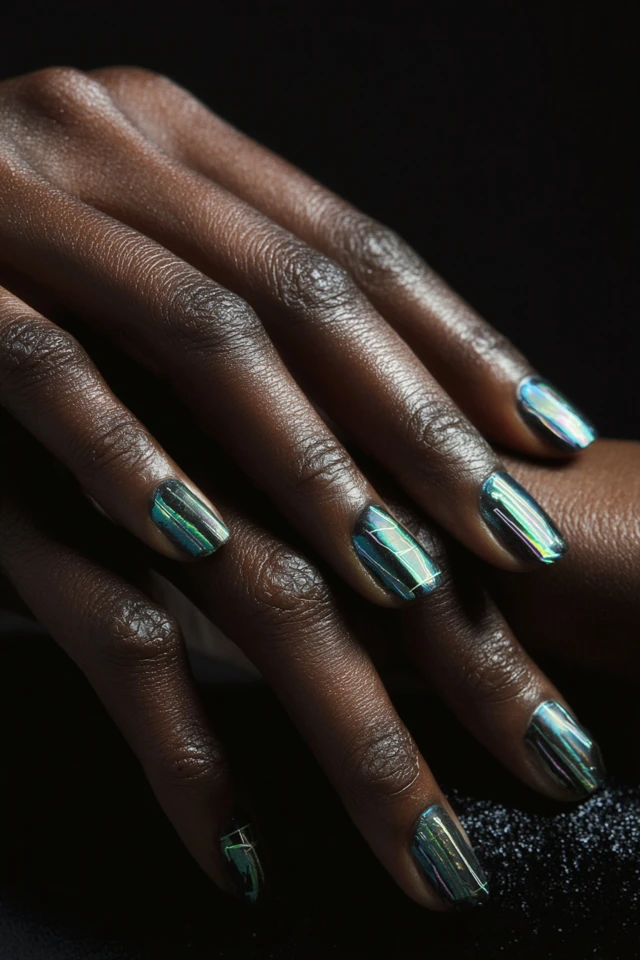
Matte and glossy nail contrast
This is the easiest texture to wear. Through the lens of evidence-based design, I'd start here because surface changes how light reaches your eye: a matte navy and a glossy navy do not read as the same color, even though the pigment is identical.
- Matte on all nails with one glossy accent nail.
- Glossy base with a matte design painted on top, such as a stripe or tip.
- Alternating finishes across the hand for a quieter, graphic effect.
A healthy natural nail has a smooth, glossy surface, according to the National Institutes of Health. A matte finish is a styling choice, so if your nails feel rough or ridged, a glossy coat will usually look smoother than matte, which tends to show surface unevenness.
Magnetic and specialty finishes
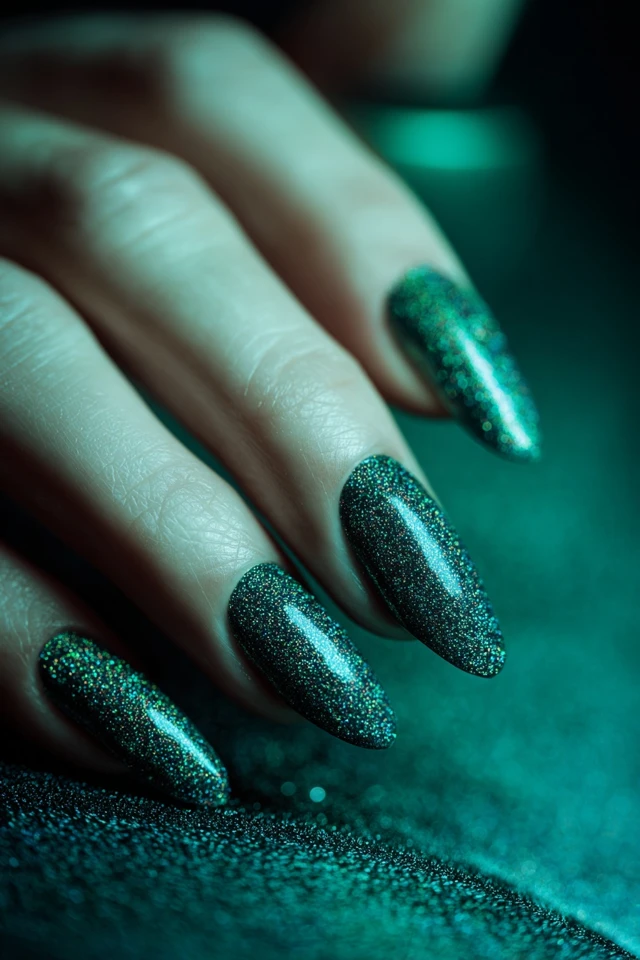
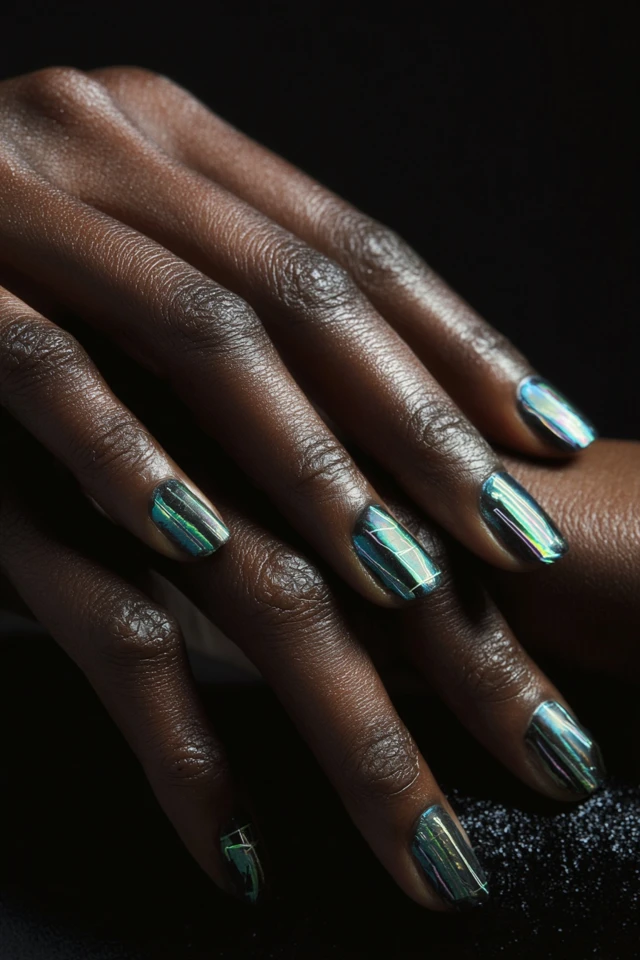
Magnetic polish and wraps create a shifting line of light that looks dimensional without adding any actual bulk. Cat-eye effects are the best known; see chic magnetic cat-eye nails for a closer look. For other shimmer-based finishes, try a holographic powder manicure or gold leaf foil nails.
Chrome and powder finishes work best over a smooth base, so take extra care with prep. Shifting color reads strongest under direct light and softer indoors, which suits an everyday look.
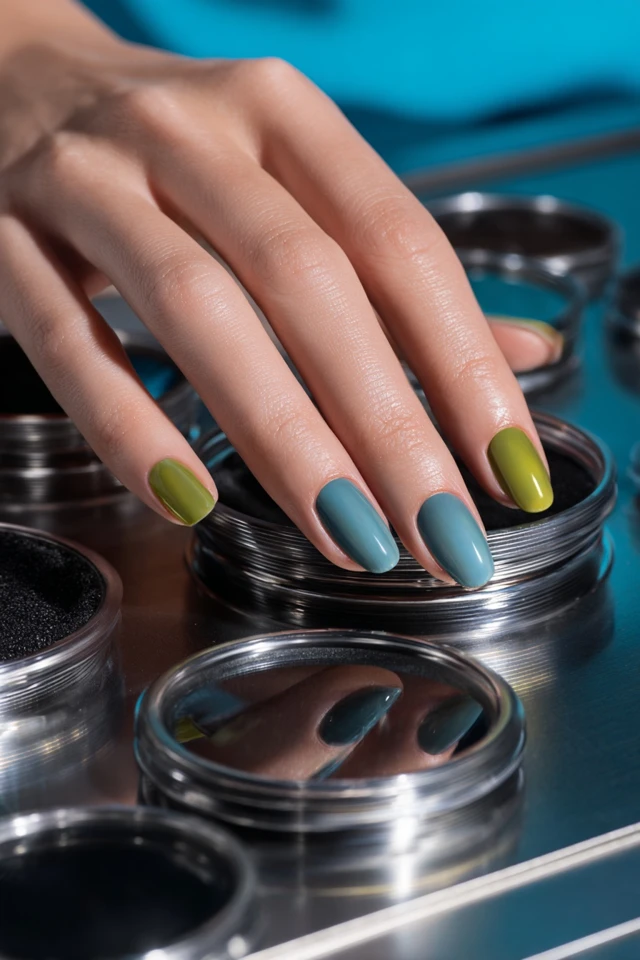
Soft textures: velvet, flocking and sweater nails
These finishes imitate fabric. Velvet and flocked nails have a fuzzy, light-absorbing surface that looks deep and soft. Sweater nails use raised, knit-like lines, often in neutral or winter tones. If you like fabric-inspired nails, see magnetic flocking velvet nails, velvet silk wrap nails and sweater texture nails.
Pair them with the matching clothing texture if you want a cohesive look, such as a velvet finish with a knit or wool coat, or contrast them with something smooth like silk.
3D nail designs: beads, pearls and rhinestones
Raised elements are the most visible way to add texture. Caviar beads, small pearls and rhinestones are usually placed on one or two nails and set in gel or builder gel. Because they stand up from the surface, they can catch on hair and fabric, so keep them away from the nail's free edge.
If you ask a technician for 3D work, bring a photo and say how much height you are comfortable with. Acrylic is often used for sculpted shapes, but filing the natural nail to help acrylic stick thins it and makes it weaker, according to the American Academy of Dermatology. For short nails, small flat-backed gems or a single textured nail give the effect with less weight.
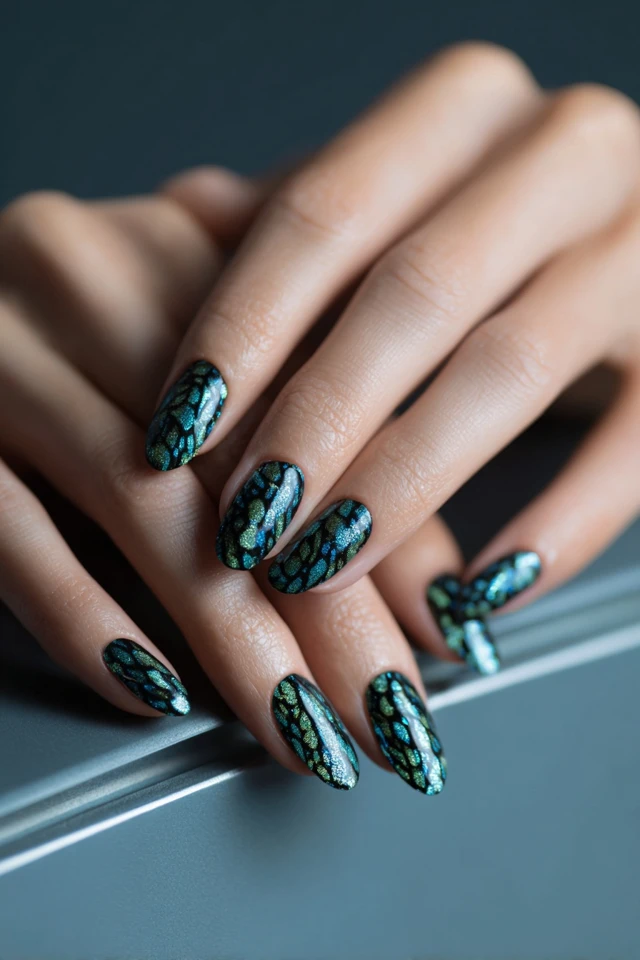
Texture without bulk
Heavy texture on every nail can feel clunky when you type, button a shirt or pick up small items. A few ways to keep it light:
- Limit raised detail to one or two nails.
- Use finish-based texture (matte, velvet, magnetic) on the rest.
- Keep nails short to medium so that beads and gems stay proportionate.
- Choose one texture per hand, then repeat the color on the other nails.
For a wearable result, I'd keep color simple and let texture do the work: a single tone in two finishes reads polished rather than busy.
Care and removal
Textured manicures take longer to remove, and removal is where nails usually get damaged. Dermatologist Shari Lipner, MD, PhD, FAAD, says acetone is the most effective way to remove gel polish at home. Cracking and peeling are the most common problems when gel is removed carelessly, according to Cleveland Clinic.
Do not pick or peel off beads or gel. Soak off properly, then look at your nails afterward. As Chris Adigun, MD, FAAD, puts it, "Looking closely at your nails after removing the color helps you spot a problem early." If you notice ongoing ridges, pitting or changes in color, check with a dermatologist.
Frequently asked questions
How do you do textured nails?
Prep and color the nails, add the texture layer such as matte top coat, magnetic pigment, beads or flocking powder, then seal or cure it as the product directs. Begin with a matte top coat or one accent nail.
How do I stop ridges on my fingernails?
Ridges can have several causes, so a dermatologist is the right person to ask. Meanwhile, a smooth glossy top coat or ridge-filling base coat can make them less visible.
Are textured nails good for short nails?
Yes. Finish-based textures like matte, velvet or magnetic effects suit short nails, and a few tiny gems on one nail add dimension without weight.
Filed under Nail Design