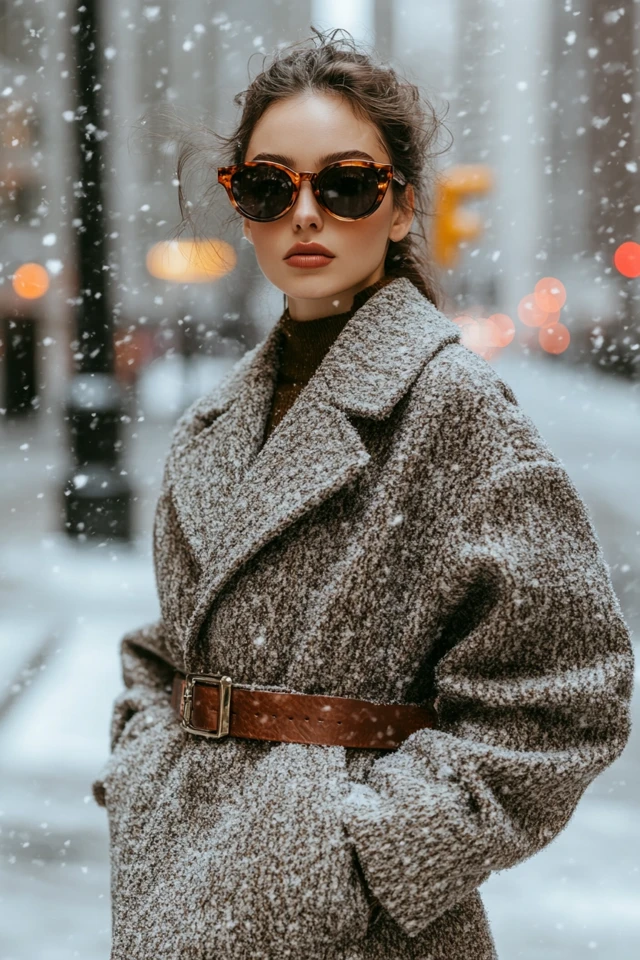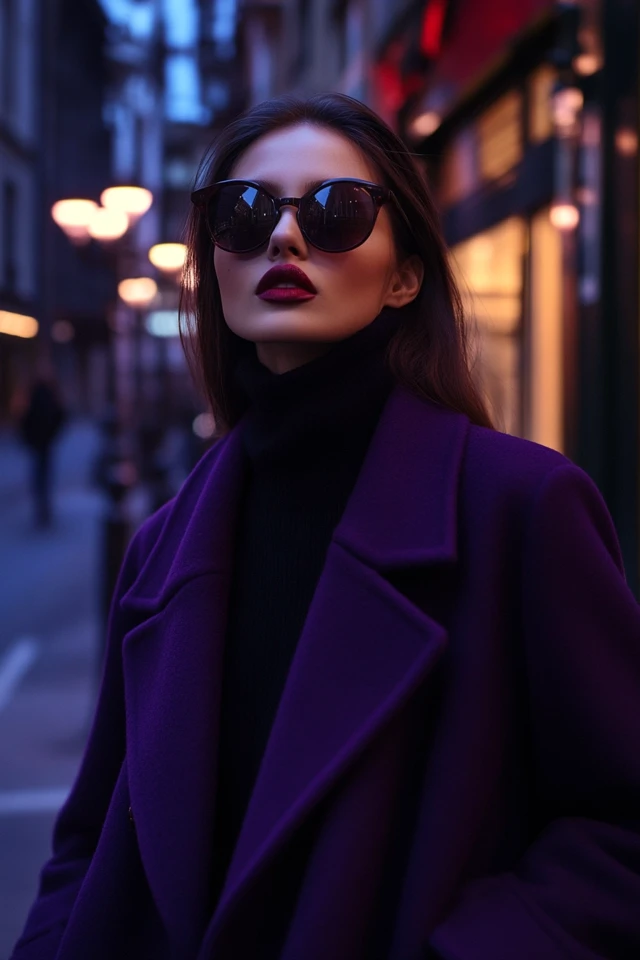
Wool and Cashmere Coats in Jewel Tones for Fall Evenings
- Words by
- Julio Arco
- Published
- Reading
- 5 min
Wool and cashmere coats are a good choice for fall evenings: the wool gives structure and durability, the cashmere adds softness and a little extra warmth. In a jewel tone such as emerald, sapphire, ruby or amethyst, one coat can carry a simple outfit all night.
Below: how the blend compares with plain wool, how warm it is, what to check before buying, which silhouettes work, and how to style and care for the coat.
Is wool and cashmere a good blend?
Yes, for most people it is the sweet spot. Wool is resilient and holds a shape, which matters in a coat. Cashmere is finer and softer against the skin, and it gives the cloth a smoother drape. Blended, you get a coat that feels luxurious without the fragility of a coat made entirely of cashmere.
The ratio changes the character. More wool usually means a firmer, more tailored coat. More cashmere means a softer, more fluid one that can show wear sooner. Check the fiber label rather than the marketing name.
Is a cashmere coat better than a wool coat?
It depends on what you want from it. Cashmere feels softer and drapes more gracefully, so it suits a wrap or long evening coat. A good wool coat is usually tougher and holds a sharp lapel and shoulder line better, which suits double-breasted and tailored shapes.
A blend sits between the two. If you wear the coat often, over bags and seat belts, I would lean toward a wool-heavy blend. If it is mostly for dinners and events, a softer one is easy to justify.
How warm is a wool and cashmere coat?
Both fibers insulate well, and warmth depends as much on weight and construction as on fiber. A heavy, tightly woven cloth with a full lining will be warmer than a light, loose weave, whatever the label says. Fall evenings are rarely extreme, so a mid-weight coat over a knit is usually enough.
For colder nights, layer underneath instead of buying a bulkier coat. Texas A&M's Howdy Health advises that the layer closest to your skin should be made of moisture wicking materials, and it recommends avoiding cotton because it holds moisture against the skin. That advice is written for cold-weather exercise, but the layering logic carries over to a long evening outdoors.
Which jewel tone should you pick?
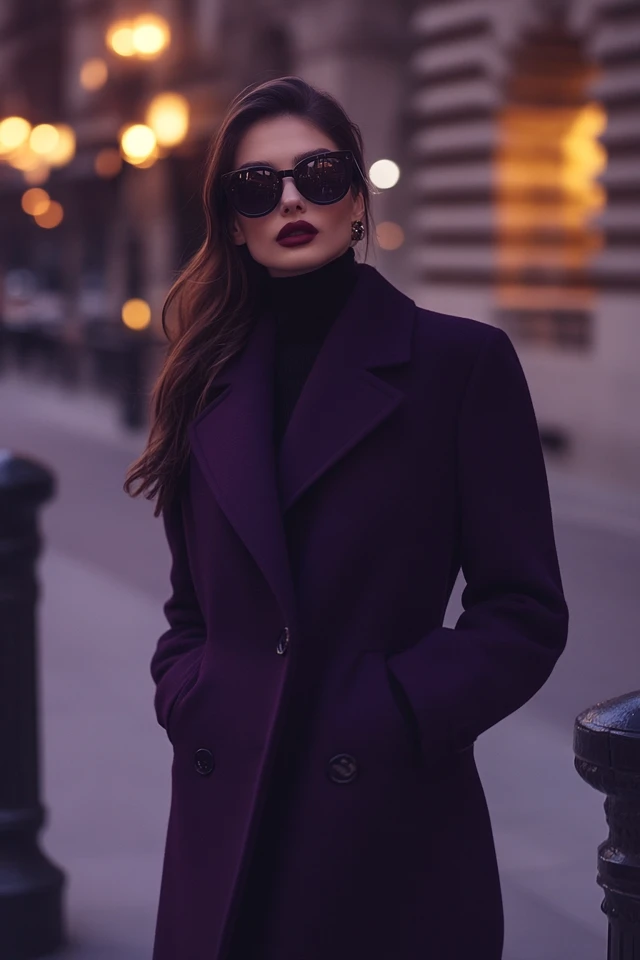
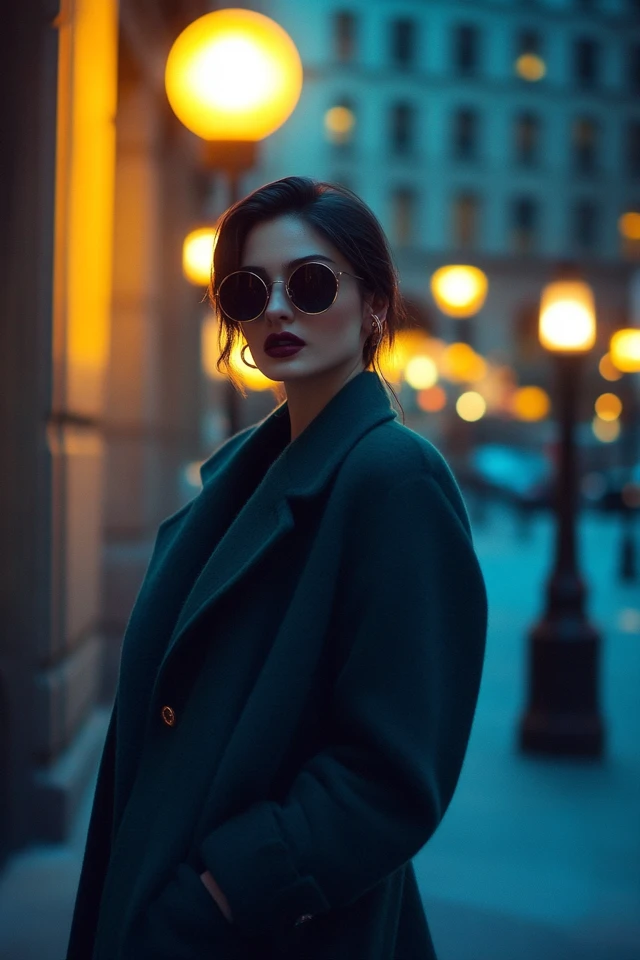
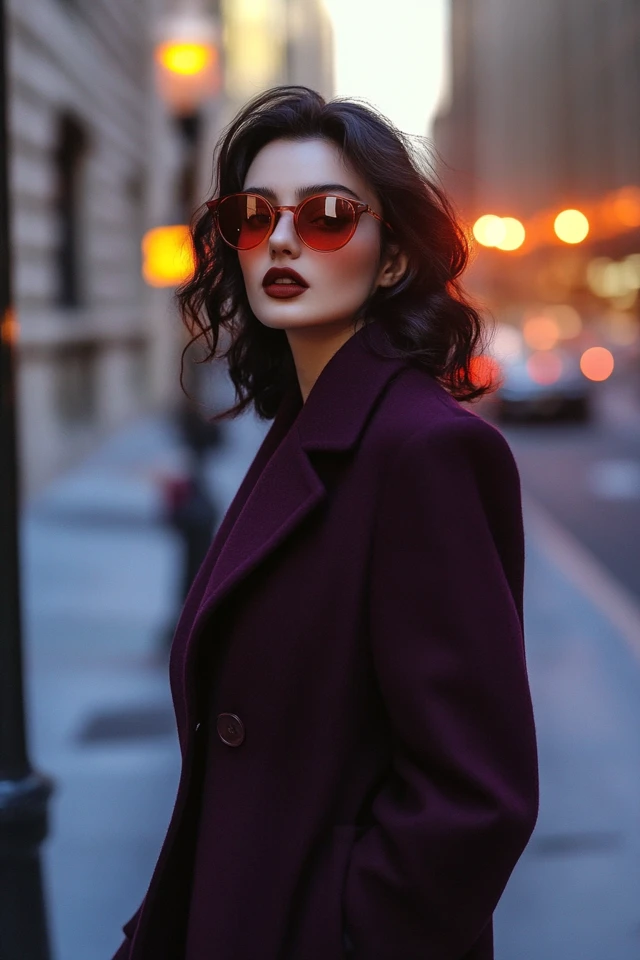
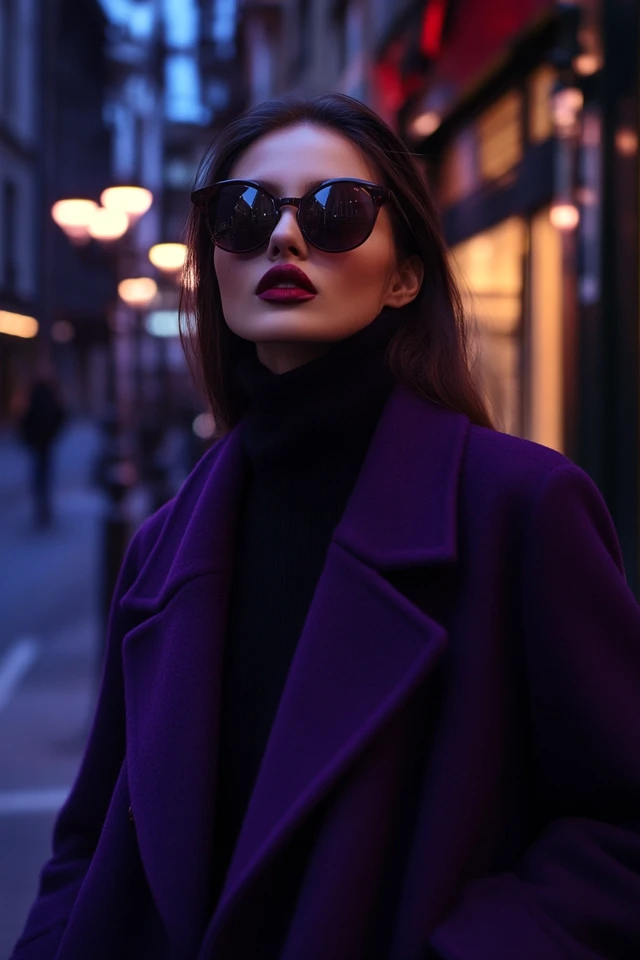
Start with the colors you already wear. Emerald and sapphire pair easily with black, navy, gray and camel. Ruby works well with charcoal and cream. Amethyst is the most unexpected and looks good over dark neutrals.
Through the lens of evidence-based design, I'd also look at texture before hue. A brushed, matte surface makes a saturated color look softer and deeper, while a smooth, tight weave reflects more light and makes the same color look brighter. Hold the coat near your face in daylight and see which one you prefer.
The old advice to match jewel tones to warm or cool undertones is a starting point, not a rule. Trust the mirror. If the color makes your face look tired, try a deeper or lighter shade of the same family.
Which coat styles work best for evening?
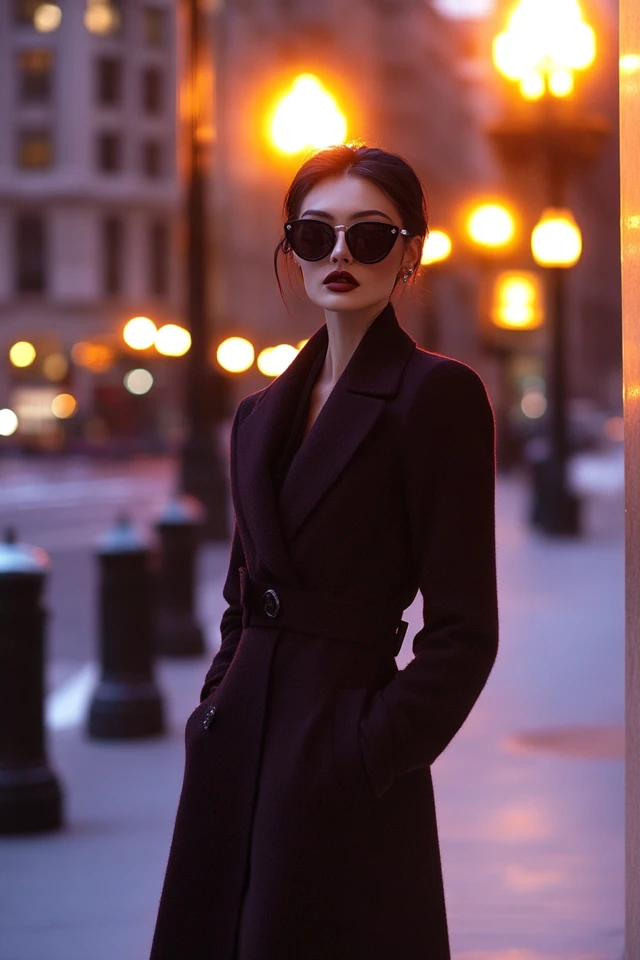
Double-breasted
Structured and polished. It works over a midi dress or tailored trousers and holds its shape in a wool-heavy blend.
Wrap coat
A belted waist and soft drape flatter many shapes, and cashmere-rich cloth makes the fall of the fabric particularly smooth. It looks good over wide-leg trousers and a fine knit.
Long coat
A wool and cashmere long coat that reaches mid-calf or below covers a gown or jumpsuit completely and lengthens the line of the body. Check that the hem clears your shoes enough to walk and climb stairs comfortably.
Double-face
A double-face wool cashmere coat is woven as two layers joined together, so it needs little or no lining and the edges can be finished without a hem. The seams look clean, and the inside is as tidy as the outside. It tends to hang softly, which is nice in a long wrap shape.
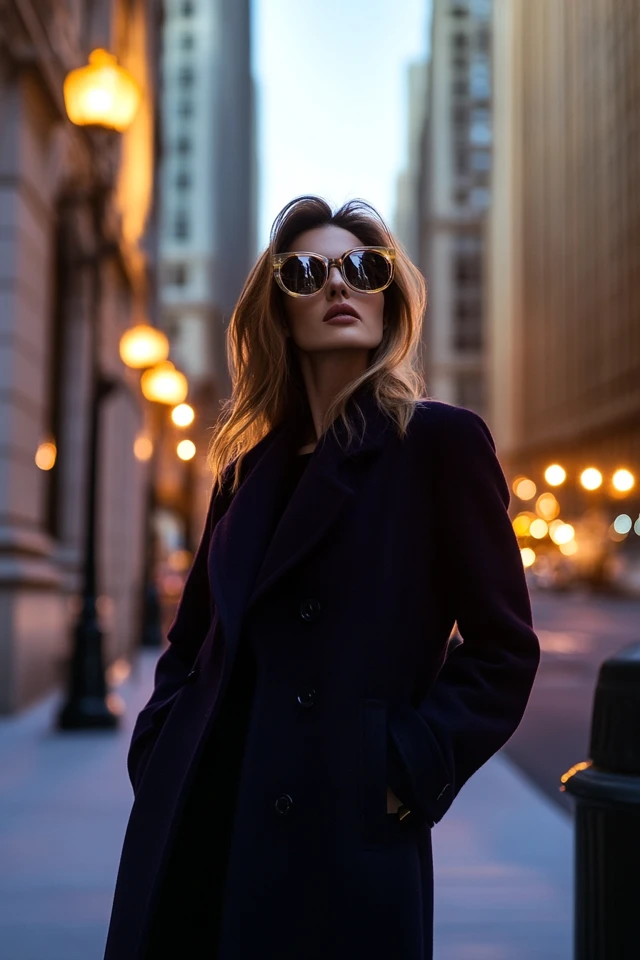
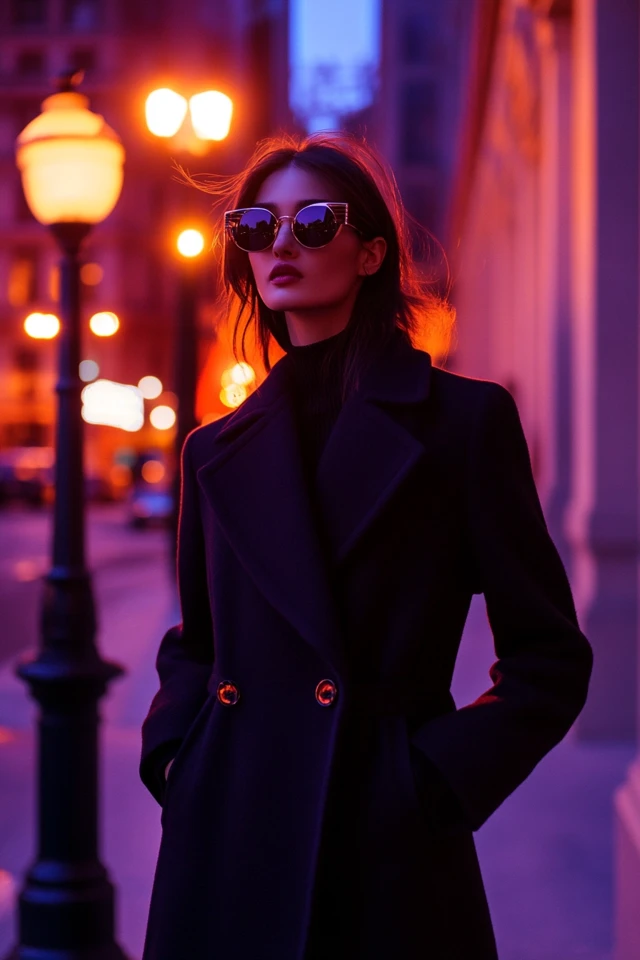
Oversized and cape
Both give a relaxed, dramatic outline. Keep what is underneath slim, such as a slip dress or fitted knit, so the proportions stay balanced.
How to style a jewel-toned coat after dark
- Sapphire coat, black midi dress, pointed pumps, silver clutch: a formal dinner or the theater.
- Ruby wrap coat, wide-leg trousers, fitted turtleneck, block-heeled boots: an outdoor evening where you want to stay warm.
- Emerald oversized coat over a neutral slip dress with strappy heels: an entrance outfit with a contrast of textures.
- Short amethyst coat, high-waisted jeans, knit and heeled boots: a casual dinner.
Keep jewelry and bags neutral or metallic so the coat stays the focal point. If you want to mix jewel tones within one outfit, see how to mix jewel tones in evening gowns, and for more color ideas try fall color trends with jewel tones.
What to look for in quality, and what a cashmere coat should cost
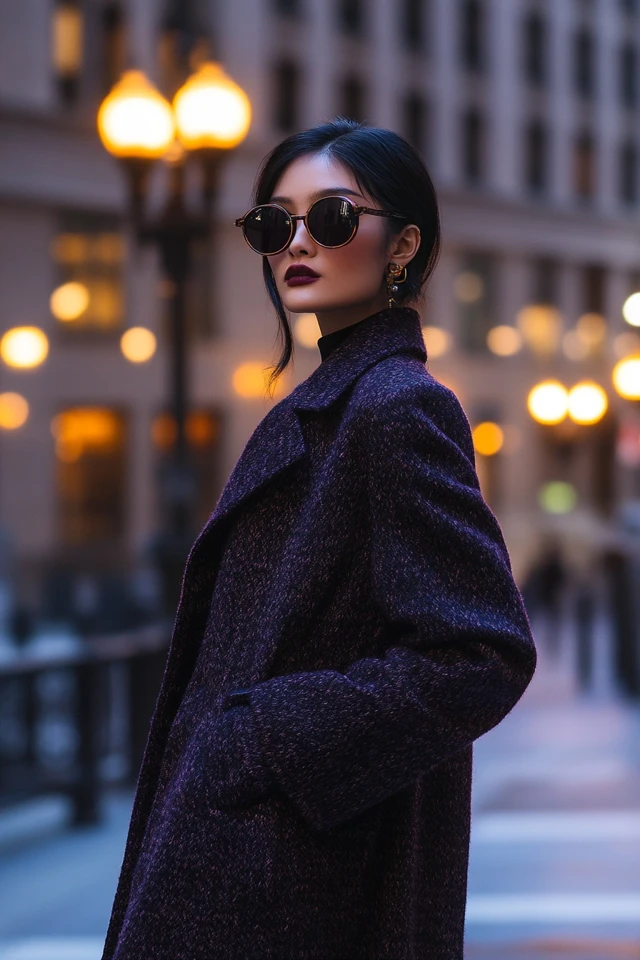
Price varies too widely by brand, weight and cashmere content for one number to be reliable, so judge value by construction instead:
- The fiber label states the percentages, and the cashmere share is clear.
- The cloth springs back when you squeeze it and does not feel thin or flimsy.
- Seams are even, buttonholes are neatly stitched, and the lining does not pull.
- Shoulders sit at your shoulder edge, and you can move your arms with a sweater underneath.
- A very low price for a high cashmere claim deserves skepticism.
A fuller look at fabric ratios is in how to combine wool and cashmere for luxe winter coats. If you lean toward a sharper shape, see sculpted wool coats.
How to care for the coat
- Brush it with a soft garment brush to lift lint and dust.
- Treat spills quickly and avoid heat on a stain. The University of Georgia Extension notes that stains set by heat will be difficult to remove, and it warns that ammonia damages silk and wool.
- Hang the coat on a wide, sturdy hanger in a cool, dry place.
- Have it professionally cleaned at the end of the season, and check the care label first.
For other warm options, warm wool coats for winter covers heavier weights.
Frequently asked questions
Can I wear a jewel-toned coat during the day?
Yes. Pair it with jeans, boots and a plain knit, and let the color do the work. The same coat then looks casual in daylight and dressy at night.
Is a wool and cashmere coat suitable for very cold weather?
It can be, if the cloth is heavy and the coat is fully lined. For harsher climates, add warm layers underneath instead of relying on the coat alone.
Can I wear a jewel-toned coat over patterned outfits?
Yes, if the pattern is subtle and shares a color with the coat. A small check or fine stripe works better than a loud print.
How much should a cashmere coat cost?
There is no fixed figure, since price depends on brand, cloth weight and cashmere percentage. Compare the fiber label and construction rather than the price tag alone.
Filed under Seasonal Trends