Long Textured Haircut Movement
- Words by
- Julio Arco
- Published
- Reading
- 5 min
The best long layered cut depends on your hair. Fine hair usually does well with long, subtle layers that keep the ends full. Thick hair can take shorter, more visible layers that remove bulk. Wavy and curly hair needs layers cut to follow the curl pattern.
Below are the main styles, what each does for movement and shape, and how to describe what you want so the cut you get is the cut you pictured.
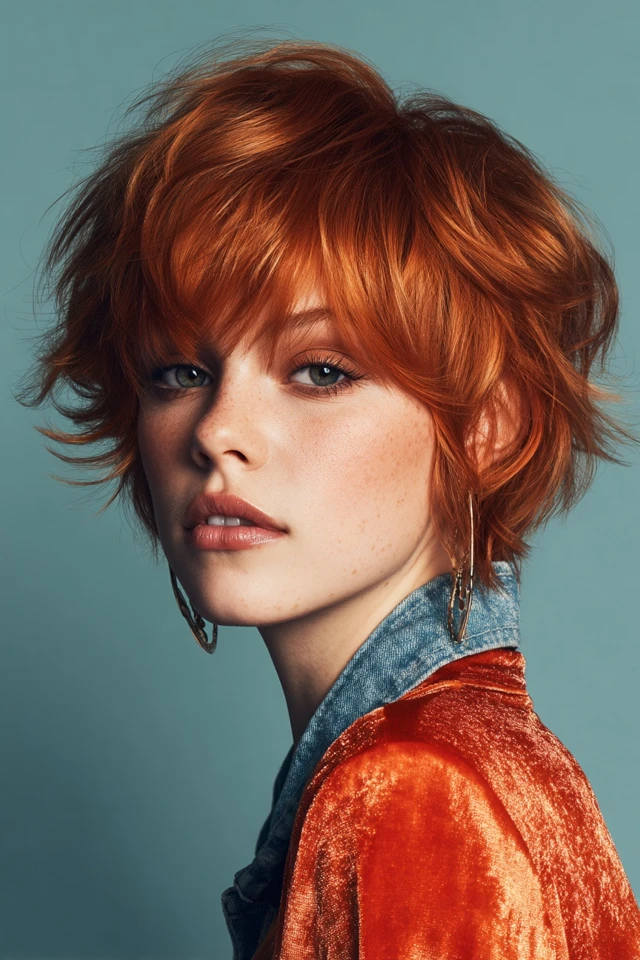
What do layers actually do to long hair?
Layers are sections cut at different lengths so the hair does not fall as one solid block. Shorter pieces sit on top and longer ones underneath. That creates lift at the crown, softer edges and visible movement when you walk or turn your head.
The trade-off is density at the ends. The more layers you add, the lighter and wispier the bottom can look. That is why the same cut can feel perfect on thick hair and a little thin on fine hair.
Face-framing layers for long hair
These are the shortest layers, starting around the cheekbones or chin and blending into the length. They soften the sides of the face and add movement exactly where the eye lands first.
Through the lens of evidence-based design, I'd treat the face as the focal point of any hairstyle. Pieces that skim the cheekbone or jaw draw attention there, so choose the starting point deliberately. Shorter framing pieces highlight the cheekbones, while ones starting at the chin lengthen the face a little.
They are also a gentle option if you are not ready for a big change. You keep your length and add shape only at the front. For a related, even softer approach, see long invisible layers.
Long layered haircuts with curtain bangs
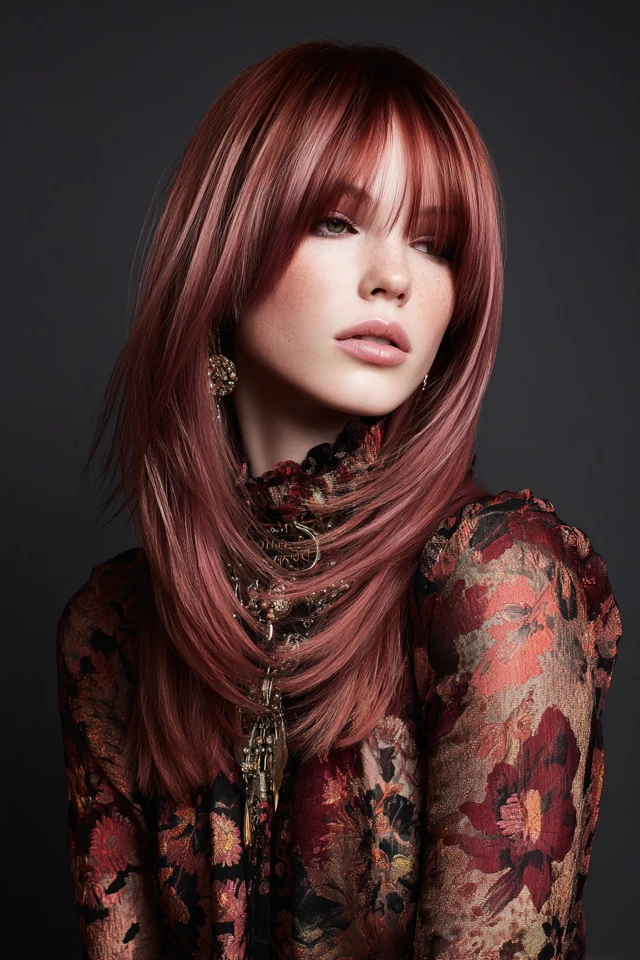
Curtain bangs part in the middle and sweep to each side, blending into face-framing layers. They grow out more gracefully than blunt bangs, which is why they pair so easily with long layers.
Ask for them longer than you think you want, since they shorten as they dry and as you style them. If you want to compare bang styles, this look at textured fringe covers the options. Skip bangs if your hairline has a strong cowlick at the front, or be ready to blow-dry them each morning.
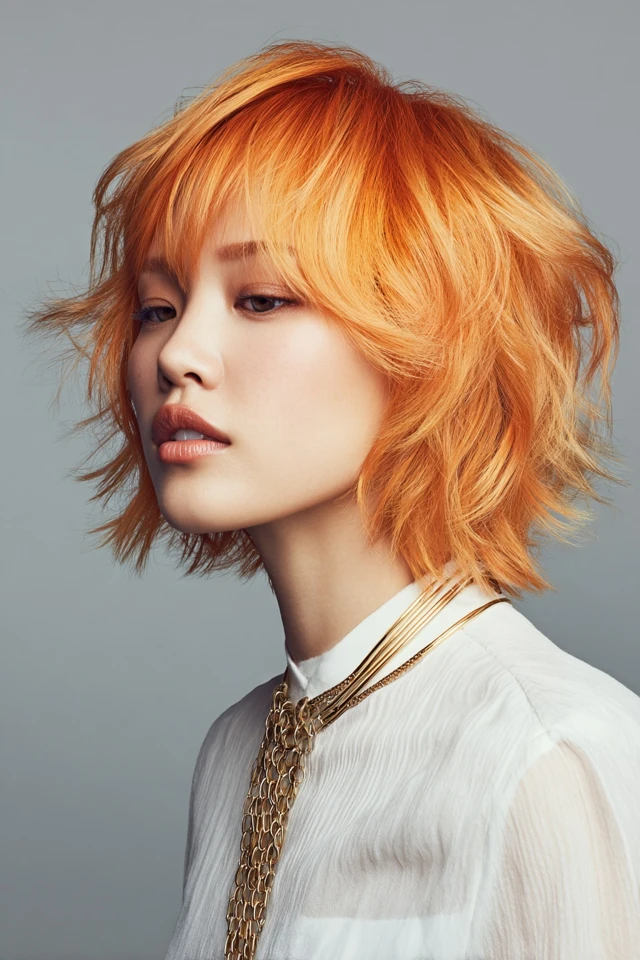
Long layered haircuts for thin hair
With fine hair, keep layers long and few. Two or three soft layers starting below the chin add movement without stealing weight from the ends. A blunt perimeter makes the bottom look thicker.
Heavy, choppy layers can make thin hair look stringy, so avoid them. Texturizing spray or a light mousse gives the layers some grip. If you like the look of a flat-iron finish, the American Academy of Dermatology advises using flat irons on dry hair at a low or medium setting, no more often than every other day.
Long layered haircuts for thick hair
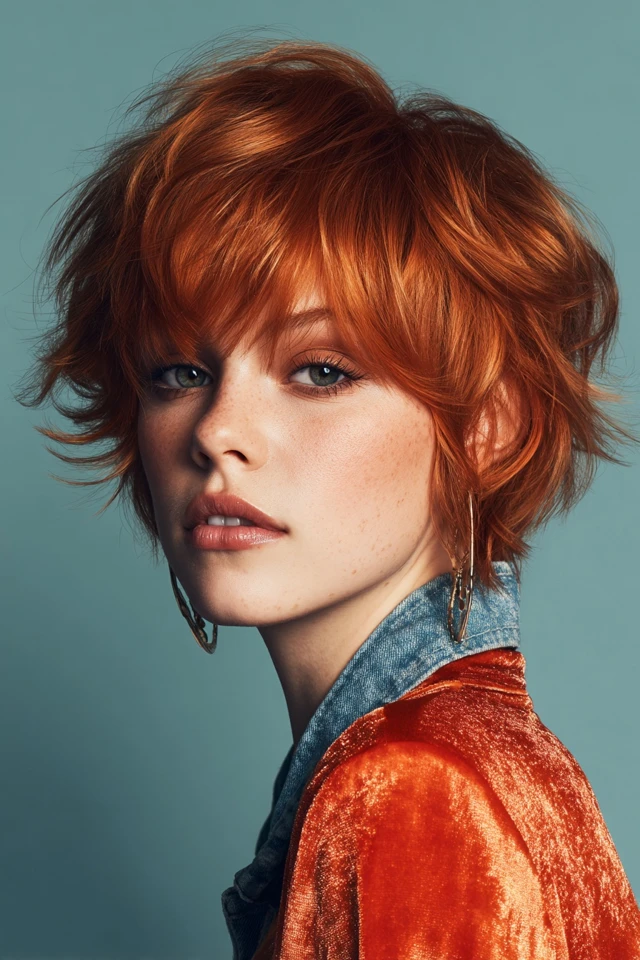
Thick hair is where layers do the most work. Removing bulk from the mid-lengths helps the cut move and keeps it from triangle-shaping into a wide base. Longer layers through the back and shorter ones near the face usually give the best balance.
Ask your stylist to remove weight inside the layers rather than only cutting length. Thick or dry hair also tends to want a gentler washing schedule: the AAD notes that if hair is dry, textured, curly, or thick, you can shampoo at least once every 2 to 3 weeks as needed.
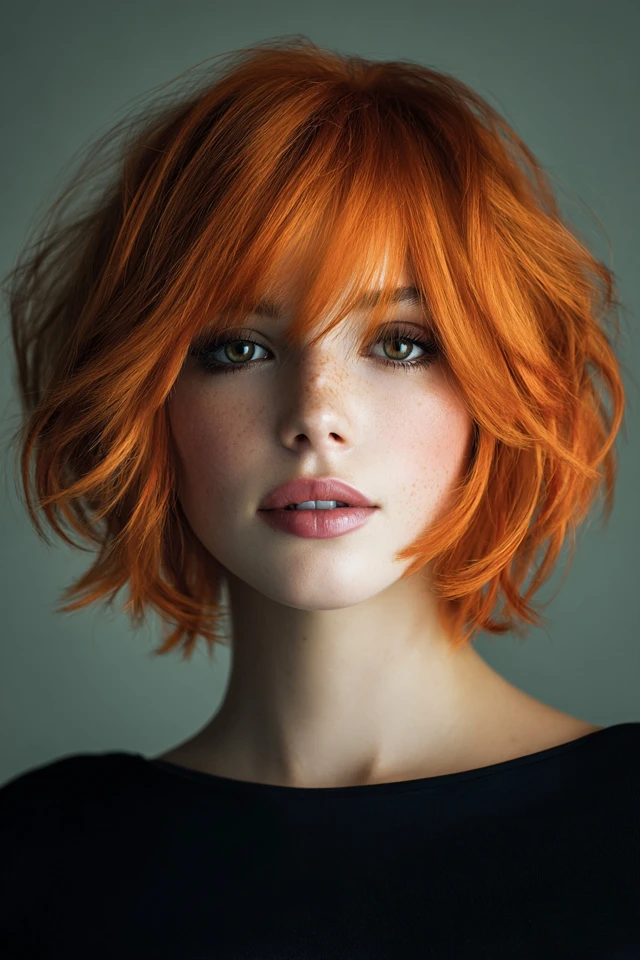
Straight, wavy and curly layers
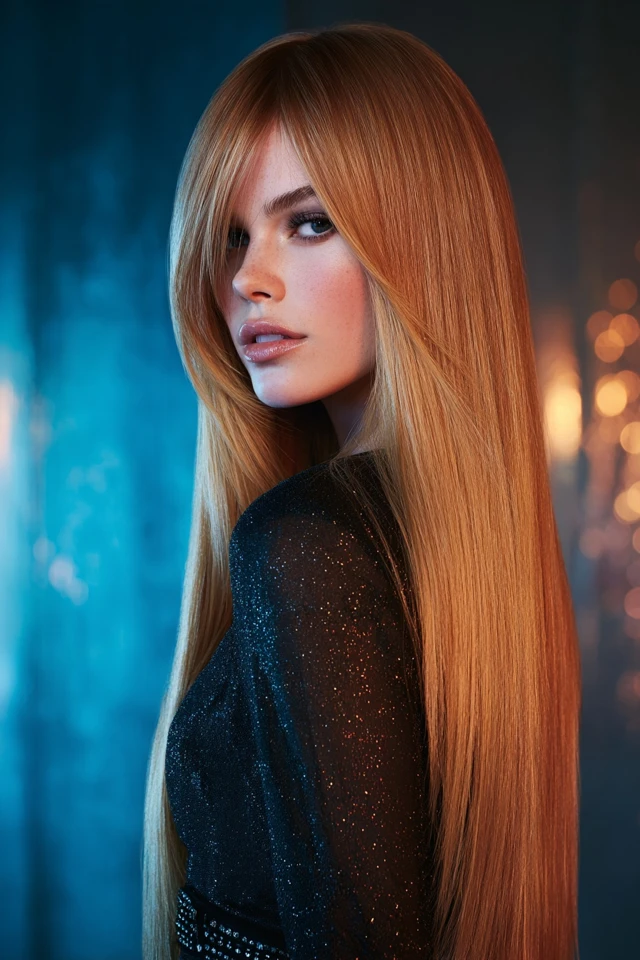
Layer cut for long hair, straight
Straight hair shows every line, so layers are very visible. A soft, blended layering looks natural. A V-shaped back is a classic option, and a long V-shape cut is worth a look if you want the length to read longer.
Waves and curls
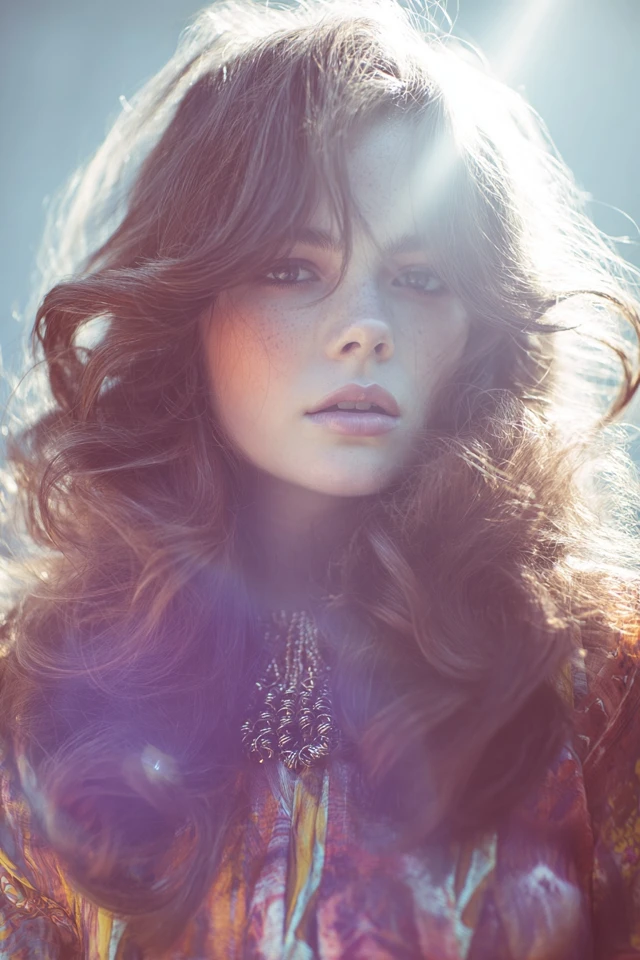
Curl shrinks when it dries, so layers look shorter than they did wet. Cutting them a bit longer gives you room. Waves often look best with layers that start low, since too many short pieces can create a triangle shape.
For wet detangling, the AAD recommends a wide-tooth comb rather than a brush, because hair is delicate when wet. That matters most with layered, curly lengths, which tangle more easily.
How to ask your stylist for layers
- Bring two or three photos, ideally of hair similar to yours in thickness and curl.
- Say where the shortest layer should land: cheekbone, chin or collarbone.
- Tell them how much length you can give up, in inches.
- Describe how you style it. If you air-dry, say so, and see long air-dry cuts for how that shapes the cut.
- Ask how often it needs a trim. Most layered cuts keep their shape well with trims every couple of months.
If your day-to-day routine involves a blow-dryer, a long blowout cut is a good reference point.
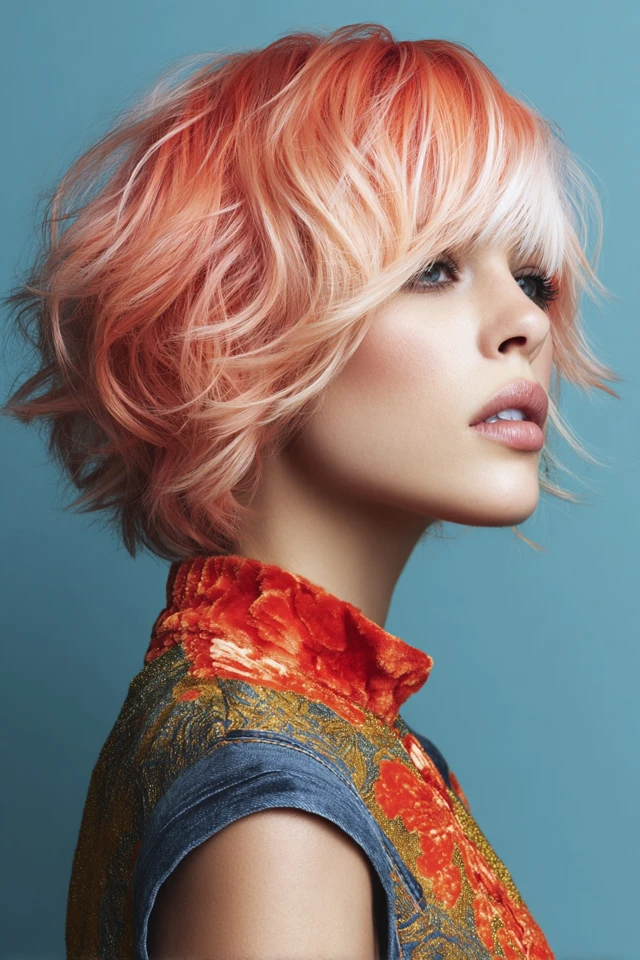
Do layers make you look younger?
Layers do not change age, but they change what the eye reads. Movement, lift at the crown and softness around the face tend to look lighter than one heavy, flat length. Blunt, one-length hair can look severe on some people and sleek on others, so it comes down to preference.
Keeping layers healthy
Healthy ends make layers look better. Dermatologist Zoe D. Draelos, MD, FAAD, says of leave-in conditioner: "You should see less frizz. Your hair should be easier to brush or comb, so you'll have less breakage."
That is useful with layers, where the shorter pieces can frizz. Check with a dermatologist or your stylist if you notice breakage or scalp problems. Comparing lengths? The shoulder-length textured cut and the collarbone-length version are shorter alternatives.
Frequently asked questions
Which layer cut is best for long hair?
Long, soft layers with face-framing pieces suit most hair types. Fine hair does best with fewer layers, and thick hair can handle more.
Do layers make you look older or younger?
Layers do not change your age, but lift and movement around the face usually read as lighter than one heavy, flat length. The effect depends on how the layers are placed.
How often should I trim long layers?
Most layered cuts keep their shape with a trim every couple of months. Your stylist can advise based on how fast your hair grows and how many layers you have.
Filed under Haircuts