Personal Style Capsule Wardrobe Built Around Dresses
- Words by
- Julio Arco
- Published
- Reading
- 6 min
A dress-based capsule wardrobe works best with about 5-10 dresses in different silhouettes, a palette of two or three base colors, and a few layers and shoes that change each dress's mood. Each dress is a complete outfit, so the closet stays small without limiting your options.
This approach suits capsule wardrobe for women who like one-step dressing, travel light, or want fewer decisions in the morning. Below is how to choose the dresses, the colors, the fabrics and the layers.
Why build a capsule wardrobe around dresses?
A dress skips the matching step. You add shoes and perhaps a layer, and the outfit is done. That makes a dress capsule easy to maintain, and it takes less hanger space than the same number of tops and bottoms.
Dresses also stretch across seasons. Worn alone in summer, they take tights, boots and a coat in winter, and a midi can go from office to weekend with a change of shoes.
How many dresses do you need?
Start with 5-10. Fewer than five leaves gaps for formal or hot days. More than ten and you are probably duplicating silhouettes, which defeats the point of a capsule.
Use this as a quick capsule wardrobe checklist:
- One everyday dress you can wear with sneakers (a T-shirt or shirt dress).
- One work-friendly dress with a clean line, such as a shift or a sheath.
- One wrap or fit-and-flare dress that can go to dinner.
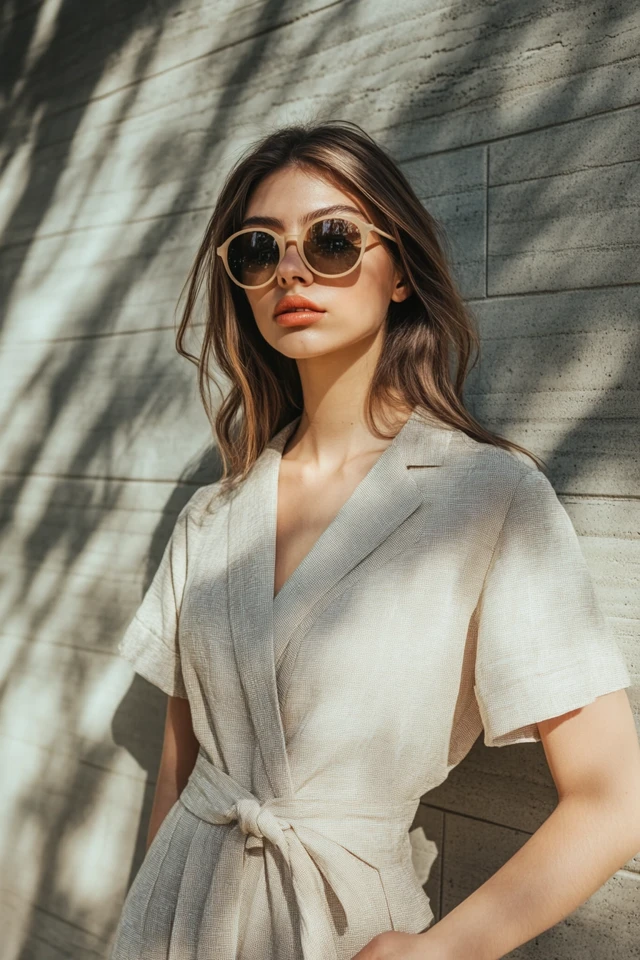
- One warm-weather dress in linen or light cotton.
- One cold-weather dress in knit or a wool blend.
- One statement dress in a color or print you love.
Those six already cover most occasions. Add a seventh to a tenth only if your calendar demands it, for instance a long dress for weddings or travel.
How to find your personal style before you buy
If you are wondering how to find your personal style, look at what you already reach for. Pull out the five dresses you wear most and note what they share: neckline, length, fabric, how the waist sits. That pattern is more reliable than a mood board.
Then check your lifestyle. A desk job, a lot of walking and a toddler on your hip each argue for different hems and fabrics. A dress you love but cannot move in will stay on the hanger.
As an architect trained in evidence-based design, I'd treat the neckline and the waist as the first things the eye reads on a dress. If those two details feel right on you, the rest is easy to adjust with layers.
If you want a wider approach to curating by taste, see how to build a capsule wardrobe with pieces you love.
Which dress silhouettes should you choose?
Pick shapes that feel good when you walk, sit and lift your arms. Fit is a matter of the garment matching you, not the other way around.
- Wrap dresses close with a tie, so the waist can be adjusted. They suit casual and dressy settings.
- A-line and fit-and-flare dresses have a fitted bodice and a skirt that flares, which defines the waist and gives movement.
- Shift dresses hang straight and relaxed, a good base for office days and for layering.
- Maxi dresses give length and drama and work for travel and warm evenings.
- T-shirt dresses are the easiest daily option, and pair with sneakers or sandals.
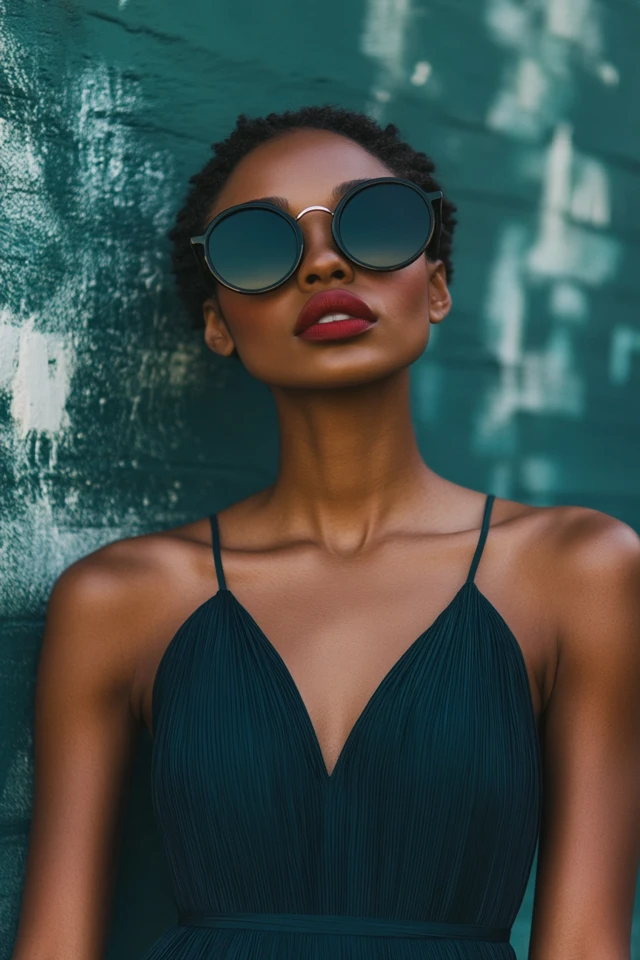
Choose three or four of these rather than all of them. Variety in length (one mini or knee-length, one midi, one maxi) helps more than variety in cut.
How to choose a color palette for a dress capsule
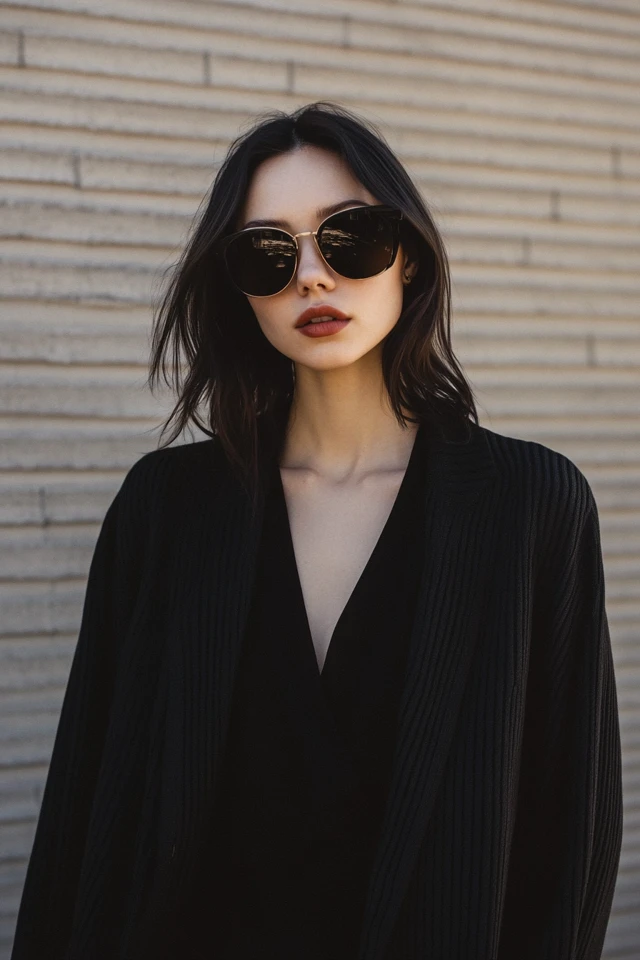
To choose a color palette for capsule wardrobe pieces, start with two or three base colors that sit well with your skin and with the shoes and coats you already own. Black, navy, beige and white are the usual anchors because almost everything pairs with them. For a deeper look, see building around neutral tones or classic black pieces.
Add one or two accent colors, such as burgundy, forest green or cobalt, that go with your base shades. A single bold dress gives you a celebration option without taking over the closet.
Prints are fine when they stay quiet: stripes, small dots or a modest floral. A black dress with a small floral print reads as nearly neutral from a distance, so it pairs with the same shoes and jackets as a plain one.
Which fabrics work across seasons?
Texture changes how a color reads. A matte knit and a glossy satin in the same navy look like two different colors, because the surface changes how light reaches the eye. Through the lens of evidence-based design, I'd pick the softer, matte weave for everyday dresses and keep satin for one dressier piece.
- Warm weather: linen, lightweight cotton and breathable jersey.
- Cold weather: knits and wool blends, worn with tights or a thermal layer underneath.
- Year-round: a mid-weight jersey or crepe that does not wrinkle badly and drapes well.

Classic dresses and trend pieces: how to balance them
A classic style capsule wardrobe usually holds a little black dress, a wrap dress, a neutral midi, a denim shirt dress and a floral A-line. These are the capsule wardrobe essentials for dresses, and they stay wearable for years.
Trend details like puff sleeves, cut-outs, tiers or a satin slip can fill the one or two open slots. A slip dress is a good test: it works over a turtleneck with boots in winter and alone with sandals in summer. If a trend piece cannot be worn at least two ways with what you own, skip it.
How do you style and layer dresses through the year?
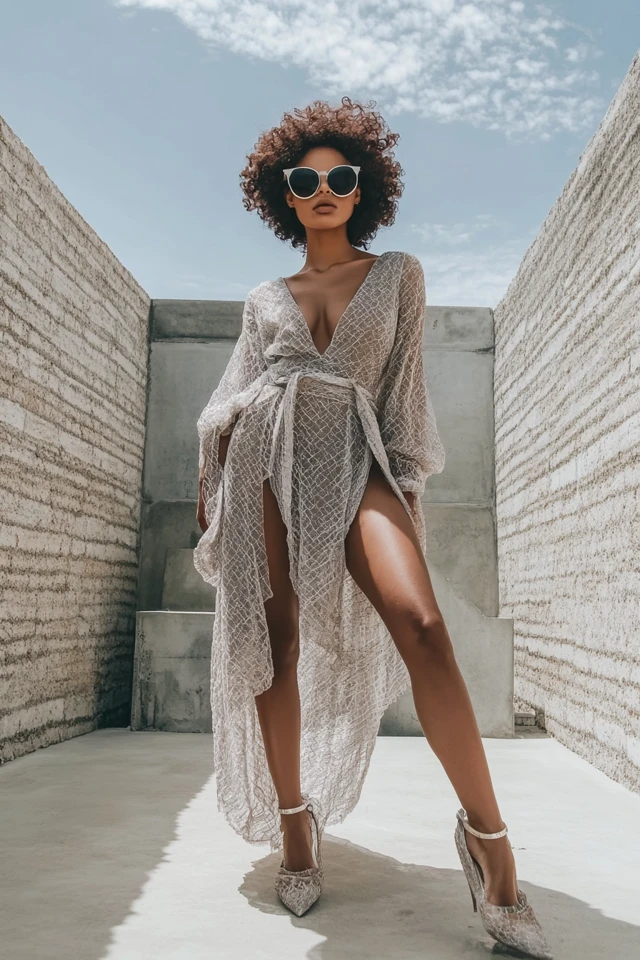
- Add tights, knee-high or ankle boots and a coat for winter, and a light cardigan for spring evenings.
- Swap belts, scarves and jewelry to shift a dress from office to evening.
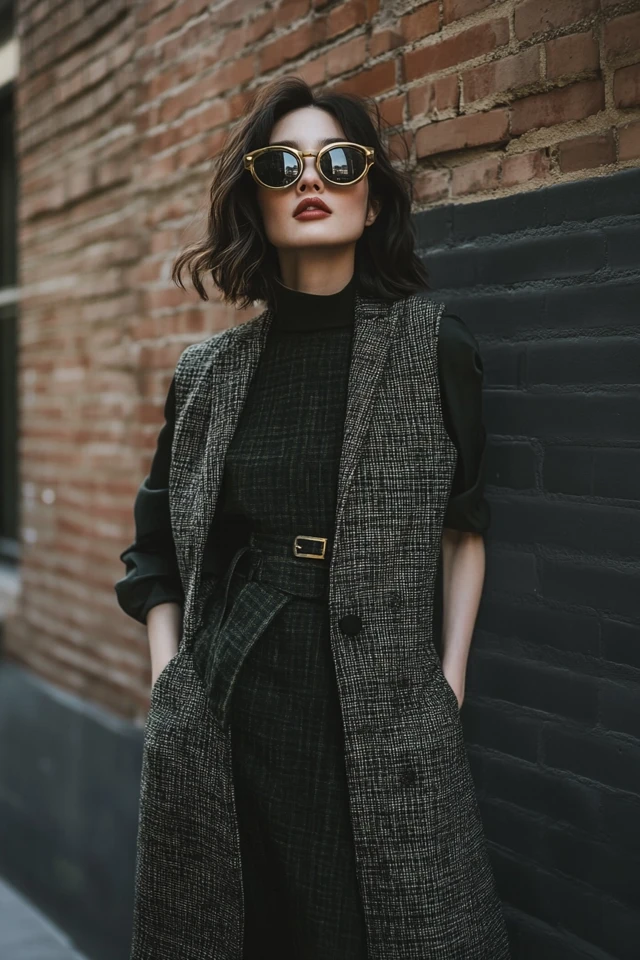
- Wear a sleeveless dress over a fitted turtleneck or long-sleeve top.
- Add a denim jacket, blazer or trench for structure.
- Change shoes: sneakers for casual, boots for an edgier look, heels for night.

Belting a loose shirt dress or maxi creates a more tailored line and gives you a second look from the same piece. For layering ideas beyond dresses, see building a capsule for layered looks, and for seasons in between, transitional pieces.
How do you decide what to keep and what to let go?
Before you buy anything new, edit what you have. MSU Extension instructor Jasmine Harris-Speight suggests asking, as quoted by Mississippi State University Extension: "When deciding what to keep, ask yourself: Does this item hold a sentimental place in my heart? Will I miss this item if I get rid of it?"
Dresses you no longer wear are worth passing on rather than binning. The EPA estimates that the recycling rate for all textiles was 14.7 percent in 2018, so resale, donation or swaps are worth the effort.

Once the closet is edited, rotate by season: keep the current season's dresses in front and fold or bag the rest. If your goal is fewer morning decisions, this guide to a time-saving capsule pairs well with a dress-based plan.
Frequently asked questions
How many dresses should I include in a capsule wardrobe?
About 5-10 dresses is a workable range. Cover everyday, work, dinner, hot-weather and cold-weather needs first, then add a statement piece.
Can I include printed dresses in a capsule wardrobe?
Yes. Quiet prints such as stripes, small dots or a modest floral pair easily with the rest of your pieces. Keep to one or two so the palette stays cohesive.
How can I make dresses work for colder weather?
Layer them with tights, a fitted long-sleeve top underneath, boots and a coat. Dresses in knit or wool blends are warmer to start with.
How do I dress down a formal dress?
Swap heels for white sneakers or flat boots and add a denim jacket or casual knit. Fewer accessories also relax the look.
Filed under Capsule Wardrobe