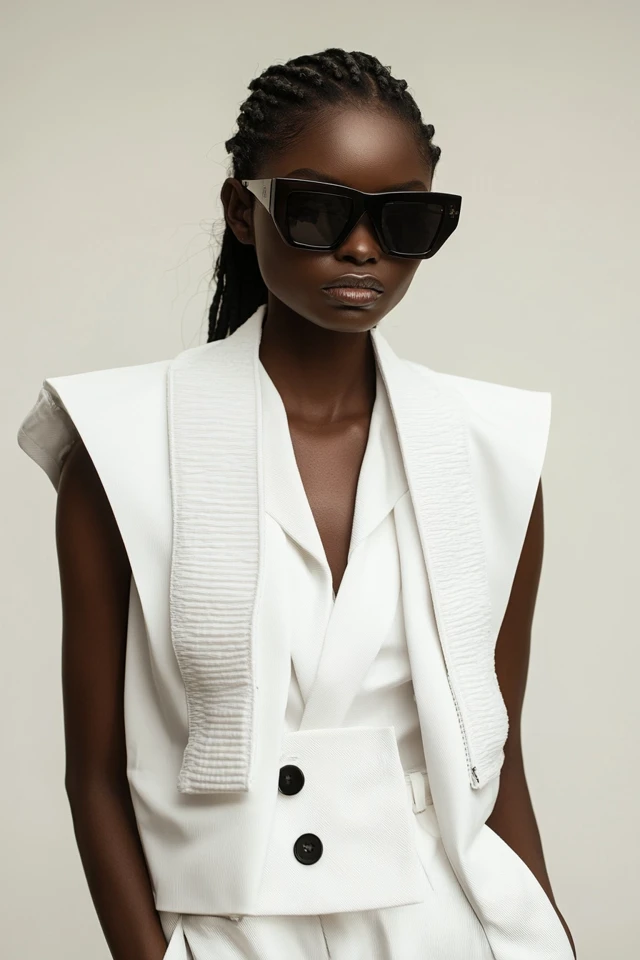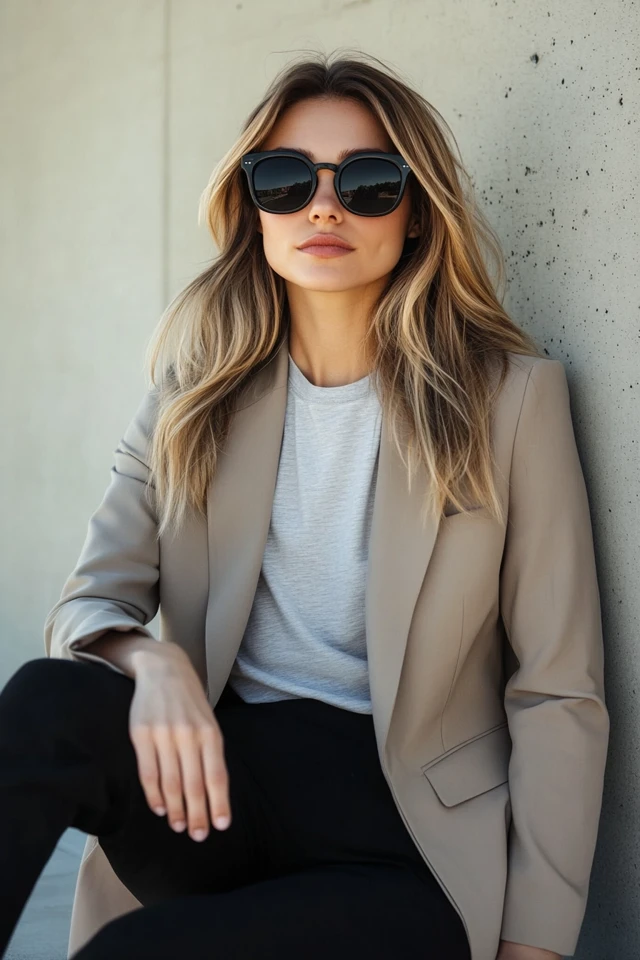
Year Round Capsule Wardrobe: Build It on Basics
- Words by
- Julio Arco
- Published
- Reading
- 5 min
A year round capsule wardrobe starts with basics: a handful of well-fitted, neutral pieces that layer up in winter and strip down in summer. Get those right and every trendier piece you add has something to sit on.
If you want a quick starting point, begin with one white tee, one pair of dark jeans, one pair of black or navy trousers and one neutral sweater. Four pieces already make a lot of outfits.
Why do basics matter in a capsule wardrobe?
Basics are the pieces you reach for again and again. They are plain on purpose, so they support the rest of your closet instead of competing with it.
A black tee shows the idea. Worn with tailored trousers it reads office, tucked into jeans it reads weekend, and under a blazer it works for dinner. That range is what makes versatile shirts and other staples worth the money. They also cut down daily decisions, because most of what you own goes together.

Which neutral colors work best for basics?
Black, white, gray, beige, camel and navy are the usual base. They mix easily, so a small number of pieces gives you many combinations. Our guide to neutral tones in a functional capsule wardrobe goes deeper on pairing them.
- White looks fresh and crisp, and works in every season.
- Black is the strongest anchor for prints and bright pieces.
- Gray sits between warm and cool tones, which makes it a good layering color.
- Beige and camel are warm and soft next to skin, and pair with most colors.
- Navy is a softer alternative to black.
Through the lens of evidence-based design, I'd pick your neutrals by how they look next to your face, not by what a list says. A color that sits near your neckline changes how skin and eyes read, so hold a piece up in daylight before you commit.
You can add one non-neutral basic if it goes with most of your closet. A muted olive or a dusty blush works the same way a neutral does as long as it pairs with nearly everything else you own.

How do you choose basics that last?
Check the fit first
A basic should be neither tight nor loose. Look at the shoulder seam, sleeve length, neckline and hem. If a shirt pulls or gapes, that is a fit problem, not a you problem. A tailor can often fix sleeve length and hem on a piece that is otherwise right.
Look at fabric and construction
Dense knits, tightly woven cotton, merino wool and silk blends tend to hold shape better than thin, loosely made fabric. Cheap basics that stretch out after a few washes end up costing more because you replace them. Buy fewer and better where you wear a piece weekly.
Texture matters as much as color. I'd treat a matte knit and a glossy satin in the same navy as two different colors, because the surface changes how light reaches the eye. More on that in the role of textures in a balanced capsule wardrobe.
Pick shapes you will actually wear
Basics do not have to be boring. A scoop-neck tee, a boxy tee and a slouchy sweater with dropped shoulders are all basics. Choose the cut you reach for without thinking.


How do you make basics work in every season?
The trick to a capsule wardrobe for every season is layering, not owning four separate wardrobes. Fitted tanks and tees are the base in summer. Add a cardigan or blazer in spring and fall, and a turtleneck, sweater and coat in winter. A functional outerwear piece carries the heaviest load in the cold months.
Mind the layer next to your skin if you are active outdoors in the cold. Howdy Health at Texas A&M advises that the closest layer should be moisture-wicking and that you should avoid cotton, because it absorbs moisture and can keep it next to your skin. For everyday wear a cotton tee is fine, but for workouts or long cold walks a wicking base is the better choice.
Denim is the other piece that runs all year. See denim in a year round capsule wardrobe for how to wear it in each season.

Which basics bridge timeless and current styles?
Classic basics are a white button-down, a tailored black blazer, dark jeans, a neutral wool or cashmere sweater and a trench coat. You can nudge them toward the present with one or two updated shapes:
- A relaxed tee with a slightly boxy cut
- Wide-leg trousers in a neutral, which balance a fitted top
- A chunky knit in oatmeal or gray
- Clean white leather sneakers
- A pleated or slip midi skirt
Keep the color neutral and the fabric good, and an updated shape will still look right when the trend moves on.
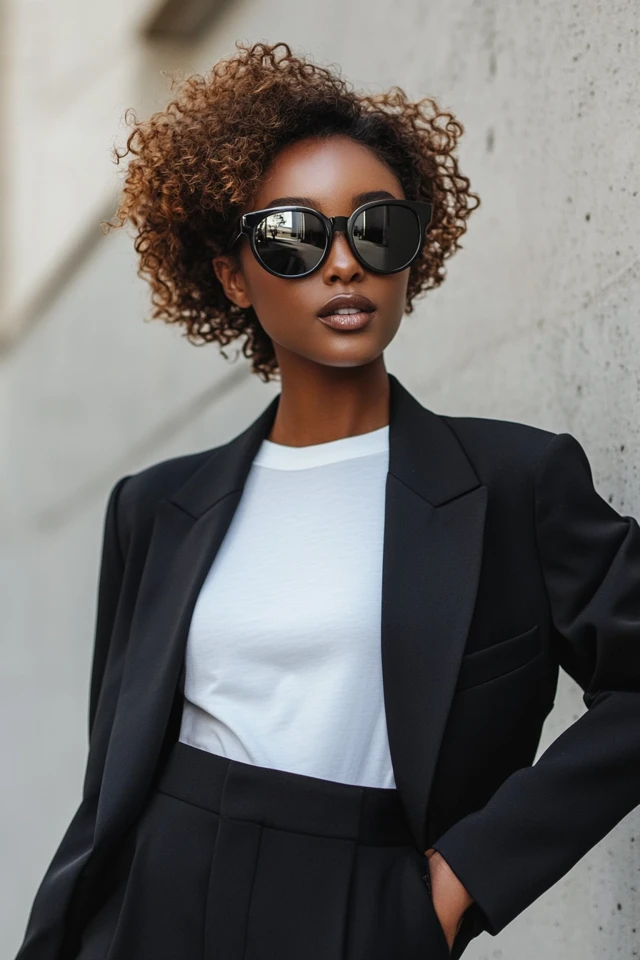
A simple capsule wardrobe checklist for basics
Use this capsule wardrobe checklist as a starting range, then adjust for your climate and work. It is an all season capsule wardrobe core, not a rule.
- Two or three tees or tanks in white and one dark neutral
- One white or light button-down
- One or two sweaters or knits, one lighter and one heavier
- One cardigan or layering knit
- Dark jeans and one pair of tailored trousers
- A blazer
- A coat or trench suited to your climate
- One pair of clean sneakers and one dressier shoe
That is roughly 10-15 pieces, which fits the usual advice to start small and expand over time. If you find a tee you love, buy a backup. Choose machine-washable fabrics so the pieces stay easy to keep.
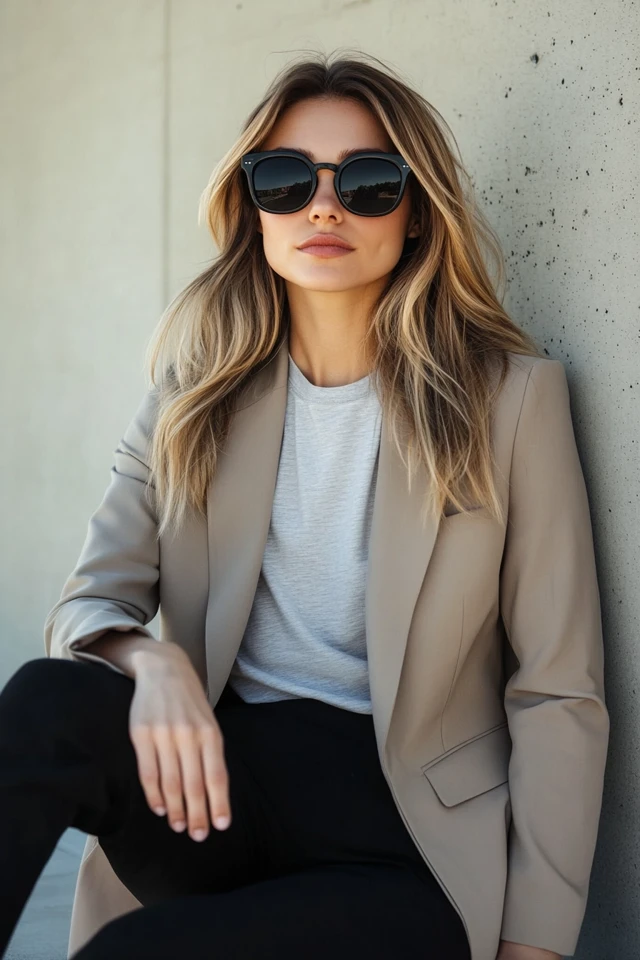
How do you keep your basics going?
Review them about twice a year. Retire what has lost shape or no longer fits. For anything you are unsure about, Jasmine Harris-Speight, an MSU Extension instructor, suggests asking: "Does this item hold a sentimental place in my heart? Will I miss this item if I get rid of it?"
When something is worn out, passing it on helps too. The EPA reports that the recycling rate for all textiles was 14.7 percent in 2018, so most clothing still ends up in the trash. Buying pieces you will wear for years is the simplest way to avoid adding to that.
Once the basics are set, you can dress them up. Two guides show how: dressing up everyday basics and styling basics for formal events.

Frequently asked questions
How many basics should a capsule wardrobe have?
A range of 10-15 basics is a workable starting point for most people. Begin with fewer if you like, then add as you notice gaps.
Can basics include prints or patterns?
Yes, if they are subtle. Fine stripes, small dots and quiet plaids tend to pair with the rest of a neutral wardrobe.
How do you care for basics so they last?
Follow the care label, wash on a gentle cycle in cold water, avoid over-drying and store pieces folded or hung so they keep their shape.
Are basics only for casual outfits?
No. A blazer, tailored trousers or a silk camisole can be dressed up for work or formal events with the right shoes and accessories.
Filed under Capsule Wardrobe