Flattering A-Line Dresses for Silver Anniversary Celebrations: Elegance That Shines
- Words by
- Julio Arco
- Published
- Reading
- 5 min
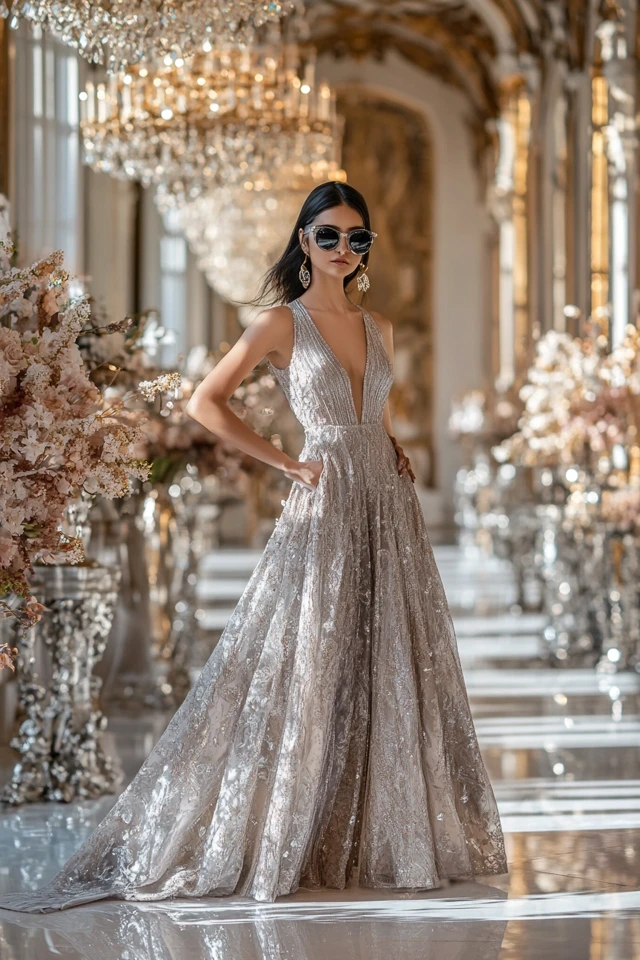
An A-line dress skims the body and widens gradually from the shoulders or bust to the hem, like the letter A. A fit and flare dress is fitted through the bodice and cinched at the waist, then flares out. Both work for a milestone dinner such as a silver anniversary, and the choice mostly comes down to how much waist definition you want.
Below: how the two shapes differ, who they suit, and how to choose length, fabric and color for an evening celebration.
What is the difference between an A-line and a fit and flare dress?
The difference between an A-line and fit and flare dress is where the shape changes. An A-line has a smooth, continuous widening and does not need a defined waist. A fit and flare has a clear waist seam, a close-fitting top, and a skirt that starts flaring right there.
In practice, the A-line is the easier, more relaxed shape. Fit and flare is more tailored and draws the eye to your narrowest point. Many dresses sit in between, so check the waist seam and how close the bodice fits rather than trusting the label.
What body type does an A-line dress fit?
Most of them. Because the skirt falls away from the body without clinging, an A-line works on pear, apple, rectangle and hourglass shapes alike. It is a proportion thing: the skirt balances the shoulders and hips, and nothing grips the midsection.
Does an A-line dress hide belly fat? It usually does a good job, since the fabric skims over the stomach instead of hugging it. Look for a medium-weight fabric with some drape, and an empire or slightly raised waist if you want extra ease through the middle.
What body type can wear a fit and flare dress?
Nearly everyone, with one adjustment: the waist seam should land at your natural waist. If it sits too high or too low, the dress looks off however good the fabric is. That is a fit problem, not a you problem, and a tailor can often move a hem or take in a bodice.
Through the lens of evidence-based design, I'd treat the waist seam as the first thing the eye reads on a fit and flare, so it is the spot worth getting right.
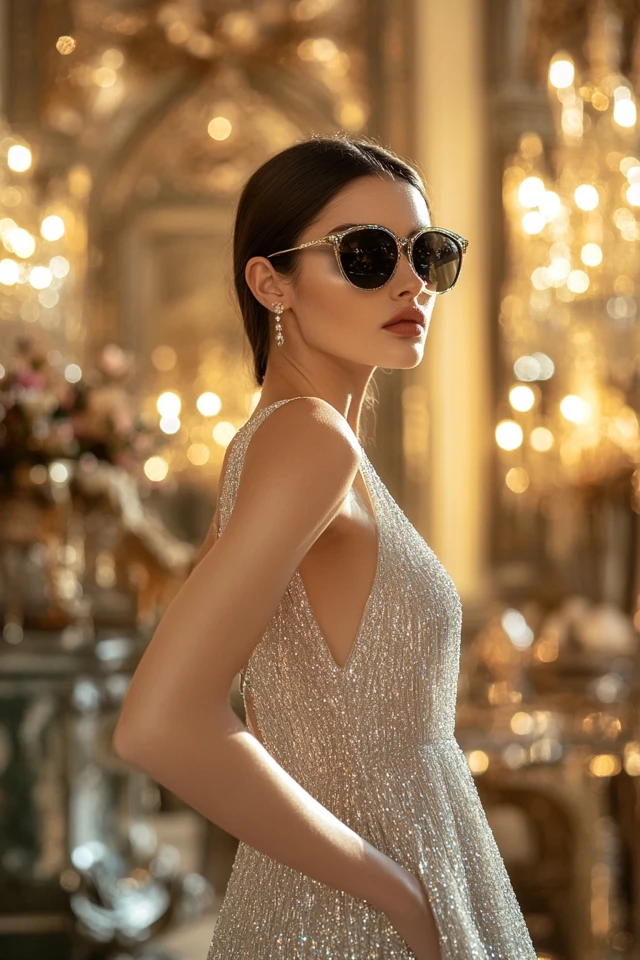
How do you choose between them?
- Want comfort and room to move, eat and dance? Choose the A-line.
- Want a defined waist and a more tailored look? Choose fit and flare.
- Carry weight through the midsection and prefer not to highlight it? An A-line, or a fit and flare with a gently gathered, not tightly cinched, waist.
- Petite? Keep the hem near or just below the knee, and consider an empire line to lengthen the torso.
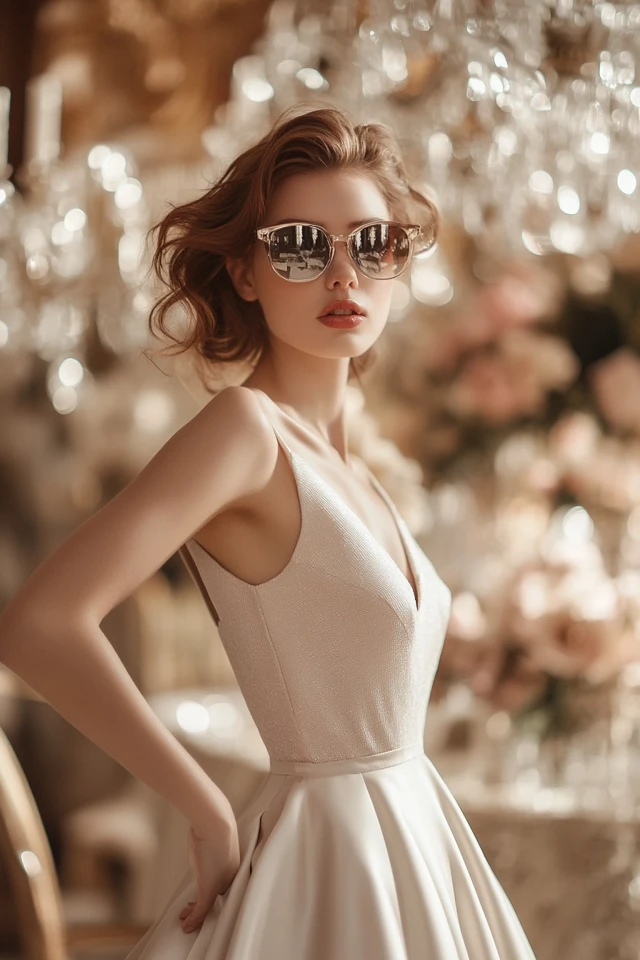
Which length works best?
Knee length and tea length
A knee-length fit and flare is the easiest daytime option and suits a dinner or a semi-formal party. Tea length, which falls between knee and ankle, adds a vintage feel and works well in a full skirt.
Midi
Midi A-line and fit and flare dresses are the most flexible lengths. They suit most heights, look dressed up with heels and relaxed with flats, and move nicely when you walk.
Maxi
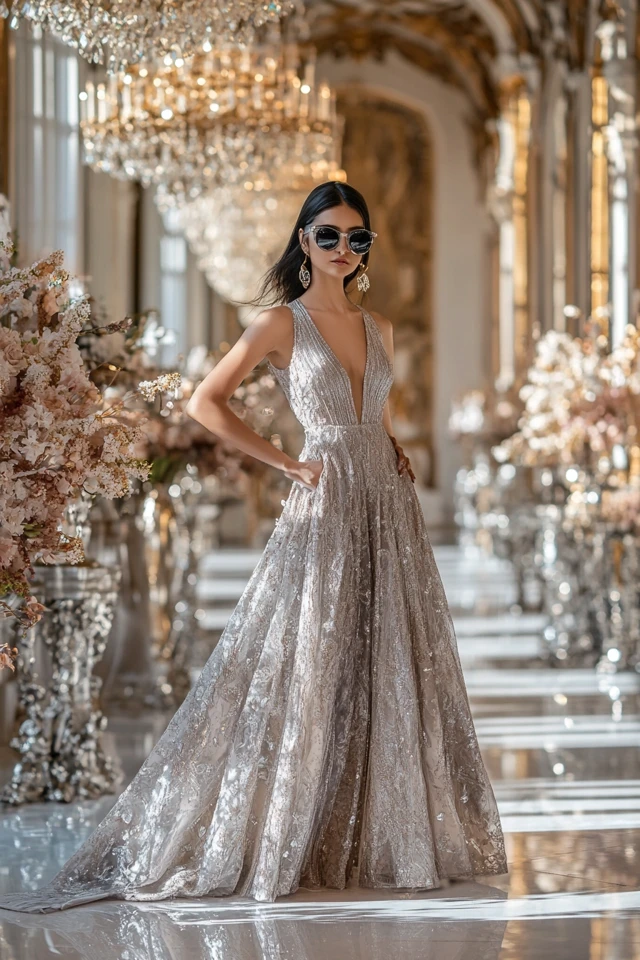
Maxi versions turn formal quickly. If the event is black tie, a floor-length A-line in a structured fabric is the safer pick. Check the hem with the shoes you plan to wear, since a few inches change how the skirt falls.
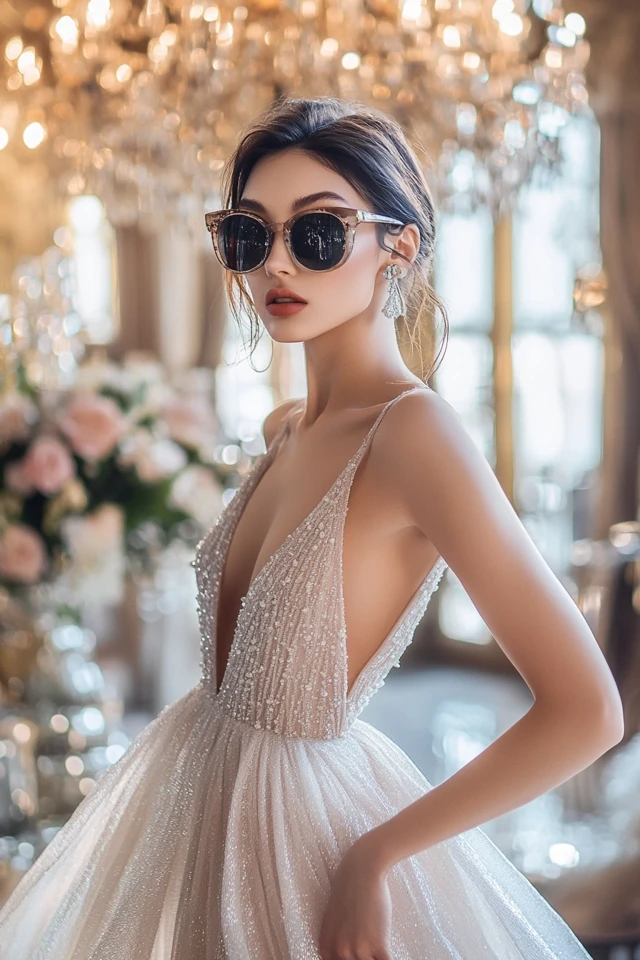
Which fabric and color suit a celebration?
Fabric changes how a dress reads more than the cut does. Satin and velvet look polished in the evening. Chiffon and lace feel softer and suit daytime. Tulle and organza add volume and a romantic edge.
Through the lens of evidence-based design, I'd pick the fabric first and the color second, because texture changes how a color reads. A matte crepe and a glossy satin in the same gray will not look like the same gray under party lighting.
For a silver anniversary, silver or soft gray is the obvious nod. Champagne, blush, ivory, navy and deep jewel tones are all equally good if you would rather not wear metallics head to toe. For more on working metallics in, see adding shine with metallic accents.

Can you find these dresses with sleeves?
Yes. Cap sleeves, three-quarter sleeves, long lace sleeves and sheer sleeves all pair easily with both silhouettes. Sleeves are useful for cooler venues or if you prefer more coverage on your arms. Check you can lift your arms comfortably, because a fitted bodice with a tight sleeve is where most discomfort starts.
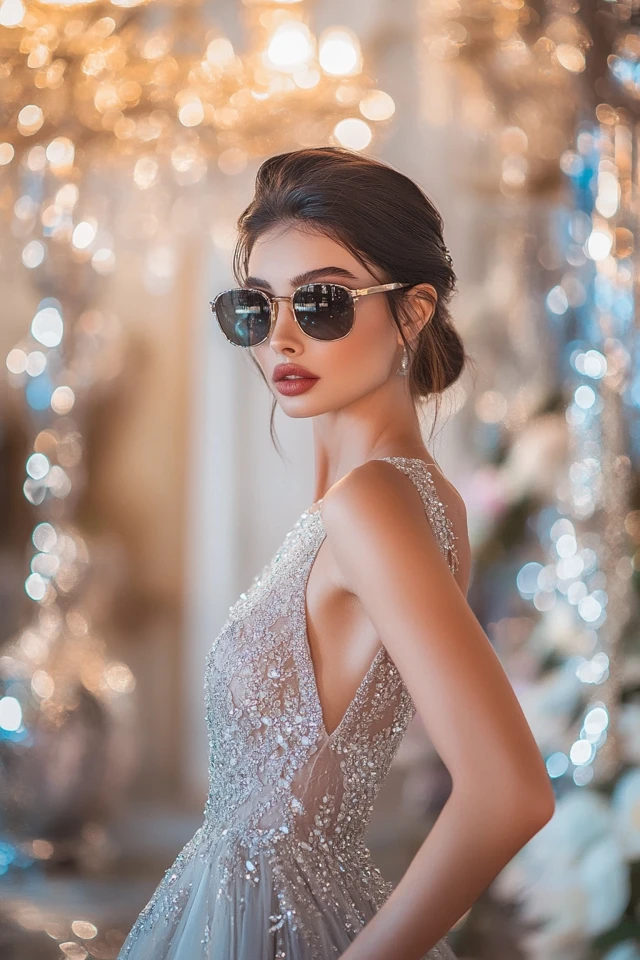
Where can you wear them?
Both shapes run from casual to formal. In cotton or jersey they work for lunch. In satin, lace or crepe, a fit and flare formal dress is right for a wedding as a guest, a gala or an anniversary party. Always check the dress code, and for a wedding, skip white and ivory unless the couple says otherwise.
If you are shopping for a particular celebration, these may help: satin dresses for anniversary dinners, shimmering dresses for champagne toasts and jewel-toned anniversary dresses.
How should you finish the outfit?
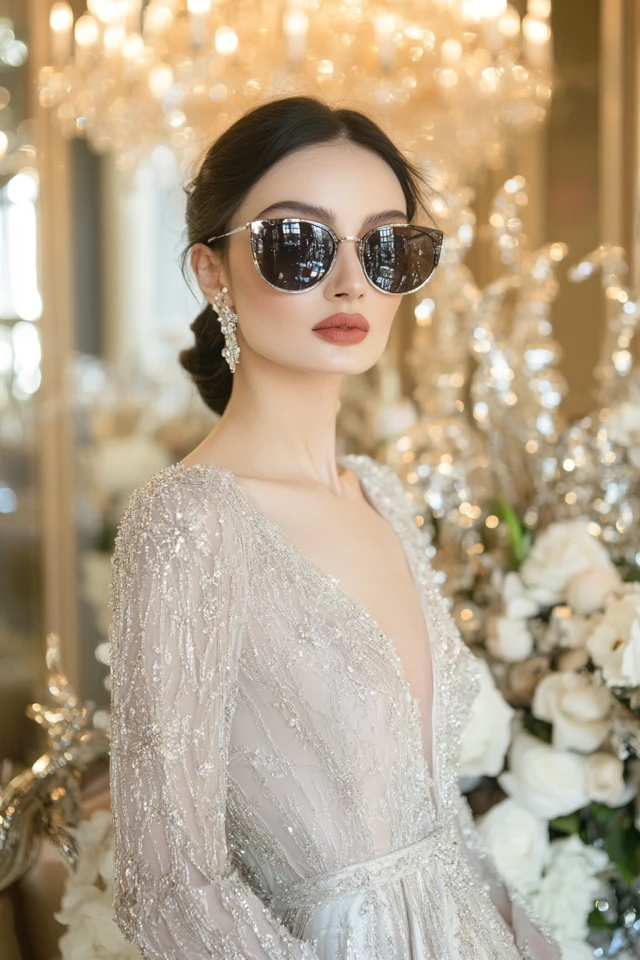
Keep one focal point. A dress with beading or a detailed neckline needs simple jewelry. A plain dress can take statement earrings. A metallic clutch or silver shoes carry the theme without a full silver dress. Block heels or embellished flats keep you comfortable through a long evening.
For a deeper look at the shape itself, read A-line dresses and body types.
Frequently asked questions
What body type does an A-line dress fit?
A-line dresses suit most body types because the skirt skims the body and balances the shoulders and hips. Choose a fabric with some drape and make sure the shoulders fit well.
What body type can wear a fit and flare dress?
Most body types can, as long as the waist seam sits at your natural waist. A tailor can adjust the bodice if it does not.
What is the difference between an A-line and a fit and flare dress?
An A-line widens smoothly from the top to the hem with no required waist. A fit and flare is fitted through the bodice and flares from a defined waist.
Does an A-line dress hide belly fat?
It often does, since the fabric falls away from the stomach instead of clinging. A medium-weight fabric and an empire or slightly raised waist add more ease.
Filed under Occasionwear