Cape Dresses for Formal Events: What to Wear and How
- Words by
- Julio Arco
- Published
- Reading
- 5 min
A cape dress is a gown with a cape attached at the shoulders or neckline, or a dress paired with a detachable one. For formal events it works because the cape adds drama and coverage without needing a separate wrap. For a cathedral wedding or a black-tie evening, pick a floor-length gown in a fabric with weight and flow, and let the cape be the only big statement.
Below: how the main styles differ, which fabrics and colors suit which event, and how to finish the look.
What are cape dresses for formal events?
Cape formal attire for ladies covers any gown where a cape is built into the design. The cape can be a sheer overlay, a short shoulder cape, or a long panel falling from the back of the neckline. Because the cape covers the shoulders and upper arms, it is a comfortable choice for long ceremonies in cool, echoing venues like cathedrals.
It also solves a practical problem: no shawl slipping off your arms all night.
Which silhouette suits which dress code?
The skirt underneath sets the formality. The cape then adds to it.
- Ball gown and mermaid: the best fit for a black tie cape gown or an ultra-formal cathedral ceremony.
- A-line: flattering on most figures and easy to move in. A good middle ground for formal and semi-formal weddings.
- Sheath or column: a sleeker, more modern look. Let the cape do the drama and keep the skirt simple.
- Empire waist: a softer, romantic line that suits a daytime service.
- Asymmetric or high-low: the most contemporary option, better for galas than traditional churches.
If you are unsure, an A-line with a fitted bodice is the safest start. It keeps the proportions balanced when the cape has volume.
Cape styles and how they change the look
Floor-length capes
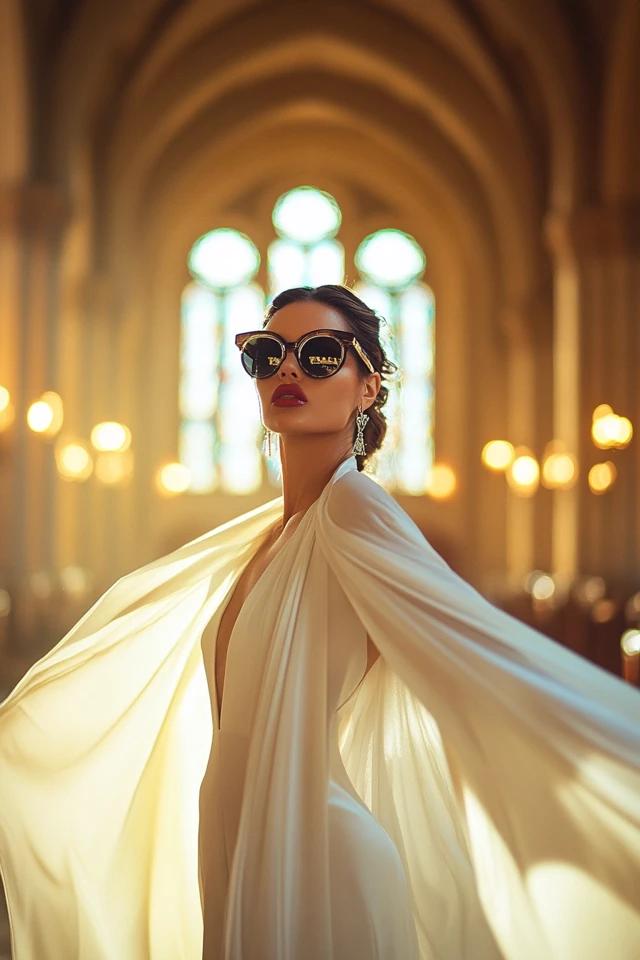
The most dramatic option. They suit formal ceremonies and red-carpet style events, and they photograph well in motion. Check you can sit and walk down stairs without gathering fabric.
Shoulder capes and capelets
A shorter cape ending at the shoulder blades or waist is easier to wear in a crowd and suits smaller rooms. It reads as polished rather than theatrical.
Sheer and split capes
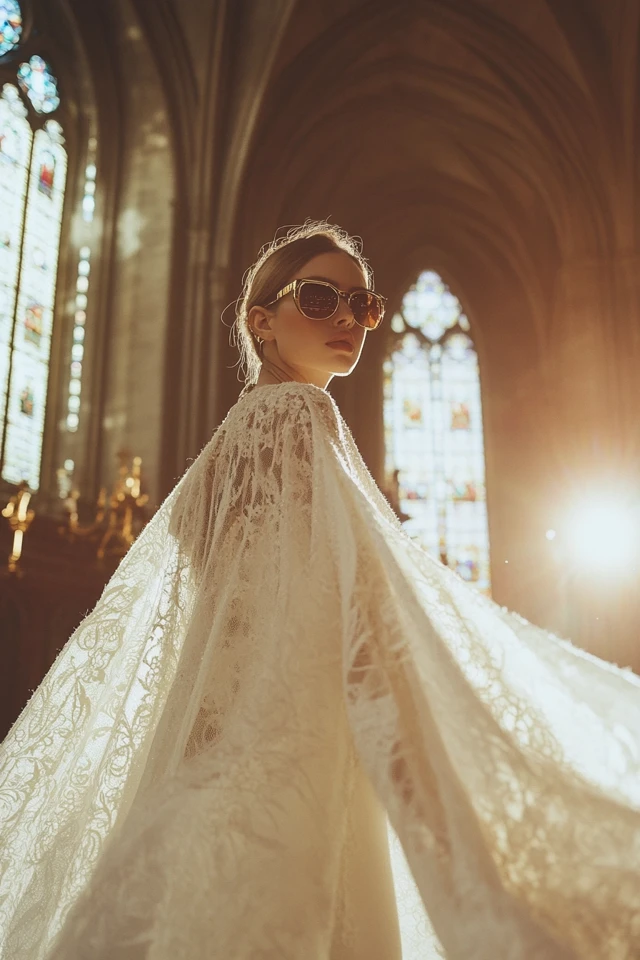
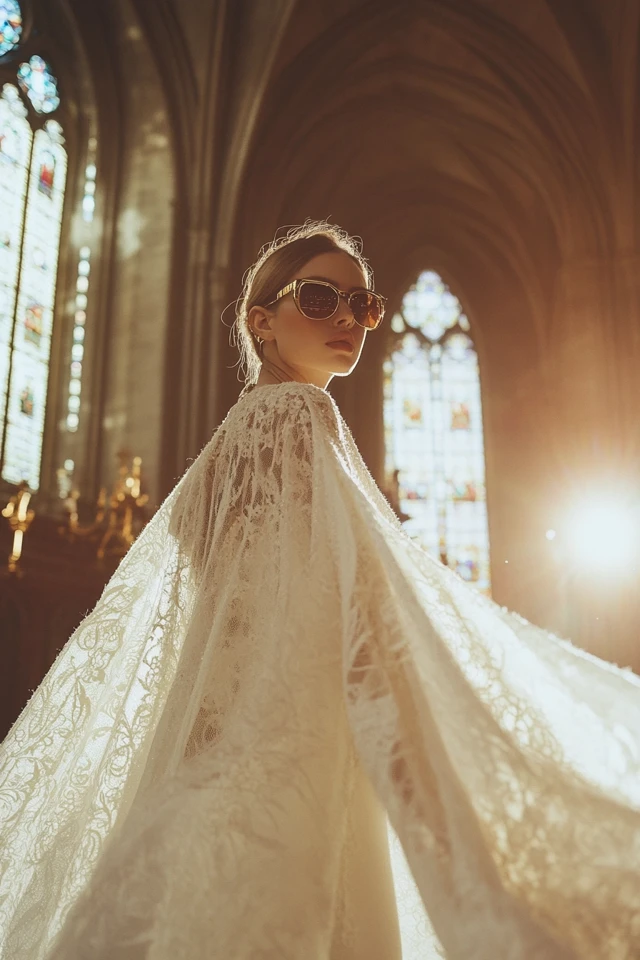
Sheer capes soften a structured gown and still cover the arms. Split capes open at the front or sides, so the dress underneath stays visible while you move.
Detachable capes
Useful if the ceremony is formal and the reception is not. Take the cape off and you have a simpler gown for dancing. For more on dramatic versions, see cape dresses for red carpet glamour.
Which fabrics work best?
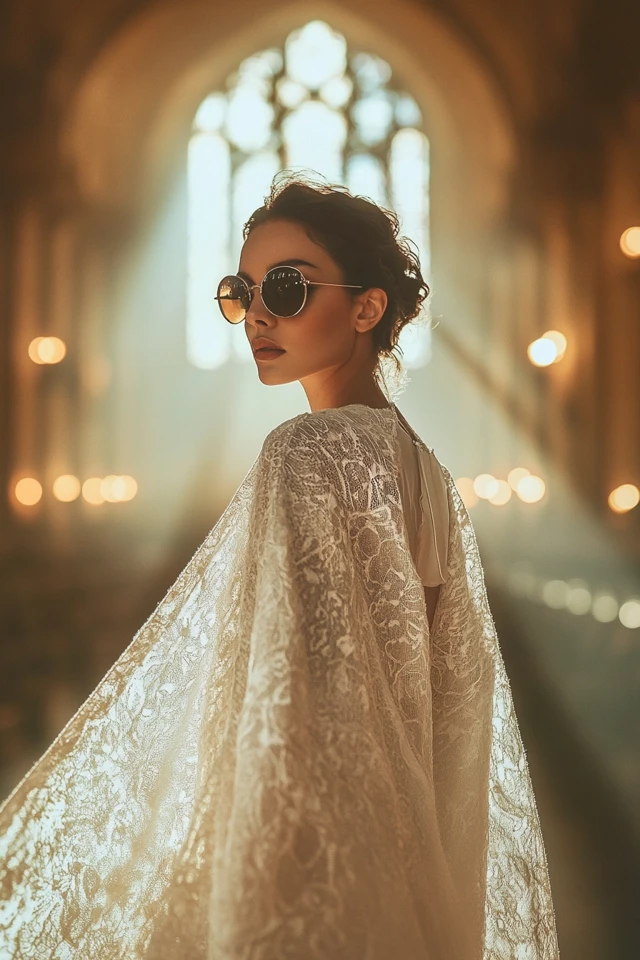
Through the lens of evidence-based design, I'd think about fabric before color. Texture changes how a color reads, and it decides how the cape moves.
- Chiffon and tulle: light and airy, best for spring and summer or daytime weddings.
- Crepe: structured but fluid, a clean choice for minimal gowns.
- Satin: smooth and reflective, so it looks polished under evening light but shows every crease.
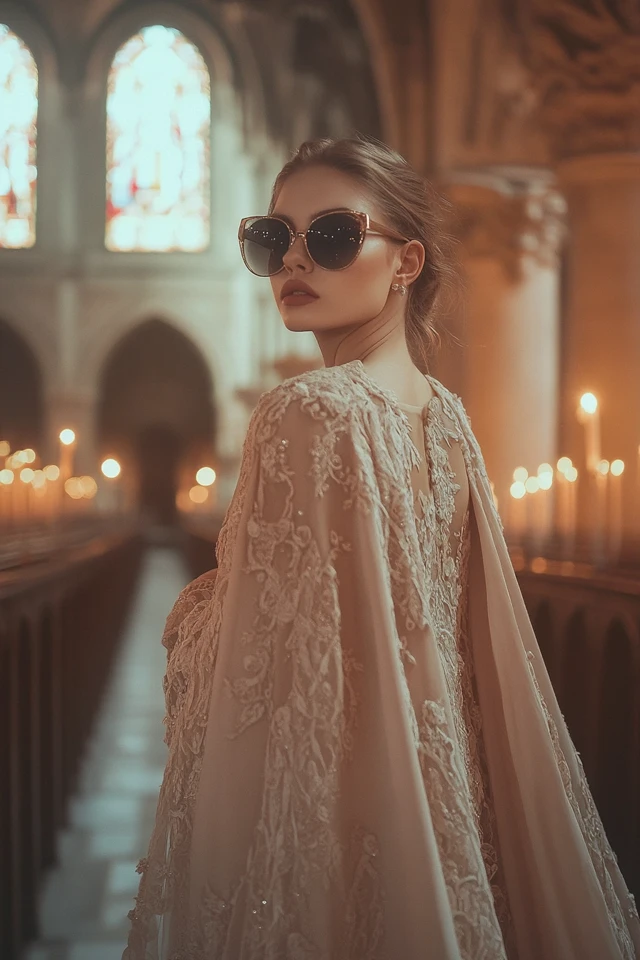
- Lace and embellished fabrics: add texture. Keep the rest of the outfit quieter.
- Velvet: warm and deep, suited to winter evenings. See tweed and velvet winter dresses for more.
Black and navy cape gown ideas
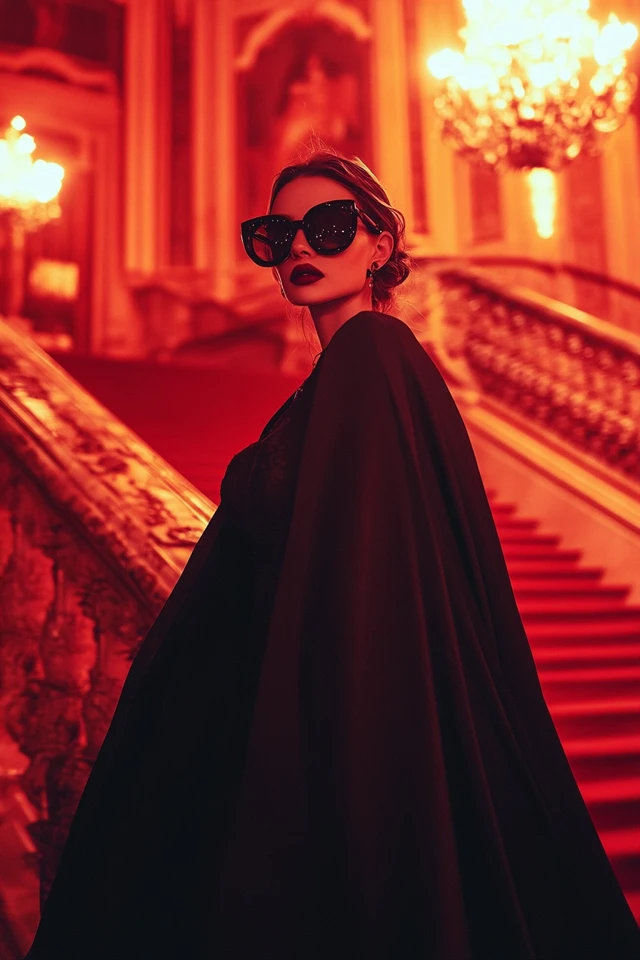
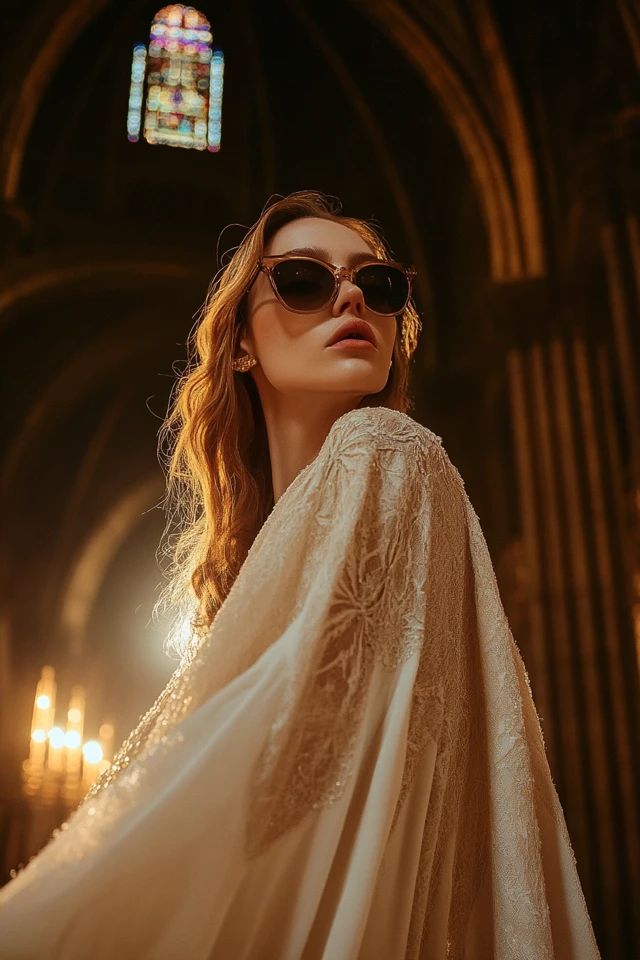
A black gown with cape sleeves is the easiest way into the trend. Cape sleeves drape from the shoulder over the upper arm, so you get the effect of a cape with a more fitted line. Matte black crepe looks understated. The same black in satin looks sharper and more formal.
Navy is softer next to skin and works well for daytime weddings and evening events alike. Jewel tones such as emerald or deep red suit fall and winter, and burgundy gowns are a good example. Pastels and champagne suit spring ceremonies.
Beaded and sequin cape gowns
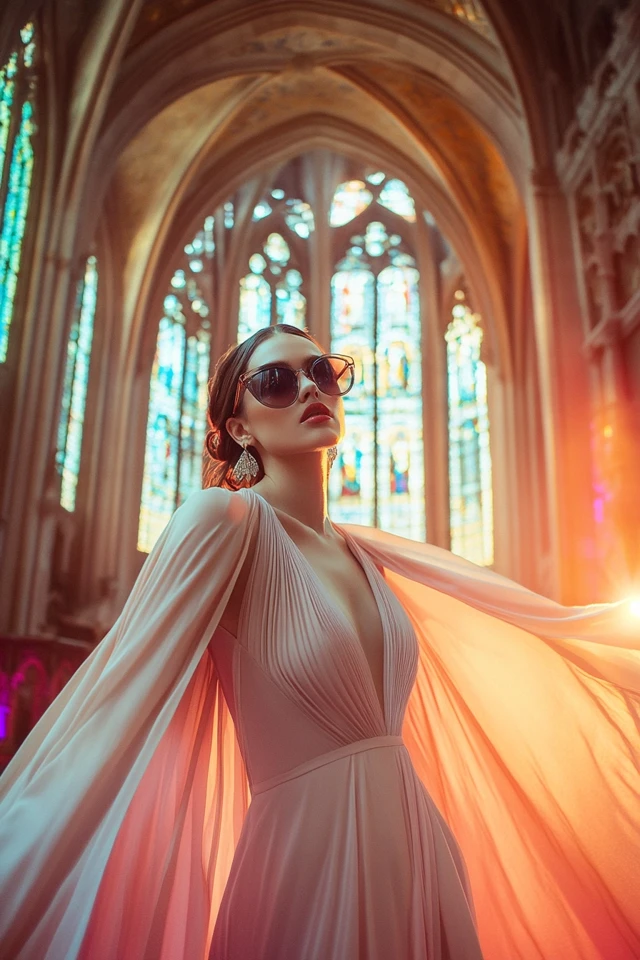
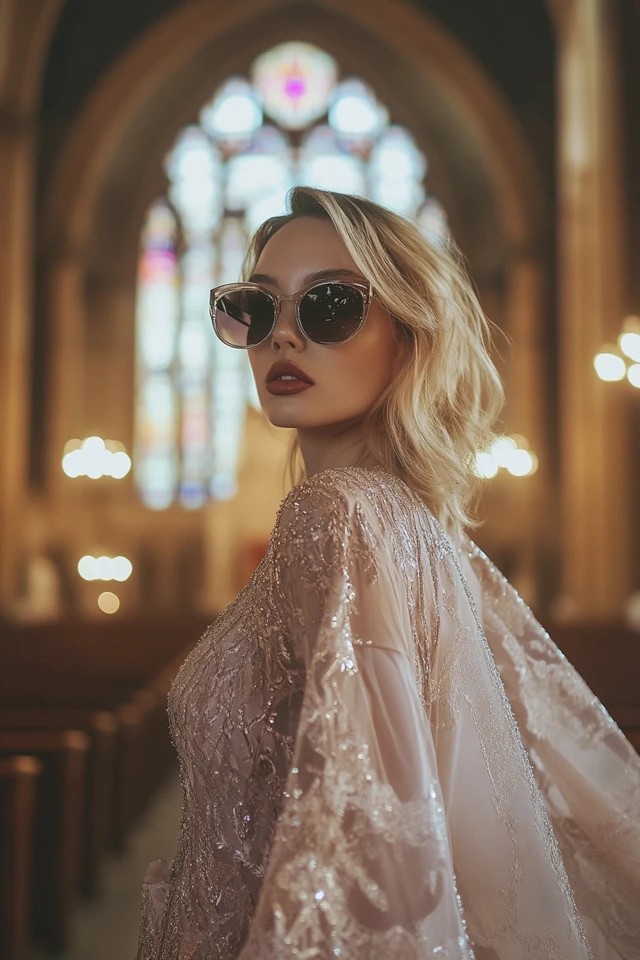
A heavily beaded cape is a lot of weight and sparkle. As an architect trained in evidence-based design, I'd treat embellishment like a focal point: one area of shine, with everything else calm. If the cape is beaded, choose a plain skirt and small jewelry. If the dress is beaded, a sheer or plain cape keeps it balanced.
Beaded capes can be heavy on the shoulders, so try the gown on and move your arms before you commit.
Cape dresses for weddings and mother of the bride
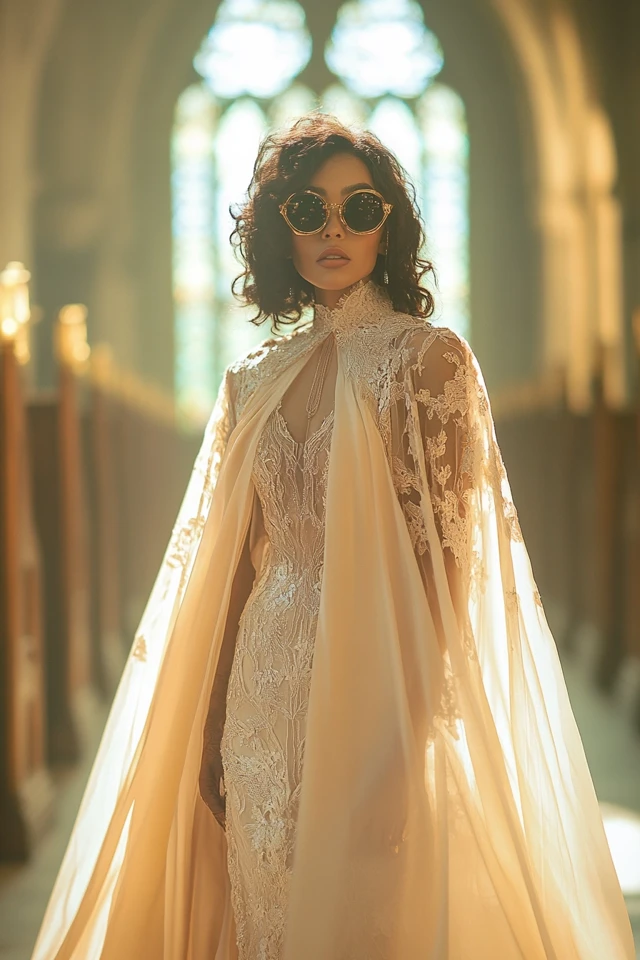
Cape dresses for weddings work for guests, the wedding party and the mother of the bride. For mother of the bride dresses with a cape, a long A-line or column gown with a chiffon or crepe cape is the usual sweet spot. It gives shoulder and arm coverage, stays elegant through a long day, and does not compete with the bride.
Check the couple's dress code first, and avoid white, ivory and very pale shades unless you know they are fine. For other wedding looks, compare satin and embellished guest gowns and mermaid dresses.
How to style a cape dress
- Jewelry: the cape covers the shoulders, so earrings do most of the work. Chandelier or drop styles frame the face. Keep necklaces and bracelets minimal.
- Hair: an updo or a low bun shows the cape's neckline. Loose waves also work if the cape is sheer.
- Bag: a small clutch. A large bag breaks the line of the cape.
- Shoes: block heels or comfortable pumps are sensible for a long ceremony. A floor-length hem hides most of the shoe anyway.
- Cold weather: a tailored long coat fits over a cape better than a bulky wrap.
Cape evening dresses also suit opera nights and galas. See evening dresses for opera nights for more ideas.
Frequently asked questions
What is cape formal attire for ladies?
It is a gown with a cape built into the design, such as a sheer overlay, a shoulder cape or cape sleeves. It suits black-tie events, galas and formal weddings.
What are some examples of formal dresses with a cape?
Common examples are a mermaid gown with a sheer cape, an A-line gown with a chiffon cape, a column gown with cape sleeves, and a ball gown with a detachable cape.
What are some good formal dresses for a 60-year-old woman?
A long A-line or column gown with a cape or cape sleeves gives shoulder and arm coverage and a clean line. Choose a comfortable weight of fabric and a fit that lets you move easily.
Can I wear a cape dress to a daytime wedding?
Yes. Choose lighter fabrics such as chiffon or crepe and softer colors, and keep embellishment minimal.
Filed under Occasionwear