Double-Layer Jackets for Freezing Rain: What to Wear
- Words by
- Julio Arco
- Published
- Reading
- 5 min
For freezing rain, pick a jacket with two jobs split across two layers: a waterproof outer shell that sheds water, and an insulating layer underneath that holds heat. Water-resistant alone is usually not enough when rain keeps landing on you for an hour.
Freezing rain is wet and cold at the same time, which is why a single warm coat often fails. Once insulation gets damp, it stops doing much. Here is how to choose the pair, fit it, and style it so you still like what you see in the mirror.
What makes a double-layer jacket work in freezing rain?
The outer layer is the shell. Look for a fabric labeled waterproof (not just water-resistant), sealed or taped seams, a storm flap over the zipper, and a hood that adjusts. Cuffs that tighten keep water from running down your sleeves.
The inner layer is the insulation. It can be down, synthetic fill or fleece, and it can be sewn in or removable. A removable liner is handy because the same jacket then covers a wider range of temperatures.
Check the hem and the hood first. Water usually gets in at the neck and the cuffs before it finds a seam.
Which color should you pick for a gray, wet day?
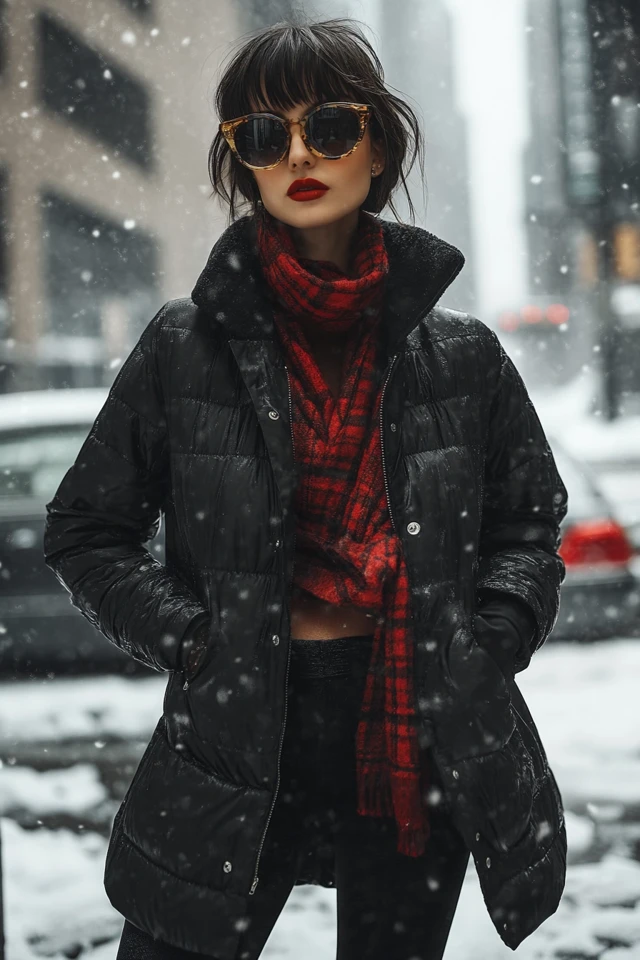
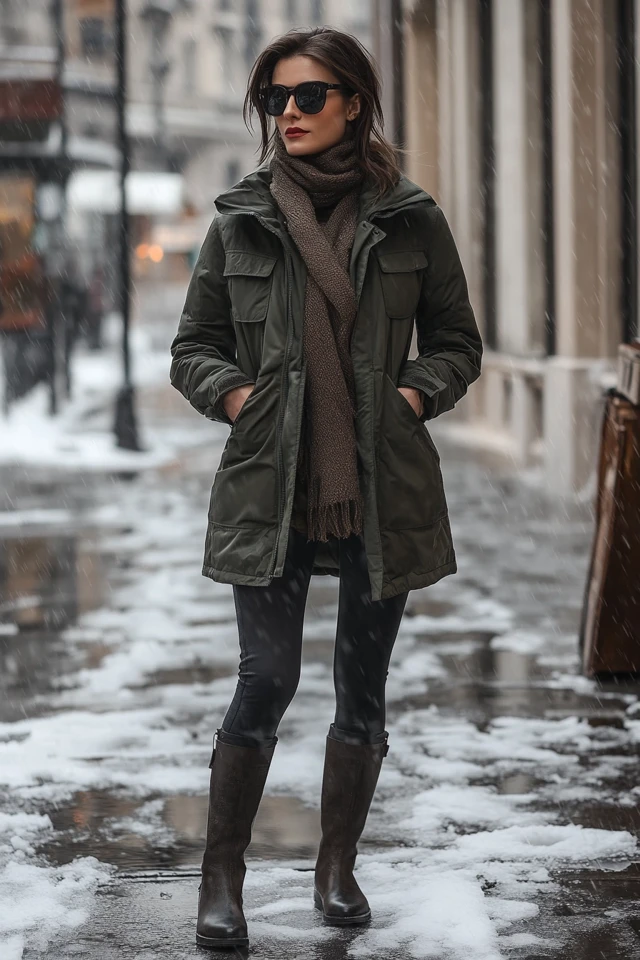
Color changes how a jacket reads against a flat, overcast sky. Through the lens of evidence-based design, I'd pay attention to contrast: a saturated red or yellow stands out in low light, while a muted shade blends into the gray around you.
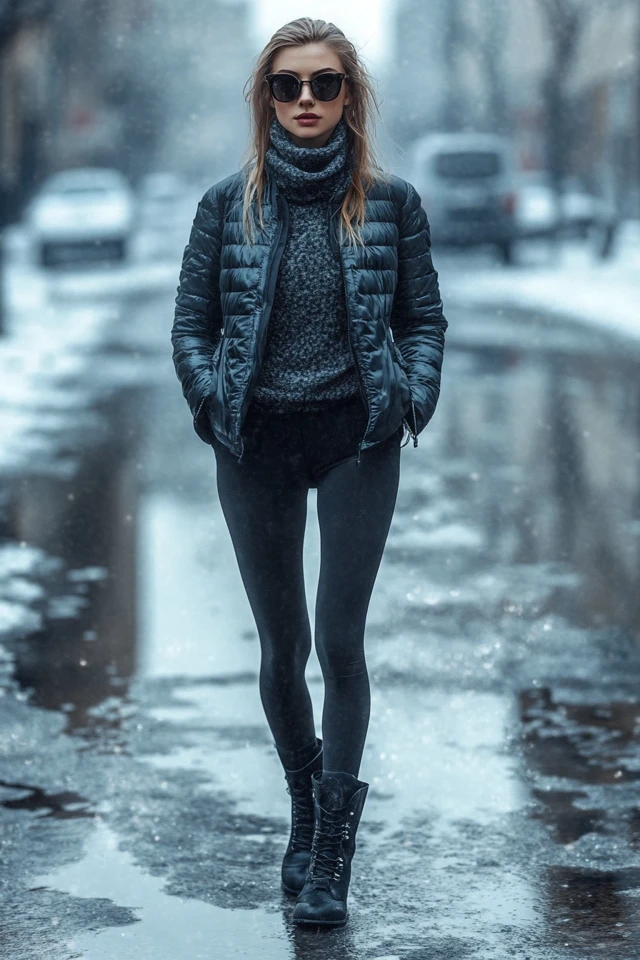
- Black, charcoal and navy are easy to pair with everything and hide water marks and splashes.
- Olive, camel and burgundy look warm against cold light and suit knit layers underneath.
- Red, yellow and royal blue add contrast on dull days and work well when the rest of your outfit is neutral.
- Pastels such as blush, mint and powder blue look softer, but show mud and spray faster.
How should a double-layer jacket fit?
It needs room for a sweater, but not so much that the shoulders slide off. Check that the shoulder seam sits near the end of your shoulder, and that you can raise your arms without the hem jumping up.
A jacket that pulls across the back once you add a thick knit is a fit problem, not a you problem. Size up or choose a cut with more room in the body.
Petite frames
Look for a tailored cut with minimal bulk. Hip-length or mid-thigh jackets keep proportions balanced, and a hood that is not oversized stops the look from feeling heavy.
Curvy figures
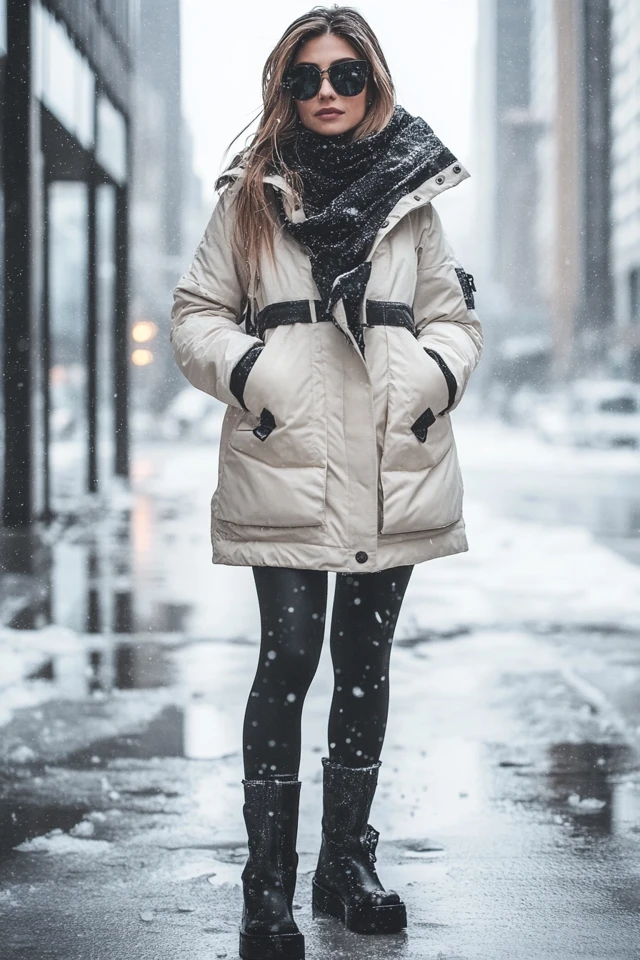
A waist cinch or belt gives shape to a padded jacket. A slight A-line flare at the hem also helps the silhouette read cleanly.
Athletic builds
Quilting, contrast stitching or a faux fur trim add dimension. A longer length and a roomier hood give a relaxed, balanced line.
Tall figures
Longline styles suit you and keep your thighs covered. A high collar draws the eye up and blocks wind at the neck.
Can an oversized utility jacket be one of the two layers?
Yes, with one condition: it goes underneath the shell. Most utility jackets are cotton or canvas-style fabrics, and those soak up water, so they are a mid layer here rather than your rain protection.
An oversized utility jacket with multiple pockets gives you somewhere to put gloves, keys and a phone, and it adds structure over a sweater. If you prefer something thinner, a women's lightweight utility jacket slips under a shell without crowding the sleeves. A women's utility jacket with hood adds a second hood that you can wear up under a larger rain hood, though check that the two do not push against your face.
Through the lens of evidence-based design, I'd choose a matte, slightly textured fabric for this mid layer. It reads softer than a shiny shell next to it, and the contrast in texture makes a layered outfit look planned.
How do you style it so it still looks good?
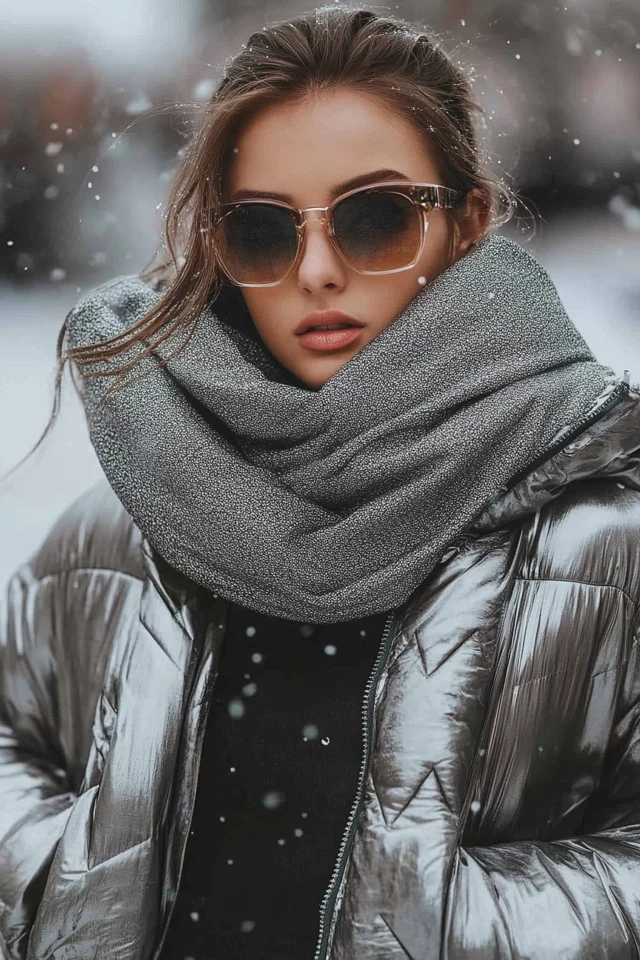
Pick one outfit formula and keep the layers clean. Slim lower halves balance a bulky top, and waterproof footwear matters more than most people expect.
- Minimal: a black or gray jacket, slim trousers and waterproof Chelsea boots.
- Sporty: an olive parka with leggings and chunky sneakers that have a grippy sole.
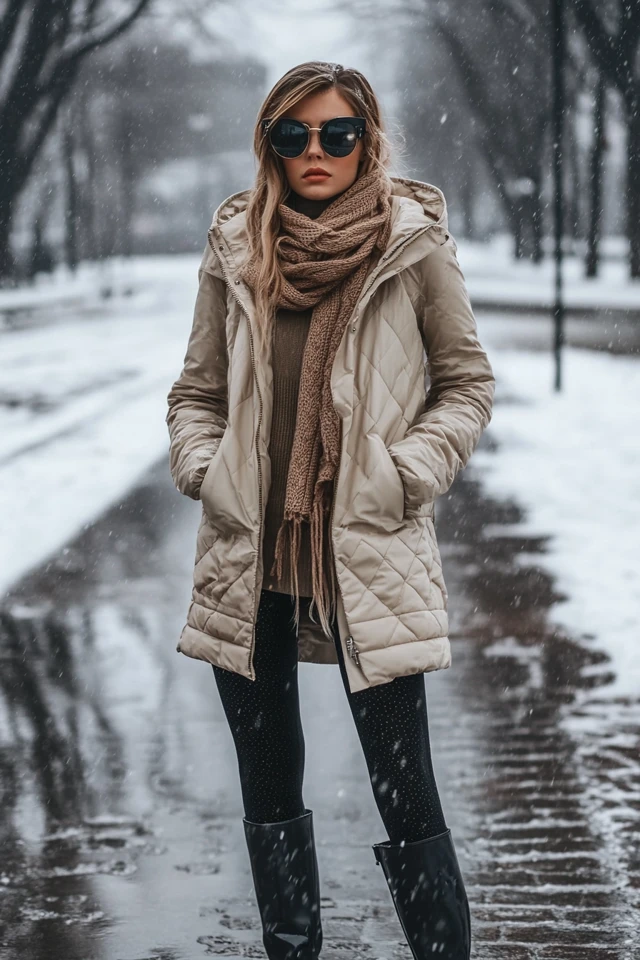
- Softer: a belted jacket in a pastel, skinny jeans, knee-high boots and a knit scarf.
- Bold: a bright red or yellow jacket over neutral layers, with a beanie and gloves.
For a utility jacket streetwear outfit under a shell, keep the proportions relaxed: wide-leg pants, a plain tee or hoodie and sturdy boots. Take the shell off indoors and the look still stands on its own.
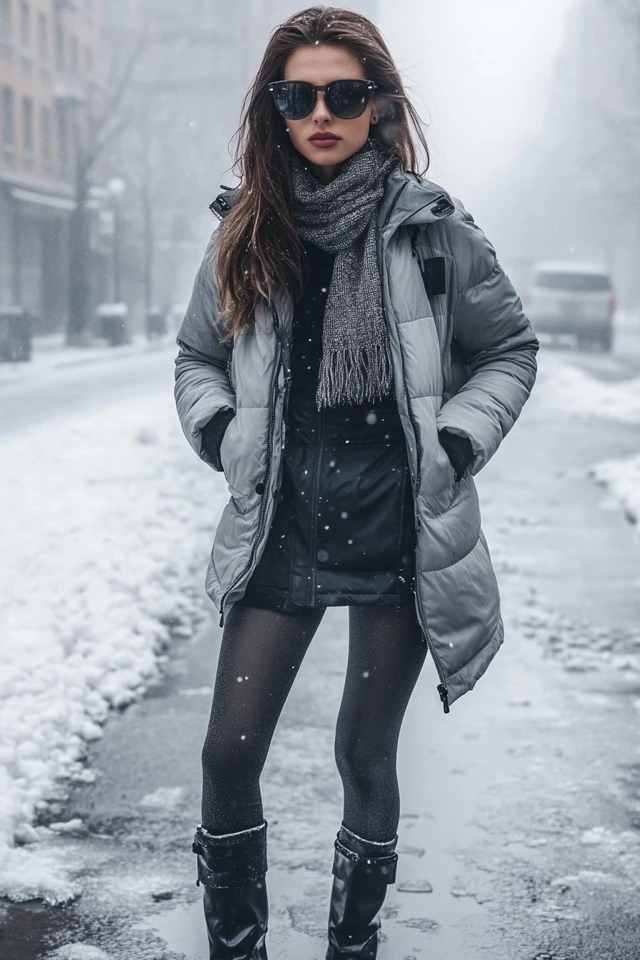
Which double-layer styles are popular right now?
Oversized parkas give extra coverage and room for layers. Quilted outer layers add texture, and color-blocked panels give a sporty line. Faux fur-lined hoods add warmth around the face, and jackets made from recycled fabrics are easier to find than they used to be.
If you want something that stays in rotation, a navy or black waterproof parka with plain lines works from errands to the office. For more options in the same weather, see these waterproof parkas for torrential rain days, or this look at sleek leather jackets for edgy layers when the weather is dry but cold.
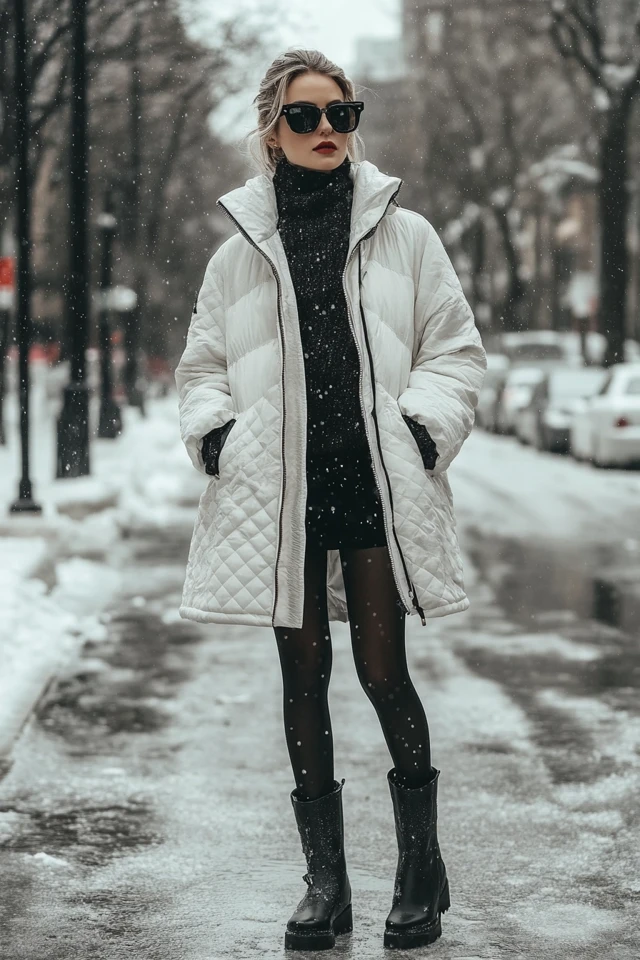
How do you stay warm from head to toe?
The jacket handles your torso. Add a thermal top, insulated boots with a waterproof upper, a knit beanie and waterproof gloves. For legs, insulated snow pants make sense if you will be outside for long stretches, and a stretchy base layer goes under almost anything.
If you like a soft inner layer, a sherpa jacket can sit under a roomy shell, as long as the shell closes without squeezing it.
How do you care for the jacket?
Follow the care label first. Most waterproof shells need gentle washing or spot cleaning, and air-drying protects the coating and the shape. Skip the dryer unless the label allows it.
In the off-season, hang the jacket somewhere cool and dry so it does not develop mold or creases in the insulation.
Frequently asked questions
Are double-layer jackets suitable for extreme cold?
Many are, but it depends on the insulation and how well the shell blocks wind. Check the temperature rating on the product page, and add a thermal base layer for the coldest days.
How do I know if my jacket is truly waterproof?
Look for sealed or taped seams, water-resistant zippers or storm flaps, and a fabric labeled waterproof rather than water-resistant. Rain beading on the surface is a good sign, but it does not prove the seams hold.
Are double-layer jackets heavy?
They can be, but many use lightweight synthetic insulation or a thin removable liner. Try the jacket on with your usual sweater to judge the weight.
Can I wear a double-layer jacket for hiking?
Often yes, especially styles with adjustable hoods, vents and durable fabric. For long or technical routes, choose a jacket made for that activity and check its details first.
Filed under Weather Style