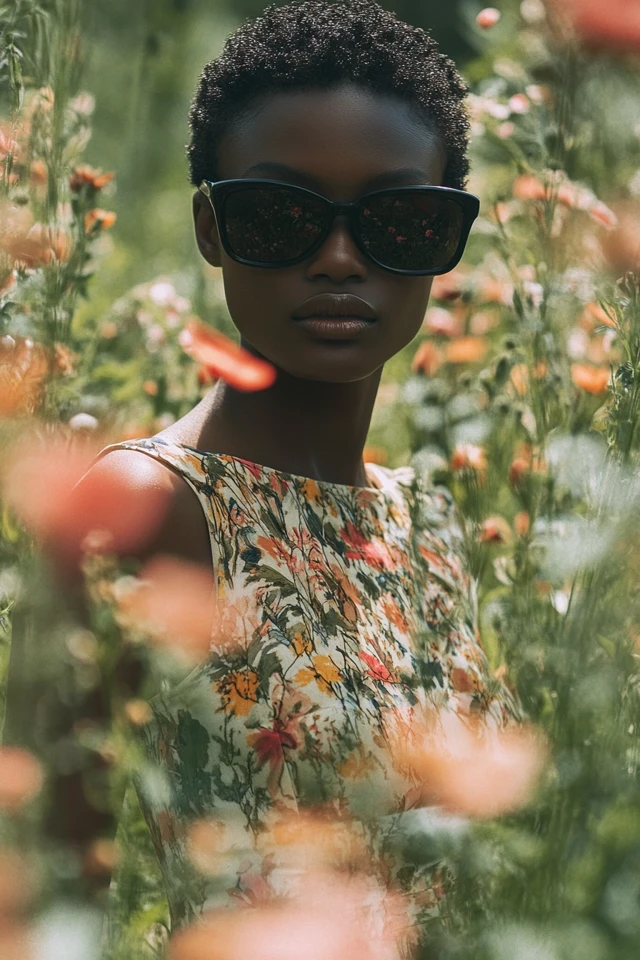
Cotton and Silk Blends for Light Transitional Dresses: Elegance Meets Comfort
- Words by
- Julio Arco
- Published
- Reading
- 4 min
The simplest formula for transitional spring layering outfits is three thin layers: a good tee, a fine-knit cardigan or light sweater, and a light jacket. Each piece works alone, so you can peel off a layer at 2 p.m. and put it back on at 7.
Mornings and afternoons in early spring can feel like two different seasons. Thin layers beat one thick coat because you adjust to the day instead of guessing it.
How do you dress for transitional weather?
Think in layers you can remove without ruining the outfit. The base should look good on its own, the middle layer should add warmth without bulk, and the outer layer should block wind, not insulate heavily.
Keep the palette tight. When two or three colors repeat across the pieces, you can swap layers freely and everything still looks intentional.
If your day includes a long walk or a workout, fabric matters more. Howdy Health at Texas A&M advises that the layer closest to your skin should be made of moisture-wicking materials, and it also says to avoid cotton because it absorbs moisture and can keep it next to your skin. For a casual day, a cotton tee is fine. For active days, choose a different base.
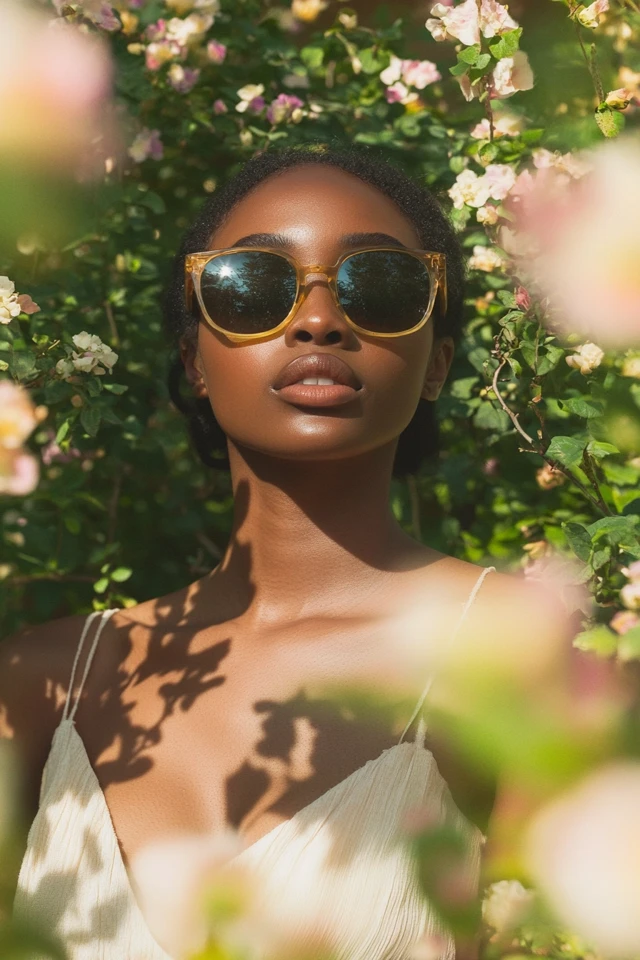
Start with a good layering tee
A fitted but not tight crewneck or scoop neck in a smooth, mid-weight fabric is the workhorse. Look for a hem that sits at the hip so it does not bunch under a cardigan, and a neckline that stays flat under knitwear.
White, cream, gray and navy are the easiest. Opaque matters: if you can see your hand through it, it will show every seam once layered.
Fine-gauge cardigans and lightweight sweaters
A cardigan and tee spring outfit is the most reliable combination in this list. Choose a fine-gauge knit, which is thin and smooth, so it fits under a jacket without adding bulk across the shoulders.
Wear the cardigan open over a tee with straight or wide-leg trousers, or buttoned as a top with a tee underneath showing at the neckline. Through the lens of evidence-based design, I'd pick a matte knit over a shiny one for the middle layer, because surface texture changes how a color reads and a soft matte finish looks calmer next to denim or cotton.

Sweater vest over a tee
A sweater vest adds warmth to your core and leaves your arms free, which suits a changing afternoon. Wear it over a tee or a collared shirt with relaxed jeans. Keep the vest's length near the hip so it does not shorten your legs.
Which light jackets work best?
Pick one outer layer that suits most of your outfits. Good options:
- A barn or chore jacket in cotton canvas, roomy enough to wear over a sweater.
- A denim jacket, which pairs with dresses, skirts and trousers.
- A trench or a short unlined mac for rainy days.
Check the shoulder seam first. If the jacket pulls across your back when you reach forward, size up. That is a fit problem, not a you problem.
Denim tops and jeans for layering
A chambray or denim shirt works as a middle layer, a light jacket, or a top on its own. Leave it open over a tee, or tie a sleeve loosely at the waist when it warms up.
For jeans, a mid-weight straight leg is comfortable across a wide temperature range. Very heavy denim feels clumsy on a warm afternoon.
Lighten the palette with soft neutrals
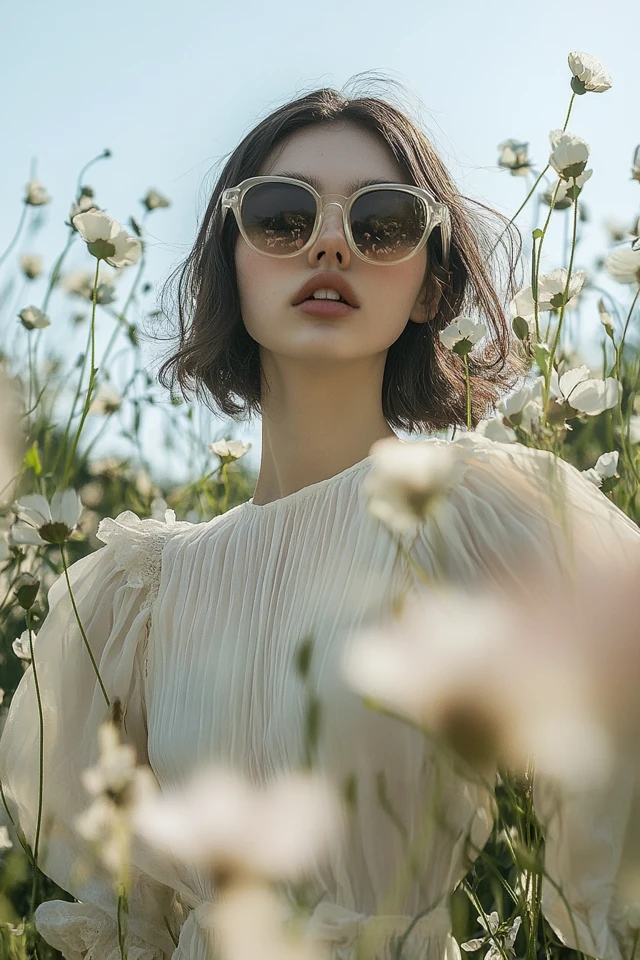
Moving from winter to spring is easiest when you lighten colors a step at a time. Swap charcoal for stone, black for navy or chocolate, and heavy browns for tan. Cream, oat, soft gray and pale blue sit well together, and one deeper piece such as an olive jacket stops the look from going flat.
Mix textures within the same palette. A smooth tee, a ribbed knit and a crisp cotton jacket in similar tones look layered rather than matchy.

Shoes for in-between weather
Loafers, ballet flats and clean low sneakers handle damp pavement and mild afternoons. Wear thin socks with loafers and sneakers, or no-show liners when it is warm. Leave heavy boots for days that are actually cold.
Mixing and matching middle layers
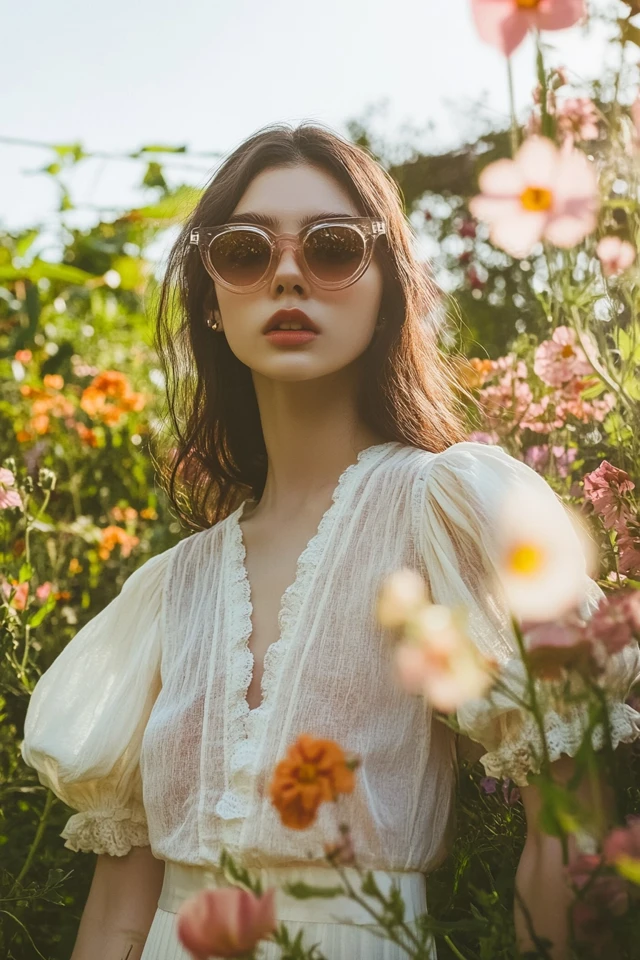
Your middle layer sets the temperature of the outfit. A thin cardigan is enough for a mild day. Add a sweater vest under a jacket when it is cooler. Keep a lightweight layer in your bag so a cold evening does not end your plans.
If you are building a wardrobe from scratch, I'd buy in this order: a layering tee, a fine-knit cardigan, then a light jacket. For fabric ideas that carry across seasons, see chiffon and wool blends for transitional dresses and tiered tunic dresses for light layers. If you wear dresses, cotton and linen blends are the next step as it warms up.
Frequently asked questions
What is the 3-3-3 rule for outfits?
It usually means building an outfit from three tops, three bottoms and three pairs of shoes that all mix together. It is a capsule-wardrobe shortcut, not a fixed rule.
How to dress for transitional weather?
Wear thin layers you can remove: a tee, a fine-knit cardigan and a light jacket. Keep colors in one family so any layer can come off without breaking the look.
Should the base layer be cotton?
For a relaxed day, cotton is fine. For exercise or long outdoor stretches in the cold, Texas A&M's Howdy Health advises avoiding cotton because it holds moisture.
Filed under Fabrics & Textures