Chiffon and Wool Blends for Chic Transitional Dresses: Effortless Elegance for Changing Seasons
- Words by
- Julio Arco
- Published
- Reading
- 5 min
The simplest formula for transitional spring layering outfits is three thin layers you can remove one at a time: a good tee or fine knit against the skin, a middle layer such as a cardigan or vest, and a light jacket or coat on top. Each piece should work alone, so a warm afternoon never leaves you stuck in something heavy.
The same logic applies to dresses. A dress with a wool-blend bodice and chiffon sleeves, or a wool dress with a chiffon overlay, does some of that layering for you. Below are the pieces and combinations that make dressing for in-between weather easier.
How to dress for transitional weather
Think in layers of different weights rather than one heavy piece. Morning can be cold and mid-afternoon mild, so the goal is to be comfortable at both ends without carrying a second outfit.
- Base layer: a tee, camisole or thin knit that you are happy to wear alone.
- Middle layer: a cardigan, sweater vest or button-up that adds warmth without bulk.
- Outer layer: a trench, barn jacket, denim jacket or light wool coat.
Check what sits next to your skin first. If you will be walking or moving a lot, Texas A&M's Howdy Health advises that the layer closest to your skin should be made of moisture-wicking materials that draw sweat away, and that you should avoid cotton because it absorbs moisture and can keep it next to your skin. That guidance is written for cold-weather exercise, but it is a useful reminder if a sweaty commute leaves you chilled later.
Start with a good layering tee
A fitted, mid-weight tee in a neutral color is the piece everything else rests on. Choose a neckline that works under open cardigans and shirts: a crew or a shallow scoop sits flat and does not bunch.
Fit matters more than brand here. A tee that is too long creates a bulge at the hip when you add a jacket, so aim for a hem that lands near your waistband or can be tucked in neatly.
Fine-gauge cardigans and lightweight sweaters
A cardigan and tee spring outfit is the easiest version of layering, and it works with jeans, trousers or a skirt. Fine-gauge knits (thin, tightly knitted yarn) give warmth without the volume of a chunky sweater, so a jacket still fits over them.
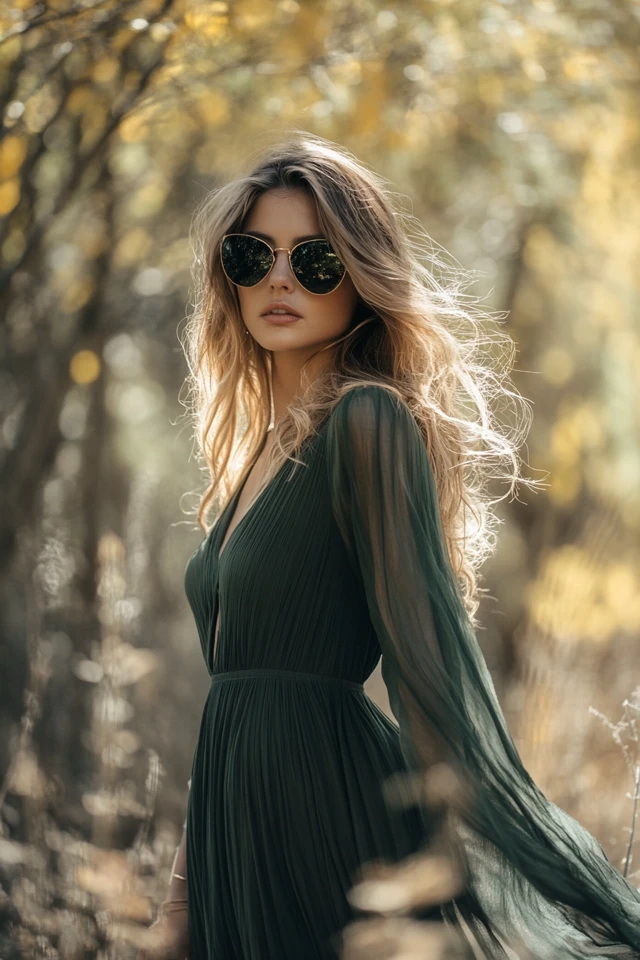
Through the lens of evidence-based design, I'd pay attention to texture before color. A smooth merino and a fuzzy mohair in the same cream do not read as the same shade, because the surface changes how light reaches your eye. Mixing one smooth layer with one textured layer keeps an all-neutral outfit from looking flat.
Sweater vests and other middle layers
A sweater vest over a tee or collared shirt adds warmth to your core and leaves your arms free. It also gives you a way to repeat winter knits in a lighter form.
- Vest over a long-sleeve tee for a casual look.
- Vest over a crisp shirt with straight trousers for the office.
- Thin turtleneck under a slip or wool-blend dress for a cooler morning.
Light jackets and coats that earn their place
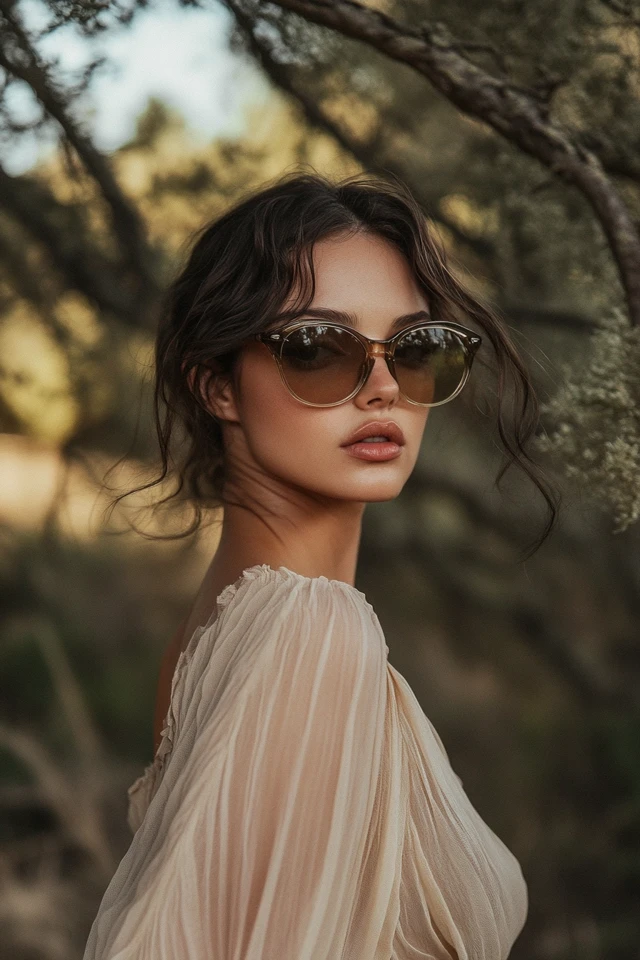
Pick one or two outer layers and rotate them. A trench is the classic choice: it handles light rain and stays elegant over a dress. A barn jacket or denim jacket is more casual and sits well over knits. A cropped leather jacket gives a softer dress a sharper edge.
Check the shoulder seam when you try one on with a sweater underneath. If it pulls across the back, that is a fit problem, not a you problem. Size up or choose a looser cut.
Winter to spring transition outfits with dresses
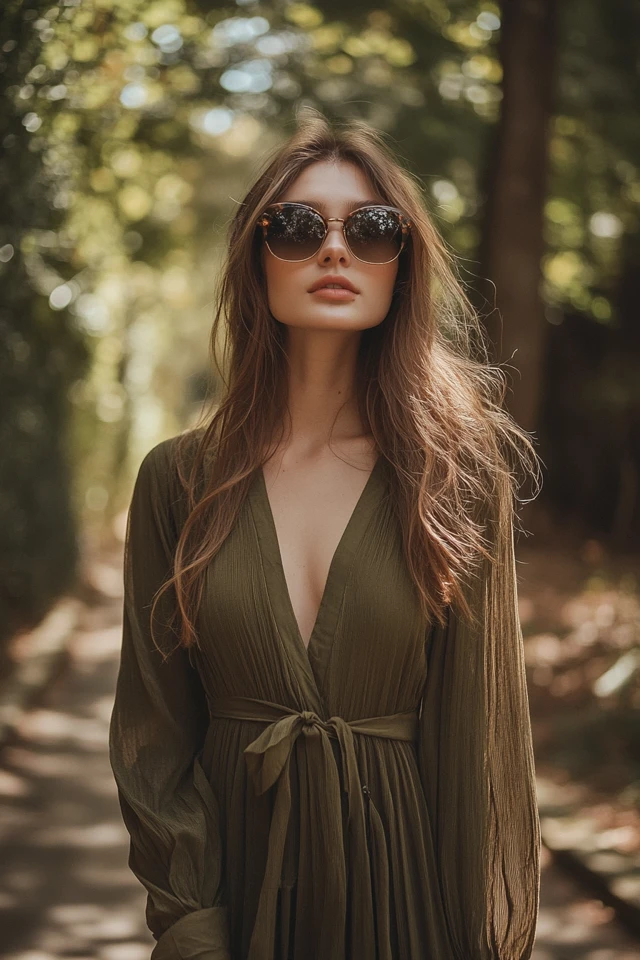
Dresses are a good option because one piece covers the whole torso. Wool-blend dresses with chiffon sleeves, a chiffon skirt or a chiffon overlay give you warmth where you need it and movement where you want it. For more on fabric pairings, see cotton and silk blends for light transitional dresses and fitted knit dresses for transitional seasons.
Which silhouettes layer best?
- A-line and fit-and-flare dresses leave room for a thin knit underneath.
- Wrap dresses adjust easily, so they work with or without a layer.
- Midi lengths are warmer on the legs, and tights and ankle boots finish them for cooler days.
- Sheath dresses look best under a trench or blazer that does not add bulk.
Chiffon over wool: what to expect
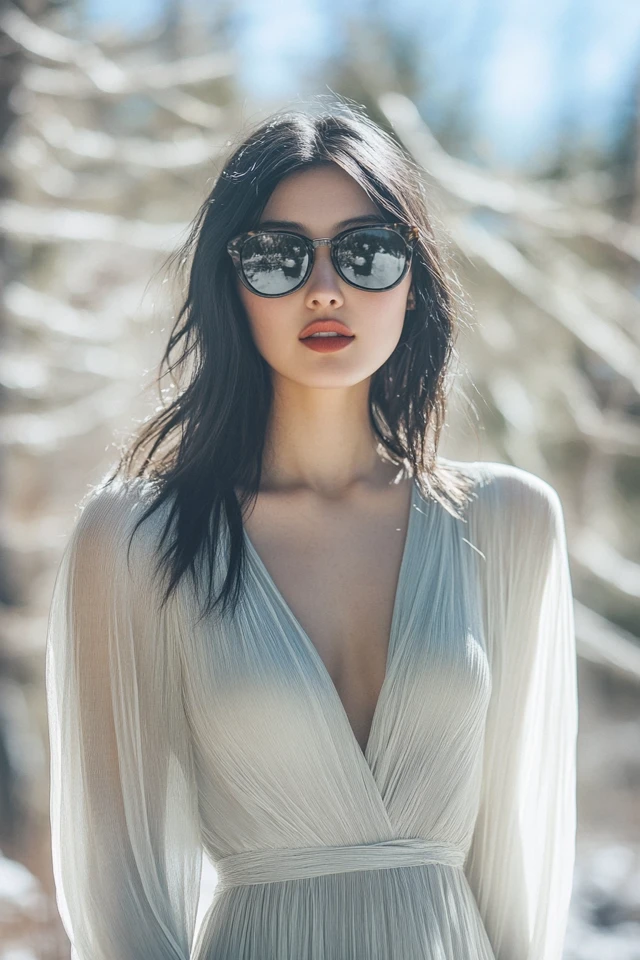
Chiffon is sheer and light, and wool is dense and warm. Together they create a contrast that you can see and feel: the wool reads as solid and the chiffon catches light and moves. If you are adding a slip or lining, check that the chiffon still drapes freely. Dry cleaning is often recommended for these blends, so read the care label before you buy.
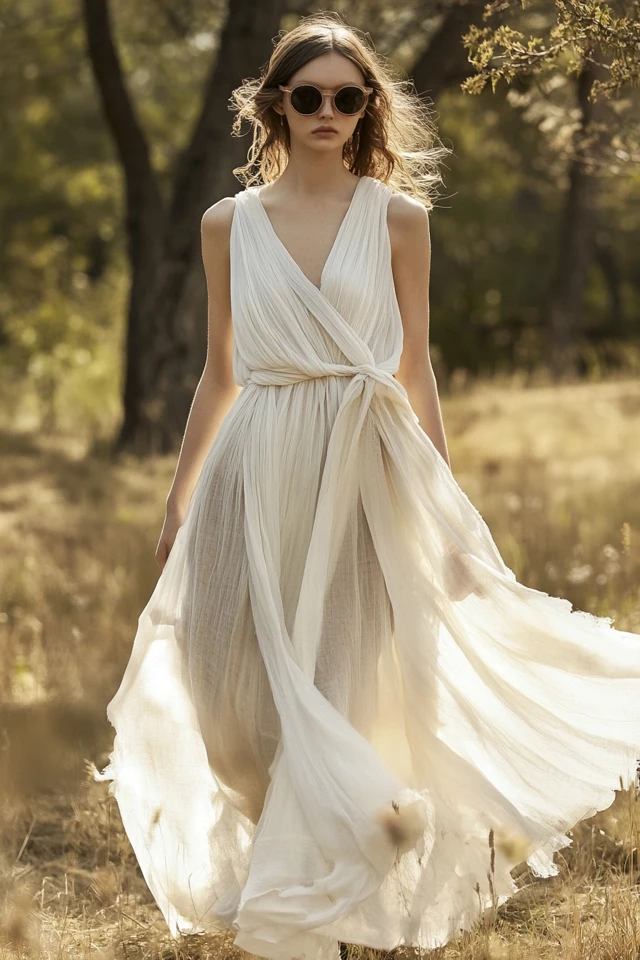
Lighten the palette with soft neutrals
Winter darks look heavy once the light changes, so shift gradually. Swap charcoal for gray, black for navy, and add cream, camel, soft blue or blush. Earthy tones such as olive and rust bridge the seasons well.
Keep one anchor in the outfit, such as navy trousers or a dark shoe, and let the layers on top go lighter. That way the change feels deliberate rather than washed out.
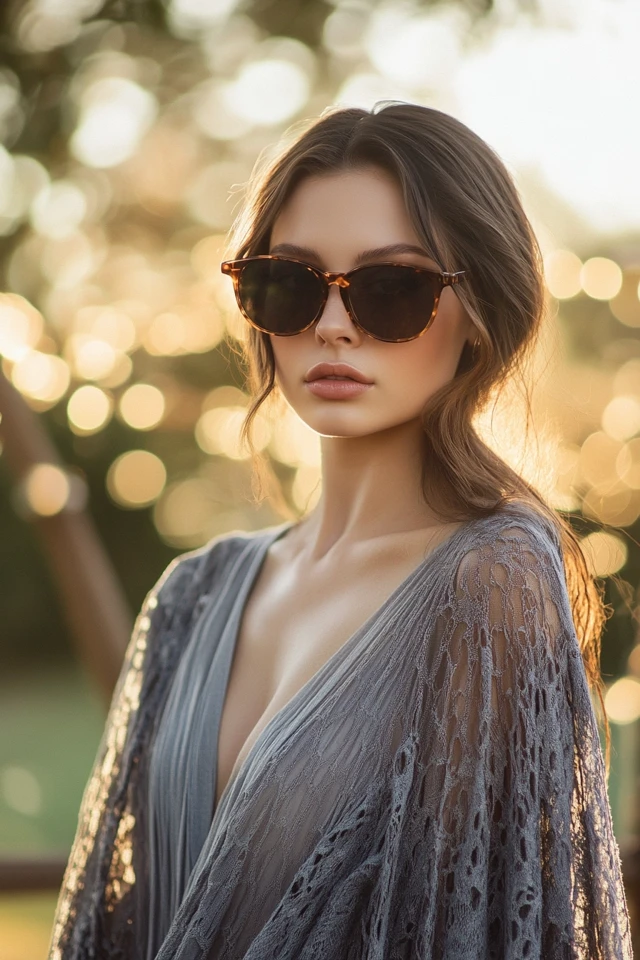
Choose transitional shoes and accessories
Loafers, flats and ankle boots handle damp pavement better than sandals and look right with both trousers and dresses. For colder mornings, add thin tights or socks. A lightweight scarf is the easiest accessory to take off when the day warms up, and lightweight scarves for transitional seasons covers how to choose one.
Keep jewelry simple with textured fabrics. Small studs, a thin chain or pearls let the dress or knit do the talking.
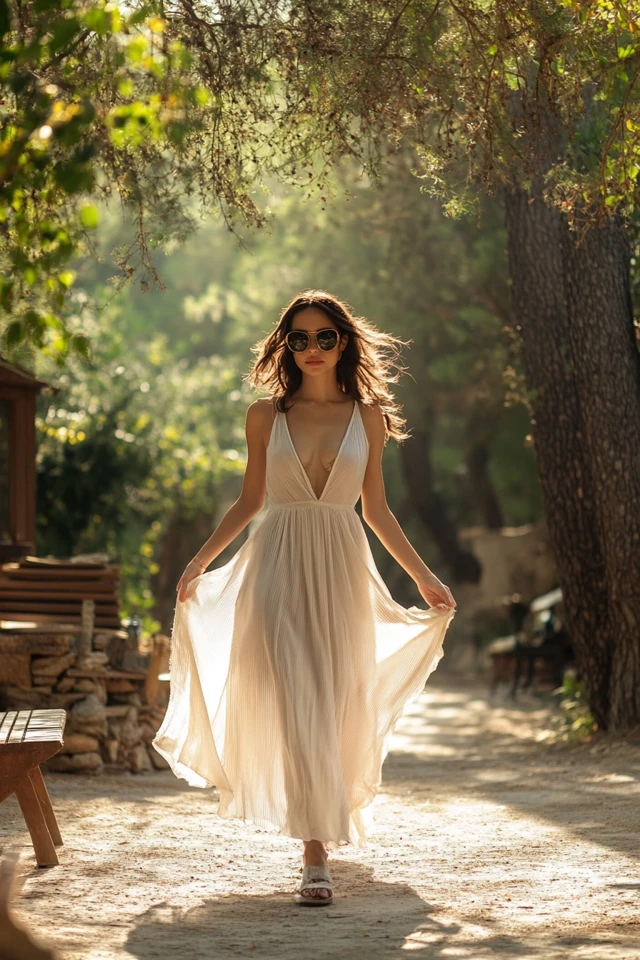
Three outfits to copy
- Office: gray wool-blend bodice dress with chiffon sleeves, navy trench, black pumps.
- Weekend: white tee, fine-gauge cardigan, straight jeans, loafers and a denim or barn jacket.
- Evening: emerald sheath dress with sheer sleeves, cropped leather jacket, pointed-toe pumps.
If you like the dress route, cotton and wool blend dresses are a good more casual option.
Frequently asked questions
How to dress for transitional weather?
Wear thin layers you can remove one at a time: a tee, a cardigan or vest, and a light jacket or trench. Each piece should look good alone.
What is the 3-3-3 rule for outfits?
It is a popular wardrobe shortcut, usually described as choosing three tops, three bottoms and three pairs of shoes to mix and match. Versions vary, so treat it as a planning idea rather than a fixed rule.
Can chiffon and wool dresses be worn all year?
They suit spring and fall best. Lighter blends can work on cool summer evenings or mild winter days with tights and a coat.
Filed under Fabrics & Textures