Breathable Fabrics for Humid Weather: Cotton vs. Linen
- Words by
- Julio Arco
- Published
- Reading
- 4 min
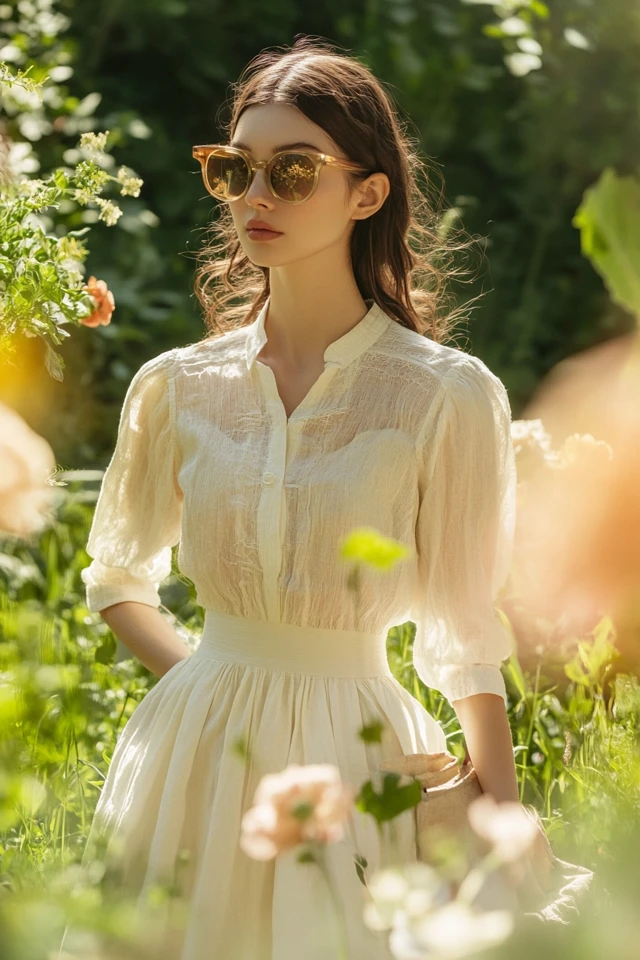
For humid days, light natural fabrics such as linen and cotton are a reliable starting point. Philadelphia's Board of Health notes that lightweight fabrics like cotton and linen are breathable, absorb sweat and dry quickly. Linen has the edge when it is truly sticky, and a blend of the two gives you a skirt that is airy and still soft.
Below: how the two fibers differ, which fabrics to skip, and how to turn a cotton-linen skirt into outfits for the whole week.
Why does fabric matter more in humidity?
In dry heat, sweat evaporates and cools you. In humid air it evaporates slowly, so the fabric against your skin decides whether you feel damp or comfortable. Two things count: how much air passes through the weave, and how quickly the cloth releases moisture.
Fit matters as much as fiber. A loose skirt that skims the leg lets air move, while a clingy one traps heat even in a good fabric.
Linen vs cotton for humid weather
Both are breathable, but they behave differently once they get damp. According to Georgia Tech's News Center, cotton's moisture vapor transmission rate is lower than linen's, meaning it doesn't dry as quickly. In practice, linen is the better pick for the muggiest days.
Cotton wins on softness and on wrinkles. Linen has a crisp, slightly nubby hand and creases easily, which is part of its look. Through the lens of evidence-based design, I'd say texture changes how a color reads: the same pale mint looks more relaxed and matte in linen, and smoother and brighter in cotton.
Why blend them?
A cotton-linen blend softens linen's stiffness and reduces some of its creasing, while keeping much of its airiness. For skirts that is a sensible middle ground. If wrinkles bother you, look for a higher cotton share; if heat is the bigger worry, choose more linen.
What is the best fabric for hot and humid weather?
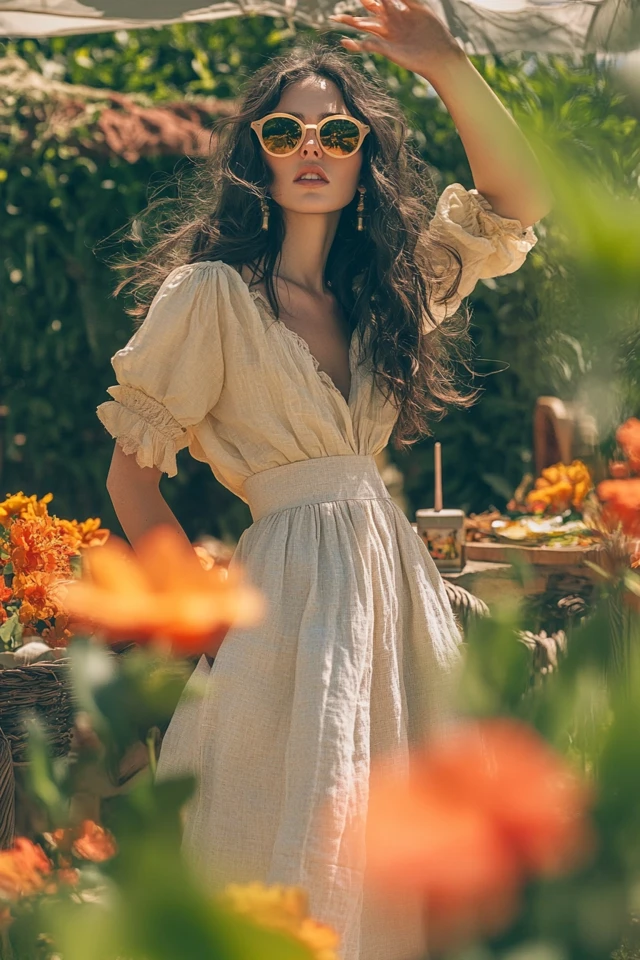
Linen is the best fabric for hot and humid weather for most people, with lightweight cotton close behind. Look for open weaves such as gauze, voile, poplin and seersucker, which lift away from the skin. Weight matters too: a thin, loose-woven cotton can feel cooler than a heavy linen.
If you want more ideas, see cotton and linen blends for breezy summer outfits.
What about synthetics and moisture-wicking fabrics?
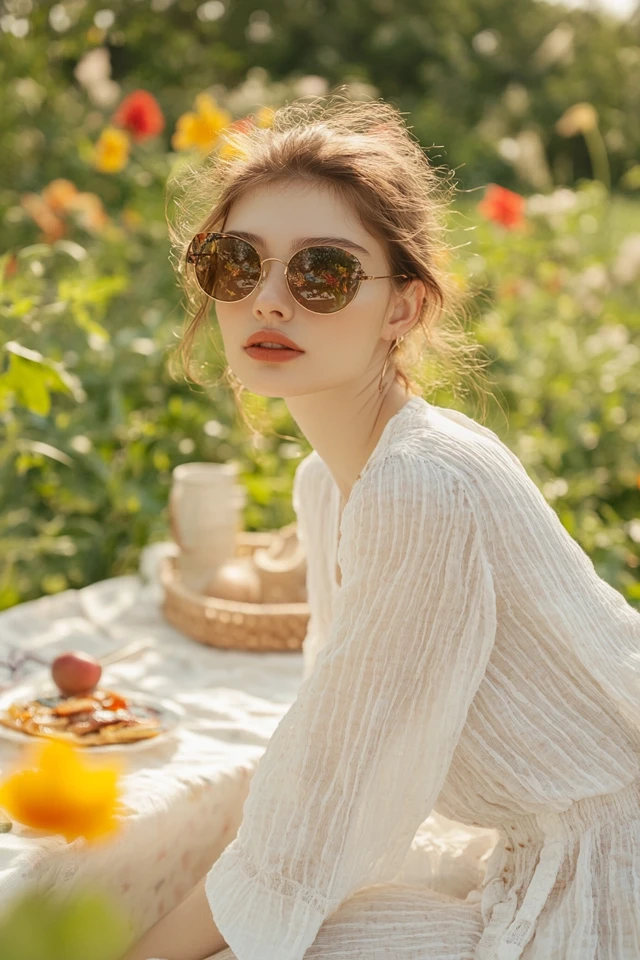
Sport fabrics have a place if you are walking far or exercising. Texas A&M AgriLife Extension's Howdy Health advises choosing quick-drying, sweat-wicking fabrics, such as polyester, polypropylene, nylon, or nylon-blend. These pull moisture off the skin, which suits workouts better than a linen skirt.
For heavy sweating in everyday wear, a loose linen or open-weave cotton layer is usually the most comfortable choice, and a wicking tee underneath can help on long, active days. If sweating worries you medically, check with a professional.

What are the worst fabrics for hot, humid weather?
- Heavy, tightly woven synthetics that do not breathe, such as thick polyester crepe or satin.
- Denim and other dense twills, which hold heat and dry slowly.
- Fleece, wool knits and anything lined with a non-breathable lining.
- Cotton for hard exercise: Howdy Health says to avoid cotton because it absorbs moisture and can keep it next to your skin.
That last point comes from cold-weather advice, but the logic holds for any workout: cotton stays wet. For casual summer wear it is fine.

Which skirt cuts keep you coolest?
Air needs room to move, so choose shapes that do not cling.
- A-line and tiered skirts swing away from the legs and create airflow.
- Wrap skirts adjust to the day and are easy to loosen.
- Maxi and midi lengths cover skin from the sun and still feel light in a gauzy weave.
- Side slits add ventilation to longer hems.
- Elastic or drawstring waists stay comfortable when you are warm.
For button-front styles, see cotton button-up skirts for warm breezy days.
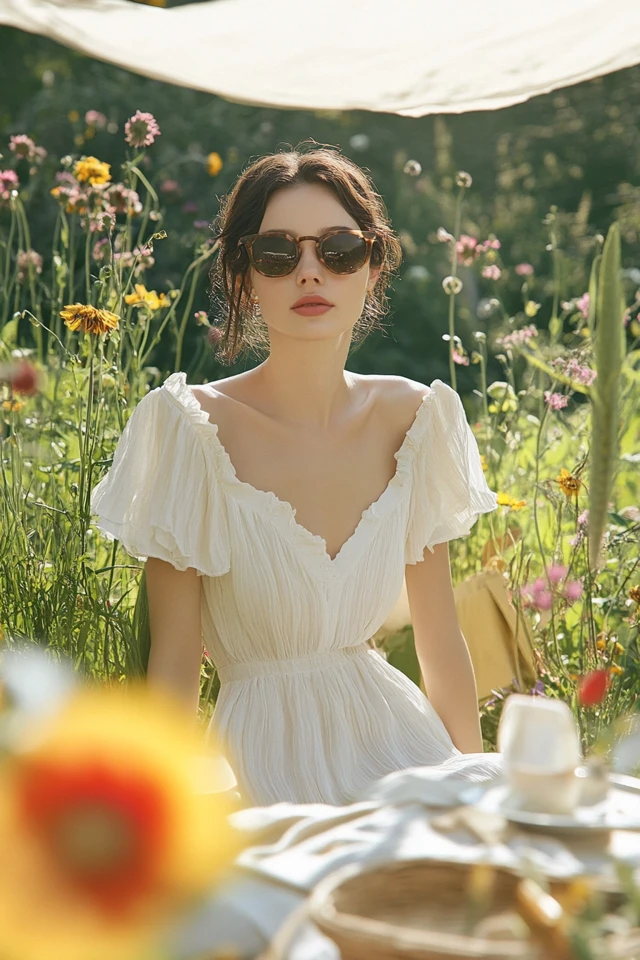
How to style a cotton-linen skirt
Keep the top lighter or closer-fitting than the skirt so the proportion stays balanced.
- Casual day: a beige button-front A-line skirt, a white linen tank tucked in, slide sandals and a straw tote.
- Beach walk: a light blue tiered maxi with a fitted cropped top and espadrilles.
- Evening: a terracotta wrap midi with a silk camisole, block heels and statement earrings.
- Office: a navy midi with a side slit, a light blue button-down and loafers.
As an architect trained in evidence-based design, I'd treat the waistline as the first thing the eye reads, so a belt or a tuck is the quickest way to make a relaxed fabric look put together.
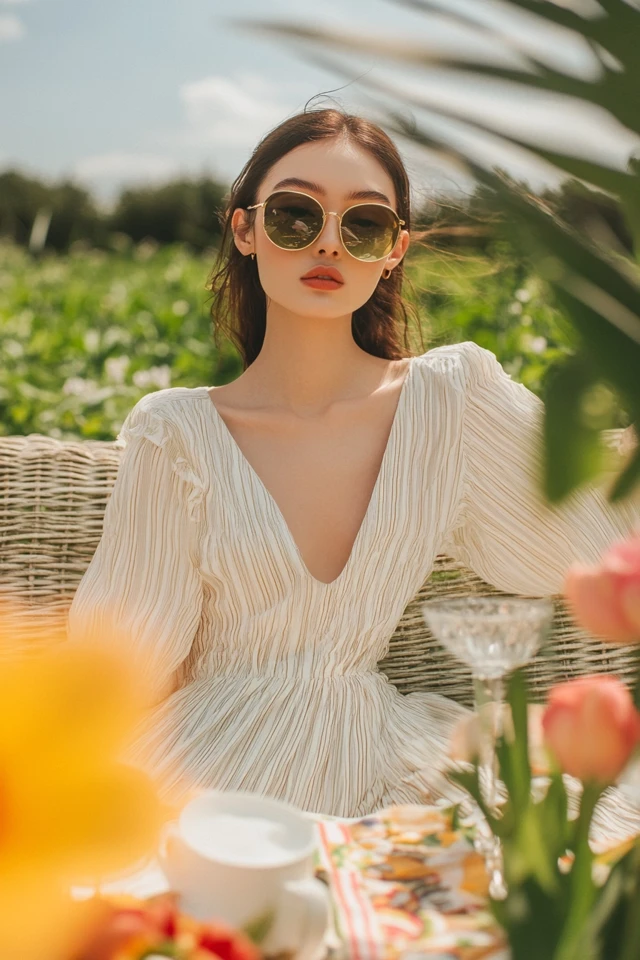
More looks: rustic linen and cotton outfits for summer comfort and breezy linen shirts.
Color, pattern and care
Light neutrals, pastels and earth tones all work in summer, and light colors reflect more sunlight than dark ones. Stripes, gingham and small florals hide small creases well, which helps with linen.
Wash in cool water and air-dry to limit shrinkage, then steam rather than press hard. A softly rumpled linen skirt looks intentional.
Frequently asked questions
What is the best fabric to wear in humid weather?
Linen is usually the best choice because it breathes and dries faster than cotton. Lightweight, loose-woven cotton is a close second and feels softer.
What is the best fabric for excessive sweating?
Loose, open-weave linen or cotton helps air move, while quick-drying synthetics suit exercise. For persistent heavy sweating, check with a doctor.
What fabric is best for staying cool in the summer?
Linen, lightweight cotton and blends of the two are dependable. Pick airy weaves like gauze or voile and a loose cut.
What are the worst fabrics for hot, humid weather?
Dense or non-breathable fabrics such as thick polyester, satin, denim and wool hold heat and moisture. Tight cuts make any fabric feel hotter.
Filed under Fabrics & Textures