Best Beanies for Winter: Chunky Knits for Cold Wind
- Words by
- Julio Arco
- Published
- Reading
- 4 min
The warmest winter beanie is a snug, chunky knit in wool or a wool blend, with a fleece lining if the wind is strong, and a fit that covers your ears fully. Thick stitches trap air, and the lining blocks the gaps that wind finds.
Below: how materials compare, which fit and details matter, and how to wear a chunky beanie so it looks intentional. I can't rank specific products here, so this is a guide to choosing, not a list of brand picks.
Are beanies good for winter?
Yes, and wind is the reason. Your head and ears feel a gusty day quickly, and a beanie adds a layer exactly where you notice it. A chunky knit works well because the thick yarn and open texture hold air close to your head.
One caveat: a loose, stretched-out beanie lets wind slip underneath. Fit matters as much as thickness.
What kind of beanie is warmest?
For most people, a wool or wool-blend knit with a fleece lining. Here is how the common materials compare.
| Material | Warmth | Good to know |
|---|---|---|
| Wool or merino blend | High | Insulates and handles damp better than cotton. Merino feels softer on the forehead. |
| Acrylic | Medium | Budget-friendly, light, easy to wash. A fair option if wool itches. |
| Cashmere or cashmere blend | High for its weight | Very soft and light, but more delicate. |
| Cotton | Low | Fine for mild days, a poor choice in cold, wet weather. |
On cotton, Texas A&M's Howdy Health advises you to avoid cotton because it absorbs moisture and can keep it next to your skin, which makes you cold. That is written about exercise clothing, but the same logic applies if you sweat under a hat on a brisk walk.
Is a fleece lined beanie worth it?
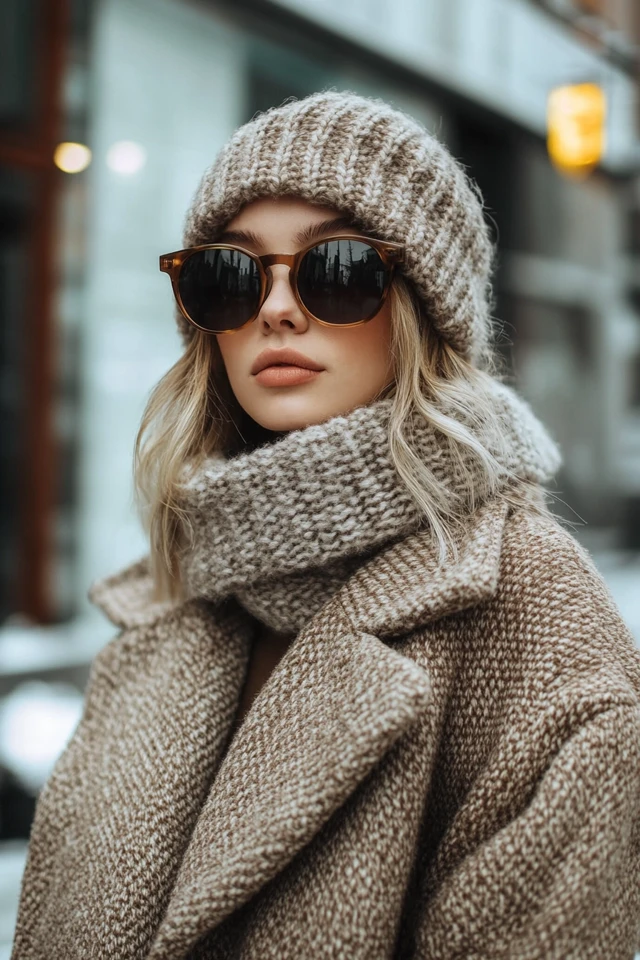
In strong wind, yes. A fleece lined beanie adds a soft second layer that closes the small gaps in a chunky stitch, so less air passes straight through. It also feels smoother against skin than coarse wool.
Thermal beanie hats work on the same idea, with a dense inner layer. If you run warm or your days are mild, an unlined wool beanie is more comfortable and breathes better.
How should a winter beanie fit?
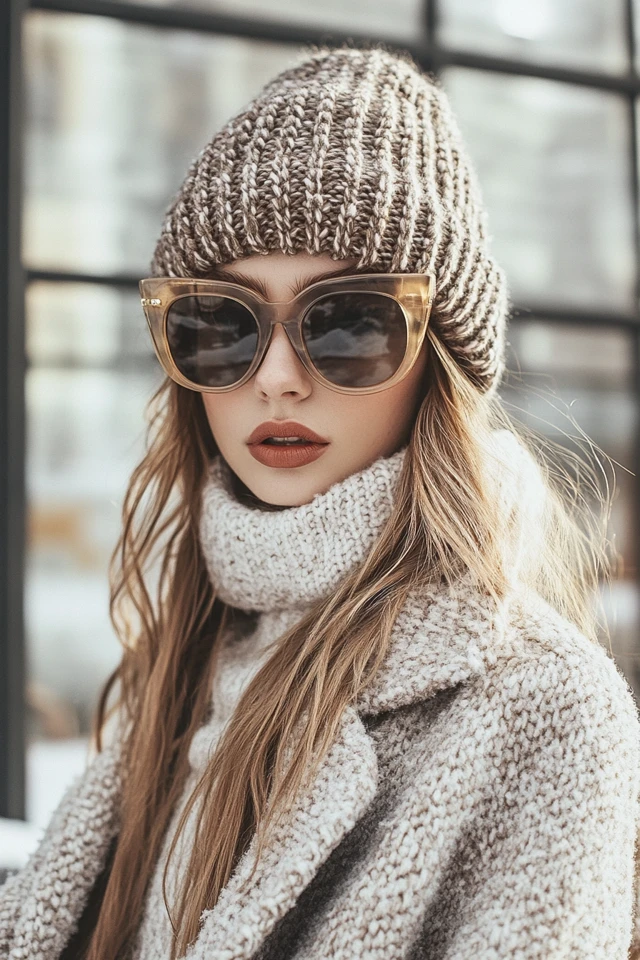
Snug, but not tight. It should cover the tops of your ears and sit without squeezing your forehead. If it slides up or leaves gaps, size down or look for a fold-over cuff.
- A cuff doubles the fabric over your ears, which is where wind bites first.
- Look for good stretch so the beanie keeps its grip on different head sizes.
- Try it on with your hairstyle, since a bun or ponytail changes the fit.
A heavy knit can feel bulky, so a slim fit helps. If a beanie looks oversized on you, that is usually a size issue, not a styling issue.
Winter beanies for men and women: is there a difference?
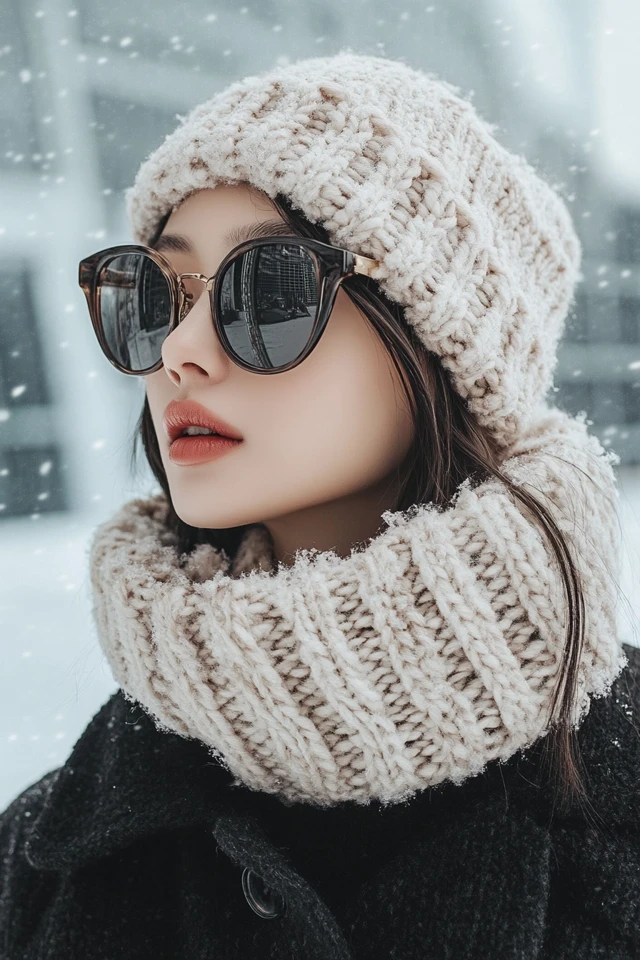
Mostly in sizing and color range, not in warmth. Winter beanies for men often come in deeper, more muted colors and a slightly larger fit, while beanies for winter women's collections lean toward more color options and softer yarns. Choose by fit and fabric, and ignore the label if another cut suits you better.
How to style a chunky knit beanie
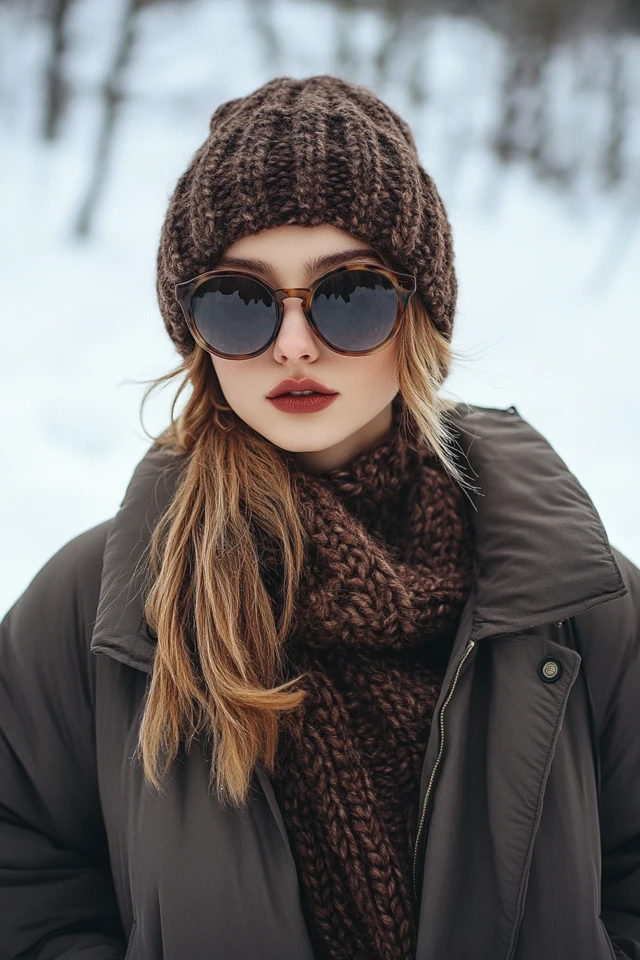
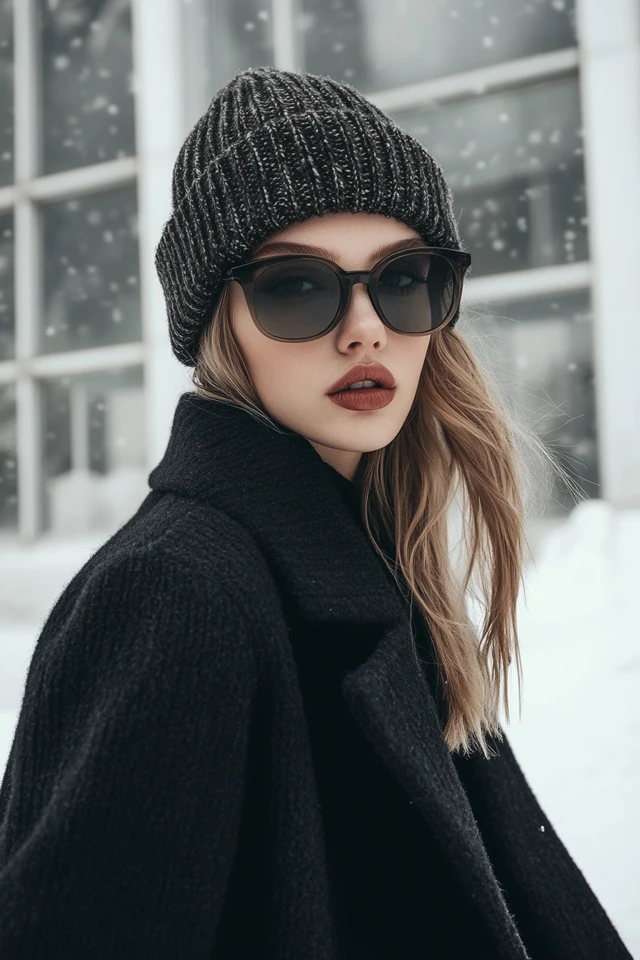
Through the lens of evidence-based design, I'd treat the beanie's texture as the point of the outfit. A thick knit catches light unevenly, so it reads as a focal point, and a solid color keeps it from competing with the rest of the look.
- Everyday: a neutral beanie with an oversized sweater, jeans and ankle boots.
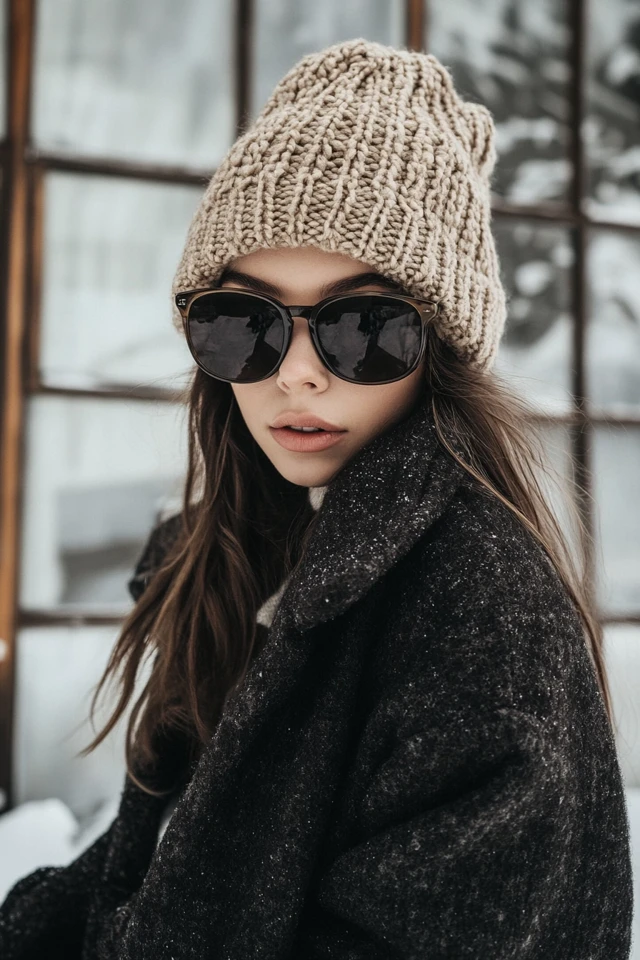
- City: black or gray with a tailored wool coat and leather gloves.
- Snow day: a fleece-lined beanie, a waterproof parka and insulated boots. A bright color is easy to spot against white.
- Dressed up: a soft pastel knit with a belted coat and a turtleneck dress.
For more cold-weather pieces that pair well, see chunky knit sweaters for winter wardrobes, heavy wool scarves for wind chill and our other take on cable knit beanies.
How to care for a chunky beanie
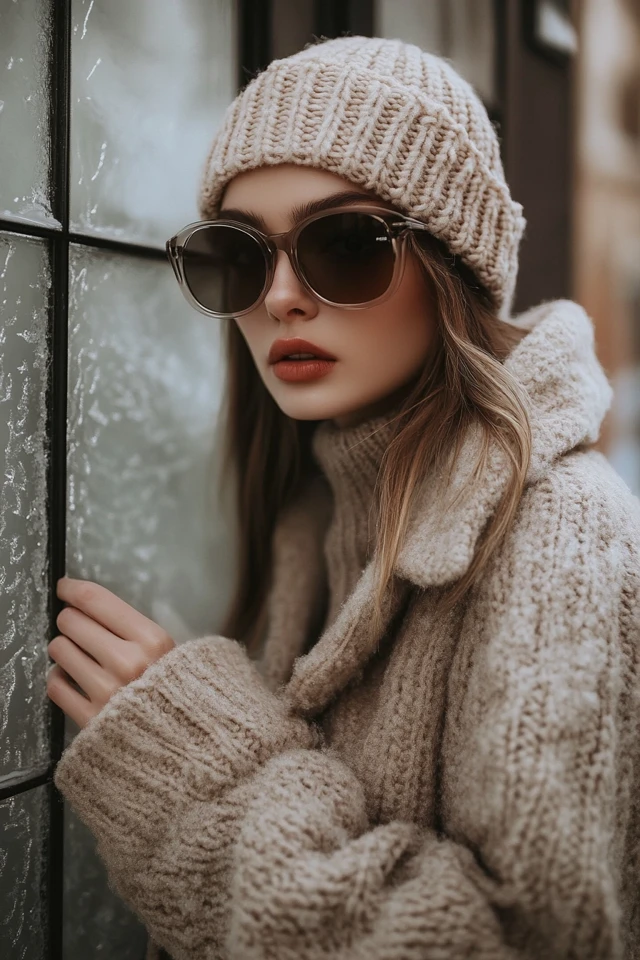
Check the label first. Wool and wool blends usually do best washed by hand in cool water with mild detergent, then dried flat so they keep their shape. A dryer's heat can shrink them.
Store it folded in a dry place in the off-season, since hanging can stretch the knit. If you have wool sensitivities or skin concerns, check with a professional before choosing a fiber.
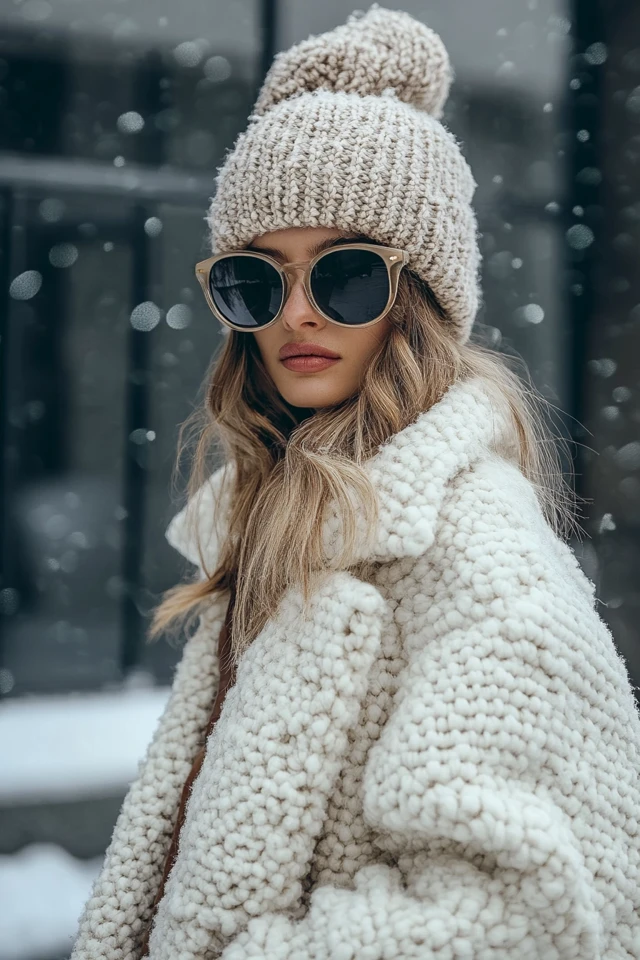
Pair a beanie with warm layers on your feet too, such as cozy knit socks, and you cover most of what wind reaches first.
Frequently asked questions
What is the best beanie to keep warm in winter?
A snug wool or wool-blend chunky knit, ideally with a fleece lining and a fold-over cuff over the ears. Avoid cotton for cold or damp days.
Which beanie is best for winter?
It depends on your climate. Choose a lined wool beanie for strong wind and freezing days, and an unlined wool or acrylic one for milder weather.
Can chunky knit beanies fit all head sizes?
Most have enough stretch for a range of sizes, but a very large or small head may need a specific size. Try it on and check that the beanie covers your ears without pressure.
How do I avoid hat hair when wearing a beanie?
A smooth lining such as fleece can reduce friction and static. Wearing the beanie a little looser, or pulling it on gently, also helps.
Filed under Weather Style