Linen Shirts for Hot, Dry Outdoor Work
- Words by
- Julio Arco
- Published
- Reading
- 4 min
For hot, dry outdoor work, linen shirts are one of the most comfortable choices: the loose, airy weave lets heat and moisture escape, and the fabric dries quickly once you stop sweating. Pick a relaxed fit, a light color and sleeves that match how much sun you take.
Linen is not a technical performance fabric, so it has trade-offs. It wrinkles, it offers less rated sun protection than a purpose-made sun shirt, and it needs a little care. Here is how to choose well and wear it.
Why linen works in dry heat
Linen is woven from flax, and the yarns have a slightly stiff, open structure. The cloth sits away from your skin instead of clinging, so air moves between fabric and body. In dry heat, sweat evaporates fast, and a shirt that does not stick to you feels noticeably cooler.
Through the lens of evidence-based design, I'd weigh the feel of the fabric as much as the label. A shirt that touches your skin lightly and does not cling is easier to ignore, and that helps when you are focused on a task for hours.
Which linen shirt style suits outdoor work?
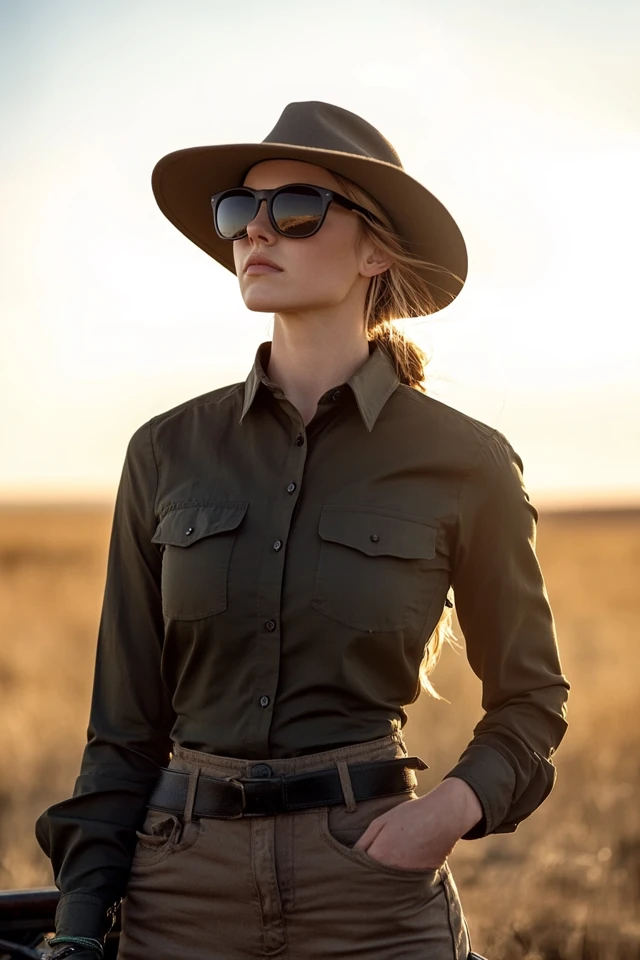
Long sleeves for direct sun
If you are exposed from morning to late afternoon, long sleeves usually keep you more comfortable than bare arms. Roll them up when the heat peaks. Linen holds a roll well because the fabric is a little crisp.
Short-sleeve linen shirts for lighter tasks
Short-sleeve linen shirts suit gardening, errands and shaded work. They move better around the elbows and are the easier pick if you are tempted to skip a shirt change midday.
Linen button-down shirts and pullovers
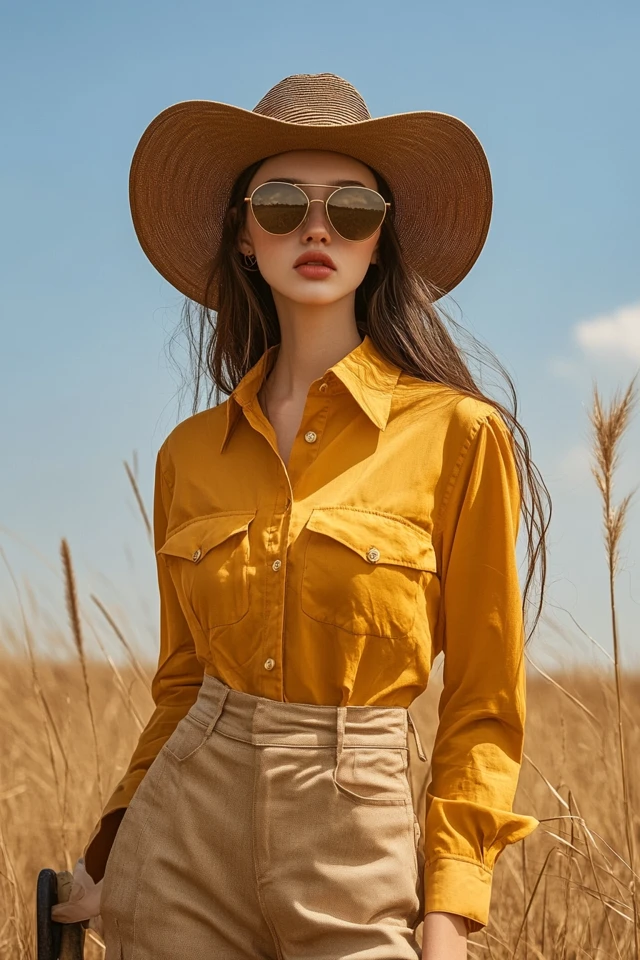
Linen button-down shirts let you open the front for airflow and close it when the wind picks up. A chest pocket is useful for small tools or a pencil. If you prefer a pullover cut, take a look at relaxed linen tunics for dry, hot climates.
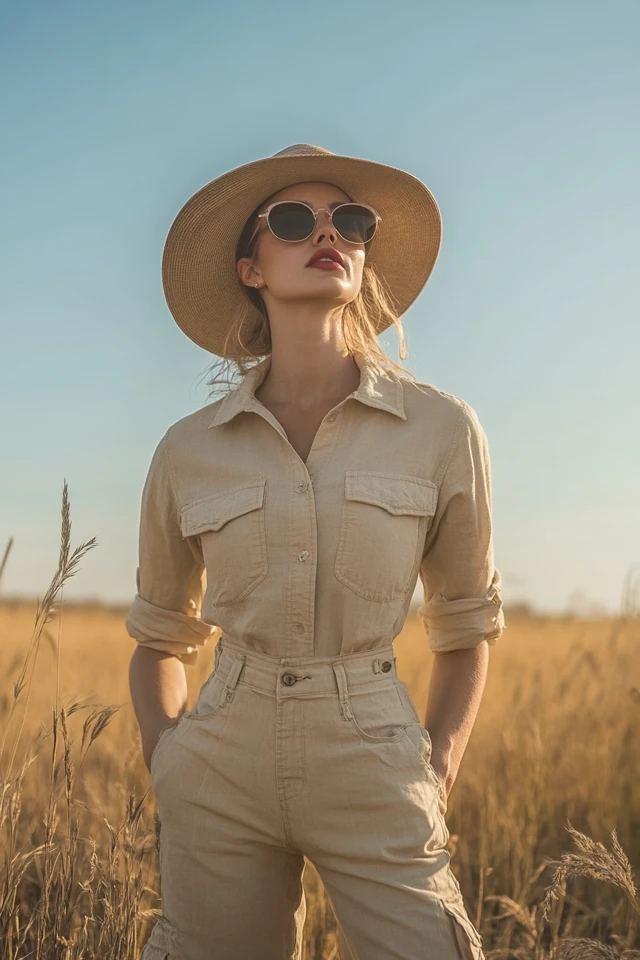
How to choose men's linen shirts that last
- Fit: choose a relaxed cut with room in the chest and upper arms. A shirt that pulls at the shoulders is a fit problem, not a you problem, so size up before you fight it.
- Weave: hold the fabric to the light. A very open weave breathes well but lets more sun through. A tighter, mid-weight weave is better for long days outside.
- Fiber content: a pure linen shirt is the coolest option, while a linen-cotton blend wrinkles less and feels softer. Read the label and choose by how much you value crispness versus ease.
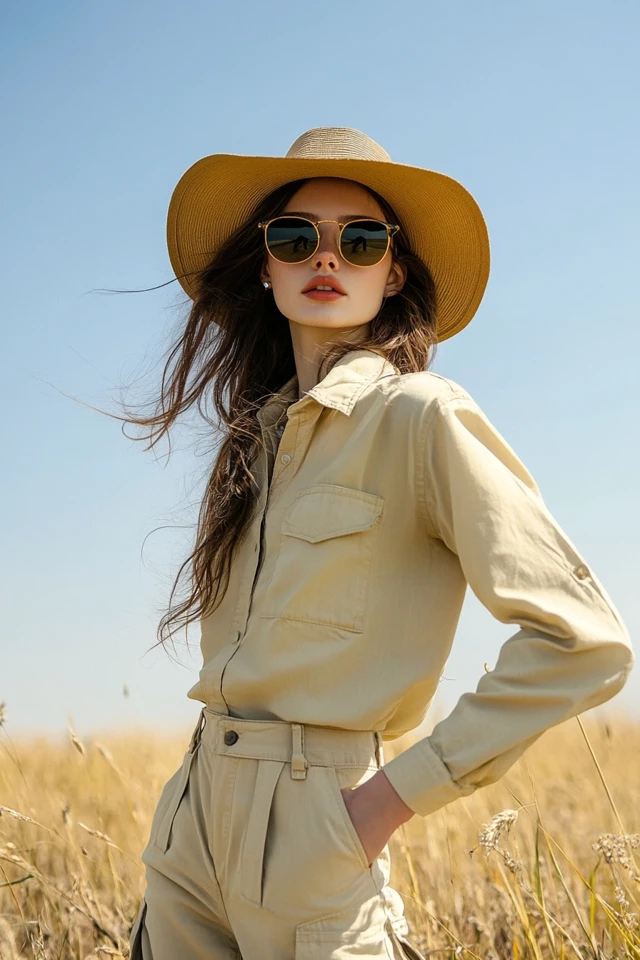
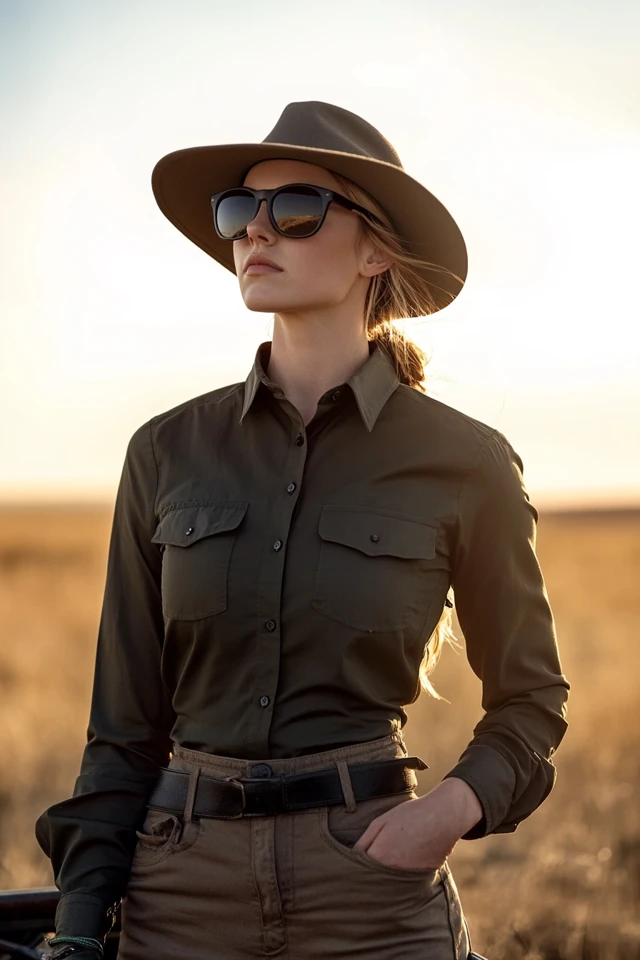
- Color: light sand, stone, pale blue and white reflect more light than dark shades. Mid-tones like olive hide dust and sweat marks better.
- Buttons and seams: look for sturdy buttons and flat seams. Work is harder on a shirt than a patio lunch.
If you need a verified sun-protection rating, check for a UPF label on the shirt. Plain linen rarely comes with one.
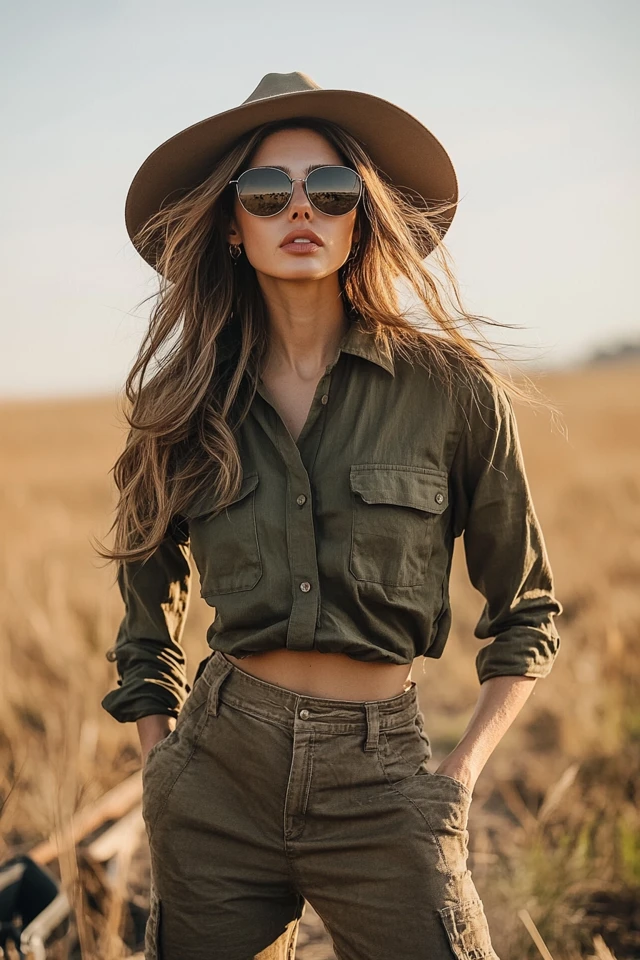
How to style linen shirts for work and after
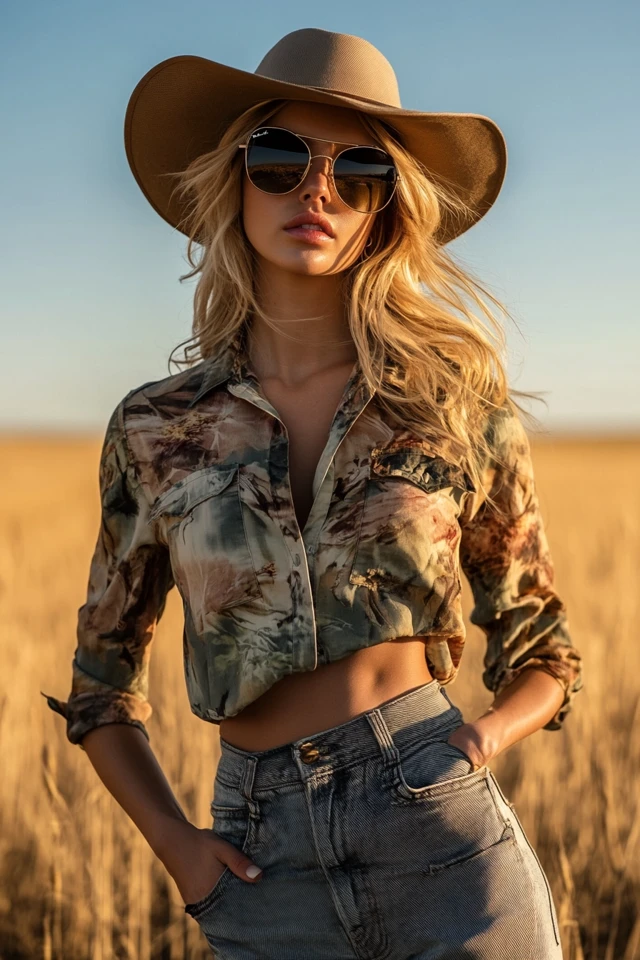
Keep the formula simple: a relaxed linen shirt, sturdy trousers or shorts, and closed shoes that suit the job. Add a wide-brim hat for sun. For ideas on headwear, see breathable straw hats for bright and hot days.
Do linen shirts look good with jeans?
Yes. Linen and denim are both textured, so they sit well together. Keep the jeans a mid or dark wash and the shirt a lighter color, so the top reads as the cooler layer. Tuck the shirt in loosely or leave it out if the hem is cut straight.
Layering and finishing
For cool mornings, wear a thin knit or light jacket over the shirt and remove it as the day heats up. A neutral belt and a plain watch finish the look without adding weight. For more ways to dress for dry heat, read desert chic fashion tips for hot and dry environments.
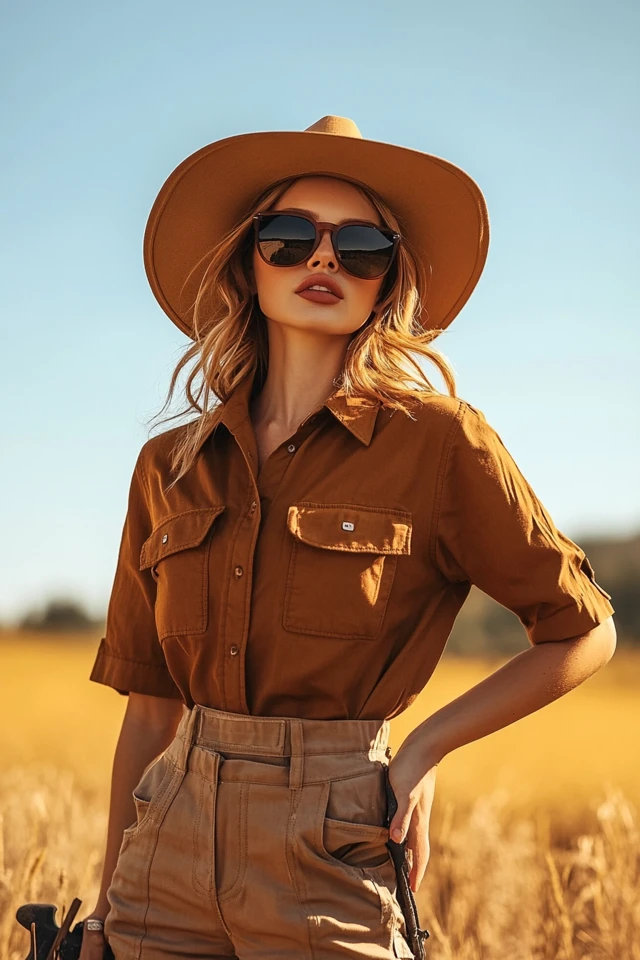
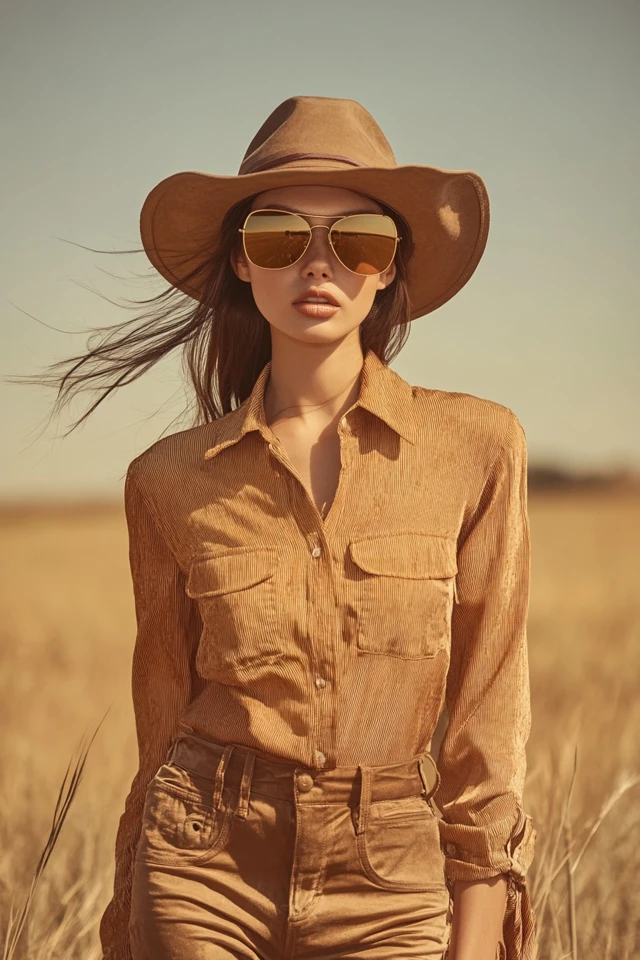
Linen shirts for the beach and travel
The same qualities that help on a job site work at the shore: quick drying, loose fit and light colors. Wear a linen shirt open over swim shorts or buttoned to the collarbone for a sun-covered walk. Expect creases after packing. Roll the shirt instead of folding it, and shake it out when you arrive.
Care: keep linen soft and cool
- Wash after sweaty days. Use cool or warm water and a gentle detergent.
- Skip fabric softener if you want the cloth to stay airy.
- Hang to dry or tumble on low and remove while slightly damp. Heat sets wrinkles.
- Treat stains quickly. Heat can set some stains, so the University of Georgia Extension notes in its guidance on removing blood stains that you should treat immediately and that stains set by heat are difficult to remove.
If you want a softer cotton option for cooler days, breathable cotton fabrics for year-round wear is a useful comparison.
Frequently asked questions
Are linen shirts formal or casual?
Mostly casual. Linen has a natural crispness and wrinkles easily, which reads relaxed. A well-pressed linen button-down in a neutral color can pass as smart casual, especially with tailored trousers.
When to not wear linen?
Skip it in cold weather, for very formal events with strict dress codes, or when you need a perfectly smooth look all day. It is also a poor pick for tasks that snag or abrade fabric.
Is linen still in style?
Linen is a long-standing warm-weather fabric rather than a passing trend. Relaxed cuts in neutral colors tend to stay wearable season after season.
Filed under Weather Style