Seasonal Athleisure Guide: Fabrics and Outfits
- Words by
- Julio Arco
- Published
- Reading
- 4 min
Athleisure works in every season when you choose by fabric first and silhouette second. Pick breathable, stretchy knits for warm weather, a wicking base layer plus a structured outer layer for cold weather, and keep the colors close together so the outfit reads as one piece.
Below: what makes athleisure look polished, the fabrics worth looking for each season, a small capsule, and outfit formulas for work and weekends.
What makes athleisure look elevated?
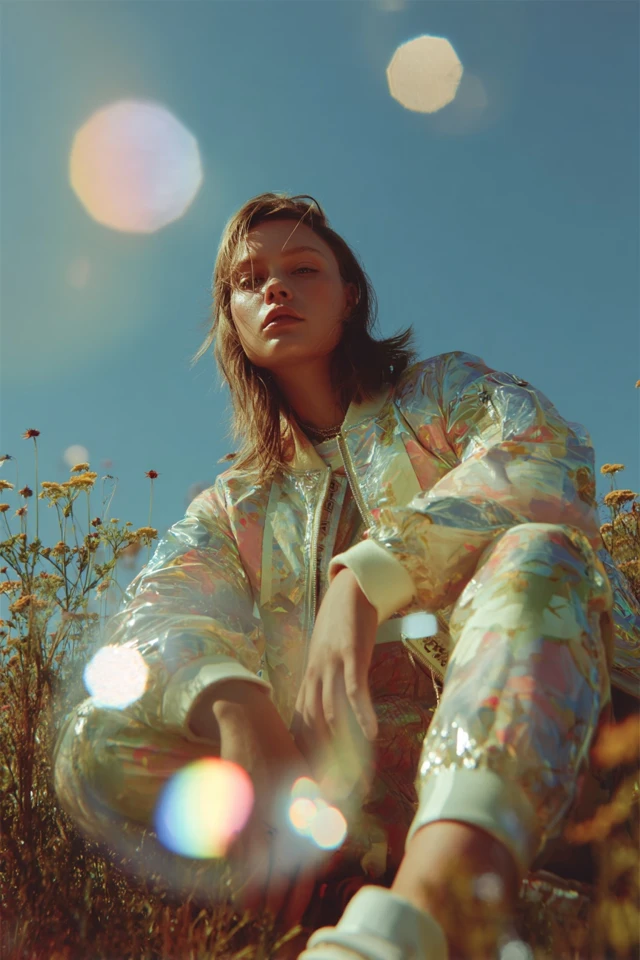
Elevated athleisure outfits usually come down to three things: a clean fit, a fabric that holds its shape, and one non-athletic piece in the mix. Leggings with a thick, opaque knit look sharper than thin, shiny ones. A zip jacket with a bit of structure reads as intentional, where a washed-out hoodie reads as gym leftovers.
Through the lens of evidence-based design, I'd look at surface before color. A matte, dense knit and a glossy stretch fabric in the same charcoal do not read as the same color, because the surface changes how light reaches the eye. Matte tends to look calmer and more finished.
How to style athleisure: the basic formula
If you want a quick method for how to style athleisure, pair one sporty piece with one polished piece and keep everything else quiet.
- Sporty bottoms (joggers, leggings) with a tailored blazer or crisp shirt.
- A tailored trouser in stretch fabric with a technical tee or fitted tank.
- Trainers in a clean, single color, with a bag or jacket that is not sporty.
Check the shoulder seam and hem lengths first. Pilling, bagging at the knee and a hem that rides up are fit and fabric problems, not you problems.
Which fabrics suit spring and summer?
For spring, look for lightweight stretch knits, modal blends and moisture-wicking polyester blends. They stay comfortable as temperatures swing, and they layer well under a zip-up or bomber. Bamboo-based and recycled fabrics exist in this category too, and the care label tells you what you are actually buying.
For athleisure outfits in summer, go lighter still: thin jersey tanks, breathable shorts and open-knit tees. Pale neutrals and soft pastels reflect the season, and a single warm accent (coral, say) keeps them from looking flat. Avoid heavy fleece or thick compression fabric on hot days.
What should you wear for cold-weather athleisure?
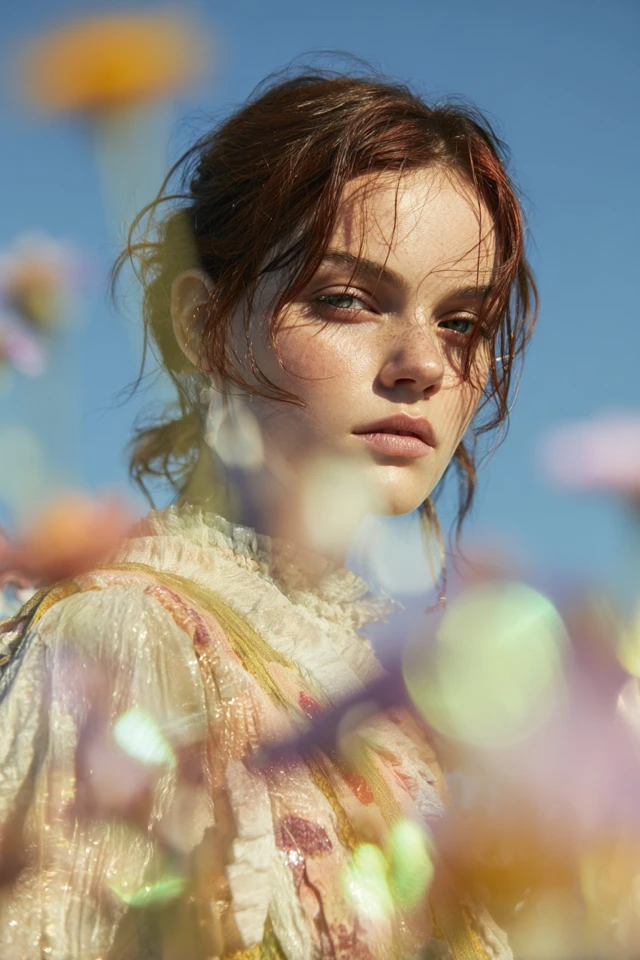
Think in layers. Howdy Health at Texas A&M advises that the layer closest to your skin should be made of moisture-wicking materials that draw sweat away from your skin. The same page says to avoid cotton, including undergarments, because it absorbs moisture and can keep it next to your skin, making you cold.
On top of that base, add a fleece or knit mid-layer and a structured outer layer such as a puffer vest or longline jacket. If you want fall and winter pieces in the same palette, the fall athleisure fabric guide goes deeper on textures.
Build an athleisure capsule wardrobe
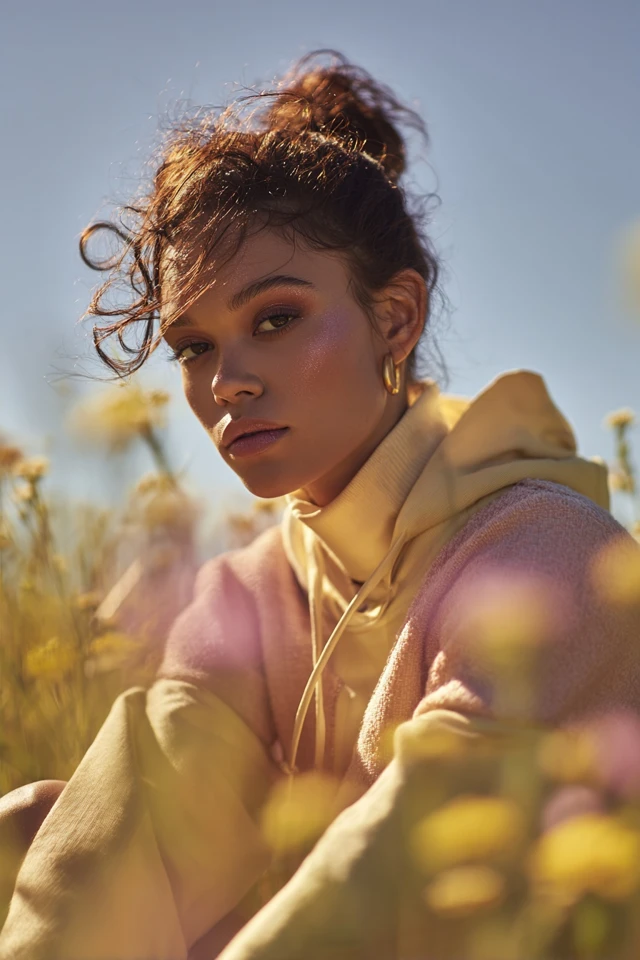
An athleisure capsule wardrobe can be small. Aim for pieces that mix in any combination:
- Two pairs of bottoms: black leggings and a neutral jogger or straight-leg knit pant.
- Three tops: a fitted tank, a soft tee and a long-sleeve layer.
- One zip jacket and one structured layer (blazer, bomber or vest).
- One pair of clean white or neutral trainers.
For a winter version, swap the tank for a wicking long-sleeve base and add a fleece mid-layer. Keep to two or three neutrals plus one accent, and everything matches everything else. For more spring texture ideas, see spring athleisure fabric focus.
Can you wear athleisure to work?
Yes, if the office is casual enough and the pieces are clearly not gym clothes. Athleisure outfits for work work best when the fabric is dense and matte, the silhouette is straight or slightly tapered, and nothing is see-through or logo-heavy.
- Black knit trousers, a fine-gauge sweater and a clean leather or minimal trainer.
- A stretch blazer over a plain tee with tapered joggers in a smooth fabric.
- A matching zip jacket and pant in a dense knit, worn with a collared shirt underneath.
As an architect trained in evidence-based design, I'd treat the neckline and the outer layer as what the eye reads first, so spend your effort there.
Color combinations to try
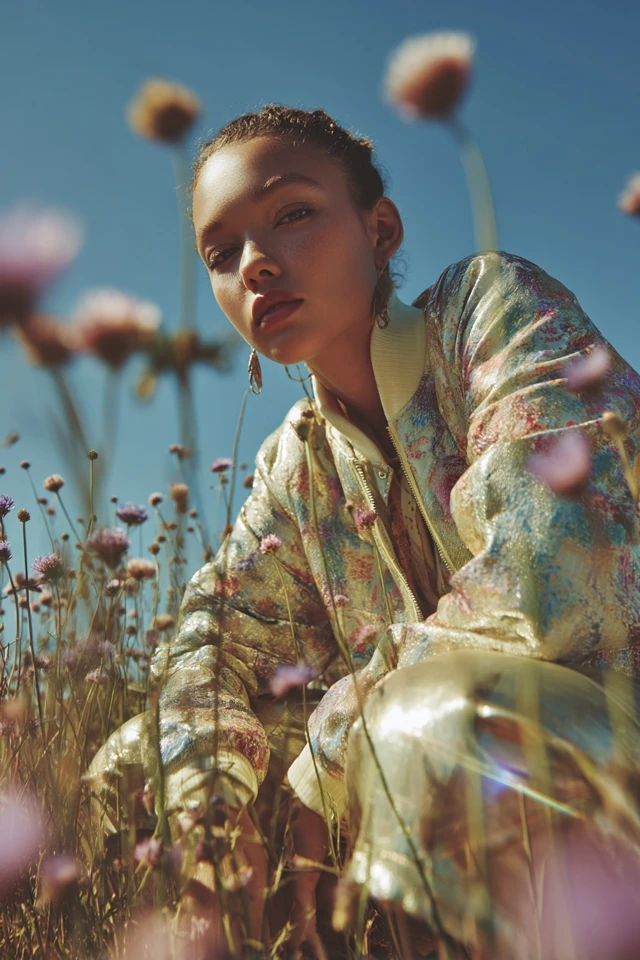
- Soft lilac top, charcoal leggings and pale mint accessories.
- Warm coral sports bra, beige high-waisted bottoms and white trainers.
- Deep navy jacket, slate gray joggers and a blush pink scarf.
Keeping colors close in tone makes the outfit look planned. If you like a different spring mood, try the coastal spring aesthetic.
Care tips that keep technical fabric looking good
Wash stretch and technical fabrics on a gentle cycle and air dry them where you can, since high heat can break down elasticity. Skip fabric softener on wicking pieces, as it can coat the fibers. Always follow the care label.
Frequently asked questions
Is athleisure still in style?
Yes. Comfortable knits and sporty pieces are now part of everyday wardrobes, and the current direction favors cleaner shapes, matte fabrics and neutral palettes over loud logos.
What is the 3-3-3 rule for clothing?
It is a capsule idea: pick three tops, three bottoms and three layers or shoes that all mix together. It works well for athleisure because the pieces share a small palette.
Can athleisure look professional?
It can, when the fabrics are dense and matte, the fit is clean and the outer layer is structured, such as a blazer or tailored jacket.
Filed under Outfit Ideas