Jumpsuit Style Guide: Fabrics, Fits and Occasions
This guide covers the main jumpsuit types, the fabrics that suit each body shape, and how to style one for work, evening, weddings and cold weather.
- Words by
- Julio Arco
- Published
- Reading
- 5 min
The fabric decides most of what a jumpsuit does: how it drapes, whether it holds a waist, and whether it reads as polished or relaxed. Pick the fabric for the occasion first, then adjust the cut and color to your body and your wardrobe.
What are the different types of jumpsuits?
Names vary by brand, but a few shapes come up again and again:
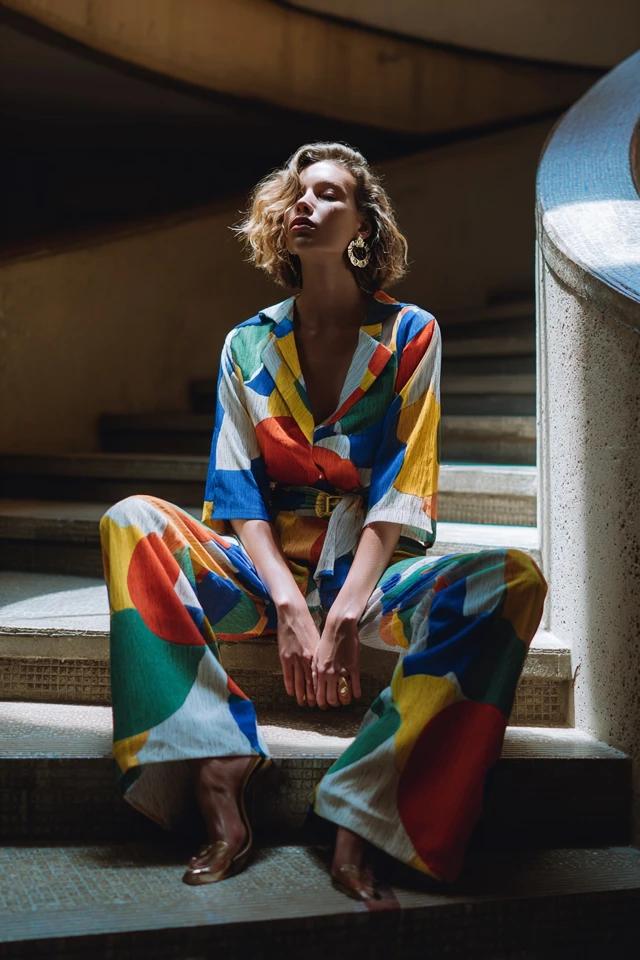
- Wide-leg jumpsuit: a loose, flowing leg that works in crepe, satin or soft linen.
- Tailored jumpsuit: a structured, blazer-like top with straight or tapered legs.
- Utility or boiler suit: a collar, patch pockets and a relaxed, workwear cut, usually in cotton or twill.
- Wrap jumpsuit: a crossover bodice that ties at the waist and adjusts to your proportions.
- Halter or strapless jumpsuit: bare shoulders, best in drapey or satin fabrics for evening.
- Knit jumpsuit: a stretch jersey or ponte, closest to loungewear but easy to dress up.
If you're new to the piece, the wide-leg and the wrap are the most forgiving to fit.
Which fabric suits your body shape?
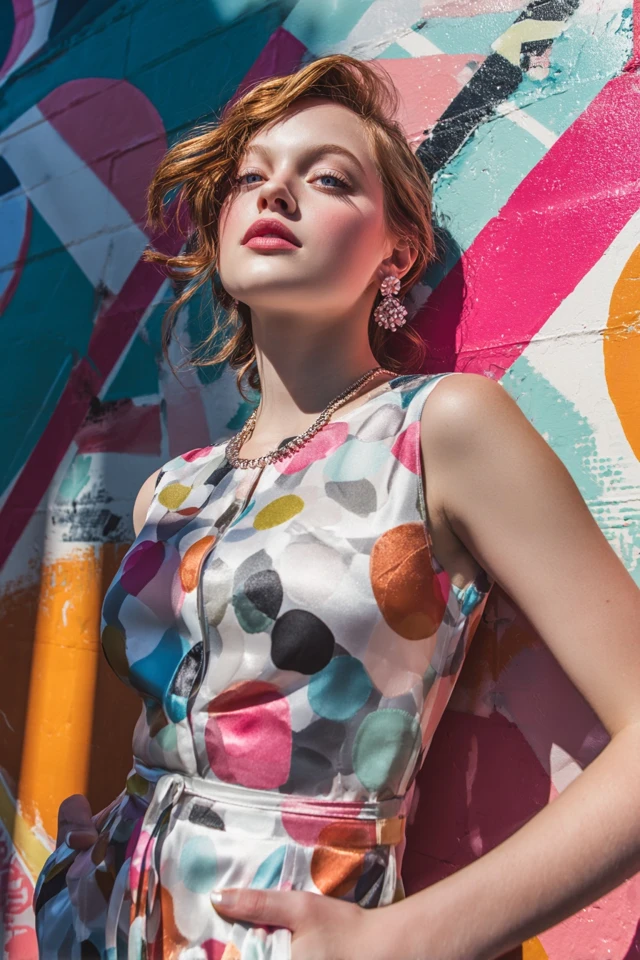
No body type is the "right" one for a jumpsuit. What changes is which fabric and cut give you the line you like. Treat the list below as starting points, not rules.
- Hourglass: fabrics with a little stretch, such as ponte or silk blends, follow your curves and keep some structure.
- Pear: flowing chiffon, georgette or soft linen blends skim over the hips and move easily.
- Apple: crepe or a heavier satin holds its shape through the upper body and drapes over the midsection without clinging.
- Rectangle: textured weaves like jacquard or brocade add dimension, and a belted waist adds shape.
A jumpsuit that pulls at the shoulders or gaps at the torso is a fit problem, not a you problem. The torso length is the hardest part to get right, so try it seated as well as standing.
How does fabric change the way a color reads?
Through the lens of evidence-based design, I'd look at texture before color. A matte crepe and a glossy satin in the same navy do not read as the same color, because the surface changes how light reaches your eye. Shine brightens and draws attention; matte calms a color down and looks more serious.
That is why a matte charcoal jumpsuit looks office-ready while the same shade in satin leans toward evening. For skin tone, hold the fabric near your face in daylight: if your skin looks clearer and your eyes brighter, keep it. If it looks gray or tired, try a shade warmer or cooler.
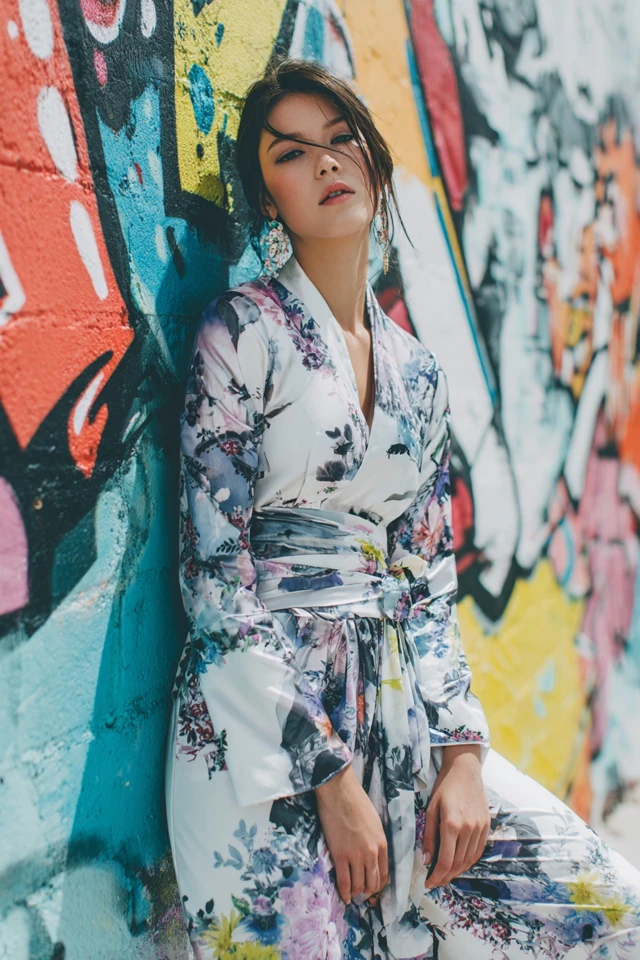
How to style a jumpsuit casually
Choose cotton, linen or a soft knit, and keep the shoes simple: white sneakers, flat sandals or loafers. A utility jumpsuit with the sleeves pushed up needs nothing else. For a cooler day, throw a denim jacket or an open shirt over it.
Belts are optional in a casual look. If the waist feels shapeless, a thin belt or the jumpsuit's own tie is enough. More ideas for warm weather are in our summer jumpsuit fabric guide.
How to style a jumpsuit for work
Look for crepe, gabardine or a medium-weight twill. These hold their structure through a day of sitting and standing, and they do not cling. A tailored cut with a defined shoulder reads closest to a suit.
- Add a blazer in a matching or close shade to lengthen the line.
- Choose closed shoes with a low heel, or pointed flats.
- Keep jewelry small, so the cut does the talking.
Before you buy, check that you can raise your arms and sit comfortably, and that the bathroom situation is workable. A zip or button front is easier than a back closure.
How to wear a jumpsuit for evening
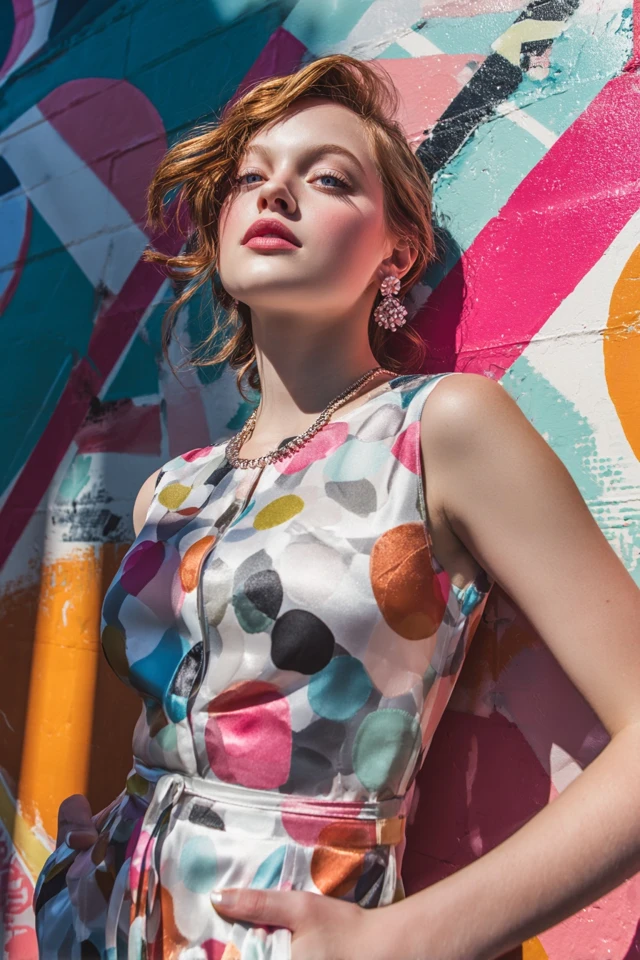
Satin, velvet and fluid crepe are the usual choices. Swap flat shoes for heels or metallic sandals, and add one focal point: statement earrings or a clutch with some shine. Keep the rest quiet.
Evening jumpsuits have a long history. Kathryn Hennessy, editor of Fashion: The Ultimate Book of Fashion and Style, describes the 1970s this way: "Lycra, satin, and velvet were the fabrics of choice, while feathers and sequins added extra sparkle". Those fabrics still do the job today.
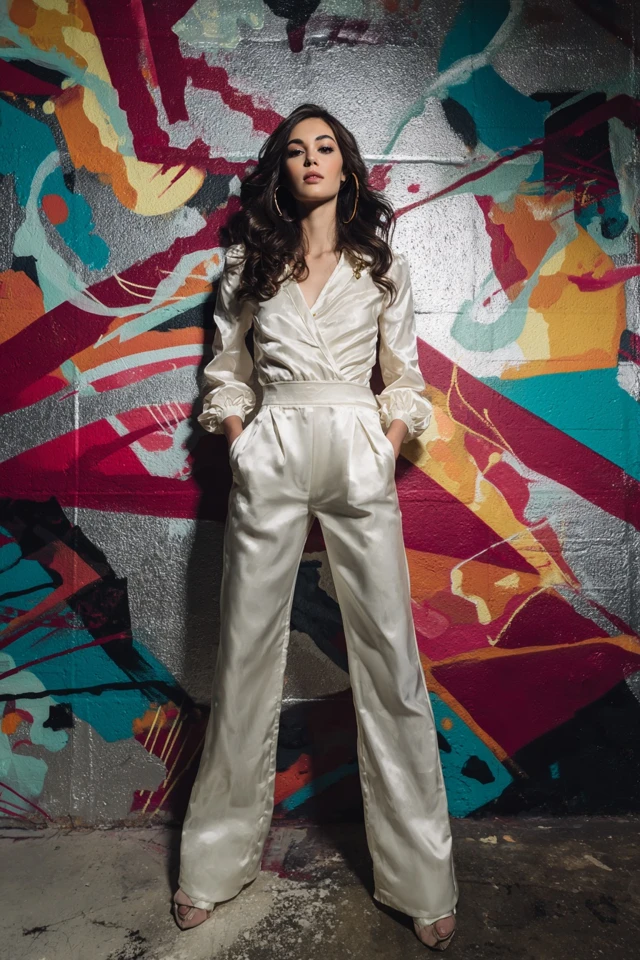
Jumpsuits for weddings
As a guest, pick a fluid fabric such as satin or crepe in a color that is not white or ivory. A wide-leg cut with a defined waist photographs well and moves easily on a dance floor. Check the dress code first: a black-tie invitation calls for a floor-length, formal fabric, while a garden wedding suits lighter chiffon or linen blends.
For something to try with sequins at the top, see the spring sequin top fabric guide.
How to style a jumpsuit for winter
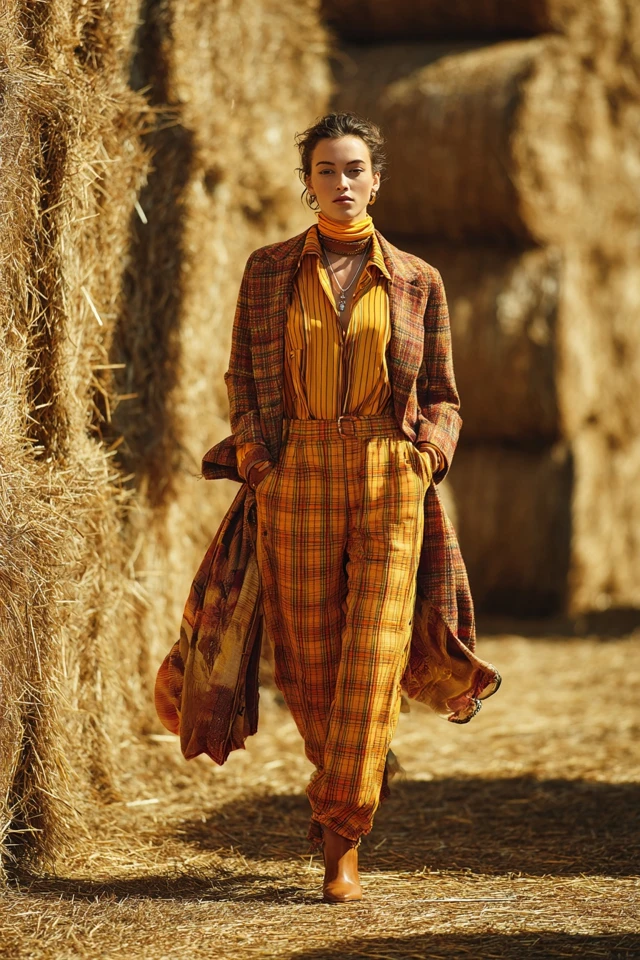
Go for heavier fabrics: wool-blend crepe, velvet, corduroy or a thick knit. Layer a long coat or a tailored blazer on top, and wear a fine-knit turtleneck underneath if the jumpsuit has a low neckline. Boots work best when the leg is straight or slightly wide and ends just above the ankle. For layering ideas, see feminine winter statement fabrics.
Which jumpsuit fabrics last?
- Check the label for natural fibers or a quality blend. They tend to breathe better and pill less.
- Have the waist and inseam tailored if needed. Small adjustments change the whole look.
- Hang silk and satin to avoid creasing, and follow the care label. Delicate fabrics may be better dry cleaned.
Black and navy are the easiest colors to build outfits around. Add a bolder color through shoes or a bag, such as a mustard jumpsuit with a deep plum bag.
Frequently asked questions
What body type looks best in a jumpsuit?
Any body type can wear one. Choose the fabric and cut that give the line you want: stretch fabrics follow curves, flowing fabrics skim, and structured fabrics hold shape. Tailoring the waist and inseam helps most.
What is the 3-3-3 rule for clothing?
It is usually described as a capsule-wardrobe idea: three tops, three bottoms and three pairs of shoes, mixed into different outfits. A jumpsuit can count as a one-piece outfit within it.
Are jumpsuits still fashionable?
They remain a common choice because they work as a single-piece outfit for many occasions. The fabric and cut matter more than the label: wide-leg and tailored shapes are the easiest to wear in different seasons.
Filed under Outfit Ideas