Seasonal Athleisure Guide: Spring Fabrics and Outfits
This guide covers the fabrics worth choosing, how to style athleisure so it looks put together, and a short capsule list. Spring weather swings, so layers matter more than any single item.
- Words by
- Julio Arco
- Published
- Reading
- 5 min
For spring, pick light, breathable knits with a little stretch, keep the palette soft, and let one structured piece (a zip jacket, a straight-leg pant) do the polishing. That is the whole formula for athleisure that works at the gym, at the office and on a Saturday errand run.
Which fabrics work best for spring athleisure?
Spring mornings are cool and afternoons are warm, so you want fabrics that breathe and still hold a little warmth. Here is how the common options behave.
- Jersey and cotton-blend knits: soft, easy to wear all day, and good for casual outfits. Pure cotton is a poor choice for sweaty workouts.
- Polyester and nylon blends with spandex: the workhorses for moisture control and stretch. They keep their shape through repeat washes.
- Lightweight fleece or French terry: right for the cool start of spring, and easy to take off when the day warms up.
- Smooth, matte-finish stretch fabrics: they read cleaner and more tailored than shiny ones, which is useful when you want to dress athleisure up.
If you exercise outdoors on a cold morning, the base layer matters. Texas A&M's Howdy Health advises that the layer closest to your skin should be moisture-wicking material that draws sweat away from your skin, and to avoid cotton because it absorbs moisture and can keep it next to your skin, making you cold. Save your cotton pieces for the walk to the coffee shop.
What makes athleisure look elevated?
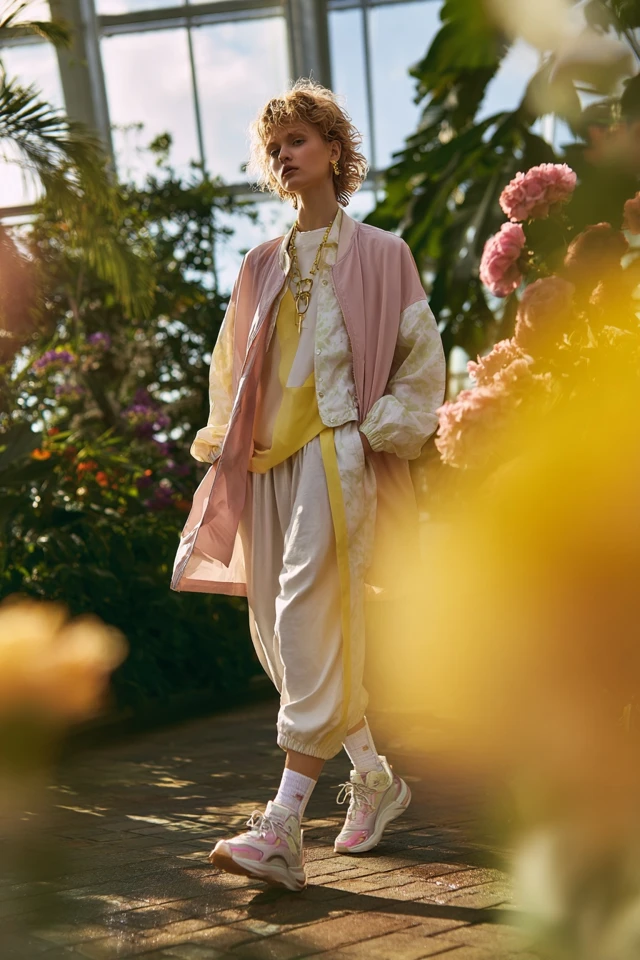
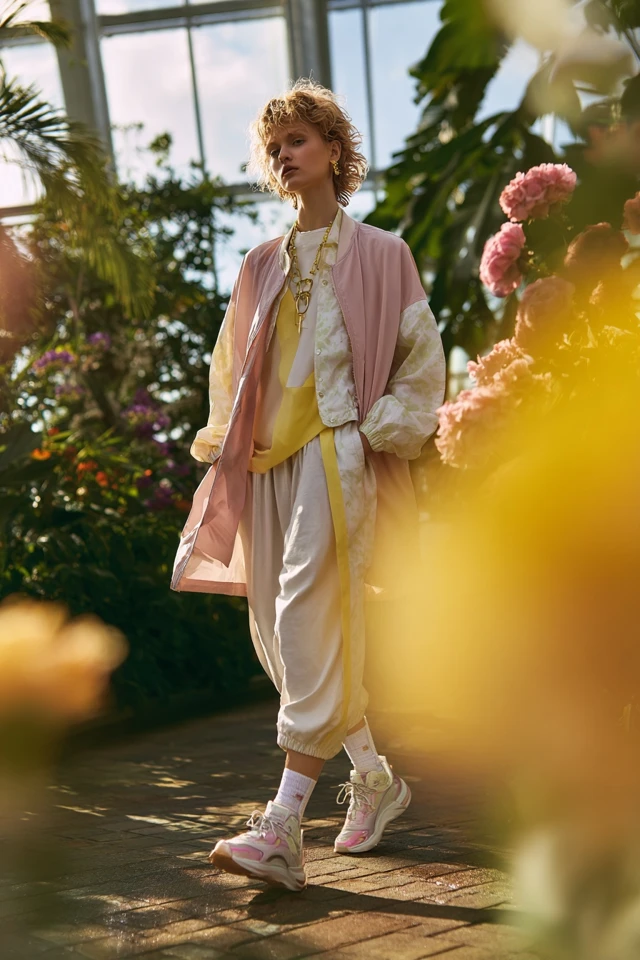
Elevated athleisure outfits usually come down to three things: fit, surface and contrast. Clothes that skim the body without clinging look intentional. Matte fabrics look calmer than shiny ones. And one crisp piece next to soft ones makes the whole outfit look planned.
Through the lens of evidence-based design, I'd look at texture before color. A matte knit and a glossy stretch fabric in the same blush do not read as the same color, because the surface changes how light reaches your eye. For a polished look, I'd choose the matte one.
Easy ways to dress it up
- Swap running sneakers for clean, minimal leather or canvas ones.
- Put a structured jacket or an overshirt over a knit set.
- Choose leggings or joggers with a clean waistband and no large logos.
- Add one simple accessory: a slim belt bag, a plain cap, small hoops.
How to style athleisure for work
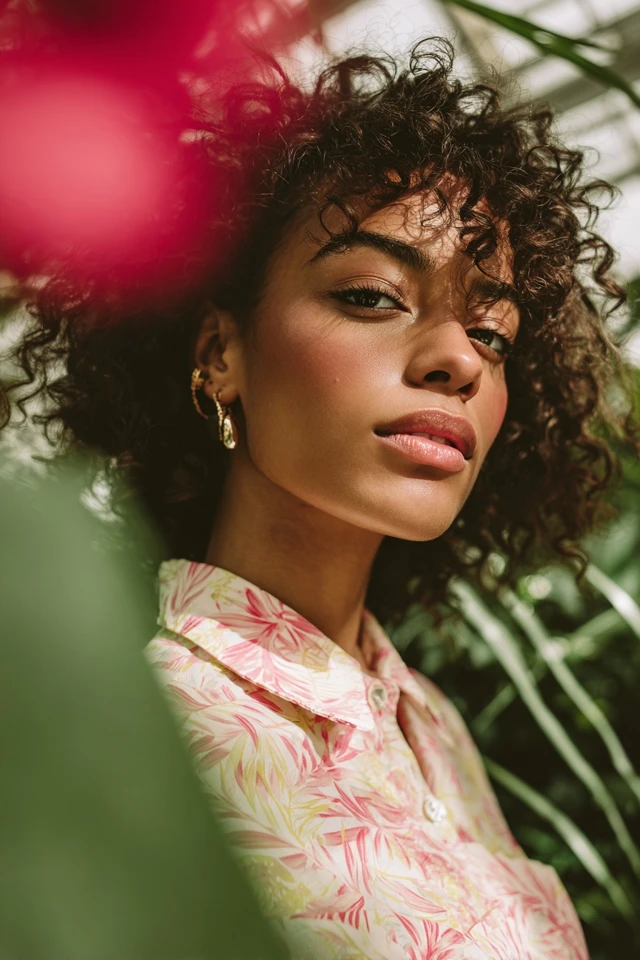
Athleisure outfits for work succeed when the pieces look like trousers and knitwear that happen to be comfortable. Check your office dress code first, since some workplaces are relaxed and others are not.
- Pair straight-leg or tapered stretch pants in a dark neutral with a fine-knit top and a blazer or long cardigan.
- Wear a matching knit set in a muted shade, then break it up with a crisp collared shirt underneath.
- Keep shoes simple and clean. Leather sneakers or flats both work.
Avoid sheer leggings, very shiny fabrics and anything that shows sweat marks or pilling. Those are the quickest signals that an outfit is gym clothing.
Which spring colors suit athleisure?
Spring palettes lean soft: sage, mint, pale blue, blush, peach, cream and light gray. Neutrals are the easiest base, and a single softer color on top keeps the outfit fresh without looking busy.
Colors read differently next to skin, so hold a piece near your face in daylight. If it makes you look tired, try the same color in a deeper or warmer version. As a rough guide, warm undertones often like coral, olive and mustard, and cooler undertones often like sapphire, emerald and lavender. Treat this as a starting point, not a rule.
Easy pairings to try:
- Blush leggings with a soft gray tank.
- Muted teal top with black bottoms.
- Cream hoodie with sage joggers.
How do you choose silhouettes for your shape?
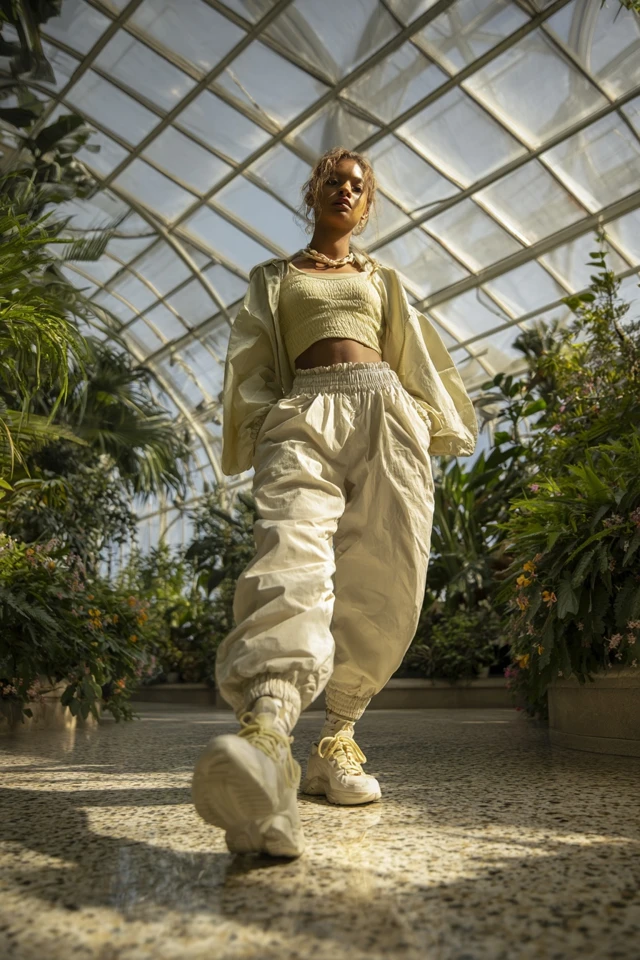
Fit is a bigger factor than fabric. A great knit that pulls or bunches is a fit problem, not a you problem. Start with the waistband and the shoulder seam, then adjust the length.
- If you want more waist definition, high-waisted leggings with a fitted or cropped top do the job.
- If you want a longer line, tapered pants with a tunic-length top skim the hips and lengthen the leg.
- If you are balancing wider hips, a lighter top over darker, matte bottoms draws the eye upward.
- If you prefer a relaxed look, pair a loose top with fitted bottoms so the outfit keeps a shape.
These are options, not requirements. Wear what feels good and moves with you.
Build a small athleisure capsule wardrobe
An athleisure capsule wardrobe works best at around eight to twelve pieces in a tight palette, so everything mixes. A starting list:
- Two pairs of leggings or stretch pants in black and a second neutral
- Two fitted tanks or tees
- One lightweight zip jacket or overshirt
- One hoodie or sweatshirt in French terry
- One matching knit set
- One pair of clean sneakers
For other spring looks that borrow from the same fabrics, see casual spring staples and the longer spring athleisure fabric guide. When the weather turns, fall athleisure uses the same capsule with heavier layers.
How to care for athleisure fabrics
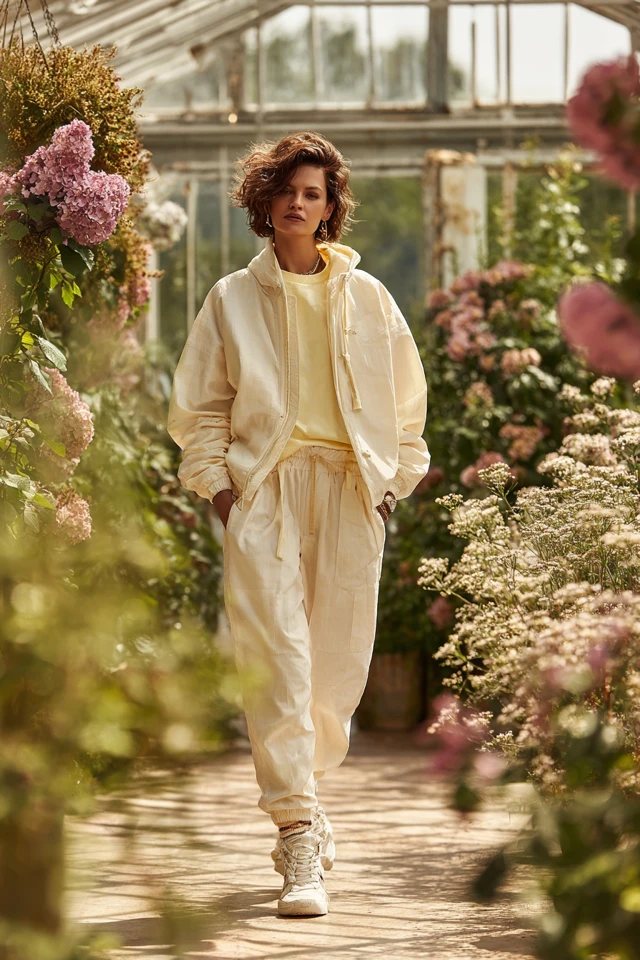
Wash technical fabrics in cold water with a gentle detergent, and skip fabric softener, since it can coat fibers and reduce how well they wick. Air drying helps stretch fabrics keep their elasticity. Check each garment's care label before you wash.
Frequently asked questions
Is athleisure still in style?
Yes, comfortable pieces with a clean fit remain a common part of everyday dressing. The version that looks current is quieter: matte fabrics, neutral colors and fewer logos.
What is the 3-3-3 rule for clothing?
It is a capsule-wardrobe idea: pick three tops, three bottoms and three pairs of shoes that all mix together. It is a simple starting point for building outfits from a small set.
Can I wear athleisure to the office?
Often, if the pieces look like tailored trousers and knitwear and your dress code allows it. Choose matte fabrics, dark neutrals and clean shoes.
Are synthetic fabrics better than natural fibers for athleisure?
For workouts, synthetic blends usually manage sweat and stretch better. For casual days, soft cotton blends are comfortable and breathable.
Filed under Outfit Ideas