Little Black Dress Outfits: Vintage Ways to Style One
- Words by
- Julio Arco
- Published
- Reading
- 4 min
A vintage little black dress works best when you keep the dress simple and let two or three details do the talking: a pair of classic shoes, one metallic or pearl accent, and a layer that suits the weather. Check the fit first, then the fabric, then style it for the occasion.
Below: where the dress comes from, which cut tends to flatter, what goes with it, and how to shop for a vintage one without getting burned.
Why a vintage little black dress still works
Black dresses were already fashionable in the early 1900s, though the ASU FIDM Museum notes that a 1906 New York Times society feature treated all-black dress as novel enough to comment on. By the late 1920s it had become a wardrobe essential, according to the same museum.
The Metropolitan Museum of Art credits Coco Chanel with creating the little black dress in 1926 and describes how it became a ready-to-wear staple of late afternoon and cocktail hours. That history is why a vintage piece feels at home at a dinner, a party or a wedding as a guest: the shape was designed to be practical and well-mannered.
What is the most flattering little black dress style?
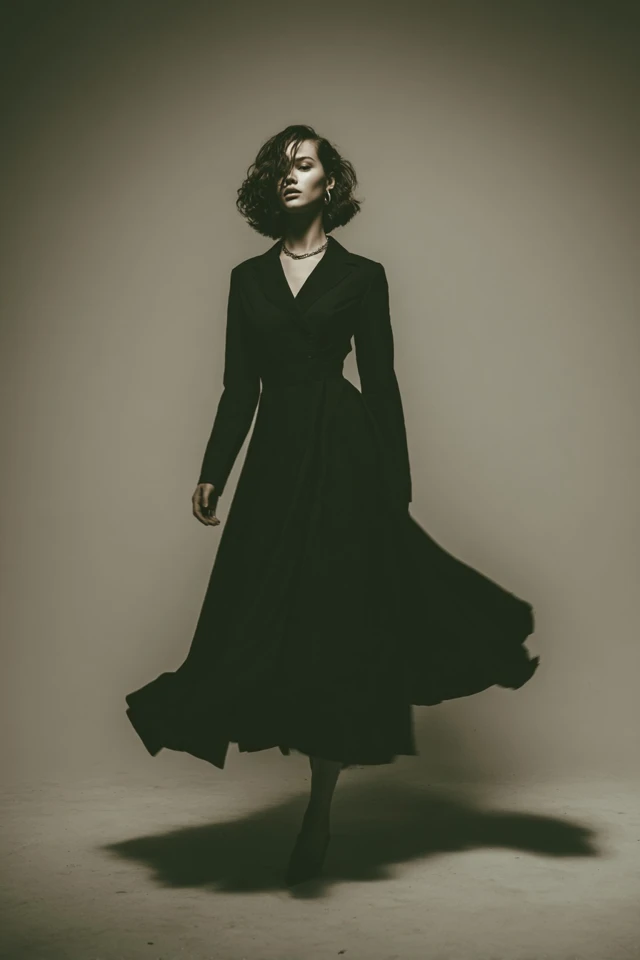
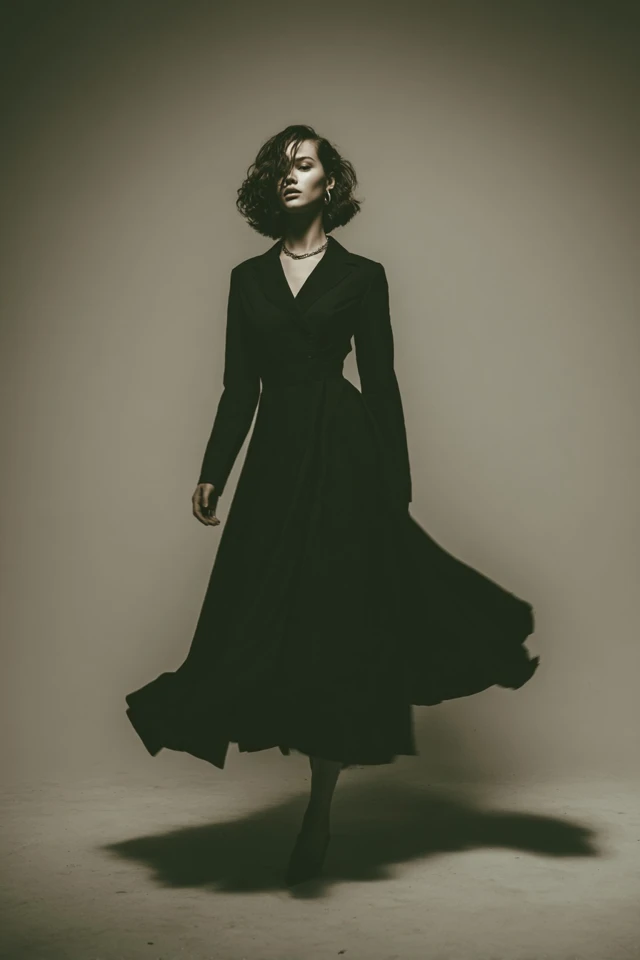
The most flattering cut is the one that fits your shoulders and lets the waist sit where you actually bend. Vintage sizing varies a lot, so ignore the label and try it on. A reassuring note: a dress that pulls across the back is a fit problem, not a you problem.
These are common starting points by silhouette, as suggestions rather than rules:
- Cinched waist or tailored darts suit a defined waist and fitted lines.
- A-line or empire cuts skim the midsection and keep the movement at the hem.
- Structured shoulders or an embellished neckline add emphasis to the upper body if you want to balance wider hips.
- Ruching, ruffles or a belt add shape to a straighter frame.
Through the lens of evidence-based design, I'd treat the neckline as the first thing the eye reads. Choose it before you choose anything else.
Which fabric should you choose?
Texture changes how black reads. Satin and crepe catch light and look sleek. Lace and velvet absorb it and look deeper and warmer. Chiffon moves and softens the outline.
Match the weight to the season: velvet for cold evenings, lighter crepe or chiffon for summer. For the original, the Met notes the 1926 design was a reserved black crepe de chine, a good reference if you want a quiet, drapey look.
What goes with a little black dress?
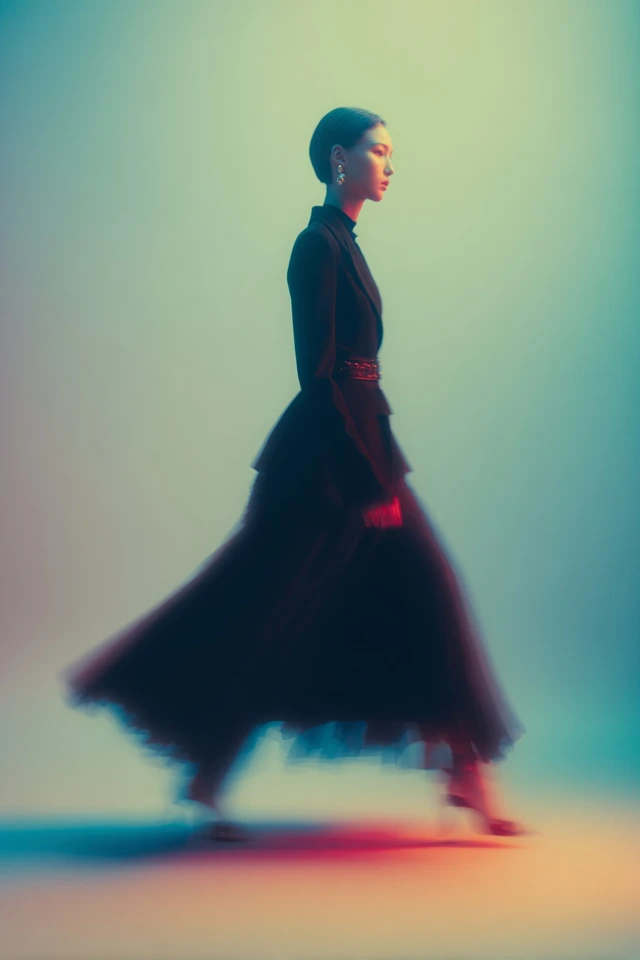
Start with shoes and one accent, then add a layer. Classic pumps, a structured handbag and pearls give the vintage feel without costume. Black also sits well next to neutrals, metallics and muted pastels.
If you want color, a deep red, burgundy, emerald or royal blue accessory gives contrast against the black. Keep it to one item so the dress stays the focus.
Gold, silver or pearl?
Gold tends to look warmer and silver or pearl cooler against black. Try both in a mirror near a window and keep whichever you like next to your face.
Layers for cooler weather
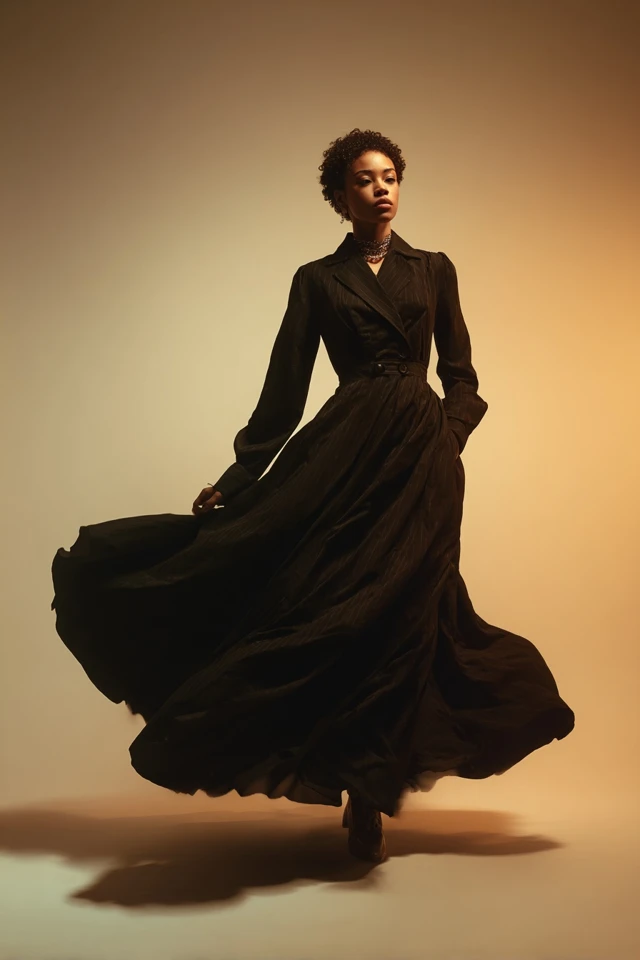
A sleek blazer or tailored coat keeps the line clean. A sheer scarf or lace gloves lean more vintage. If you like sleeves, a fitted cardigan or a dress with sleeves built in keeps a formal look warm.
How to make a little black dress classy
Keep the lines clean and the finishing neat. Press or steam the dress, choose one statement piece (belt, earrings or a bag, not all three), and wear shoes that suit the occasion. Fewer decisions read as more polished.
For more takes on the same dress, see minimalist little black dress staples, the glam version, or layered looks.
Little black dress dress code: where it fits
The dress code depends on length, fabric and accessories, not on the color. A knee-length crepe with heels suits cocktail attire. The same dress with flat sandals and a denim jacket is a daytime look. Satin or velvet with metallic jewelry moves toward formal.
For weddings as a guest, check the invitation first, and add a wrap or jacket for a ceremony. More ideas are in the little black dress for every occasion and for all events.

How to shop for a vintage black dress
- Try it on and judge comfort and fit over the size tag.
- Look at seams, linings, underarms and hems for wear, stains or weak stitching.
- Buy from reputable vintage shops or sellers who show clear photos and measurements.
To keep it wearable, store it in a breathable garment bag, away from direct sun. For delicate fabrics, ask a professional cleaner about preservation rather than risking a home wash.
Frequently asked questions
What is the dress code for a little black dress?
There is no single code. Knee-length crepe with heels suits cocktail events, satin or velvet with dressier accessories can work for formal ones, and flats with a casual jacket suit daytime.
Can I wear a little black dress to a wedding?
Usually yes as a guest, unless the invitation says otherwise. Add color, jewelry or a wrap so it looks festive rather than somber.
Is a short black dress with sleeves formal enough?
It can be. Choose a fitted cut in crepe, satin or lace and add polished shoes and one metallic accent.
Filed under Outfit Ideas