Little Black Dress Outfits: How to Layer Yours
- Words by
- Julio Arco
- Published
- Reading
- 5 min
The easiest way to get more little black dress outfits out of one dress is to layer it. Put a crisp shirt or a fine knit under it, or a blazer, cardigan or leather jacket over it, and keep the layers different in texture from the dress.
If you're wondering what goes with a little black dress, start with one contrast at a time: a light layer for daytime, a structured layer for work, a sheer or shiny one for evening. The dress stays the same, and the outfit changes.
What goes with a little black dress?
Think in three positions: under the dress, over it, and around it (shoes, bag, jewelry).
- Under: a white poplin shirt, a thin turtleneck, or a fitted long-sleeve tee. Wear it with a dress that has a wide neckline or armholes, such as a pinafore or slip shape.
- Over: a tailored blazer, a cropped cardigan, a denim jacket or a leather jacket.
- Around: loafers, kitten heels or ankle boots, a belt, a silk scarf, simple earrings.
Through the lens of evidence-based design, I'd choose the layer's texture before its color. A matte wool blazer and a glossy satin one read very differently over the same black crepe, because the surface changes how light reaches the eye.
How to layer a little black dress, step by step
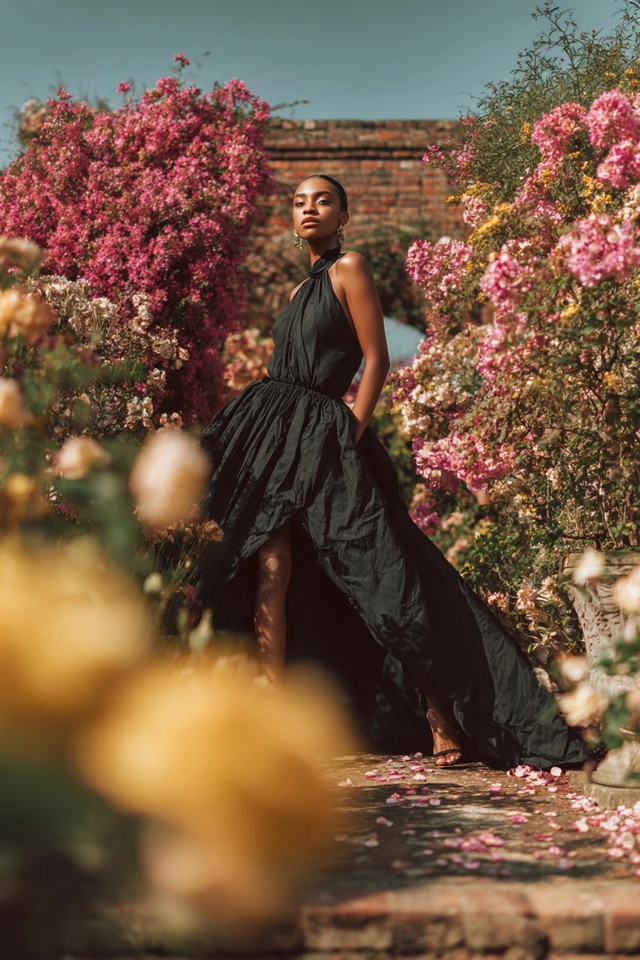
- Start thin and close to the skin. A silk blouse or fine knit adds interest without bulk.
- Add one mid layer only if you need it, like a cardigan or vest.
- Finish with an outer layer that has structure, such as a blazer or jacket, so the outfit keeps a clear shape.
- Check movement. Sit, reach and walk before you leave. If the layers bunch at the waist, drop one.
Mixing textures is what makes layering look intentional: knit with silk, leather with chiffon, matte crepe with something glossy. Keep the tones balanced too. A very dark top half with a black dress can feel heavy, so a lighter shirt or scarf near the face helps.
How to make a little black dress classy
Classy usually comes down to fit and restraint. Choose a dress in a fabric that holds its shape (crepe, a thick jersey, or silk) and let it fall cleanly without pulling at the shoulders or hips. A tailored layer on top and one simple accessory do the rest.
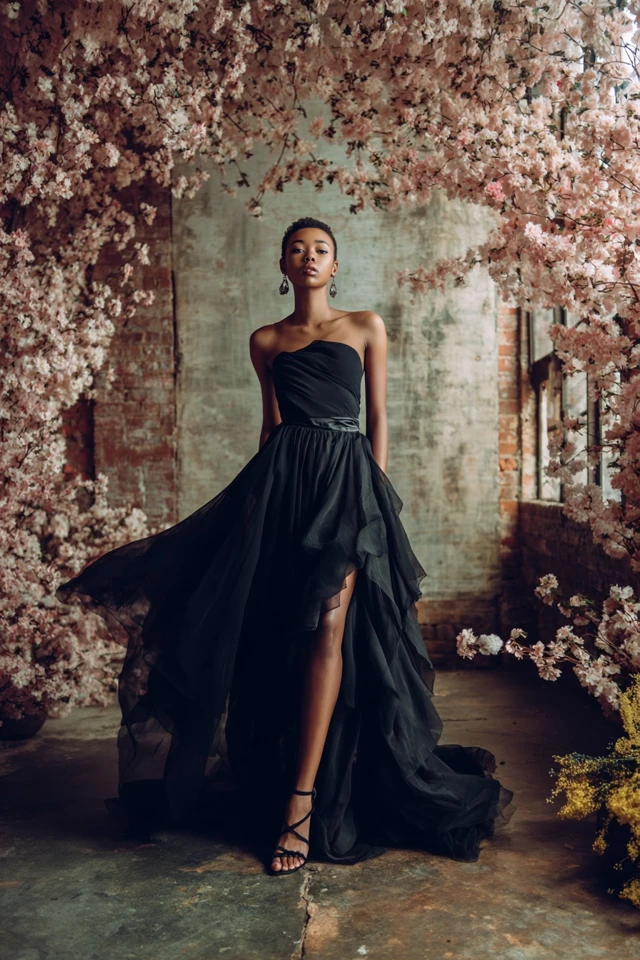
Sheer overlays work well for formal events, and a belt over a soft dress defines the waist. Skip adding several statement pieces at once. One focal point is enough.
Which little black dress style is most flattering?
The most flattering little black dress style is the one that matches how you want to move and where you want the eye to land. These are common starting points, not rules:
- Hourglass: a belted layer or cropped cardigan marks the waist. A bit of stretch in the dress helps.
- Pear shape: a light or embellished layer on top, like a white blouse under the dress, draws the eye up and balances wider hips.
- Apple shape: A-line or empire shapes that skim the midsection, with an open, longer jacket.
- Rectangle: ruffles, structured outerwear or a belt to add shape.
- Petite: streamlined layers and shorter jackets so the outfit doesn't overwhelm your frame.
A jacket that pulls at the shoulders is a fit problem, not a you problem. Try a different size or cut before changing anything else.
Colors to pair with black
Black takes almost any partner, but undertone changes what looks best near your face.
- Cool undertones: icy blue, emerald, deep purple.
- Warm undertones: mustard, rust, olive, camel.
- Neutral undertones: blush, cream, slate gray.
Charcoal or navy layered with black adds depth without harshness, which suits office and formal settings. Dusty rose or soft lilac gives a gentler look, and a burgundy clutch can brighten a black and gray outfit.
Little black dress outfits for different settings
Work
Black dress, tailored blazer in charcoal or camel, loafers or low heels. Keep the hem at or just above the knee.
Casual days
Swap heels for clean sneakers or ankle boots and add a denim jacket or cozy cardigan. A thin white tee underneath makes it feel relaxed.
Evening and formal events
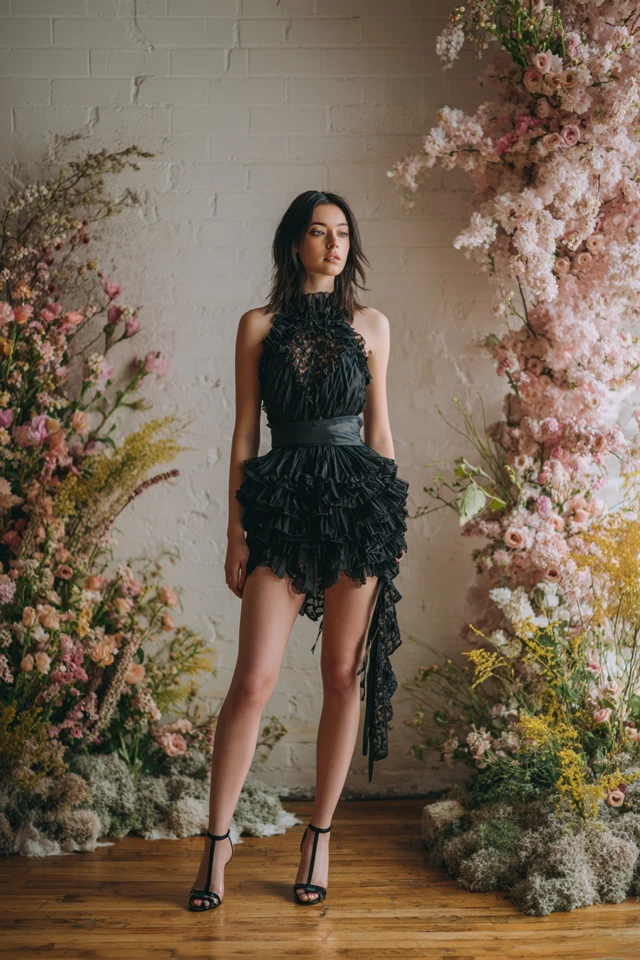
A short black dress formal with sleeves is easy to build: choose a dress with sheer or fitted sleeves, or layer a sleek cropped jacket over a sleeveless one. Add metallic jewelry and a structured clutch. For more occasion-by-occasion ideas, see the little black dress for every occasion.
Cooler weather
Wear opaque tights, a fine merino or cashmere layer close to the body, and a wool coat on top. In warm weather, stay with breathable cotton or silk.
Why the dress works with so many layers
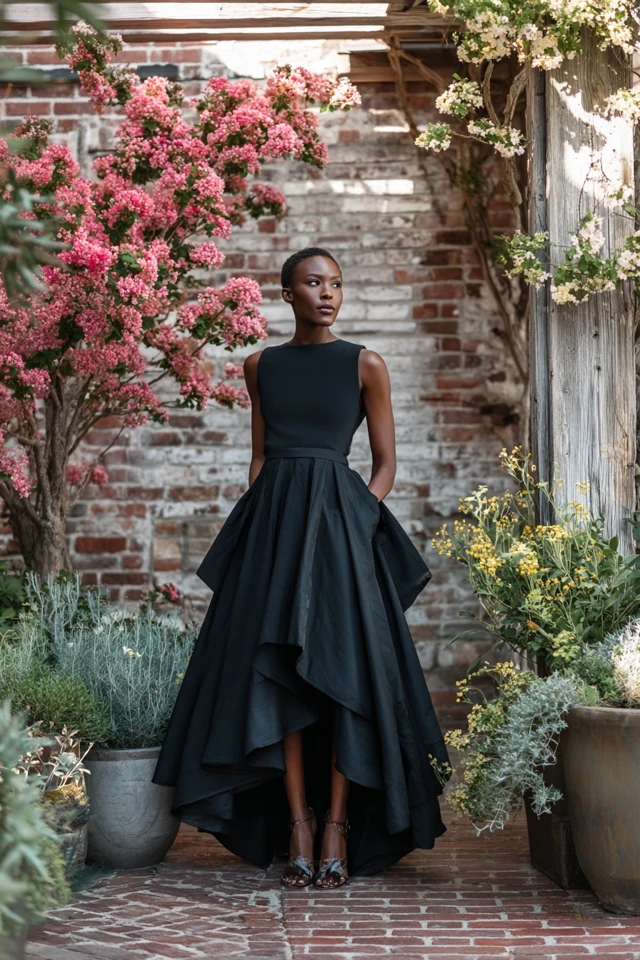
The idea is not new. The ASU FIDM Museum notes that by the late 1920s the little black dress had become a wardrobe essential. The Met describes how Chanel's 1926 design was translated to ready-to-wear as a staple of late afternoon and cocktail hours, which is part of why it handles a change of layers so well.
If you want to see other takes on the same dress, try the minimalist little black dress staples, the vintage little black dress vibes or glam little black dress staples.
Buying and caring for layers
- Buy the dress first, in a classic cut and a fabric that keeps its shape.
- Add versatile layers: a white shirt, a lightweight turtleneck, a cropped blazer.
- Follow the care label. Delicate layers often need hand-washing or dry cleaning.
- On a budget, scarves, camisoles and thrifted blouses change the look for little money.
Frequently asked questions
What is the dress code for a little black dress?
It depends on fabric and styling. A crepe or silk dress with a blazer suits business settings, while a sleek version with heels and metallic accessories suits cocktail events. Always check the invitation's wording.
Can I wear a layered little black dress casually?
Yes. Pair it with sneakers or ankle boots and a denim jacket or cardigan, and it reads as an easy daytime outfit.
Can I wear a little black dress to a wedding?
Often yes, unless the invitation asks for a specific color or a very formal dress code. Choose a dressier fabric, add sleeves or a wrap, and use jewelry to make it festive.
How do I choose layers for different seasons?
Use cotton and silk in warm months. In cold months add wool, cashmere or heavier knits, starting with thin layers close to the skin.
Filed under Outfit Ideas