Blazer Style Guide: Fit, Types and What to Wear With One
This guide covers how a blazer should fit, which type suits which occasion, and what to put with it. It leans on the sporty, stretchy end of the category, since that is where most people wear blazers now.
- Words by
- Julio Arco
- Published
- Reading
- 5 min
A good blazer does three things: the shoulders sit where yours end, the length covers the top of your hips, and the fabric moves when you do. Get those right and you can wear it over a tee and sneakers or over a silk shirt and trousers.
What is a blazer, and how is it different from a sport coat?
A blazer is a tailored jacket with lapels and usually a single or double-breasted front. It is traditionally a solid color, often navy, black or gray, and it is meant to be worn with other pieces, not as part of a suit.
The blazer vs sport coat question comes up a lot. A sport coat is traditionally made in textured or patterned cloth such as tweed or herringbone, with softer construction, and was designed for country and casual wear. A blazer is usually smoother and solid, sometimes with metal buttons. Today the terms overlap, and in women's clothing most people just say blazer. If you are choosing between them, think texture: a visible weave reads more relaxed, a smooth finish reads sharper.
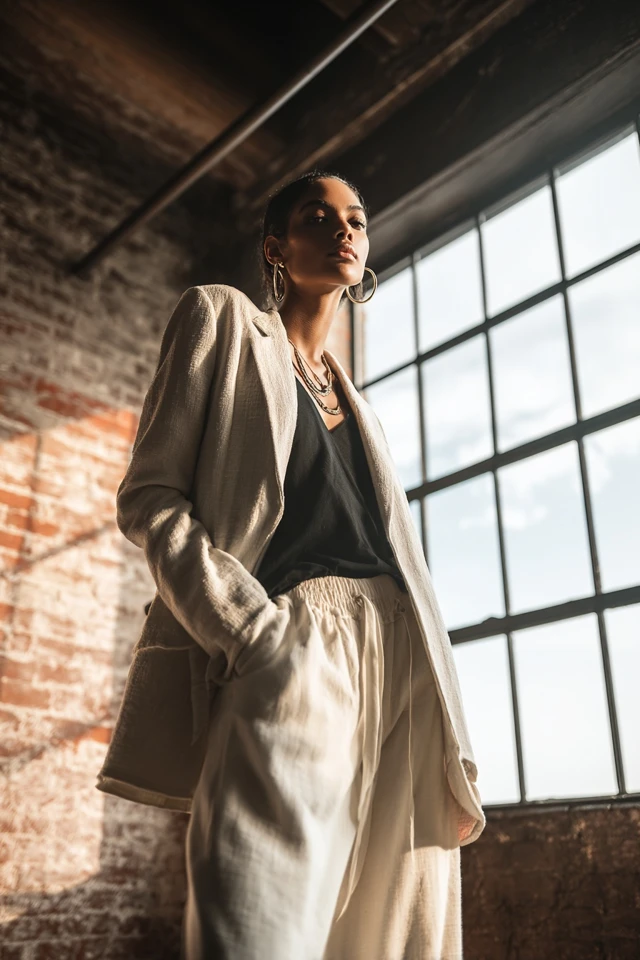
How should a blazer fit?
If a blazer pulls at the shoulders, that is a fit problem, not a you problem. Check these in order:
- Shoulders: the seam should sit at the edge of your shoulder bone. Oversized cuts drop it on purpose, but then the drop should look deliberate.
- Chest and closure: you should be able to button it without the fabric forming an X.
- Sleeves: they should end around the wrist bone, so a little shirt cuff can show.
- Length: a classic length covers the top of your hips. Cropped and longline versions are styling choices, so balance them with the bottom half.
- Movement: raise your arms. If the whole jacket lifts, size up or choose a stretch fabric.
A tailor can usually adjust sleeve length and take in the waist. Shoulders are much harder to change, so buy for the shoulders first.
What are the different types of blazers?
The main different types of blazers come down to cut and fabric:
- Single-breasted: one row of buttons, the most versatile and the easiest place to start.
- Double-breasted: two rows of buttons, more structured and a bit more formal.
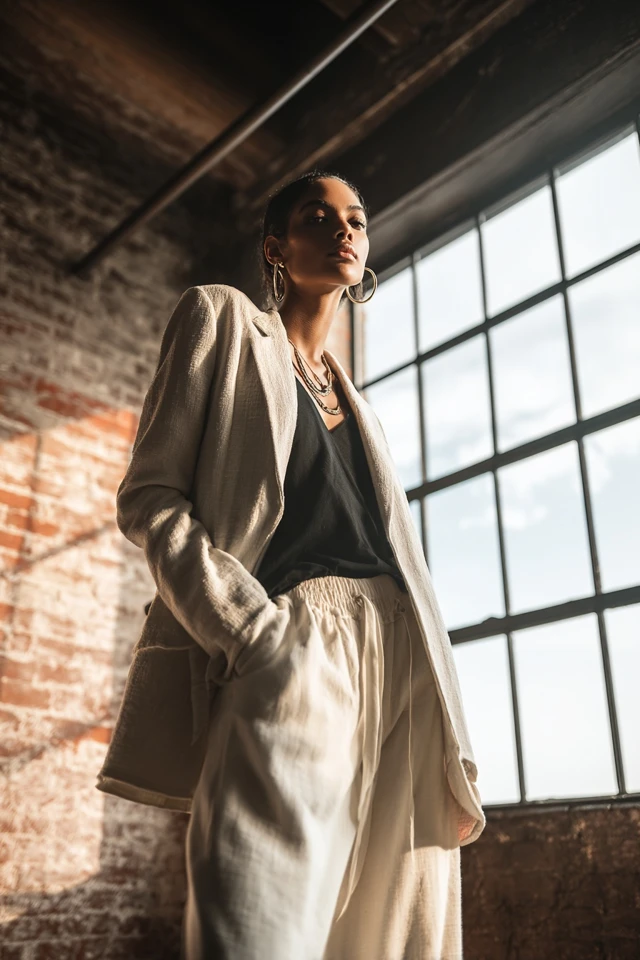
- Oversized or boyfriend: relaxed with dropped shoulders, good over fitted pieces.
- Cropped: ends at the waist, works with high-rise bottoms.
- Knit or ponte: soft, stretchy and wrinkle-resistant, the athleisure option.
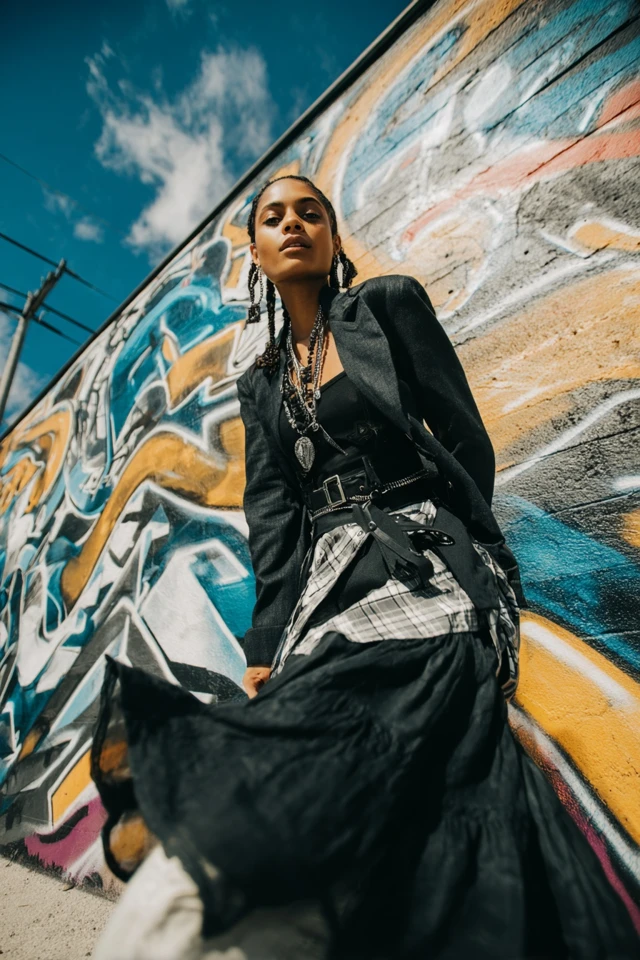
- Occasion blazers: sequins or bold plaid, such as sparkly sequin blazers for winter parties or plaid blazers with skirts.
What type of blazer for my body type?
Body shape is only one input, and none of these are rules. They are ways to shift where the eye lands.
- If you are broader through the hips, a blazer that ends at or just below the hip with a defined waist keeps the jacket's line clean.
- If you are straighter through the waist, a belted or slightly nipped blazer adds shape, and structured shoulders add definition.
- If you are petite, a cropped or hip-length cut keeps your leg line long.
- If you are tall, a longline blazer works well and you have room to play with length.
- If you carry weight at the midsection, an open single-breasted jacket in a fabric with some drape skims instead of clinging.
Through the lens of evidence-based design, I'd look at the neckline and lapel first, because the eye reads the vertical line of an open jacket before anything else. A deeper V elongates, and a high, closed front compresses.
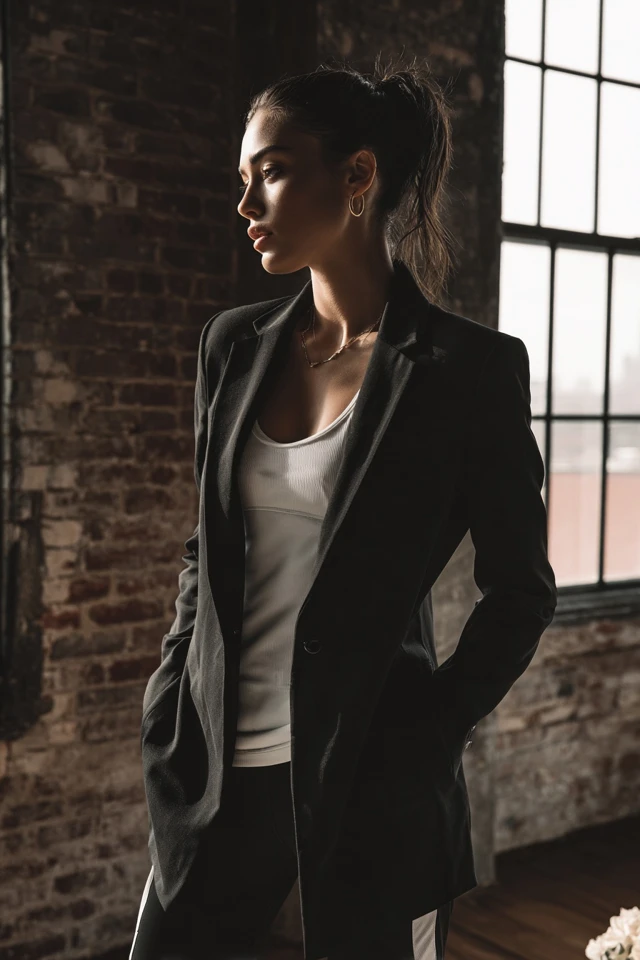
Which fabric and color should you choose?
For everyday wear, ponte knit, cotton with a little spandex, and French terry are comfortable and travel well. Wool blends hold structure better for dressier days. Linen is cool but wrinkles, which is part of its charm.
Texture changes how a color reads. Through the lens of evidence-based design, I'd pick a matte knit over a shiny weave in the same navy if you want a softer, more casual look, because the surface changes how light reaches the eye.
For color, navy, black, charcoal and beige are the easiest to pair. If you want one color piece, olive, camel or a deep wine are flexible. A useful test is to hold the blazer near your face in daylight: if your skin looks tired next to it, try a shade that is warmer or cooler.
What to wear with a blazer
The easiest formula is one structured piece plus easy pieces. Here are some ways on how to wear a blazer:
- Tee, straight jeans and white sneakers: the default casual setup.
- Fitted turtleneck, wide-leg trousers and loafers: sharp without being stiff.
- Matching knit set under a blazer: see street-style athleisure sets for the idea, or athleisure layering for warmer days.
- Slip dress, blazer thrown over the shoulders and ankle boots: for evenings.
- Leggings or joggers with a longline blazer and clean sneakers: keep the blazer structured so the outfit does not read as loungewear.
For more warm-weather ideas, see summer blazer style and fit.
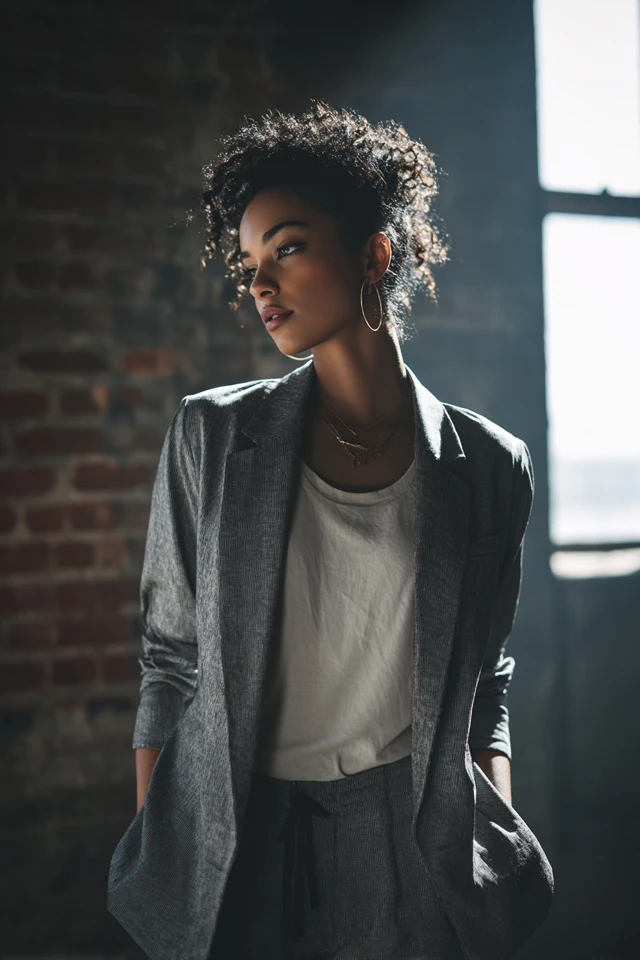
What is the rule of wearing a blazer?
The only firm rule is about buttons on a single-breasted jacket: with two buttons, fasten the top one and leave the bottom open. With one button, fasten it when standing. Unbutton when you sit. Otherwise, balance proportions: a roomy blazer pairs well with slim bottoms, and a fitted blazer can take wider trousers.
Casual blazer outfits for a real week
Casual blazer outfits work best when one element is relaxed and one is sharp. Roll the sleeves to the forearm, wear it open, and choose a knit blazer for travel or long days. Add a belt over an oversized one to define the waist. Mix in layers like a statement cardigan when the weather changes.
Hang blazers on wide hangers so the shoulders keep their shape, and check the care label: many stretch blends can be gently washed, but structured ones may need dry cleaning.
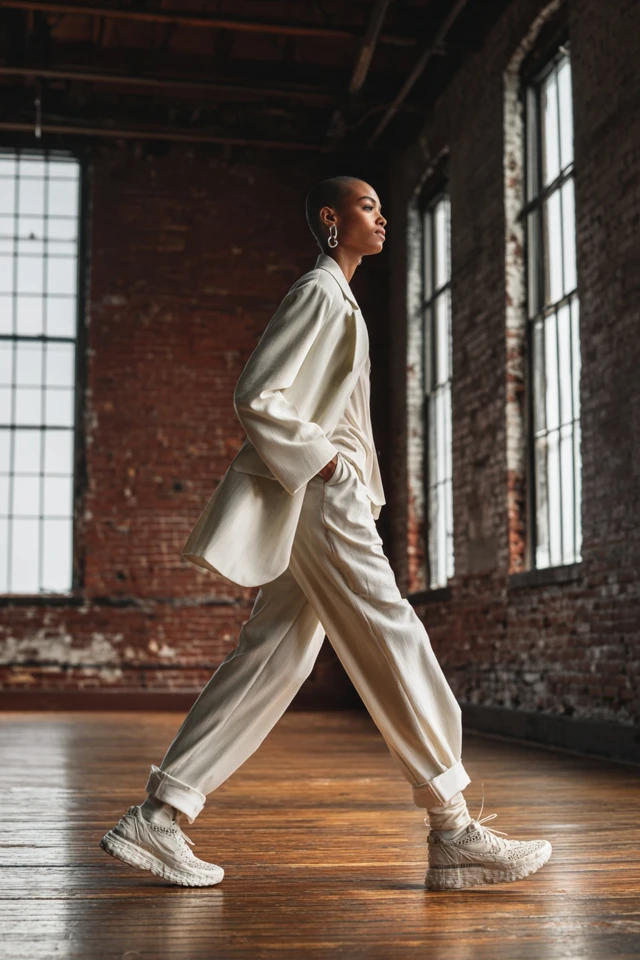
Frequently asked questions
What kind of blazers are in style right now?
Relaxed, slightly oversized single-breasted cuts and soft knit blazers are common in stores now, alongside classic navy and black. Trends move, so pick a fit you will wear repeatedly.
What is the rule of wearing a blazer?
On a two-button single-breasted blazer, fasten the top button only, and unbutton when sitting. Beyond that, balance proportions: roomy on top with slim bottoms, or the reverse.
Can you wear a blazer with leggings?
Yes. Choose a longline or structured blazer, a fitted top and clean sneakers or ankle boots so the outfit looks put together.
Filed under Outfit Ideas