Parkas for Winter and Rain: How to Choose One That Works
- Words by
- Julio Arco
- Published
- Reading
- 4 min
The best jacket for both rain and winter is a parka with a waterproof or water-resistant shell, insulation that keeps warmth when damp, a hood that stays up in wind, and a hem that reaches mid-thigh. Look for taped or sealed seams and a storm flap over the zipper.
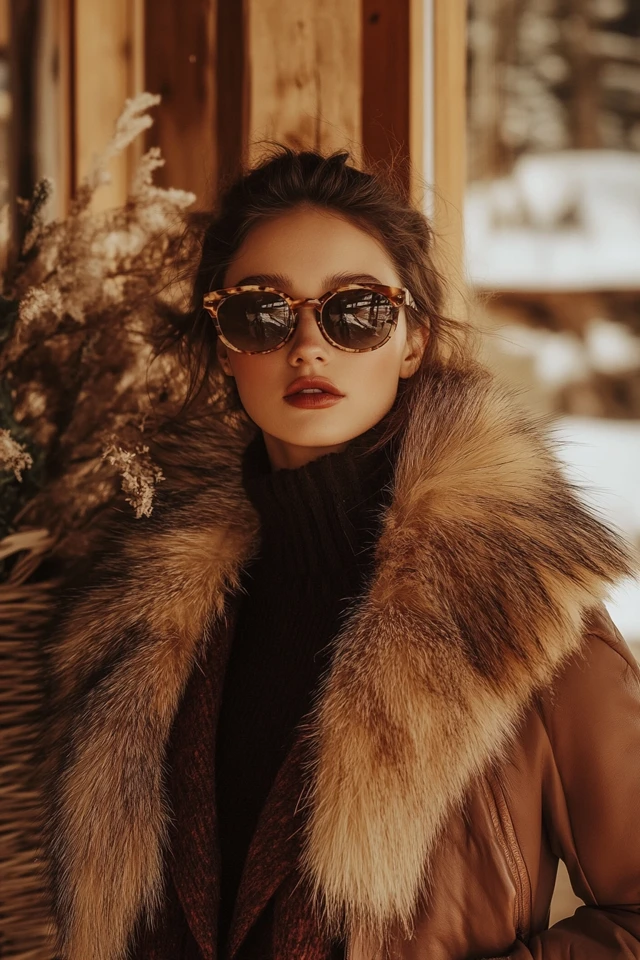
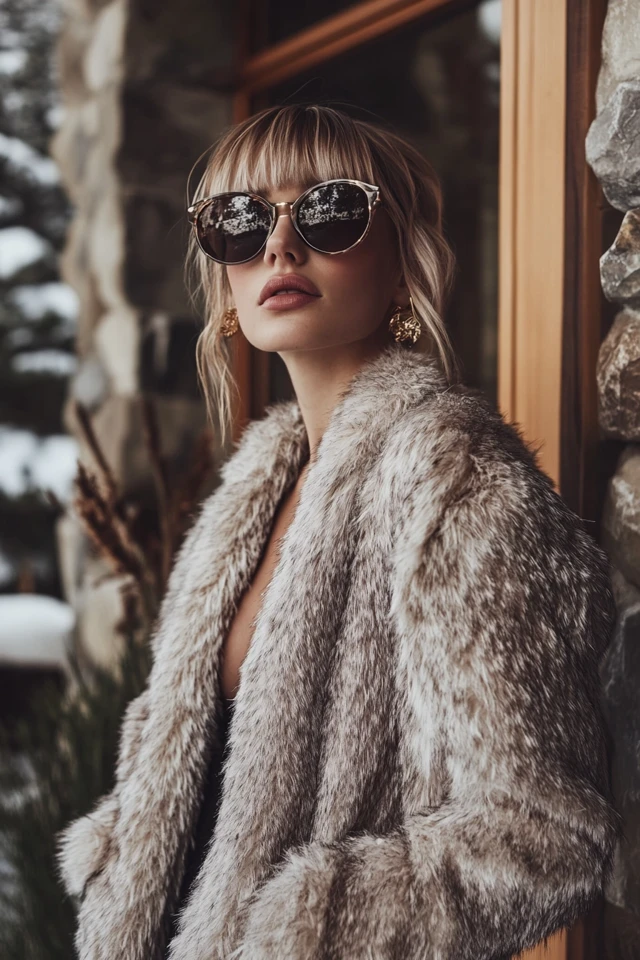
Faux fur trim is optional, but it is the detail that takes a parka from trail gear to ski-village dinner. Below is how to pick the shell, the fill and the fit, then how to style it.
What makes waterproof parkas for winter and rain work?
Three parts decide whether a parka handles both weather types: the shell fabric, the seams and the closures. A shell labeled waterproof blocks rain; water-resistant sheds light drizzle but eventually soaks through. For a wet climate, choose waterproof.
Check the seams. Taped seams stop water from creeping through the stitch holes, which is where cheaper jackets leak first. Then look at the zipper: a storm flap with snaps or hook-and-loop closure keeps wind and water off it.
Is waterproof the same as breathable?
No. A fully sealed shell can trap sweat inside, and damp insulation feels cold. Look for a lining or fabric that lets moisture escape, especially if you walk a lot between buildings or transit.
Down or synthetic insulation?
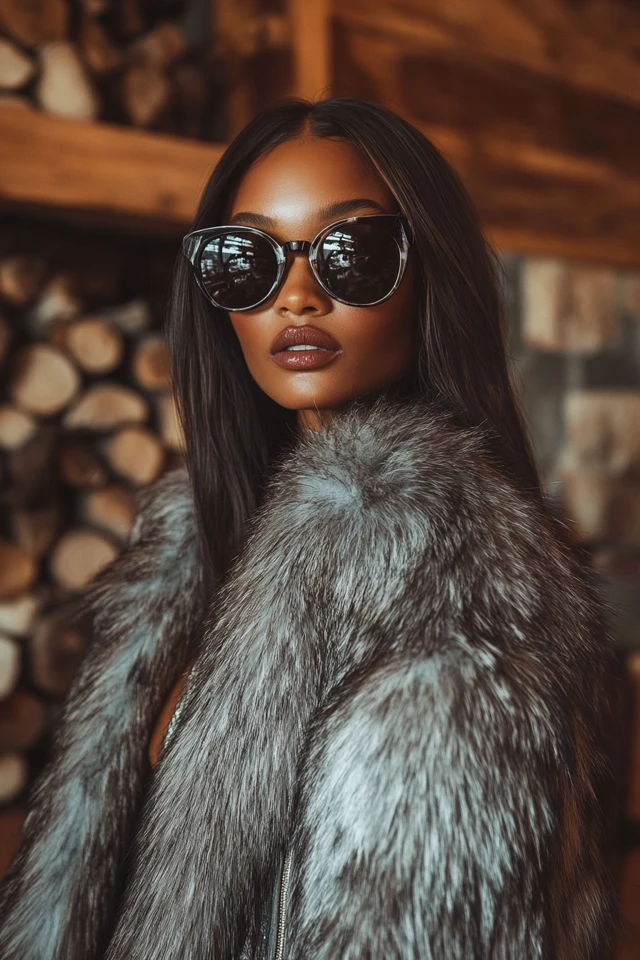
Down is light and very warm when dry, but it loses loft when it gets wet. Synthetic fill is usually a bit bulkier for the same warmth, yet it keeps insulating when damp. For a parka meant to face rain as often as snow, synthetic fill is the safer choice. If you pick down, make sure the shell is truly waterproof and the hood is deep.
Through the lens of evidence-based design, I'd also check how the lining feels against your wrists and neck. A smooth, soft lining is the part of the coat you notice every minute you wear it.
What is the best parka for cold weather?
The best parka for cold weather has a longer cut, a fill that suits your climate and a snug, adjustable hood. Longer hems protect your thighs, and an insulated collar closes the gap where cold air gets in. Adjustable cuffs and a drawcord at the waist or hem hold in warmth.
Which details matter on a hooded parka?
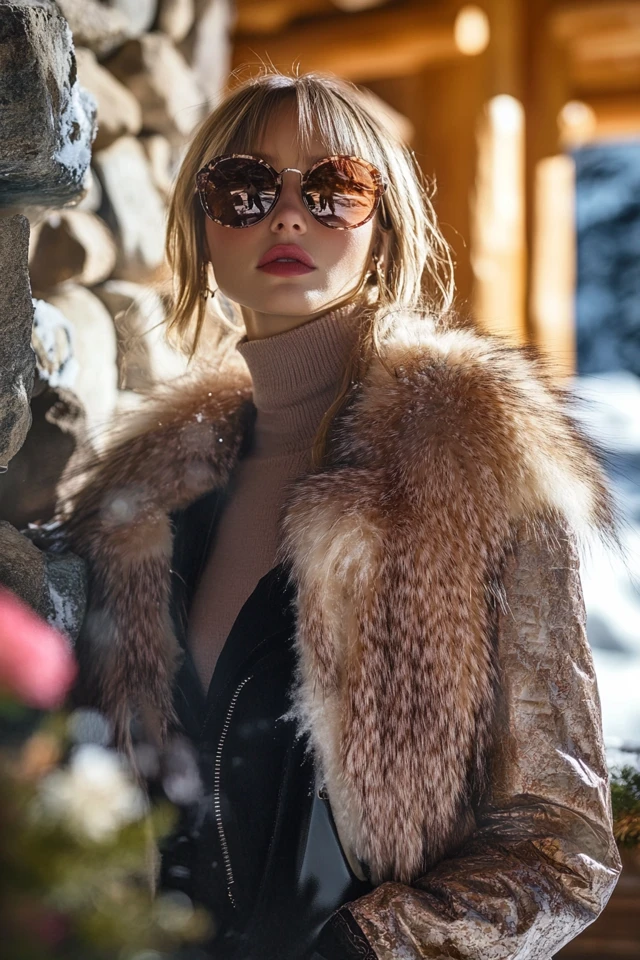
- A hood with a drawcord and a stiffened brim, so rain falls away from your face.
- Faux fur trim that detaches, since wet fur takes a long time to dry and can be removed for heavy rain.
- Pockets lined with soft fabric, plus at least one zipped pocket for keys or a phone.
- A hem long enough to cover your hips when you sit.
How to layer under a parka
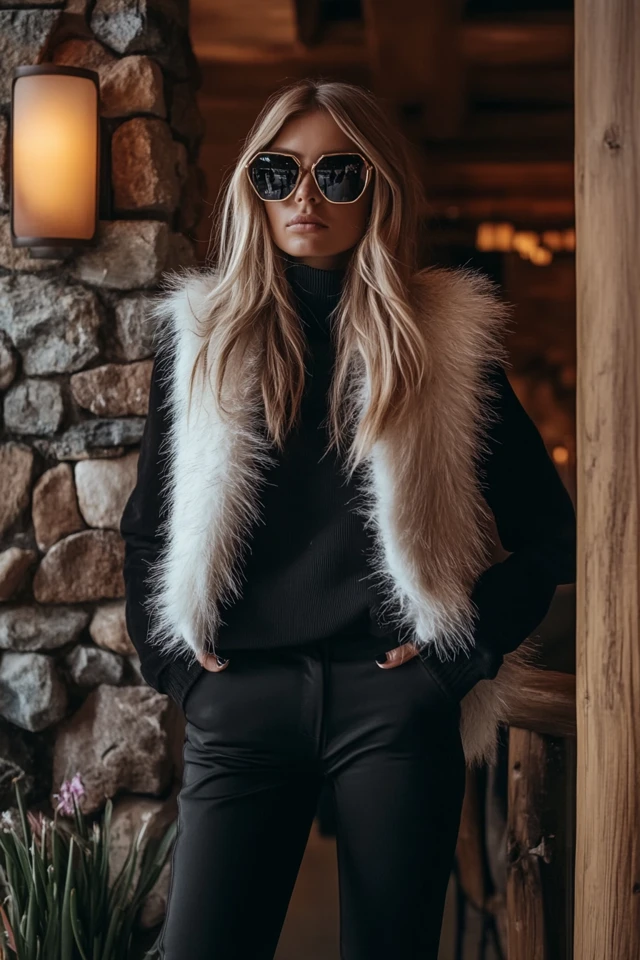
The parka is only the outer layer. The one closest to your skin should be made of moisture-wicking material that draws sweat away, as Texas A&M's Howdy Health guide to cold weather exercise advises. The same page says to avoid cotton, because it absorbs moisture and can keep it next to your skin, which makes you cold.
Over that, add a knit or fleece for warmth. If you like the cozy lodge look, a thick sweater works well, and our notes on cozy winter lodge styles with knit sweaters show how to keep the layers from bunching. A thinner mid-layer such as fleece also fits under a snug parka; see corduroy and fleece for cozy layers.
How to style women's parkas for winter and rain
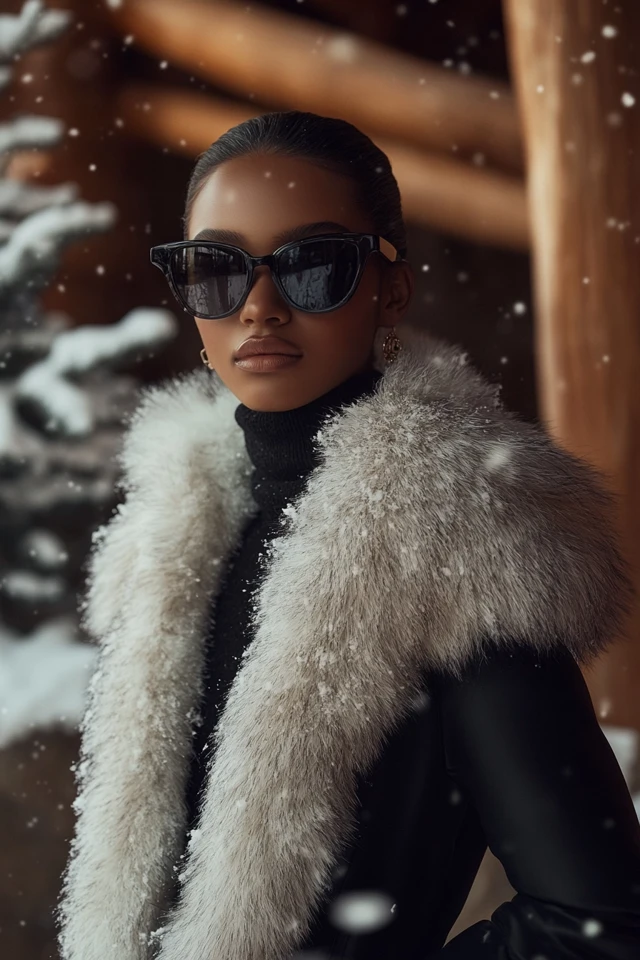
A parka is a big shape, so balance it. Pair a roomy coat with slimmer pants or leggings and boots with grip. If the parka is hip length, a long knit or a straight jean keeps the line clean. If it is long, a shorter sweater underneath stops the outfit from looking like one block.
Pick a color that works in gray weather
Olive, camel, black and cream all read well against wet pavement and gray skies. Olive is a good middle ground: it looks outdoorsy with jeans and thermal boots, and it softens next to a faux fur hood. Texture matters too. A matte shell next to a soft fur trim gives you contrast without adding a second color.
Dress it up for the lodge
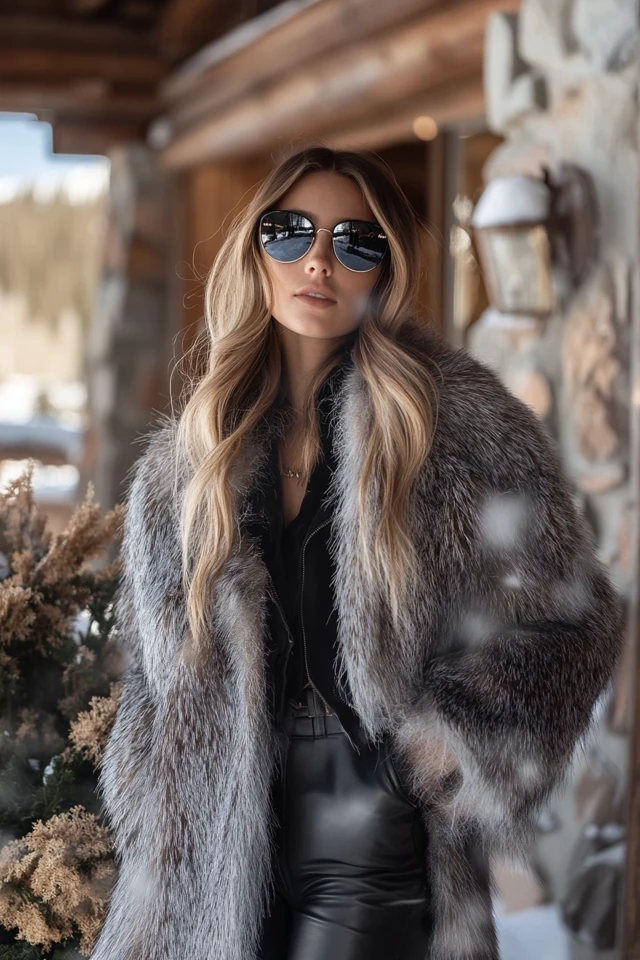
Leave the parka on the hook indoors and let the layer beneath do the work. A knit dress with opaque tights and ankle boots, or a vest over a turtleneck, looks polished by the fire. For vest ideas, see faux fur vests for layered winter looks and how to mix faux fur and wool.
Faux fur trim: practical or just pretty?
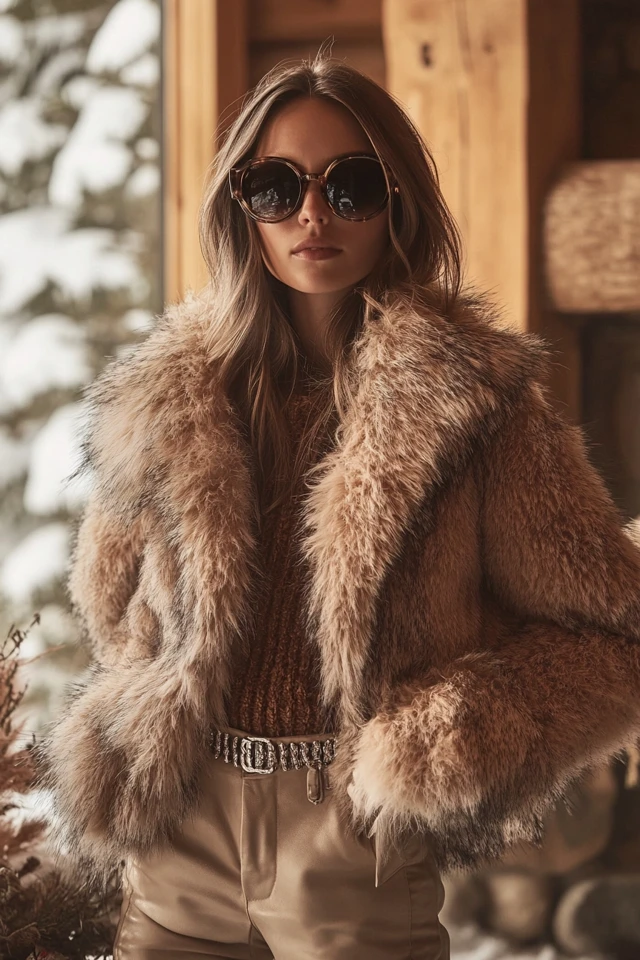
Faux fur on a hood does soften the face and can block a little wind, but it is mostly a styling detail. It is better for après-ski and village walks than for hard activity on the slopes. Spot clean it gently and let it dry fully before storing, and follow the care label on your specific coat.
As an architect trained in evidence-based design, I'd treat the hood as the first thing the eye reads on a parka. A fur trim frames the face, so choose a shade that sits well next to your skin, such as cream, taupe or charcoal.
Frequently asked questions
What is the best jacket for both rain and winter?
A waterproof parka with synthetic insulation, taped seams and a deep hood handles both. Add layers underneath for extra warmth rather than buying a bulkier coat.
What is the best jacket for both rain and cold weather?
Choose a mid-thigh parka with a waterproof shell, a storm flap and adjustable cuffs. These details keep wind and water out while holding in heat.
What is the best waterproof parka?
The best one fits your climate: look for a waterproof (not just water-resistant) shell, sealed seams and a hood that stays up in wind. Try it on over the sweater you plan to wear.
Is down or synthetic better for a rainy winter?
Synthetic fill keeps insulating when damp, so it is usually the safer pick for wet cold. Down works if the shell is fully waterproof.
Filed under Outfit Ideas