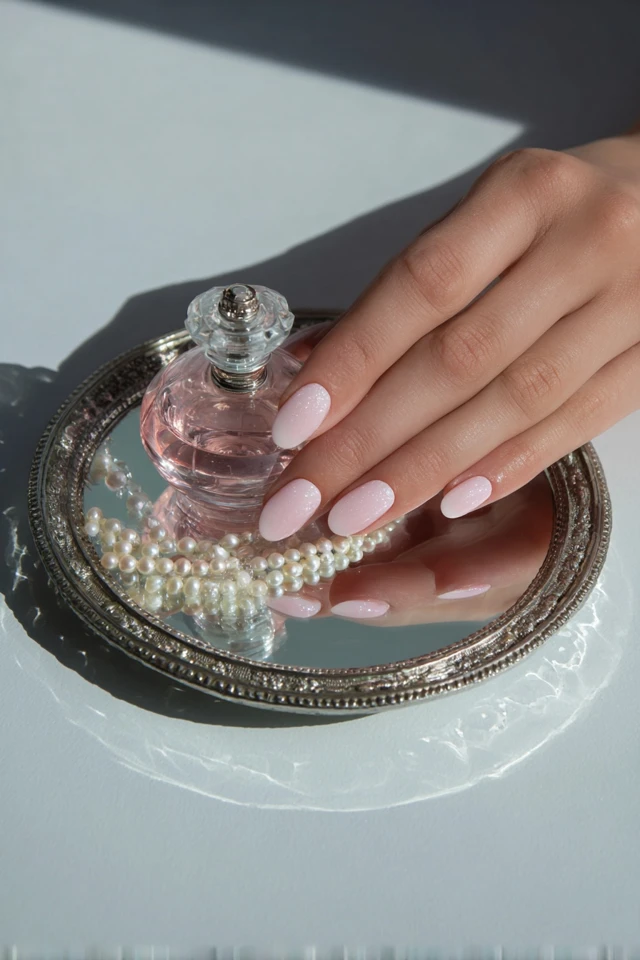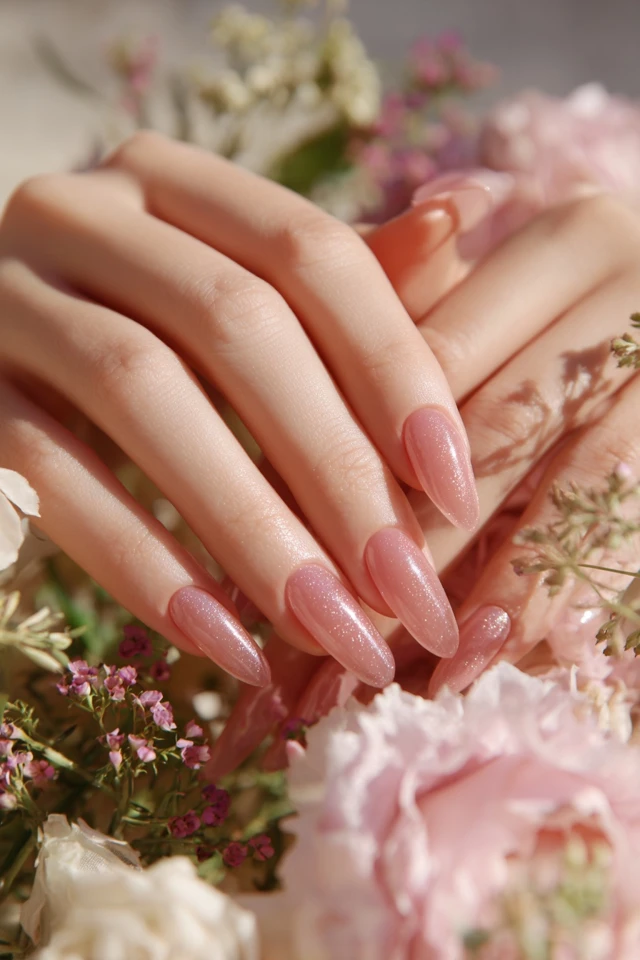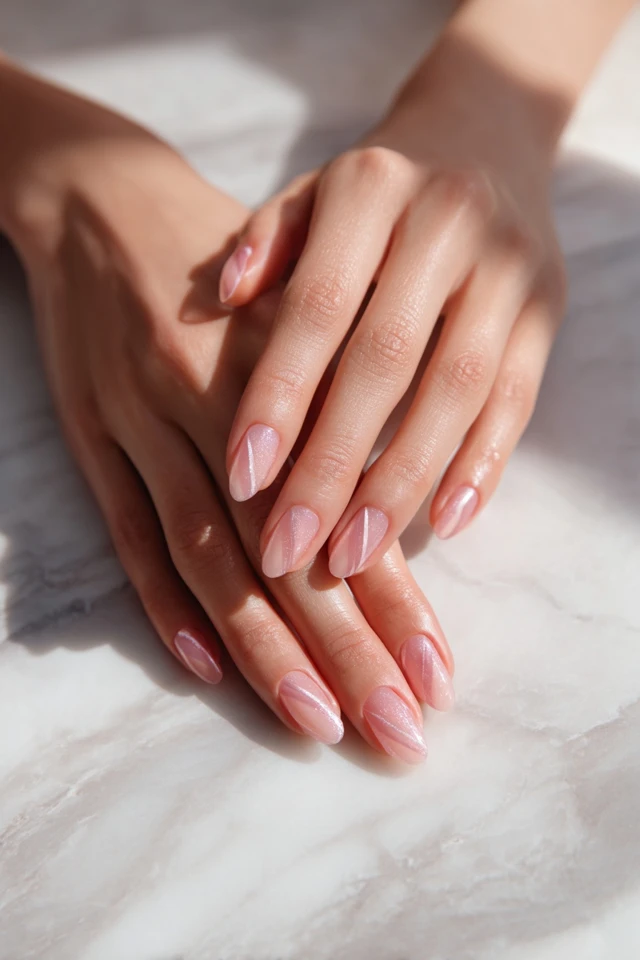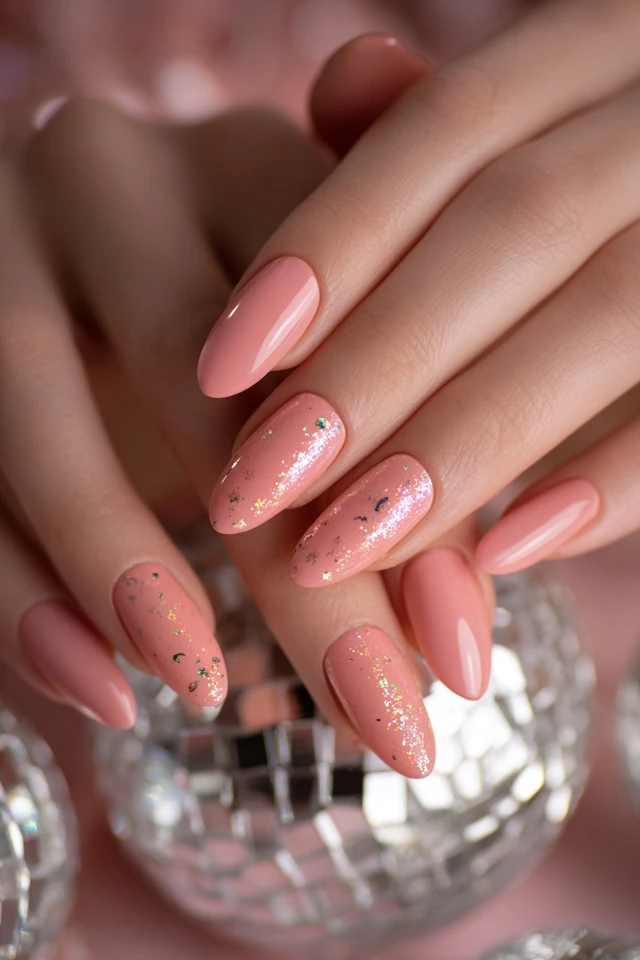
Timeless Crescent Design Nails
- Words by
- Julio Arco
- Published
- Reading
- 4 min
Geometric nail art is built from a few simple shapes: straight lines, triangles, squares and curves. The easiest way in is one or two shapes repeated on a neutral base. Start with a single stripe, a corner block of color, or a half-moon at the cuticle, and add complexity only when those feel easy.
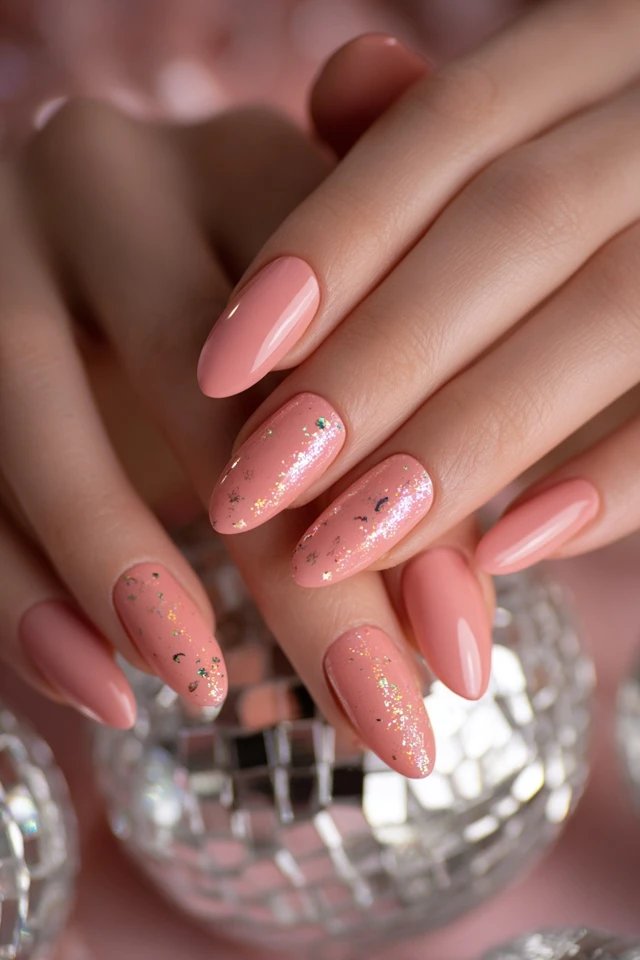
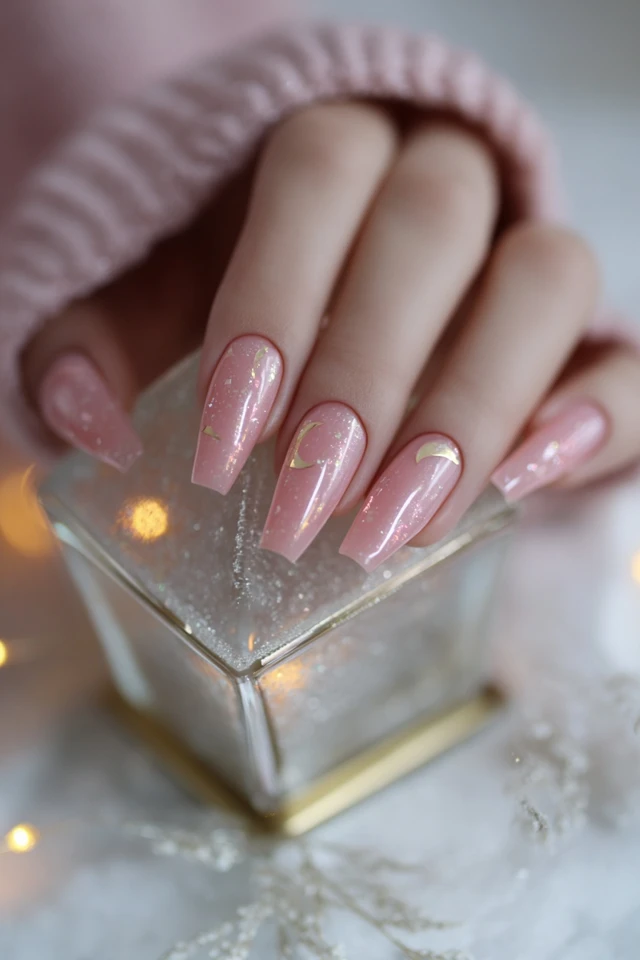
Crescents are a good first shape, because a curve is forgiving. A half-moon at the base of the nail is one of the simplest geometric nail designs, and it sits comfortably next to sharper angles on other fingers.
What are some examples of geometric nail designs?
These are the patterns I'd point a beginner toward first, roughly from easiest to hardest:
- A single diagonal stripe across a nude or sheer base.
- A half-moon (crescent) at the cuticle in a contrasting shade, with the rest of the nail left bare or glossy.
- A French tip with a straight or angled edge instead of a smile line.
- Two-tone nails split down the middle, one half polish and one half bare.
- Triangles that point from the tip toward the cuticle.
- Grids or crossing lines in a thin, dark shade over a pale base.
If you like the crescent idea, the minimalist nail designs post has more restrained options, and V-tip nails are a close cousin of the angled French.
How to keep geometric nail designs simple
Limit yourself to two colors plus a neutral. Every extra shade adds a boundary you have to paint cleanly, and clean edges are what make geometry look intentional.
Paint the base color first and let it dry fully. Then use thin striping tape or a fine detail brush for the lines. Peel tape off while the top layer is still slightly wet, so the edge doesn't lift the polish beneath.
Not every nail needs the pattern. One accent nail per hand reads as deliberate, and it is far easier to repeat accurately than ten matching designs.
Color blocking and matte finishes
Color block geometric nails divide the nail into flat sections of solid color. Pick shades with clear contrast in lightness (a deep green beside a cream, for example), because similar tones blur the line between sections and the geometry disappears.
Through the lens of evidence-based design, I'd think about surface before color. A glossy and a matte version of the same shade do not read as the same color, because the finish changes how light reaches your eye. That is why matte geometric nails look flatter and more graphic: without reflections, the edges between shapes become the focus.
A useful trick is to mix finishes within one design. Matte blocks with a thin glossy line, or the reverse, give contrast without adding another color. The monochrome nail designs post shows how far one shade can go.
What is the best nail shape for geometric designs?
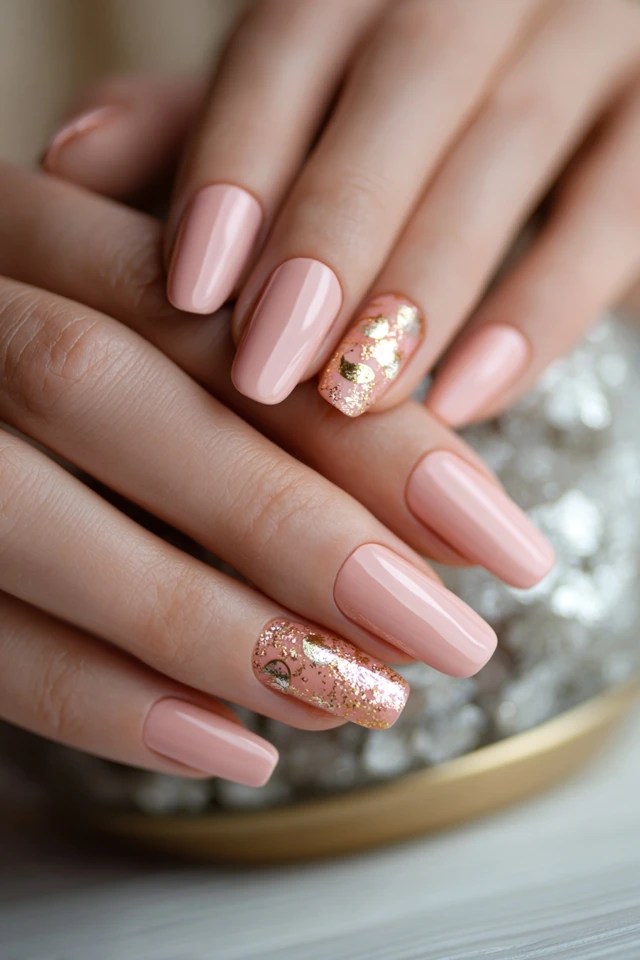
Short to medium square and squoval nails suit the most patterns. Their straight tips echo the lines in the art, and the flat surface gives you room for clean blocks and stripes. Almond and oval shapes soften angles, which can look good with crescents and curved lines but makes sharp triangles less crisp.
For longer lengths, a coffin or a tapered square keeps the geometry readable. Pointed stiletto shapes pull the eye toward the tip, so keep patterns there minimal.
As for the question of the healthiest shape, I'd leave that to a dermatologist. In general, a shorter nail with a gently rounded edge snags less, but check with a professional if you have splitting or other nail concerns.
How lines and angles change how nails look
Lines change proportion. A vertical stripe or a triangle pointing toward the tip makes a nail look longer and narrower. Horizontal bands and wide color blocks make it look shorter and broader. If your nail beds are short and you want length, run lines lengthwise or leave negative space down the center.
Negative space (bare nail showing through) also lightens a design. It works well with sharp angles because the bare areas stop a dense pattern from feeling heavy.
Tools and care for clean lines
A thin detail brush, striping tape and a dotting tool cover most geometric work. Work under good light and steady your hand by resting your wrist on the table.
Gel and dip manicures hold crisp lines for weeks, but removal matters. The American Academy of Dermatology notes that acetone is the most effective way to remove gel polish at home, and the Cleveland Clinic says careless removal can temporarily damage nails, with cracking and peeling the most common issues.
Board-certified dermatologist Shari Lipner, MD, PhD, says of dip powder: "After removing the color, wait one month before getting another one of these manicures." (AAD) Her colleague Chris Adigun, MD, FAAD, adds: "Looking closely at your nails after removing the color helps you spot a problem early."
For bolder styles with a similar graphic feel, see beveled nail designs and sharp pipe nails.
Frequently asked questions
What is the most attractive fingernail shape?
It depends on your nail bed and the design. Squoval and almond are popular because they suit most hand shapes, and square works best when you want crisp geometric edges.
What are the 7 different nail shapes?
Commonly named shapes are square, squoval, round, oval, almond, coffin (ballerina) and stiletto. Some salons also list lipstick or edge shapes, so the count varies.
What is the healthiest nail shape?
A short nail with a gently rounded or squoval tip tends to catch and break less. If your nails split or peel often, check with a dermatologist.
Can I do geometric nail art at home without tape?
Yes. A thin detail brush and a steady wrist are enough for simple stripes and half-moons. Tape just makes straight edges easier.
Filed under Nail Design