Swingy Babydoll Dresses for Youthful Charm
- Words by
- Julio Arco
- Published
- Reading
- 4 min
A-line and fit and flare dresses both flare out below the waist, which is why they get confused. The A-line skims the body and widens gradually from the shoulders or bust. The fit and flare is fitted through the bodice, nips in at the waist, then flares into a fuller skirt. Swingy babydoll dresses sit close to the A-line side of that family.
If you want a dress that moves and needs no fuss, pick an A-line. If you want a defined waist with a skirt that swings, pick a fit and flare.
What is the difference between an A-line and a fit and flare dress?
The difference between a-line and fit and flare dress shapes is where the dress touches your body. An A-line is cut straight from the upper body and widens toward the hem, so the waist is only suggested. A fit and flare has a seam or gathered line at the natural waist, and the skirt starts to widen there.
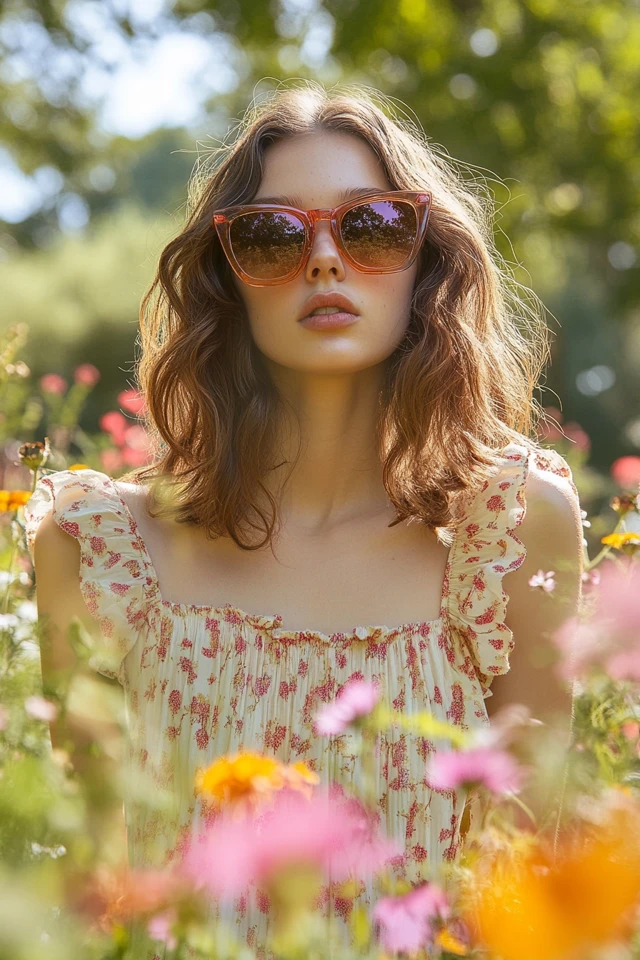
A babydoll dress is a looser cousin: the seam sits higher, just under the bust (an empire line), and the skirt hangs free. It is usually short, though midi versions exist.
| Shape | Where it fits closest | Skirt |
|---|---|---|
| A-line | Shoulders and bust | Widens gradually to the hem |
| Fit and flare | Bodice and natural waist | Flares out from the waist |
| Babydoll | Bust only | Loose, swingy, often tiered |

Which body types do these silhouettes flatter?
Both shapes are forgiving, but they do different jobs, so the useful question is what you want the dress to do.
What body type does an A-line dress fit?
Nearly any. The skirt skims over hips and thighs without clinging, so it suits pear shapes, apple shapes and rectangles alike. If you want more shape, add a belt.
What body type can wear a fit and flare dress?
It is a natural match for anyone who wants the waist to be the focal point, including hourglass and pear shapes. On a straighter frame, the flare adds curve at the hip. Check that the bodice seam lands at your natural waist; if it sits too high or low, the whole dress looks off.
Does an A-line dress hide belly fat?
It can be comfortable there, since the fabric falls away from the midsection instead of hugging it. Choose a medium-weight fabric with some drape, and avoid thin, clingy knits. A babydoll or empire cut does this even more, because the fullness starts above the stomach.

How to choose by frame
- Petite: keep hems at or above the knee and go easy on tiers, which can swallow a small frame. Sneakers or platforms add a little height.
- Curvy: look for a defined empire seam, a smocked bodice or structured pleats instead of very voluminous skirts.
- Athletic: puff sleeves, prints or textured fabrics add softness and dimension at the shoulder.
- Tall: longer hems and dramatic tiers balance your height well.
Which length works best?
Mini and above-the-knee lengths are the most playful and the classic babydoll choice. A knee-length fit and flare is the easiest all-rounder for work and dinners.
Midi A-line and fit and flare dresses are the most versatile: they move well, suit most heights and dress up easily with heels or down with flats. Maxi versions look best when the hem just clears the floor in the shoes you plan to wear, so check that before buying.
Sleeves, necklines and details
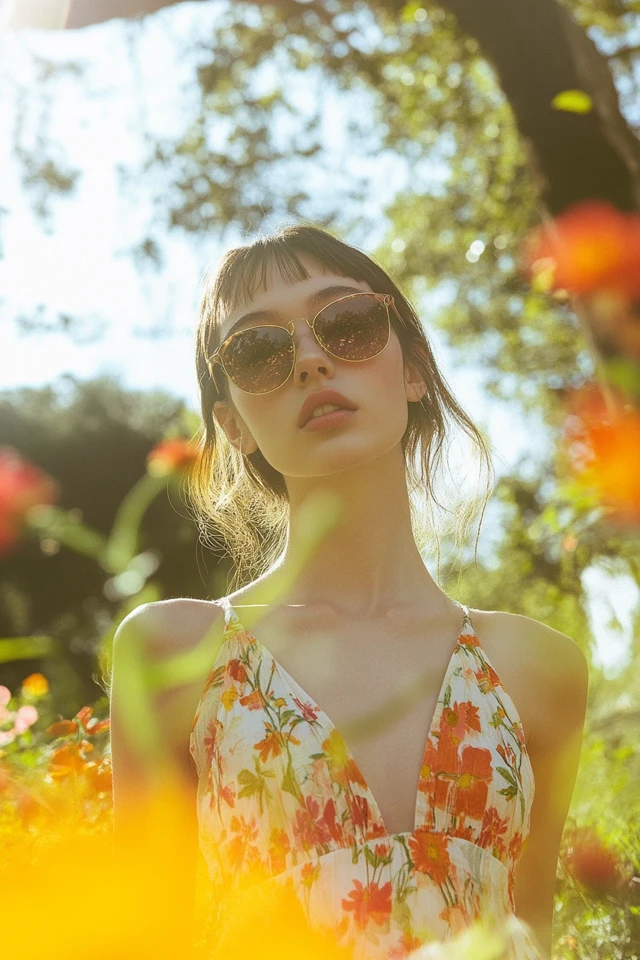
Sleeves change the mood quickly. Cap sleeves keep things light; puff sleeves add romance and balance a fuller skirt. A square or sweetheart neckline frames the face and gives a vintage feel. For a closer look at these details, see these puff-sleeve cottagecore dresses and the smocked bodice styles, which give a stretchy, fitted top under a flowing skirt.

Color, print and fabric
Through the lens of evidence-based design, I'd look at texture before color. A matte cotton and a glossy satin in the same pink read as different colors, because the surface changes how light reaches your eye.
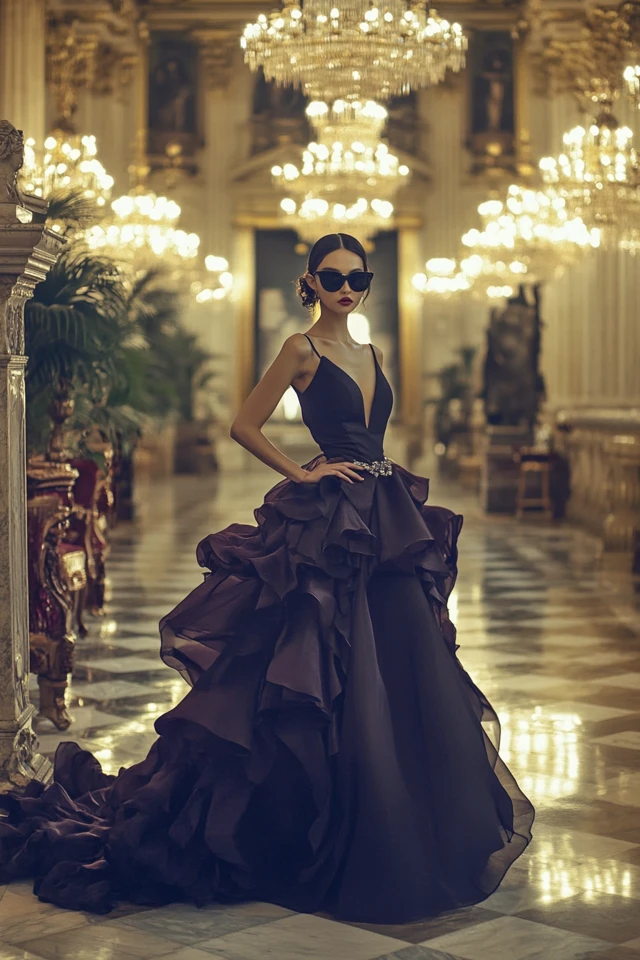
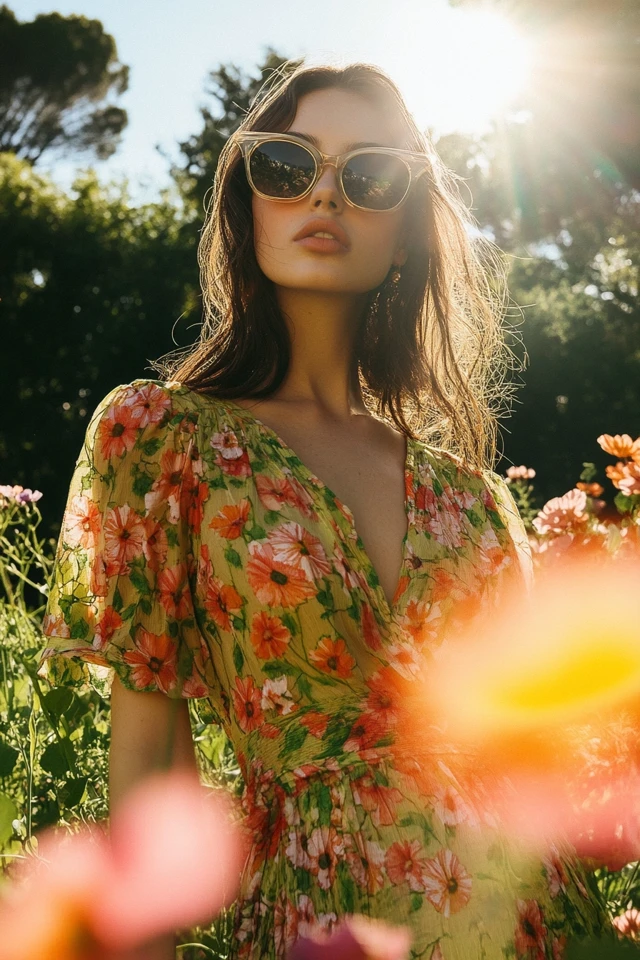
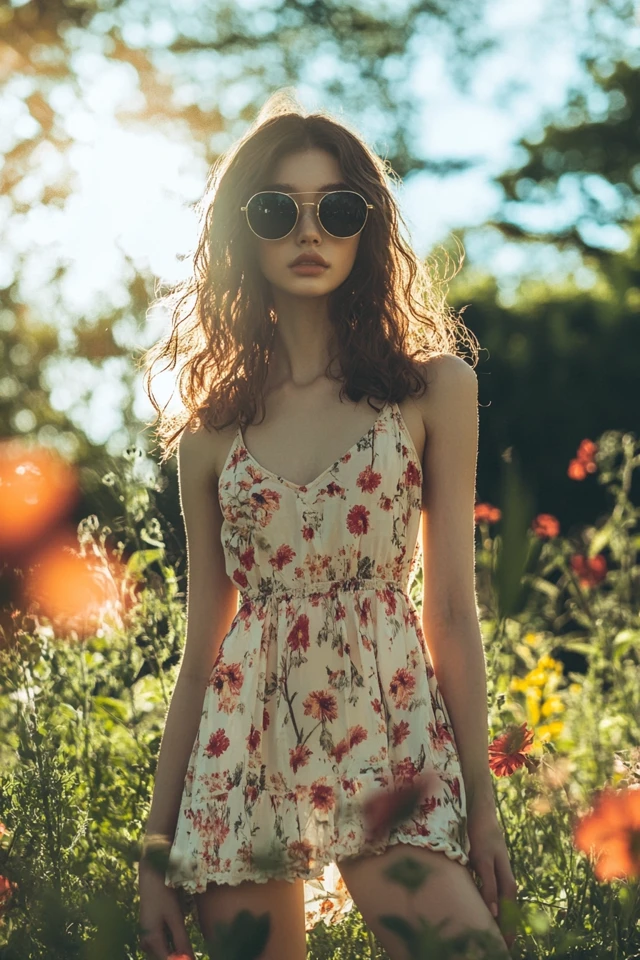
Soft pastels read gentle and romantic. Bright coral or yellow feels energetic in daylight. Navy, black or deep plum make the same silhouette look more polished. Florals, polka dots and gingham amplify the playful side. For warm weather, cotton, linen and eyelet breathe well; knit or velvet suit colder months.
Where to wear them, from casual to formal
For daytime, pair a babydoll or A-line with white sneakers and a cropped denim jacket. For a boho feel, try espadrilles or woven flats, a straw bag and a wide-brimmed hat.
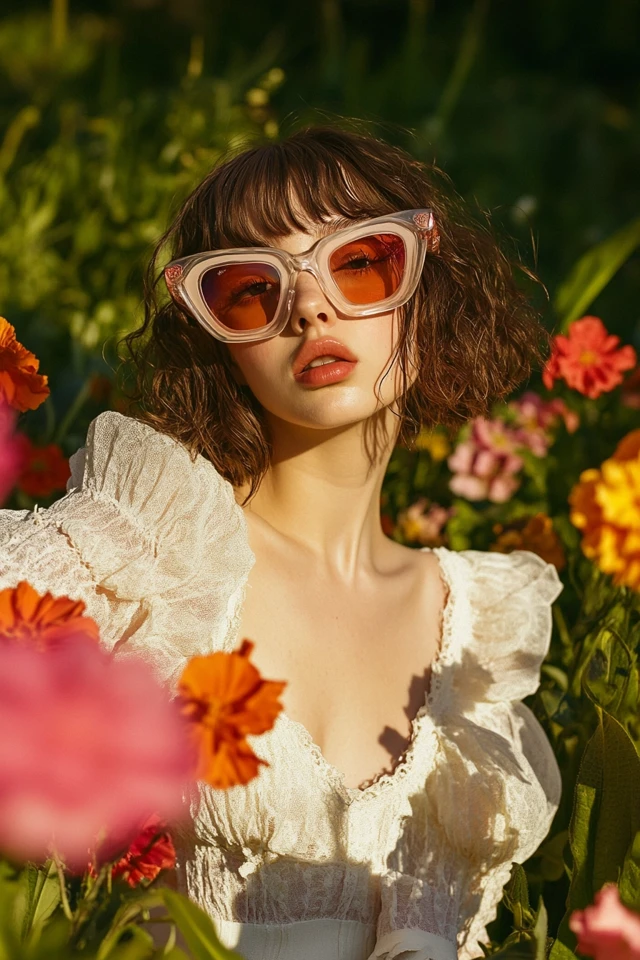
For dressier plans, a fit and flare dress in satin, crepe or lace with heels and a small clutch works for dinners. A fit and flare dress for a wedding should be a fabric with some weight and a hem at the knee or midi length; check the dress code, and skip white. In cooler weather, add tights, ankle boots and a tailored coat, or layer a fitted sweater underneath.
Styling and care tips
- Cinch the waist with a slim belt if an A-line feels shapeless.
- Mix soft and edgy: chunky boots or statement earrings stop a sweet dress from feeling too sweet.
- Check the care label before washing chiffon or lace, steam instead of ironing hot, and store on a hanger to keep the swing.
If you like the swing but want a different cut, the skater dress and trapeze dress are close relatives, and a circle skirt gives the same movement as a separate.
Frequently asked questions
What body type does an A-line dress fit?
Most body types. The skirt widens gradually from the upper body, so it skims hips and thighs without clinging.
What body type can wear a fit and flare dress?
It suits anyone who wants a defined waist, especially hourglass and pear shapes. Make sure the waist seam sits at your natural waist.
Does A-line dress hide belly fat?
It can feel comfortable over the midsection because the fabric falls away from the body. A drapey, medium-weight fabric or an empire cut helps most.
Can babydoll dresses be dressed up?
Yes. A satin or lace version with heels, bold jewelry and a small clutch works for dinners and events.
Filed under Style & Fit