Berets for Fall: How to Choose and Wear One
- Words by
- Julio Arco
- Published
- Reading
- 4 min
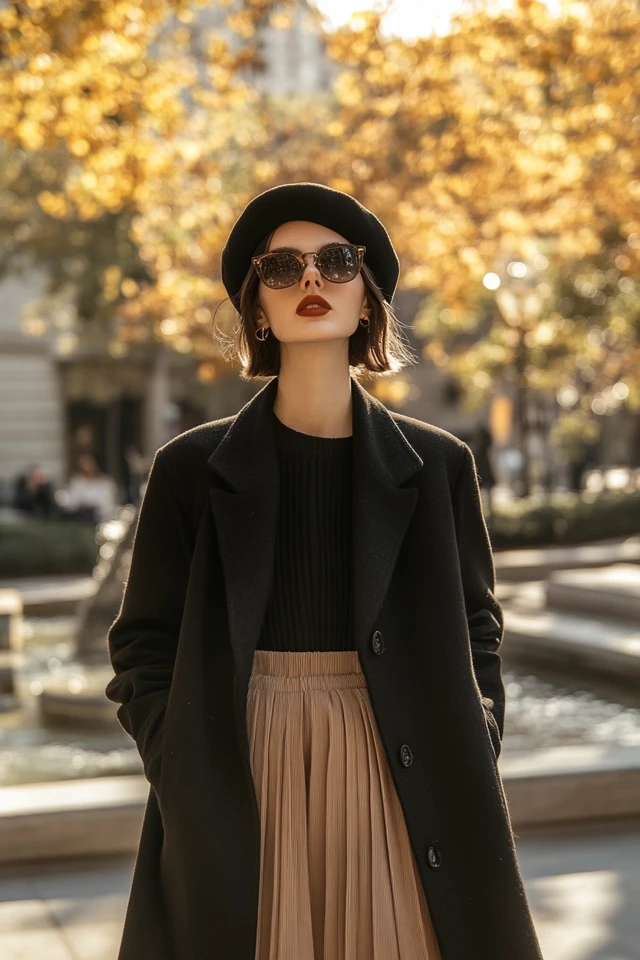
A wool beret is the easiest hat for a mild fall afternoon. It is light enough not to feel heavy at 60°F, soft enough to wear with a coat or a sweater, and it finishes an outfit with one move. Choose wool or knit for everyday wear, felt for a sharper look, and wear it slightly tilted so it sits over one ear.
Below: which fabric suits which outfit, how a beret should fit, five outfit formulas, and what to add when the afternoon turns cooler than planned.
Which beret fabric should you choose?
The fabric changes how the beret looks and feels more than the color does. A matte wool and a glossy felt in the same shade read as two different hats, because the surface changes how light reaches your eye.
Wool
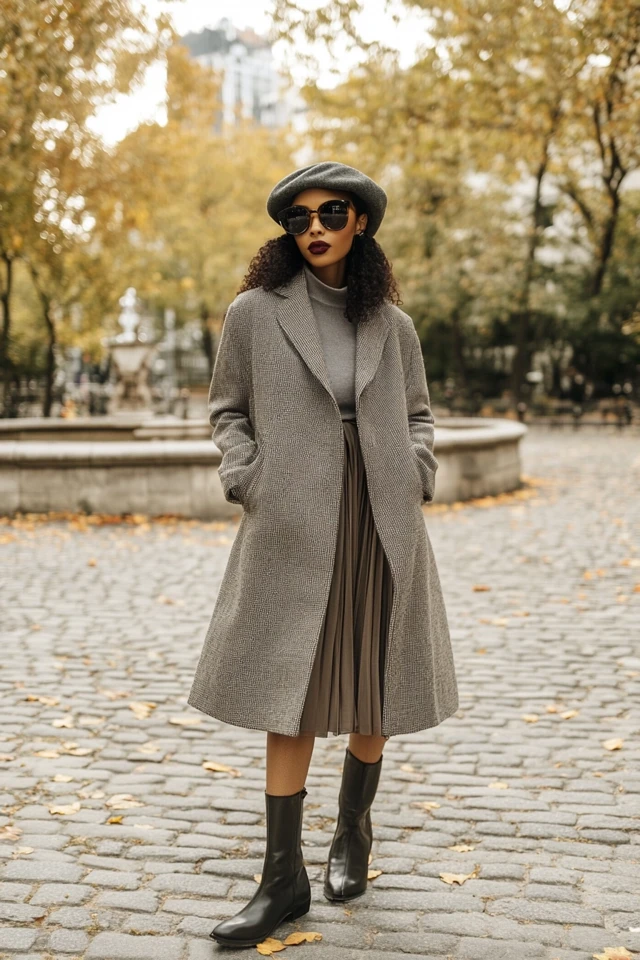
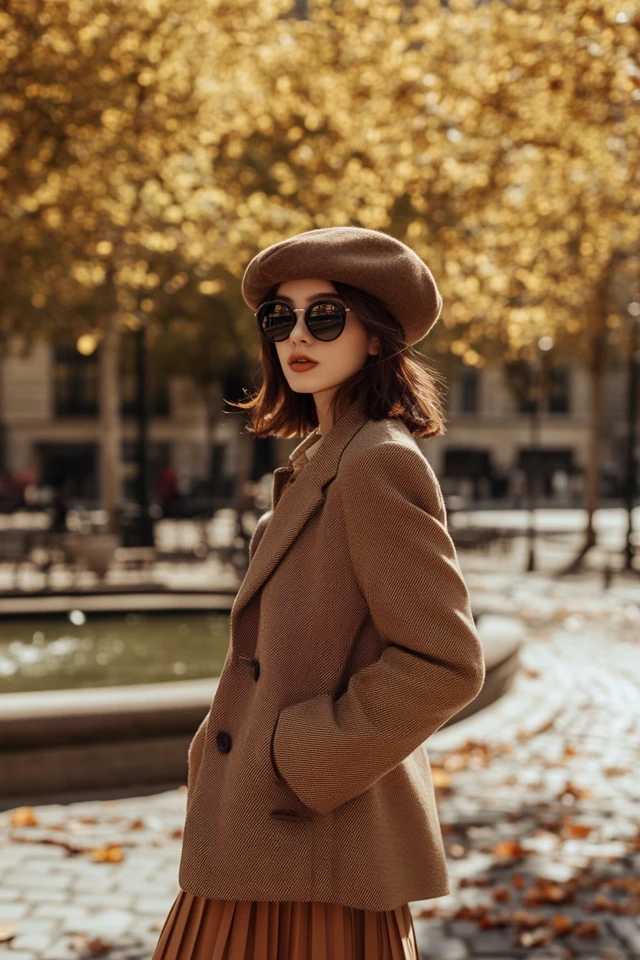
The classic. Wool is warm without weight and holds a soft, rounded shape. Black, grey and camel go with nearly everything. Burgundy, mustard and forest green work well if your coat is neutral.
Cashmere
The softest option and a good pick if wool feels scratchy on your forehead. It is lightweight and drapes a little more than wool, so the shape is slouchier.
Felt
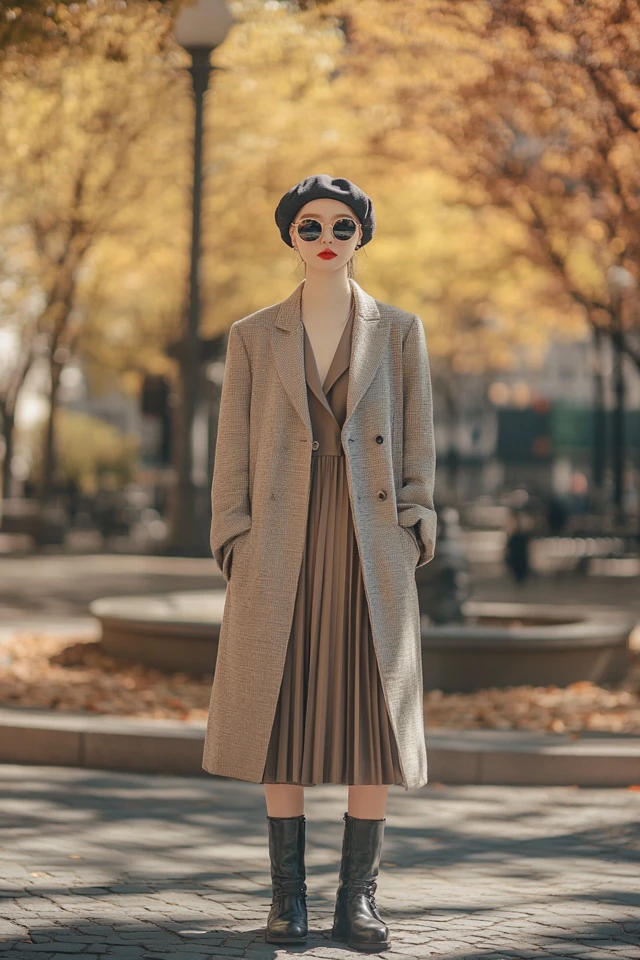
Felt is firmer and holds a crisp, flat crown. It suits tailored coats, dresses and anything that leans polished or vintage.
Knit
A knit beret is the casual one. It stretches, fits a range of head sizes and pairs well with chunky sweaters and scarves.
Embellished
Embroidery, pearls or metallic details make the beret the focus of the outfit. Keep everything else simple so the hat is the only statement.
How should a beret fit?
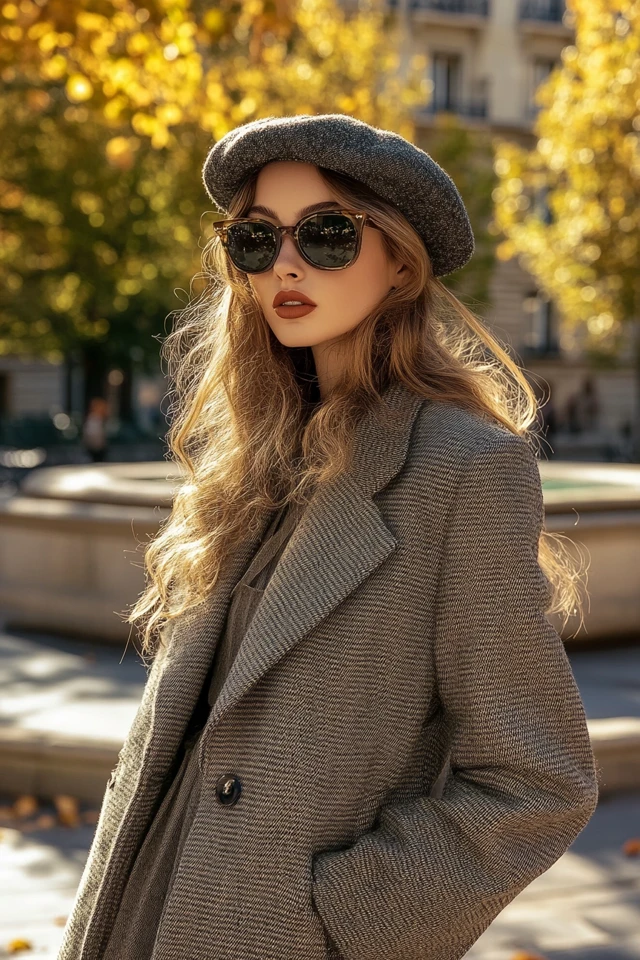
It should sit comfortably without pressing on your forehead or leaving a line. If it slides back or squeezes, the size or the stretch is wrong for you. That is a fit problem, not a you problem.
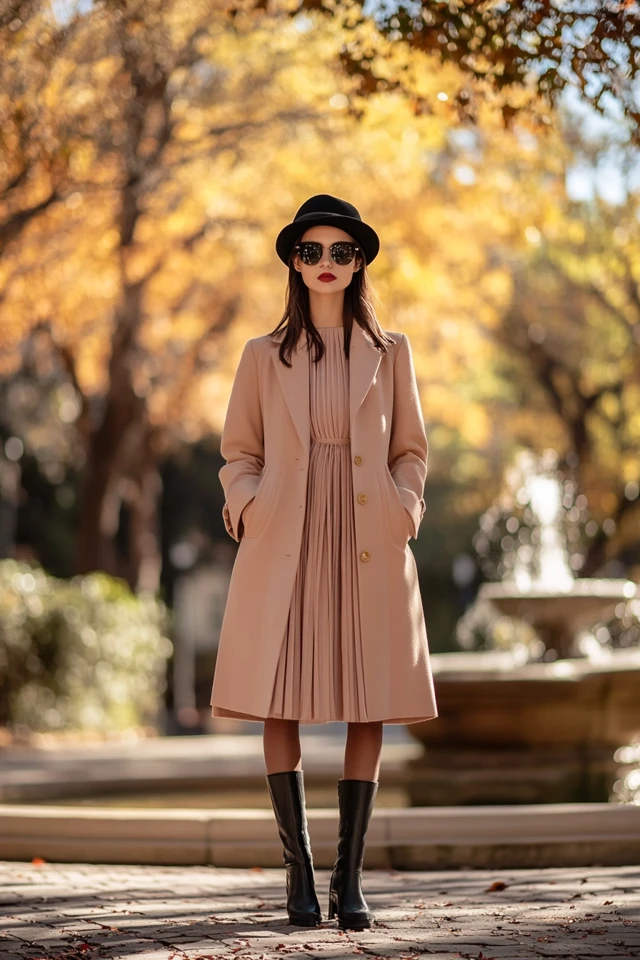
Place the band just above your eyebrows at the front, then pull the crown toward one side so it tilts over an ear. Tilting right or left is a matter of preference. Pull it slightly lower in the back if you want it to stay put in wind. Through the lens of evidence-based design, I'd treat the angle as the detail the eye reads first: a flat, centered beret looks formal, and a tilted one looks relaxed.
How do you style a beret for fall?
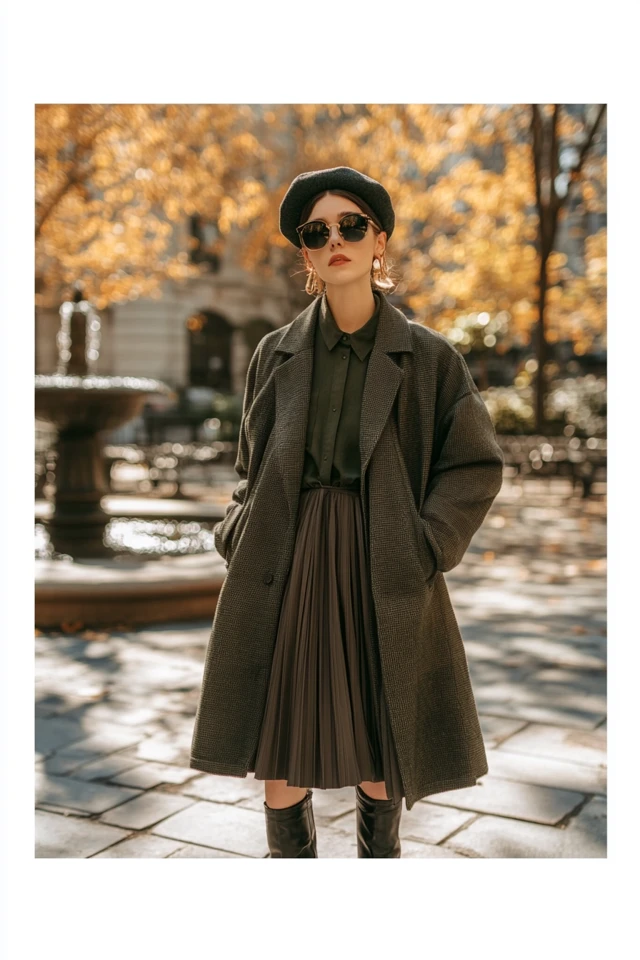
Let the beret match one thing in the outfit, such as the bag, the boots or a scarf, so it looks planned. Here are five formulas that work on mild days.
Parisian classic
Black wool beret, striped knit top, high-waisted jeans, flats and a trench. For more ideas in this direction, see styling berets for a Parisian-inspired wardrobe.
Cozy casual
A knit or wool beret in a neutral tone with an oversized sweater, leggings and ankle boots. Add a crossbody bag and a light scarf.
Polished for work
Felt or cashmere in navy or charcoal, with a tailored coat, wide-leg trousers and loafers.
Artsy and playful
A bold color or embellished beret with a patterned blouse, an A-line skirt and ankle boots. If you want the denim version of a relaxed day, try relaxed fit jeans for sunny fall afternoons.
Evening
Cashmere or embellished wool with a fitted dress, heeled boots and a structured coat. Over-the-knee boots also work here.
What goes with a beret on a breezy day?
A beret is a light layer, so the rest of the outfit does the heavy lifting when the wind picks up. A relaxed cargo jacket or a quilted vest over a knit keeps the look easy. If rain is likely, a layered poncho wrap covers the shoulders while the beret stays dry under your hood or umbrella.
What if your ears and hands get cold?
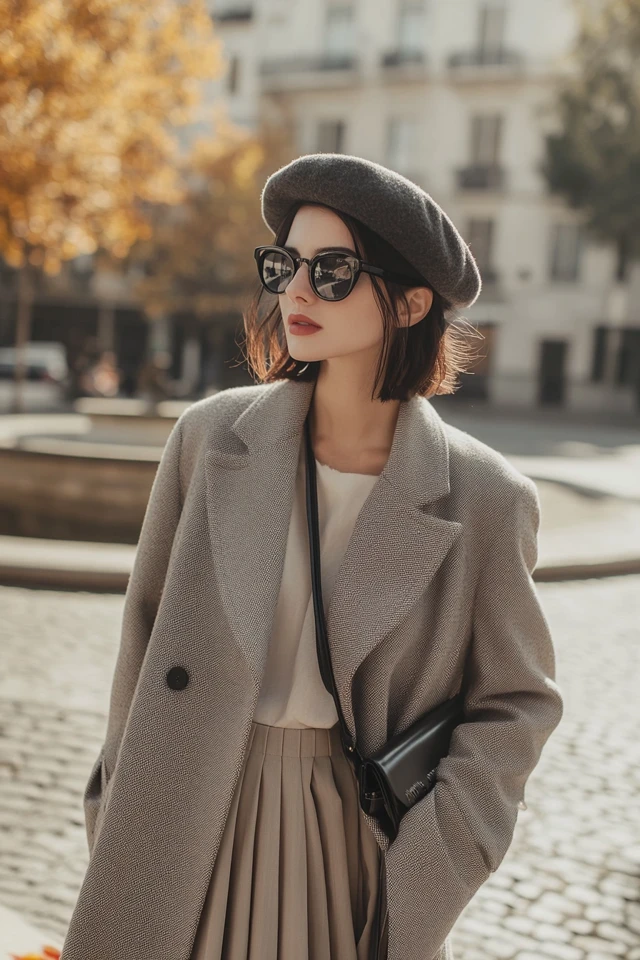
A beret covers the top of your head and only part of your ears. If you are staying out into the evening, think about what to wear to keep your ears warm: a snug knit beret pulled low helps, and a thin ear warmer worn under or instead of the hat covers more.
For hands, mittens are usually warmer than gloves because your fingers share heat in one space. Gloves give you more dexterity. If you want gloves that actually keep your hands warm, look for a snug fit and a lining that feels soft against your skin, and avoid cotton for long outdoor stretches since it holds moisture; Howdy Health at Texas A&M advises avoiding cotton because it absorbs moisture and can keep it next to your skin. An ear warmer and glove set in matching knit is an easy way to look coordinated with your beret.
How do you care for a beret?
- Spot clean wool and felt with a damp cloth and a little mild detergent. Most are not machine washable, so check the label.
- Brush lint away with a soft brush, or steam lightly to relax wrinkles.
- Store it flat or in a hat box. A crushed beret loses its shape.
- Keep wool and cashmere away from moths with cedar blocks or lavender sachets.
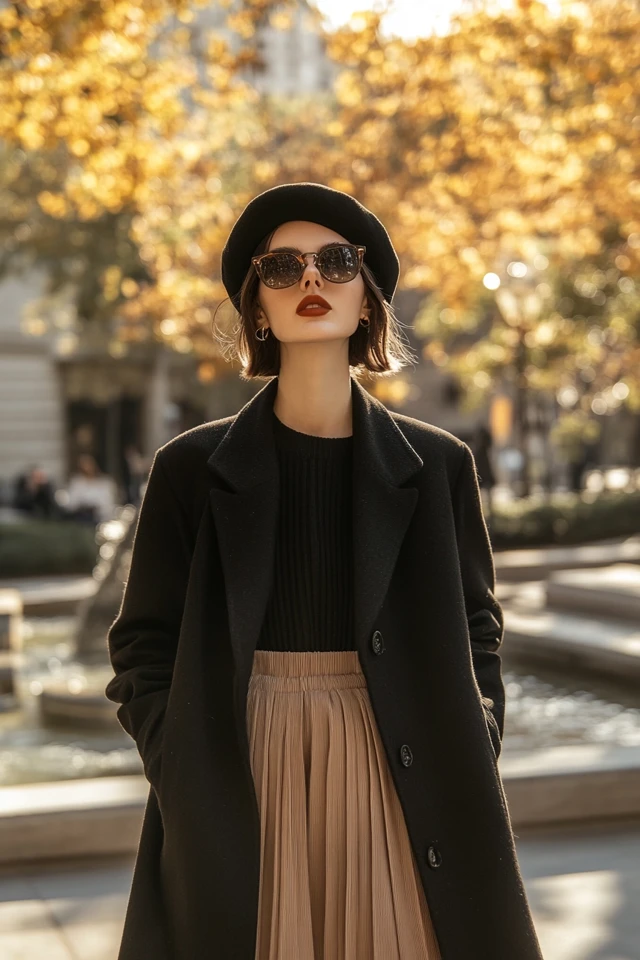
Start with one wool beret in a neutral shade, wear it on a few afternoons, and add color or a different fabric once you know how you like it to sit.
Frequently asked questions
Do gloves or mittens keep you warmer?
Mittens usually do, since your fingers sit together and share warmth. Gloves are better when you need to grip or use your phone, so many people keep both.
What to wear to keep your ears warm?
A snug knit beret pulled low, a headband-style ear warmer or earmuffs all work. For a very cold day, choose the option that fully covers the ears.
Are there gloves that actually keep your hands warm?
Look for a close fit, a soft lining and a fabric that does not hold moisture. Mittens are warmer still if you do not need your fingers free.
Filed under Weather Style