Eco Friendly Sustainable Fashion: Accessories to Start With
- Words by
- Julio Arco
- Published
- Reading
- 5 min
Eco friendly sustainable fashion starts with accessories that last, use better materials and work with clothes you already own. A bag, a pair of earrings or a scarf is an easy place to begin because one piece can change many outfits.
Below: what the term means, which accessory types are worth choosing, how to style them, and how to shop without overspending.
What is eco-friendly fashion?
One research paper in the National Institutes of Health archive describes it this way: eco-friendly or green fashion refers to clothing and accessories produced with minimal chemicals, pesticides, or toxic pigments, which lowers the ecological footprint. Notice that accessories are named right in the definition.
Materials matter, and they involve trade-offs. The same paper notes that cotton needs a lot of water and insecticides, while polyester is made from oil. No fiber is perfect. Sandy Black, author of Eco-Chic: The Fashion Paradox, puts it plainly in the FIT museum's Eco Fashion exhibition: "At all stages of design and production decision-making there are trade-offs to be made, reconciling fashion and style with available materials, costs and time constraints."
Why accessories are a good place to start
Textile waste is large. The EPA estimated that textile generation in 2018 was 17 million tons, or 5.8 percent of municipal solid waste, and that the recycling rate for textiles was 14.7 percent. Wearing a piece for years is the simplest way to push against that.
Accessories also take less fabric, cost less than a full outfit and repeat well. That makes them a low-risk way to try a more conscious wardrobe.
Examples of sustainable fashion accessories
Bags
Look for recycled canvas, cork, organic cotton or upcycled leather. Check the stitching at the handles and the base of the bag first. A sturdy construction matters more than the material story.

Jewelry
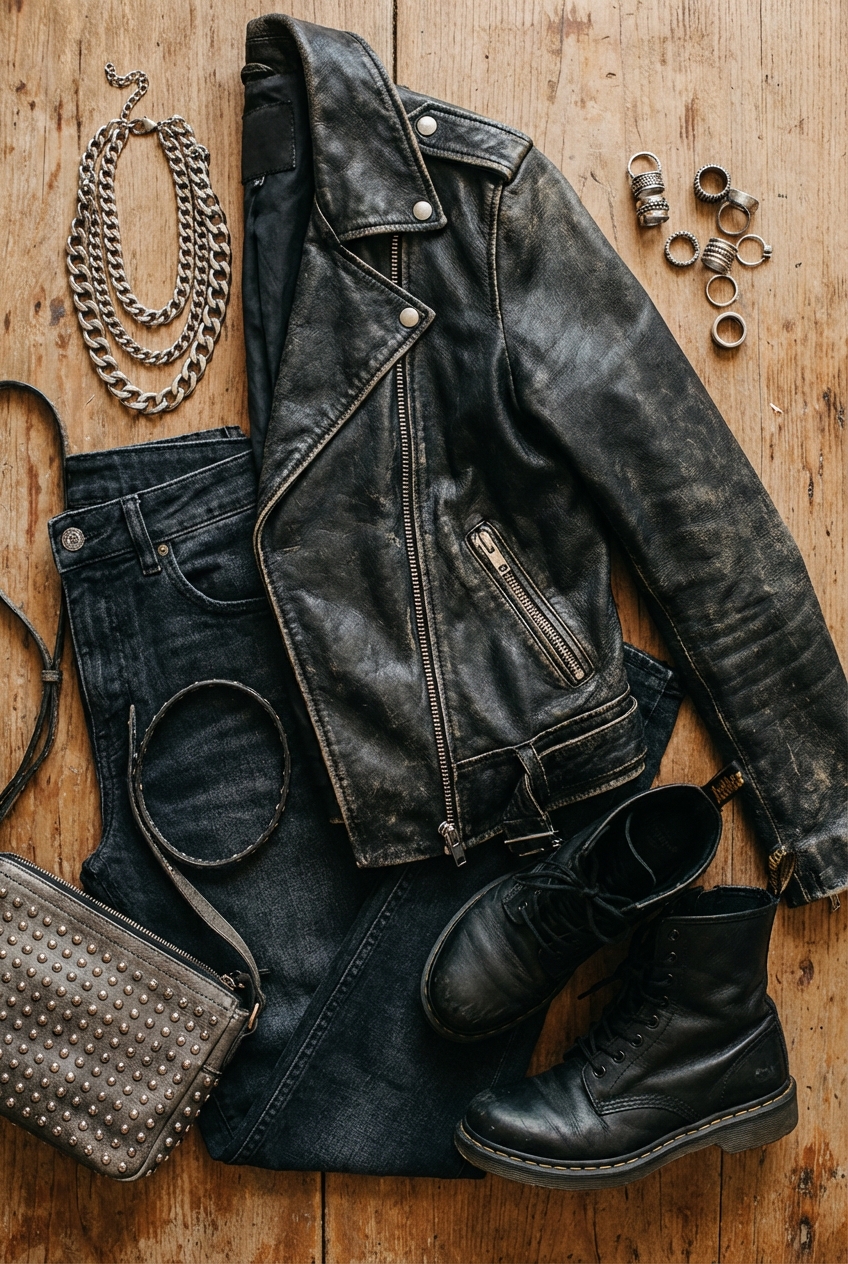
Recycled metals, natural stones and sustainably sourced wood are common. Simple shapes get worn more often, so they usually lower the cost per wear.

Shoes
Recycled rubber, bamboo-based fibers and plant-based leather alternatives exist. Neutral colors cross from casual to dressier outfits, so one pair does more work. Be aware that some leather alternatives are plastic-based, so read the material label if avoiding plastic matters to you.

Scarves, totes, belts and hats
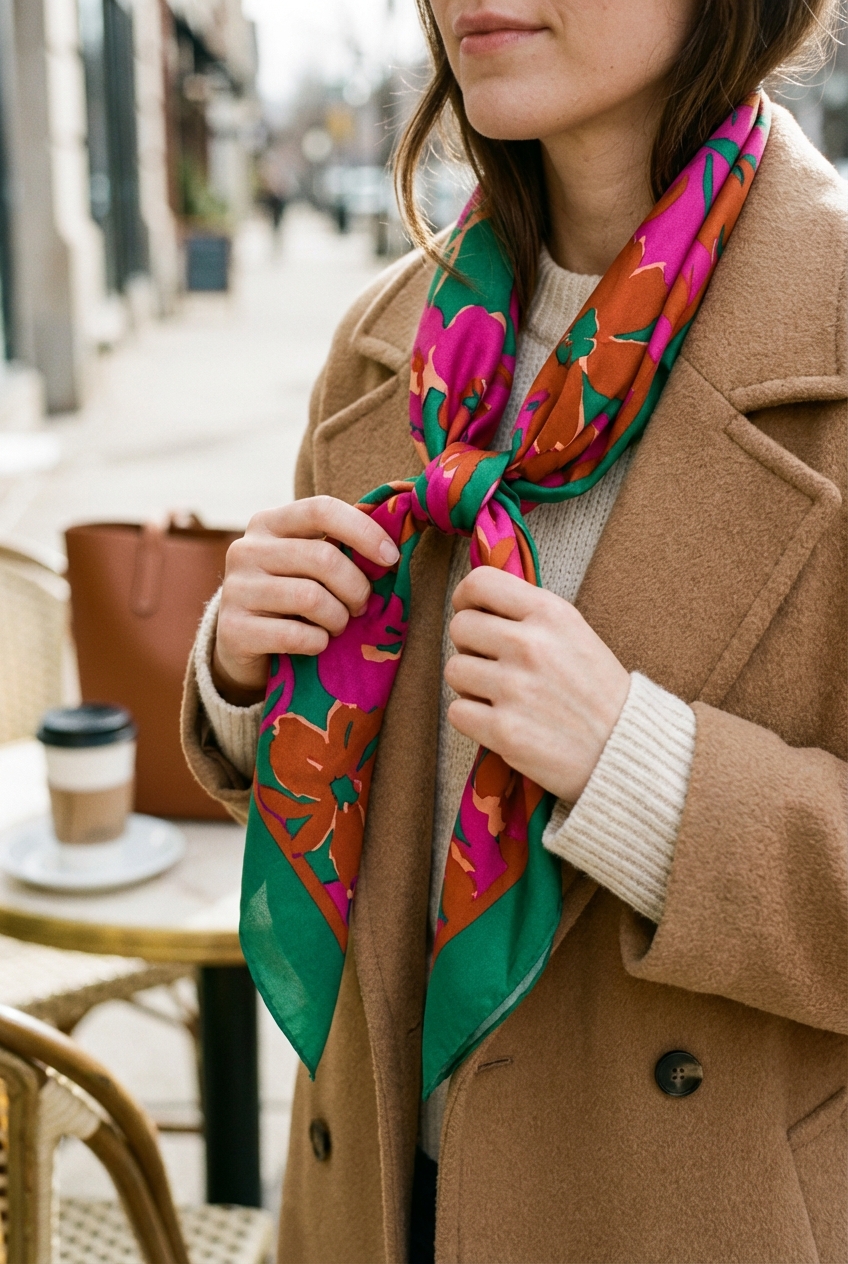
Organic cotton, linen, hemp and straw are the usual materials. A scarf tied to a bag handle adds color for almost no cost, and a straw hat or woven belt adds texture to a plain summer outfit.

Which materials should you look for?
Natural fibers such as linen, hemp, wool and organic cotton avoid the oil base of polyester. Synthetic fibers are a concern because, as the FIT exhibition notes, many will take hundreds of years to biodegrade. If you want sustainable materials and plastic-free fabrics, check the care label for the fiber content, not just the marketing.
Recycled materials are a reasonable choice when the product is built to last. A recycled-plastic bag that falls apart in a season defeats the purpose.
How do you style eco-friendly accessories?
Let one statement piece lead
Pair a chunky wooden necklace or a bold bag with simple basics in white, beige or black. The eye needs one place to land.
Mix textures
Through the lens of evidence-based design, I'd start with texture before color. Cork, straw or woven fibers read as matte and dry, while silk or denim reflects light differently. Putting them together makes an outfit look layered without adding more pieces.

Add one pop of color
Many sustainable accessories come in earthy tones, which is useful because they match most wardrobes. If you want brightness, choose one bag or scarf in a bold shade and keep the rest quiet.
Try a tonal outfit
Wearing varied shades of one color family, such as tan linen with a cork belt, looks polished. Mixing slightly different shades keeps it from looking flat.

Layer with a plan
Stacked bracelets or several necklaces work best within one palette, such as all warm metals or all natural tones. As an architect trained in evidence-based design, I'd also vary the scale: one thin piece, one chunkier one.

How to shop without overspending
- Check what you own first. For a few accessories already in your drawer, styling capsule wardrobe pieces with creative accessories shows how to get more from them.
- Buy fewer, better pieces. A higher price can pay off if you wear the item for years, but only if you will really wear it.
- Choose versatile colors and shapes so each piece works with several outfits.
- Look for secondhand and handmade options. Affordable ethical clothing brands exist, but so do thrift stores and local makers, which cost less and need no new production.
- Read the label. Look for a named material and a certification you can check, such as GOTS for organic textiles or Fair Trade.
Keeping pieces in use matters too. Only about 15% of textiles bought each year are recycled or repurposed, according to Mississippi State University Extension. Before you donate something, take the advice of MSU Extension instructor Jasmine Harris-Speight: "When deciding what to keep, ask yourself: Does this item hold a sentimental place in my heart? Will I miss this item if I get rid of it?"

For a wider wardrobe plan, see how to build a capsule wardrobe for eco-friendly living, and for fabric detail, the sustainable fabrics spotlight. If you are dressing for a specific day, Earth Day fashion ideas has outfit and brand suggestions.
Frequently asked questions
What are examples of sustainable fashion?
Examples include secondhand clothing, pieces made from organic or recycled fibers, handmade accessories from local makers, and items repaired or restyled instead of replaced. Accessories like cork bags or recycled-metal jewelry are easy starting points.
Are eco-friendly accessories expensive?
Some cost more upfront, but you can lower the cost per wear by choosing versatile pieces you will use for years. Secondhand and handmade options are often cheaper than new branded ones.
How do I know if an accessory is truly eco-friendly?
Look for a named material on the label and a certification you can verify, such as GOTS for organic textiles or Fair Trade. Vague words like "green" or "conscious" without details are a reason to ask questions.
Can I wear eco-friendly accessories to formal events?
Yes. Simple recycled-metal jewelry, a structured bag in a plant-based material or a silk scarf all read as dressy when the shapes are clean and the colors are neutral.
Filed under Accessory Trends