Eco Friendly Sustainable Fashion: Earth Day Outfits
- Words by
- Julio Arco
- Published
- Reading
- 5 min
The most eco-friendly outfit for Earth Day is usually one you already own, styled with care. If you are buying, look for natural or recycled fibers, pieces you will wear many times, and brands that tell you plainly how their clothes are made.
Below: what eco-friendly fashion means, which materials are worth seeking out, how to check a brand, and six outfit formulas by occasion.
What is eco-friendly fashion?
A research article on Gen Z shoppers published through the National Institutes of Health describes it as clothing and accessories produced with minimal chemicals, pesticides or toxic pigments, which lowers the ecological footprint. That covers the materials. Sustainable fashion is a wider idea: fair pay and safe conditions for workers, clothes built to last, and less waste at the end.
Designer and author Sandy Black puts the difficulty well: "At all stages of design and production decision-making there are trade-offs to be made, reconciling fashion and style with available materials, costs and time constraints." No garment is perfect, so the goal is better choices, not a flawless closet.
Why does it matter?
Clothing waste is large. The US EPA estimated that textiles generated in 2018 came to 17 million tons, or 5.8 percent of total municipal solid waste, and the recycling rate for all textiles was 14.7 percent that year. Mississippi State University Extension adds that only about 15% of textiles bought each year are recycled or repurposed.
The practical takeaway: the longer a piece stays in your rotation, the better it does.
Which materials are best?
Every fiber has a trade-off. The same NIH article notes that cotton cultivation requires high water intensity and insecticides, whereas polyester is produced from unsustainable oil. That is why organic cotton, linen, hemp and lyocell (sold as Tencel) come up so often. For a deeper look, see our sustainable fabrics spotlight.
- Organic cotton: soft, breathable, grown without synthetic pesticides.
- Linen and hemp: crisp, cool in warm weather, and they soften with washing.
- Tencel (lyocell): smooth with a fluid drape, good for trousers and jumpsuits.
- Recycled polyester: keeps plastic in use longer, though it is still a synthetic. Fit it into outerwear and bags rather than everything you wear against skin.
If you want plastic-free fabrics, stay with the first three. Synthetics matter here because, as the Fashion Institute of Technology museum notes, many synthetic fibers will take hundreds of years to biodegrade.
Through the lens of evidence-based design, I'd pick the natural weave when two pieces are the same color. Texture changes how a color reads: linen looks softer and more muted in daylight than a smooth synthetic in the same shade.
How do you check a brand?
There is no single most eco-friendly clothing brand, and I won't name one. Instead, check the brand against a short list:
- Does it say what its garments are made of, and where?
- Does it hold third-party certifications such as GOTS (Global Organic Textile Standard), Fair Trade or B Corp?
- Does it offer repairs, take-back or resale?
- Are prices believable for the fabric and labor involved? Extremely cheap new clothing rarely adds up.
For an affordable route, secondhand and vintage are the clearest examples of sustainable fashion, and they cost less than new. Looking for an ethical alternative to ultra-fast fashion? Buying fewer pieces from a transparent brand, or buying used, does more than swapping one fast retailer for another.
Earth Day outfit formulas
These work as eco friendly sustainable fashion for women's wardrobes and adapt easily to any size or gender. Use what you own first, and fill gaps with secondhand or certified pieces.

Casual day outdoors
Organic cotton tee, denim (recycled or secondhand), and sneakers you already own. Add a canvas tote and a light jacket. Earthy tones hide grass and dirt, which helps at a clean-up event.

Warm-weather gathering
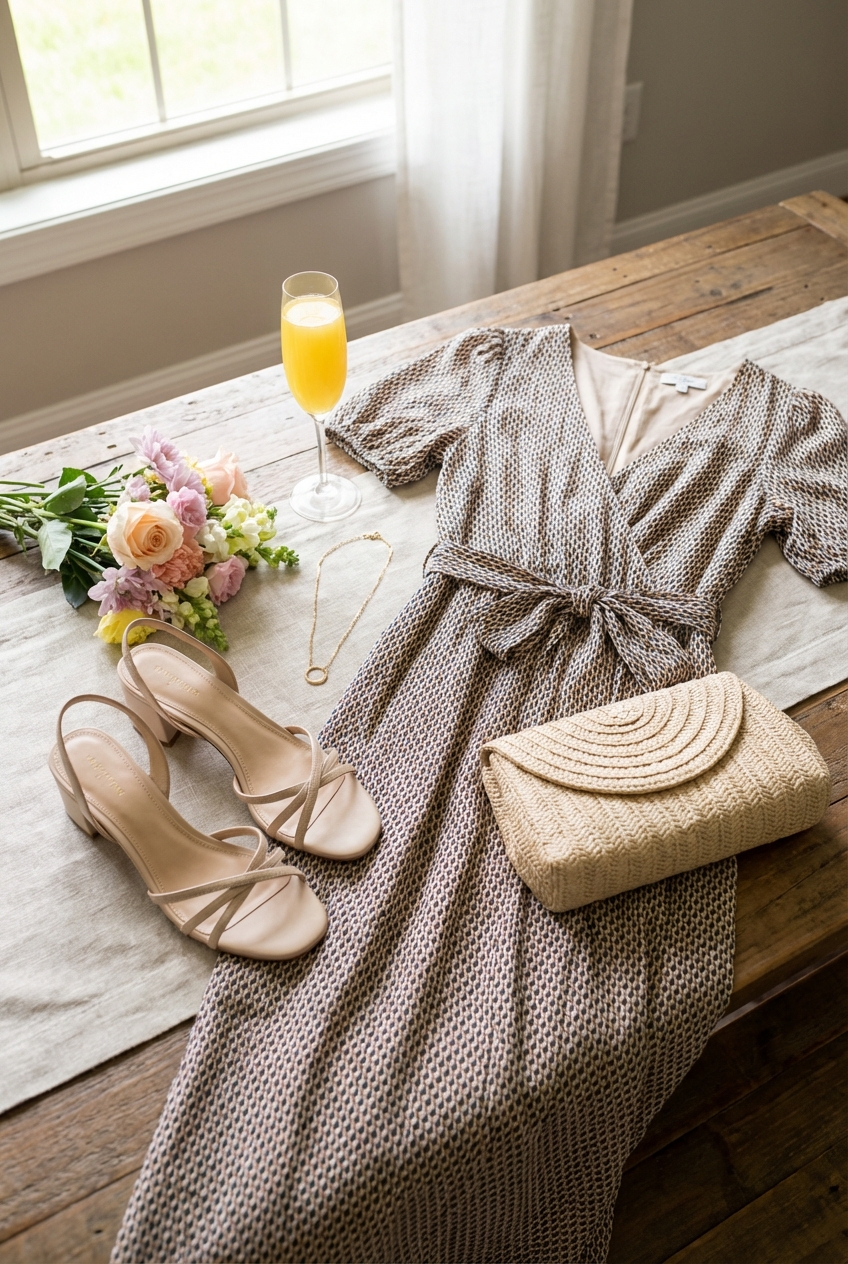
A flowy linen dress with flat sandals and a hemp or straw bag. Bring a cotton cardigan for the evening. Linen wrinkles, and that is part of its look.
Workshop or seminar
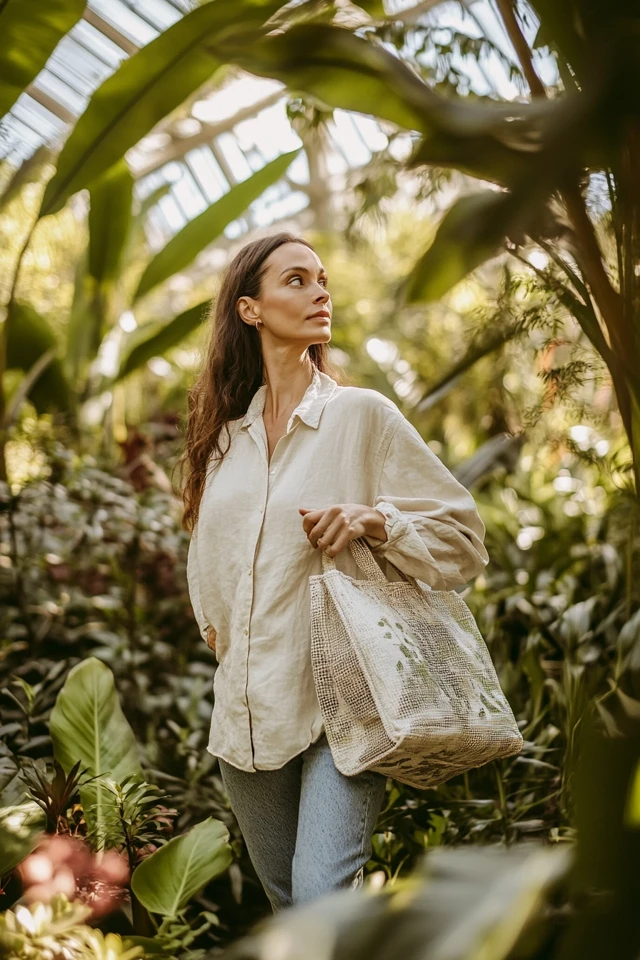
A blazer in black, navy or gray, a cotton blouse and Tencel trousers. Keep the palette tight so three pieces read as one outfit. Our eco-friendly capsule wardrobe shows how to build that kind of base.

Evening event
A wide-leg Tencel jumpsuit in a solid color, with recycled-metal earrings. One bold element is enough: either the color or the jewelry.

Layered and relaxed
An upcycled or vintage denim jacket over an organic cotton dress in an A-line or wrap cut. Boots or sneakers keep it practical.
Festival or picnic
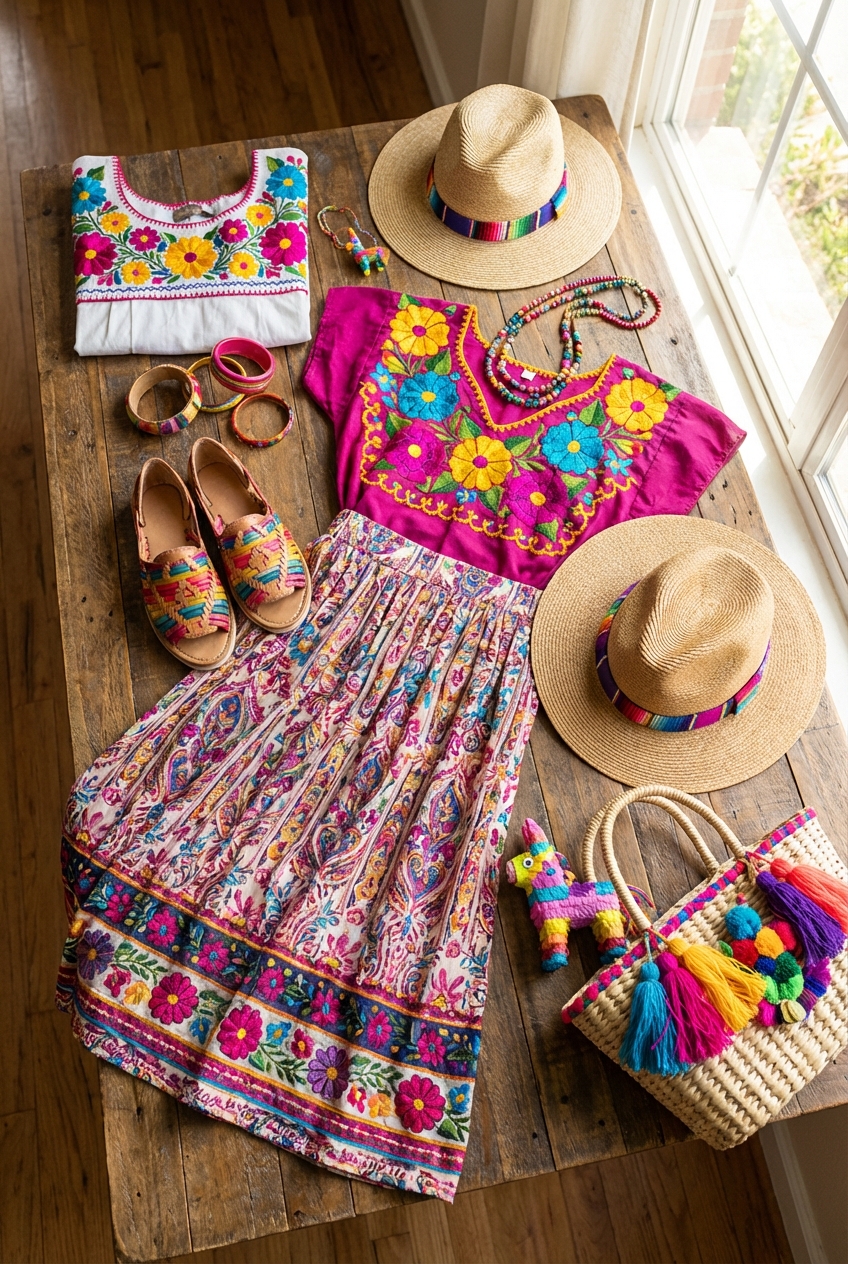
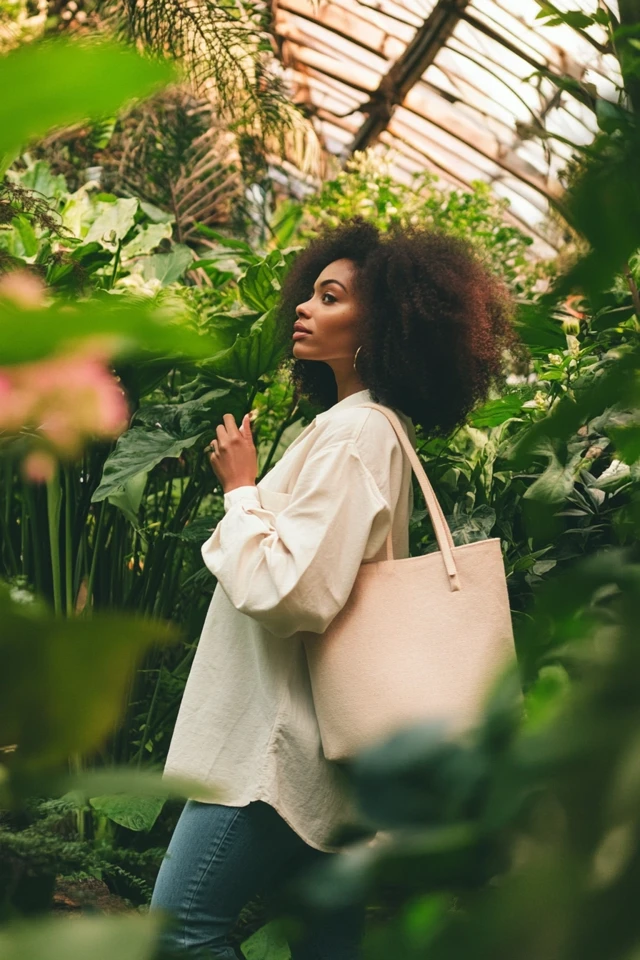
A maxi skirt in organic cotton or hemp, a simple tank, sandals and a hat. Prints work well here, so keep the top plain.

Accessories that carry the look
Accessories are the easiest place to be sustainable, because one good piece goes with many outfits. Choose a durable bag in canvas, recycled fabric or vintage leather, shoes you can resole, and jewelry in recycled metal or secondhand. More ideas are in our guide to eco-friendly accessories.

Sun matters outdoors, so a wide-brimmed hat in cotton or hemp is both useful and a strong styling piece.

Make the outfit last
The FIT museum notes that sustainability experts estimate many garments are worn an average of just six times before many end up in landfills. Beat that number and you have already done the most useful thing.
- Check fit at the shoulder seam and hem. Clothes that fit get worn.
- Choose neutrals as a base and add color with one accessory.
- Wash less, and cold when you do.
- Before donating, follow MSU Extension instructor Jasmine Harris-Speight's prompt: "Does this item hold a sentimental place in my heart? Will I miss this item if I get rid of it?"
For a wardrobe that does this year-round, see how to build a capsule wardrobe for eco-friendly living.



Frequently asked questions
What are examples of sustainable fashion?
Secondhand and vintage clothing, repaired or upcycled garments, pieces in organic cotton, linen, hemp or lyocell, and clothes from brands that publish their sourcing. Buying fewer, longer-lasting items counts too.
What is the most eco-friendly clothing brand?
No single brand wins on every measure. Compare materials, certifications such as GOTS or B Corp, labor transparency and repair options, then pick the brand that fits your needs.
Is there an ethical version of Shein?
There is no exact equivalent at the same price and speed. Secondhand platforms, clothing swaps and small transparent brands are the closest ethical routes.
What colors suit an Earth Day outfit?
Greens, browns, blues and other earthy shades are common choices, with white, beige or gray as a base. Pick what you already own and like wearing.
Filed under Occasionwear