Floral Summer Dresses: How to Pick and Style Them
- Words by
- Julio Arco
- Published
- Reading
- 5 min
The easiest floral summer dress to wear is a midi in a lightweight fabric with a medium-scale print. It works with flat sandals for errands, with a belt and heels for dinner, and with a light blazer when the evening cools down.
From there, the choice comes down to three things: length, print scale and fabric. This guide walks through each, then covers weddings, shoes and the question of age.
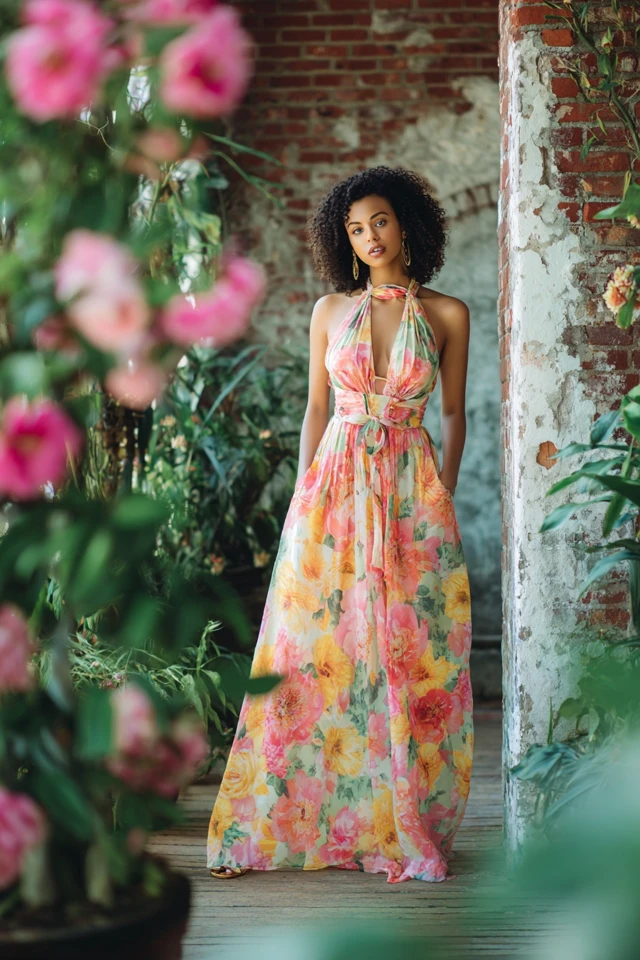
Which length suits you: mini, midi or maxi?
Length changes proportion more than print does, so decide it first.
Midi
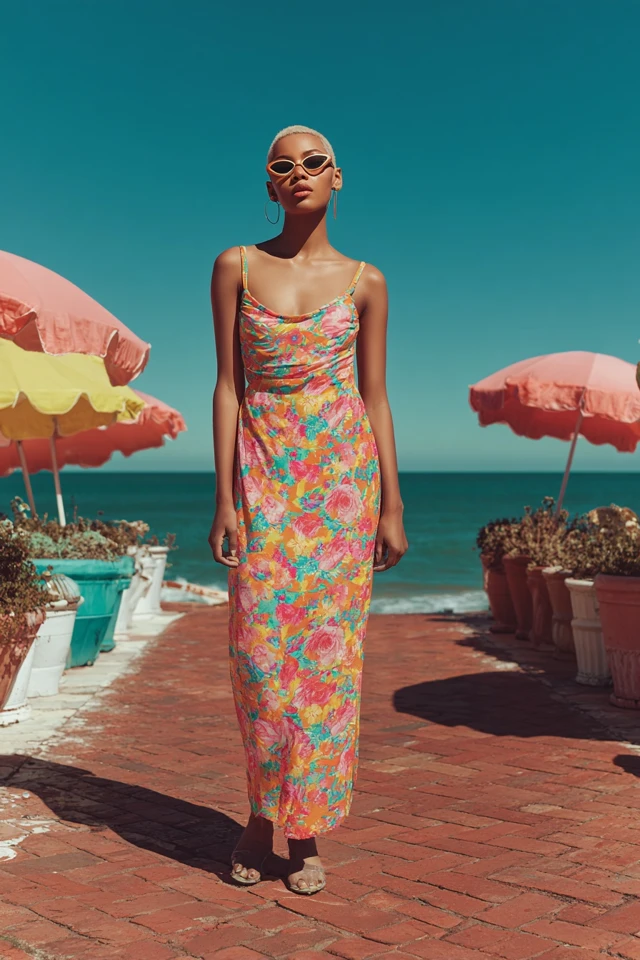
Midi floral summer dresses end somewhere between mid-calf and just below the knee. They are the most flexible length because they suit flats, wedges and heels. If you are petite, look for a hem just below the knee, since a hem at the widest part of the calf can shorten the leg line.
Maxi
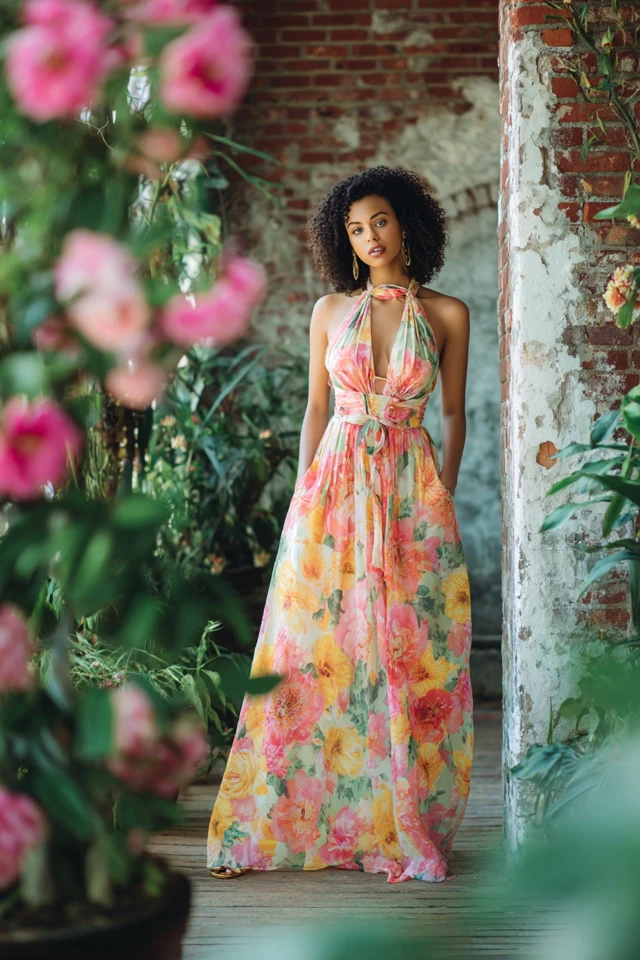
Maxi floral summer dresses give the most coverage and the most movement. A small waist definition (a seam, tie or elastic) keeps the long column of print from reading as one block. Check the hem with the shoes you plan to wear. If you are on the shorter side, a slim heel or wedge saves you from hemming.
Mini
A mini works best in a structured fabric or with a looser, A-line shape. Pair it with a longer cardigan or denim jacket if you want it to feel less dressy.
For a closer look at cut and proportion, see summer floral dress style and fit, and for long silhouettes in particular, modern maxi dress essentials.
How do you choose a print that flatters?
Print scale reads from a distance, so match it to your frame and to how much attention you want the pattern to take.
- Small, close-set florals look quiet and soft. They suit petite frames and office-friendly looks.
- Medium florals are the safest all-rounder.
- Large, painterly blooms make the dress the whole outfit. Keep everything else plain.
Background color matters as much as the flowers. Through the lens of evidence-based design, I'd look at contrast first: a dark ground with bright flowers looks bolder and more graphic, while a pale ground with tonal flowers looks gentler. Hold the dress near your face in daylight and see whether the colors make your skin look warm and even or flat.
If bold prints feel like too much, a muted palette still reads as floral. Our neutral floral dress staples and minimalist floral styling tips cover those quieter options.
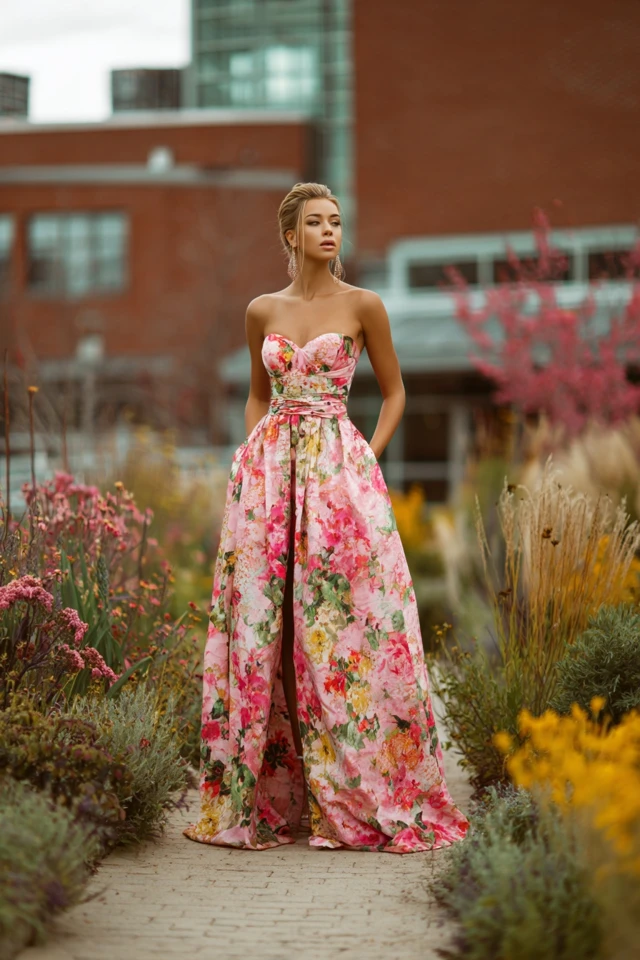
What fabric is best for hot weather?
Look for lightweight cotton, linen, viscose or rayon blends. They let air move and drape softly. Hold the fabric up to a window: if you can see through it clearly, plan on a slip or lining.
Texture also changes how a print looks. Through the lens of evidence-based design, I'd pick a matte weave over a shiny one for daytime, because a glossy surface throws light and makes the flowers look sharper and more formal.
One caution for active days. Cotton absorbs moisture, and Texas A&M's Howdy Health notes that it can keep moisture next to your skin. That advice is written about cold-weather exercise, so it does not apply to a relaxed summer afternoon, but it is a reason to choose a lighter blend if you will be walking a lot and sweating.
How do you wear casual floral summer dresses?
Casual floral summer dresses look their best when the rest of the outfit stays simple. A few combinations that work:
- Flat leather sandals or clean white sneakers, a straw or canvas bag, and no other pattern.
- A denim jacket over a midi, with the sleeves pushed up. See feminine denim styling for more on this pairing.
- A knotted cardigan around the shoulders for air-conditioned rooms.
For city looks with more edge, street style floral dress tips show how to add sneakers, structured bags and boxy layers.
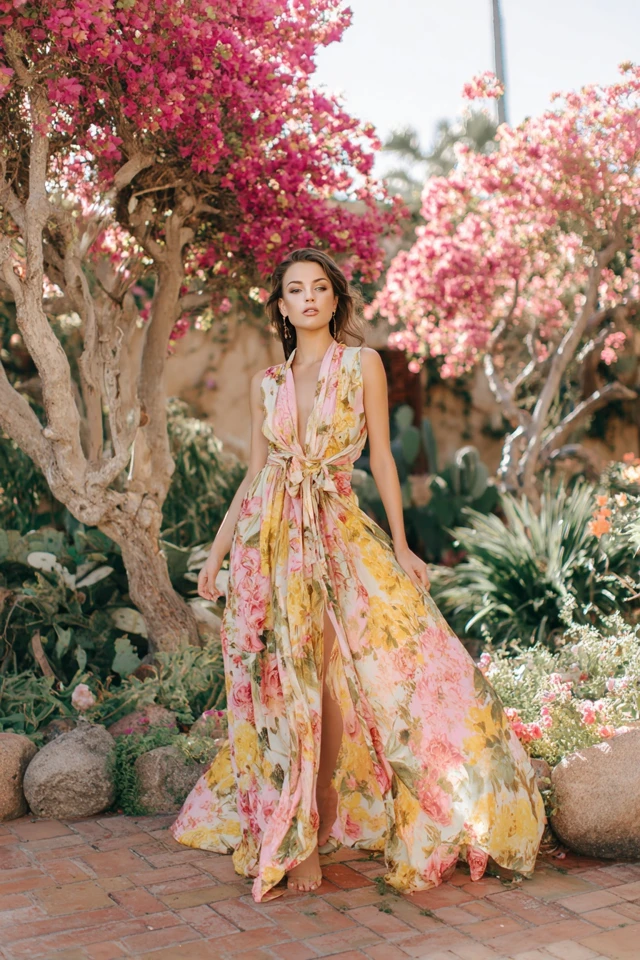
What should you wear to a wedding?
Floral dresses for wedding guests are common, but check the dress code and the venue first. A garden or daytime wedding suits a floral midi or maxi. A formal evening wedding usually calls for a solid color or a very dark print.
- Choose a hem at or below the knee and a covered or modest neckline for ceremonies in religious venues.
- Avoid white or ivory grounds, even with flowers, since they can read as bridal.
- Pick a fabric that does not crease easily, such as crepe or a good viscose.
- Bring a wrap or pashmina for the evening.
Dress it up with block or kitten heels, a metallic clutch and small earrings. Let the print carry the look and keep jewelry minimal.
What shoes go with floral dresses?
Pull one color from the print and echo it, or go neutral. Tan, nude, white and metallic sandals rarely clash. For heat, choose flat sandals or espadrilles. For dressier events, a block heel is steadier on grass than a stiletto. In cooler weather, ankle boots work with a midi or maxi hem, as in this fall mood edit.
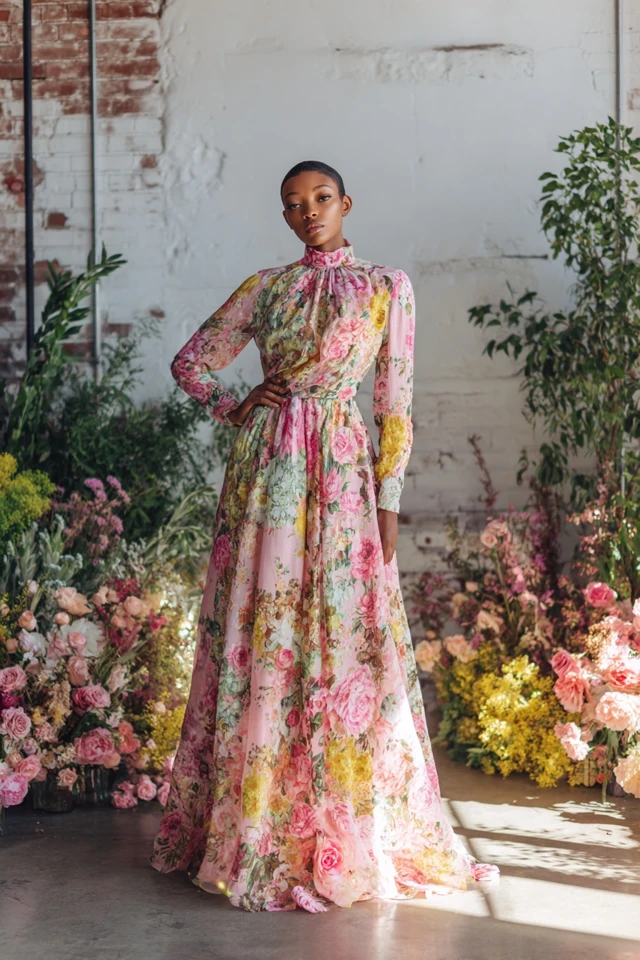
Is a floral dress right for a woman over 50?
Yes, and the fit matters more than the age. A floral dress works at any age if the shoulders sit correctly, the neckline is comfortable and the length makes you feel at ease. Many people find that medium or small prints in a softer fabric look polished, but there is no rule against a bold bloom if you like it.
Frequently asked questions
Can an older woman wear a floral dress?
Yes. Focus on a good fit through the shoulders and bust, a fabric that drapes rather than clings, and a hem length you feel comfortable in. Print scale is a style choice, not an age limit.
Are floral dresses in for summer 2026?
Florals return every summer, and no reliable forecast is cited here for 2026. Choose a silhouette and print you will still like next year, such as a midi in a medium-scale pattern.
What are the new summer dresses coming out in 2026?
Release details change by retailer and season, so check current collections directly. Judge any new style by fit, fabric and how often you would wear it.
Can you wear a floral dress to a wedding?
Usually yes for daytime and garden weddings. Skip white or ivory backgrounds and follow the invitation's dress code.
Filed under Outfit Ideas