Fall Wardrobe Essentials: A Practical Checklist
- Words by
- Julio Arco
- Published
- Reading
- 4 min
A good fall wardrobe comes down to about a dozen pieces that mix with each other: two or three sweaters, a pair of dark jeans, one tailored trouser, a shirt or blouse, a dress, a light coat, a blazer and boots. Keep them in a palette of three or four colors and most mornings get easier.
Below is the checklist I'd use for fall closet essentials, plus how to pick colors, how to layer, and what to check before you buy anything new.
What belongs in a fall capsule wardrobe?
A fall capsule wardrobe is a small set of clothes that all work together. Many guides land on roughly 20-30 pieces including shoes and outerwear, but the number matters less than the overlap: every top should work with at least two bottoms, and every layer should fit over your thickest top.
Start by pulling out what you already wear on repeat. Those pieces tell you your real palette and silhouettes better than any trend list.
Tees, long sleeves and knits
Two or three long-sleeve tees in plain colors do the most work, because they sit under everything. Choose a fabric with a little weight so it doesn't cling or go see-through.
For sweaters, aim for variety in texture rather than quantity: one fine-gauge crewneck or turtleneck for layering, one chunkier knit for weekends, and one cardigan you can wear open or buttoned. Check the shoulder seam first. It should sit where your shoulder ends, and a sweater that pulls there is a fit problem, not a you problem.
Through the lens of evidence-based design, I'd start with texture before color. A matte wool and a brushed one in the same camel do not read as the same color, because the surface changes how light reaches your eye.
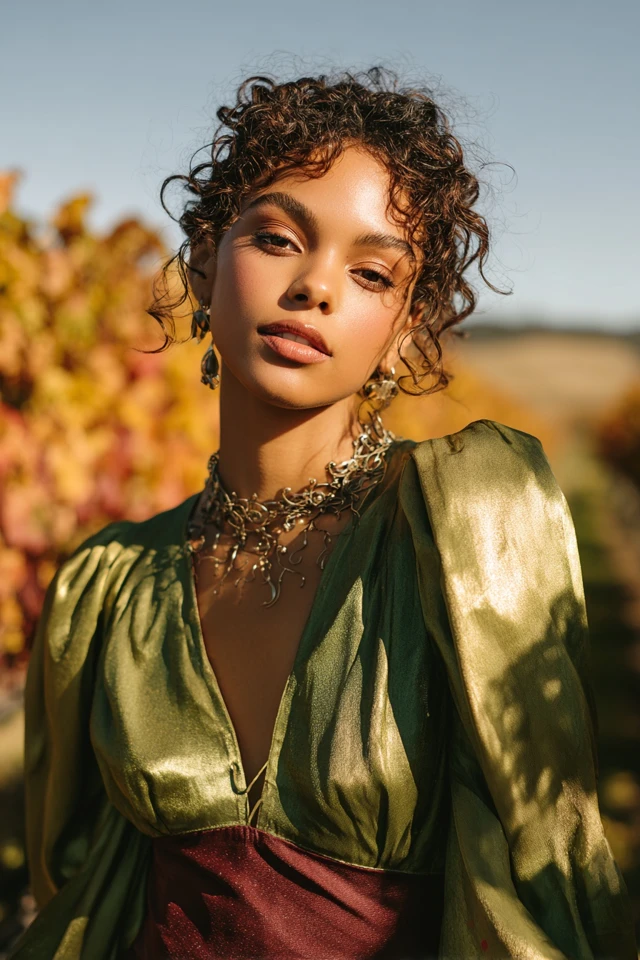
Shirts and blouses
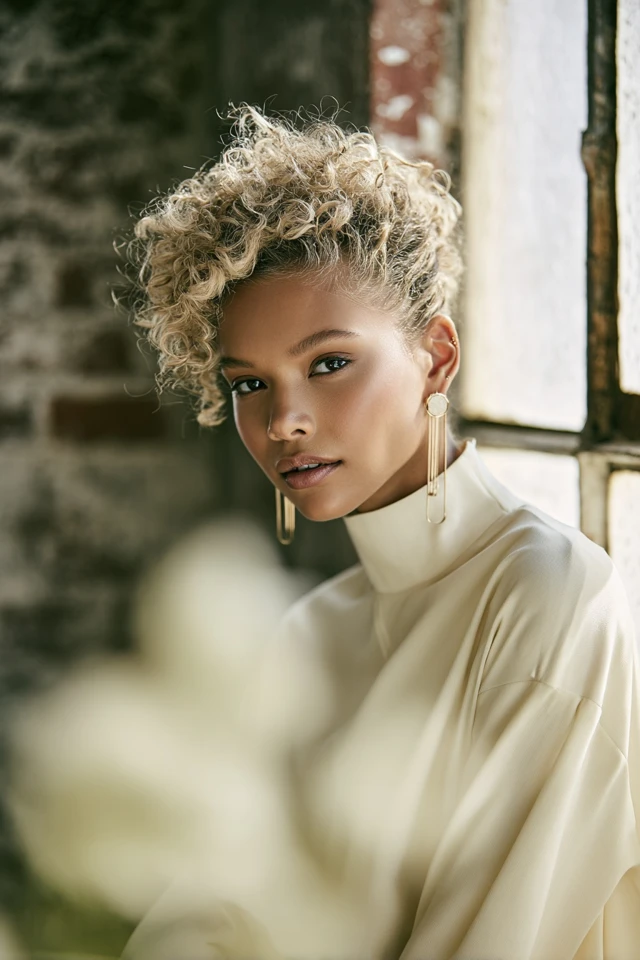
A crisp button-down is the easiest layer under a sweater, with the collar and cuffs showing. Add one softer blouse in a drapey fabric for days that need a bit more polish. White, cream and a muted stripe cover most outfits.
Jeans, trousers and skirts
Dark, straight or slightly wide jeans are the base. Add one tailored trouser in charcoal, brown or black, and one skirt (midi length works well with boots). If you only buy one new bottom, make it the trouser, since it dresses up a knit and dresses down a blazer. For more denim ideas, see this denim edit.
Dresses worth owning
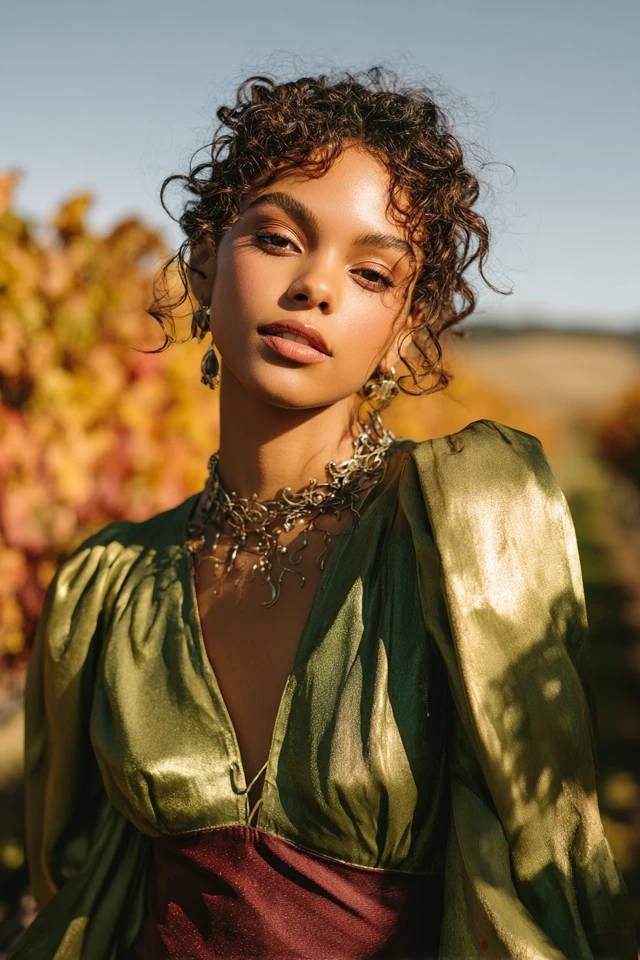
One long-sleeve dress in a moody color (plum, forest, chocolate) goes from office to dinner with tights and boots. A wrap shape adjusts to your waist and adds or removes layers easily; here is more on the wrap dress, and a floral dress works if you like pattern.
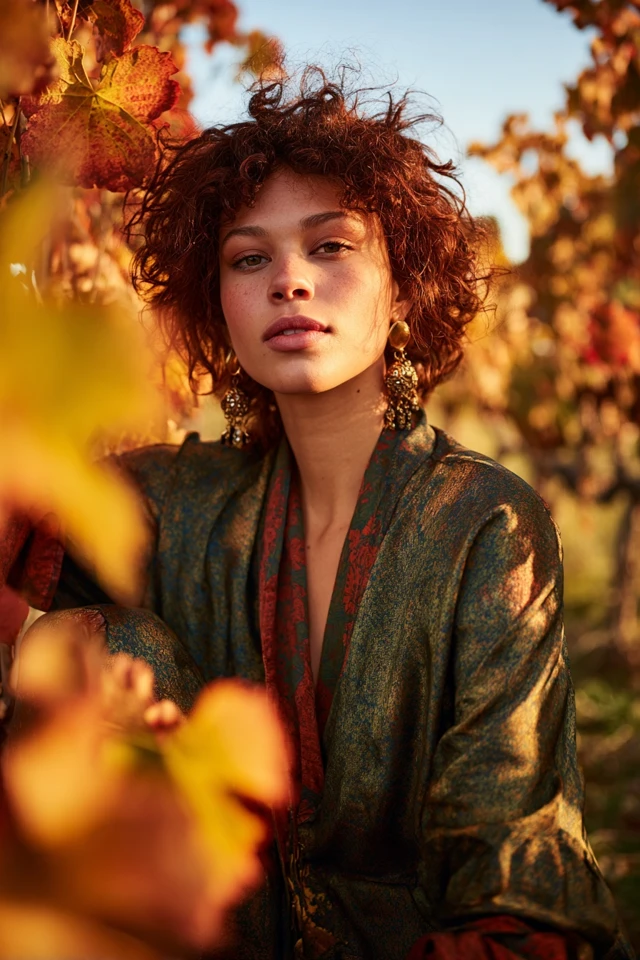
Outerwear: blazer, trench and a warm coat
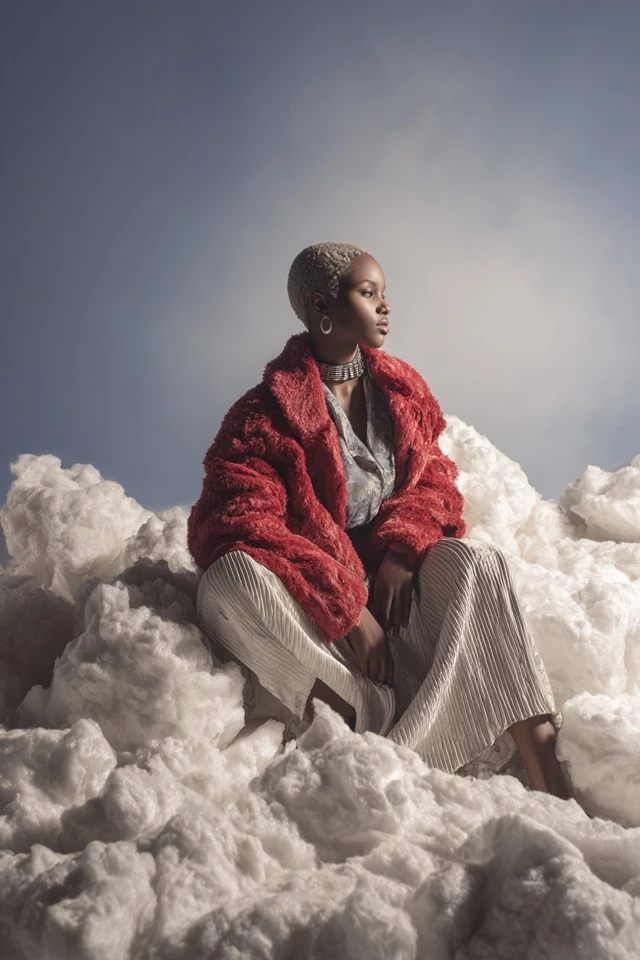
You need one light layer and one warm layer. A trench coat handles mild, rainy days, and you can see a more modern take in this trench coat mood. A blazer adds structure over knits. When temperatures drop, a puffer coat is the practical choice.
Try every coat over your chunkiest sweater in the store. If you can't lift your arms comfortably, size up or pick another cut.
Boots and fall shoes
An ankle boot with a low or block heel, a pair of clean sneakers or loafers, and optionally a tall boot cover nearly every outfit above. Keep at least two in the same leather tone family so belts and bags can match.
Which colors work, and what colors to avoid in fall?
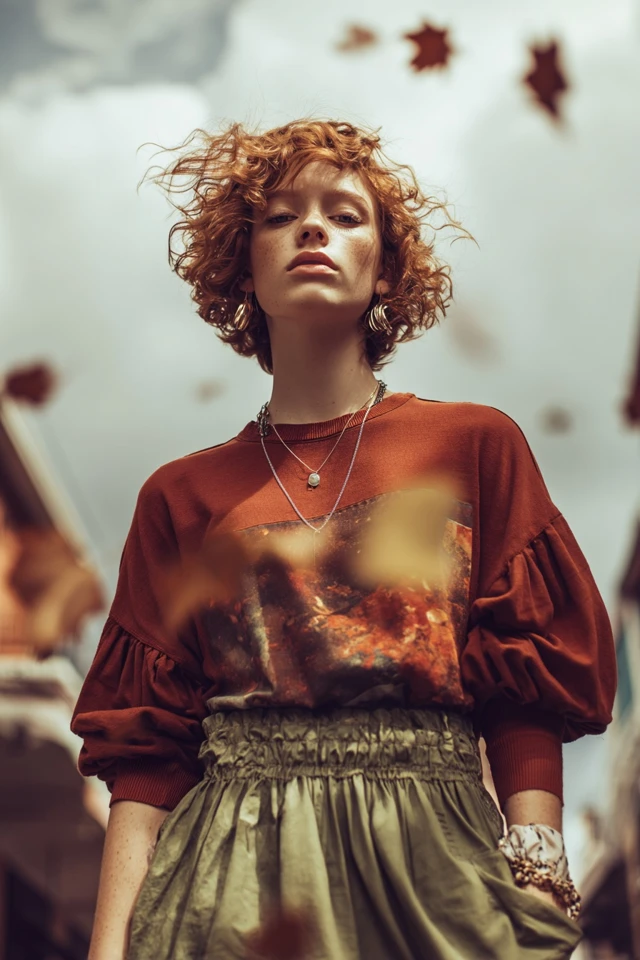
Build around two neutrals (camel, chocolate, charcoal, navy or cream) and add one or two accents such as burgundy, olive, rust or mustard. Combinations that tend to work: burgundy with blush, camel with forest green, mustard with soft gray.
No color is banned, but some are harder to wear. Pale, cool pastels and bright neon often look disconnected next to warm autumn neutrals, and a stark optic white can feel harsh against soft knits (cream is gentler). Test a color near your face in daylight: if your skin looks tired next to it, use it lower down, in trousers or a bag.
As an architect trained in evidence-based design, I'd treat the color nearest your face as the one the eye reads first, so put your most flattering shade there.
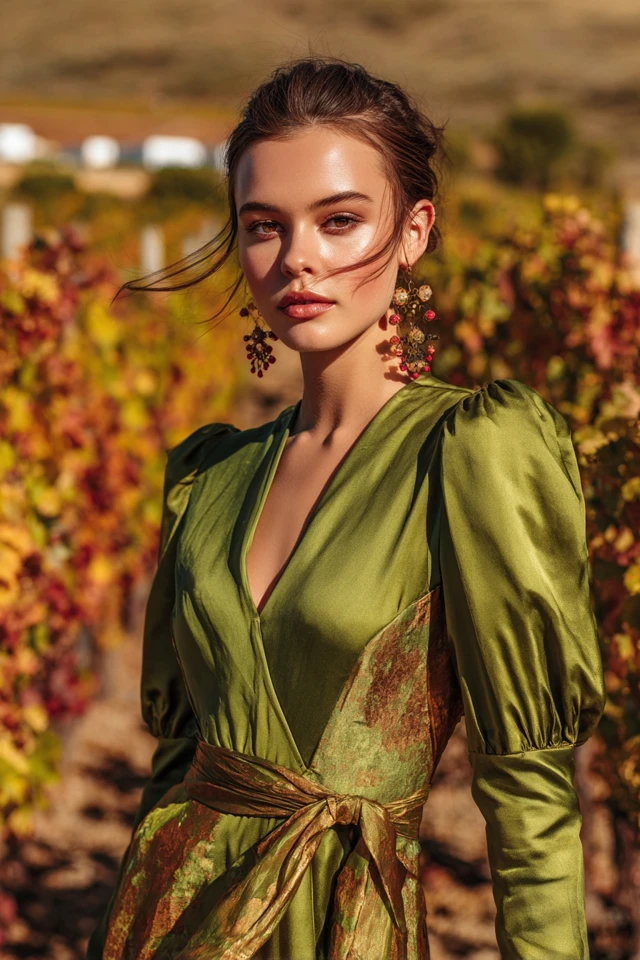
Accessories and care
A scarf, a belt and a structured bag change the same outfit three ways. Fold sweaters instead of hanging them to avoid stretched shoulders.
Before buying, ask yourself what you'll actually wear. MSU Extension instructor Jasmine Harris-Speight suggests this when deciding what to keep: "When deciding what to keep, ask yourself: Does this item hold a sentimental place in my heart? Will I miss this item if I get rid of it?" It's a useful test for a closet clean-out too. The EPA reports that the recycling rate for all textiles was 14.7 percent in 2018, so buying fewer, better pieces and keeping them longer helps.
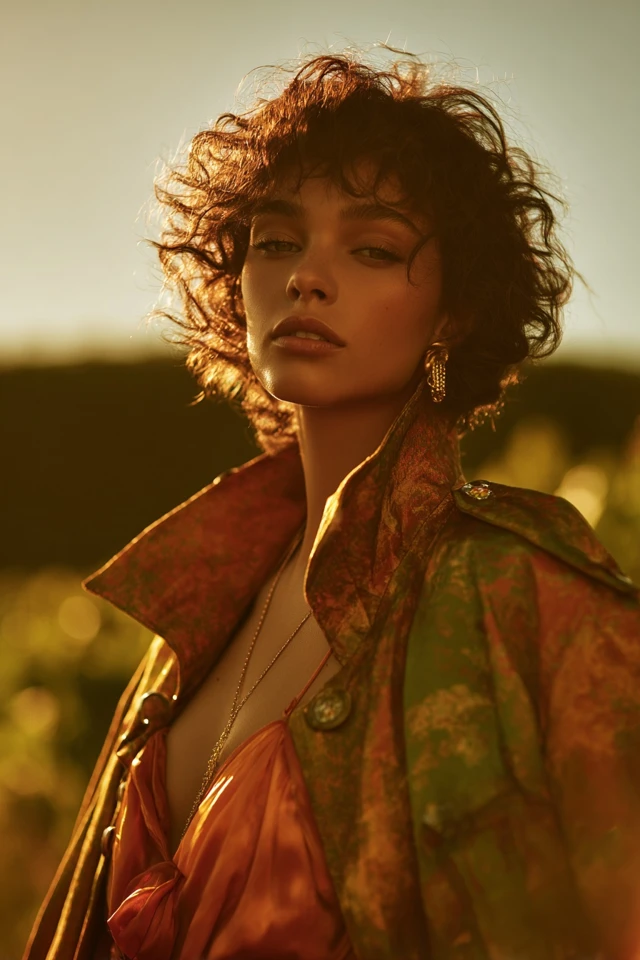
For more seasonal ideas, browse this curated fall look.
Frequently asked questions
What are the essentials for an autumn wardrobe?
Long-sleeve tees, a few sweaters and a cardigan, dark jeans, tailored trousers, a blouse or button-down, a dress, a blazer, a trench or warm coat, and ankle boots. Keep them in a shared palette so they mix.
What colors to avoid in fall?
Nothing is off limits, but pale cool pastels and neon can clash with warm autumn neutrals. Try colors near your face in daylight and use trickier ones in accessories or bottoms.
What is the 3-3-3 rule for outfits?
It usually means picking three tops, three bottoms and three pairs of shoes that all mix together. It's a shortcut for building a small capsule, not a fixed rule.
How many pieces does a fall capsule wardrobe need?
Many capsules use about 20-30 pieces, but it depends on your routine. Make sure every piece works with at least two others.
Filed under Outfit Ideas