Spring Dresses: Cottagecore Styles for Every Occasion
- Words by
- Julio Arco
- Published
- Reading
- 5 min
The cottagecore take on spring dresses comes down to four things: a soft natural fabric, a gentle silhouette with some volume at the sleeve or skirt, a small-scale floral or a pastel solid, and one handmade-looking detail such as smocking, eyelet or lace. Get those four right and the dress works for a picnic, a garden party or a wedding guest list.
Below: how to choose a length, which fabrics breathe, how to wear florals, and how to dress the same dress up or down.
What makes a spring dress cottagecore?
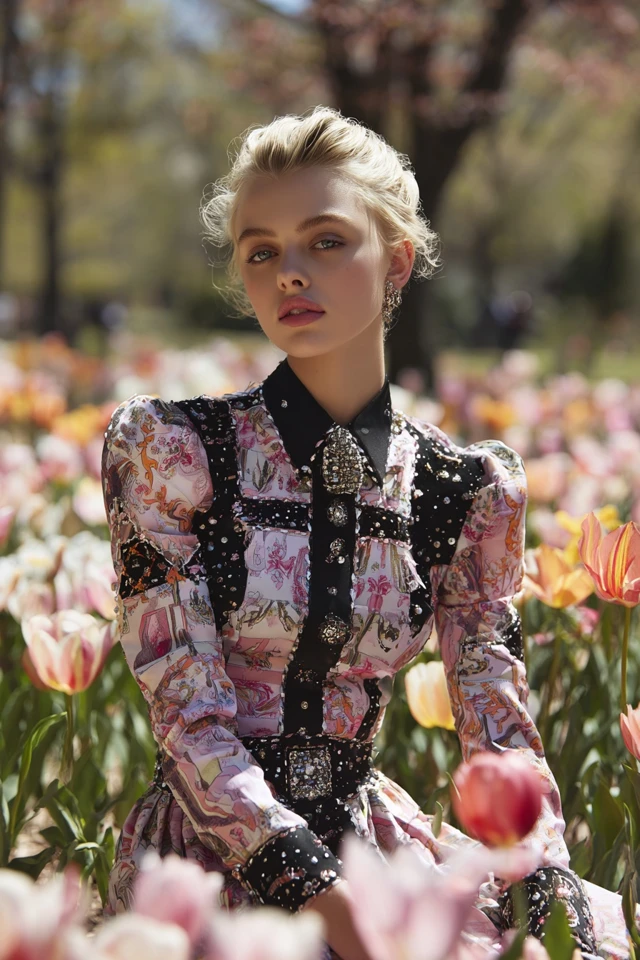
Cottagecore leans on countryside references: prairie tiers, puff sleeves, high or square necklines, gathered waists and cotton that looks lived-in. The shapes are generous rather than body-skimming, so comfort is built in.
The palette stays soft. Think sage, cream, blush, powder blue, butter yellow, with rust or berry as a deeper accent. Through the lens of evidence-based design, I'd look at the surface before the color. A matte cotton voile and a shiny satin in the same blush do not read as the same pink, because the surface changes how light reaches your eye. Matte weaves give the quiet, handmade look this style wants.
Mini, midi or maxi: which length suits you?
Mini, midi and maxi spring dresses all work in this style, but each changes the mood.
- Mini: youthful and best with a smocked or babydoll shape so it stays relaxed. Good for casual days and warm afternoons.
- Midi: the most flexible. A hem between the knee and mid-calf suits a daytime wedding, work events and walking around town.
- Maxi: the most romantic, and the easiest to dress up. Tiered maxis add movement, but check the hem if you will be on grass or stairs.
If you are shorter, a midi that stops just below the knee or a maxi with a defined waist keeps proportions balanced. A tiered skirt with very wide tiers can overwhelm a small frame, so choose narrower tiers.
Which fabrics feel best in spring?
Linen, cotton voile, lightweight chambray, eyelet and seersucker-style cottons breathe and drape softly. Linen wrinkles, which suits the relaxed look, but if you dislike creases choose a cotton blend.
Spring weather swings, so fabric matters beyond the dress. Health guidance from Texas A&M's Howdy Health notes that cotton absorbs moisture and can keep it next to your skin, making you cold. That advice is written for cold-weather exercise, but it is a fair reminder: if you will be outside in a damp, cool evening, add a layer on top rather than relying on a thin cotton dress alone.
For more on weaves and hand-feel, see Spring Cottagecore Fabric Focus.
How to wear floral spring dresses
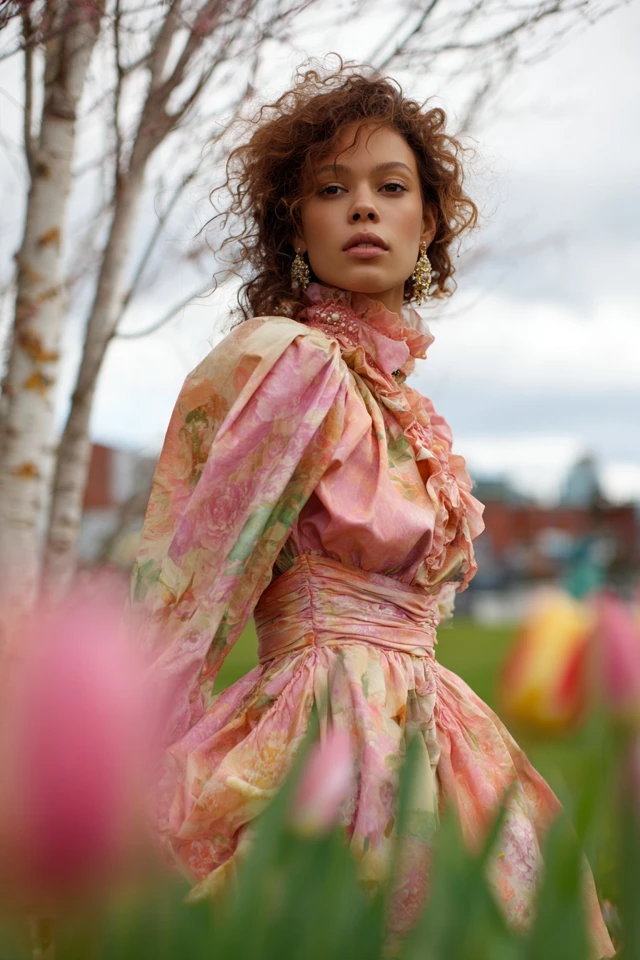
Floral spring dresses are the center of this aesthetic, and print scale does most of the work. Small, spaced-out botanical prints look delicate and calm. Large blooms on a dark ground look bolder and more formal.
- Pair a busy print with a plain cardigan in one of the print's quieter colors.
- If you prefer solids, choose pastel with texture, such as eyelet or smocking, so it does not look flat.
- Keep shoes and bag simple: woven or leather in a neutral shade.
Colors that sit close to your skin tone's own warmth usually look easiest. Cooler skin often suits lavender, soft blue and rosy pink. Warmer skin often suits ivory, peach and sage. These are tendencies, not rules, so hold the dress up near your face in daylight and trust what you see.
Spring dresses with sleeves
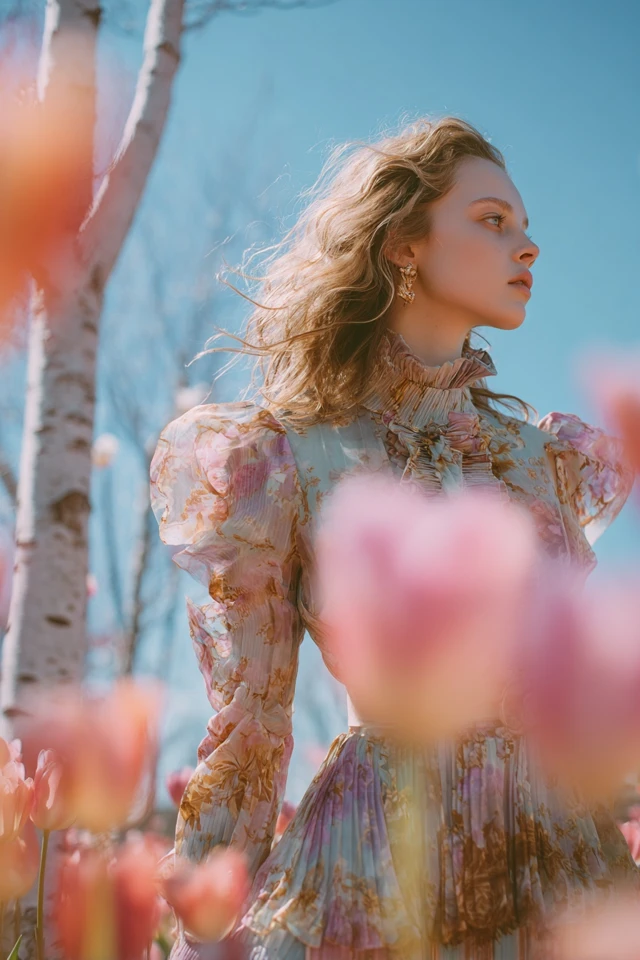
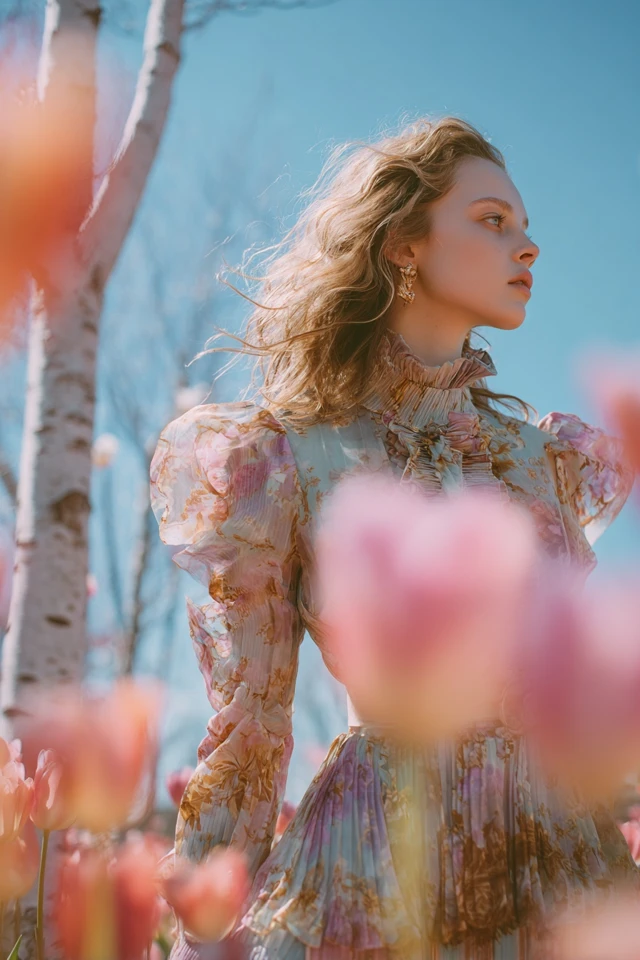
Sleeves are a cottagecore signature, and they solve the practical problem of chilly mornings. Puff sleeves add volume at the shoulder and balance wider hips. Flutter sleeves are lighter and cooler. Long sleeves with a gathered cuff give a prairie look and carry you into early spring.
A sleeve that pulls across the upper arm is a fit problem, not a you problem. Check that you can raise your arms comfortably, and that the shoulder seam sits where your shoulder ends. If you want more on the style, see Spring Romantic Occasionwear.
Spring dresses for wedding guests
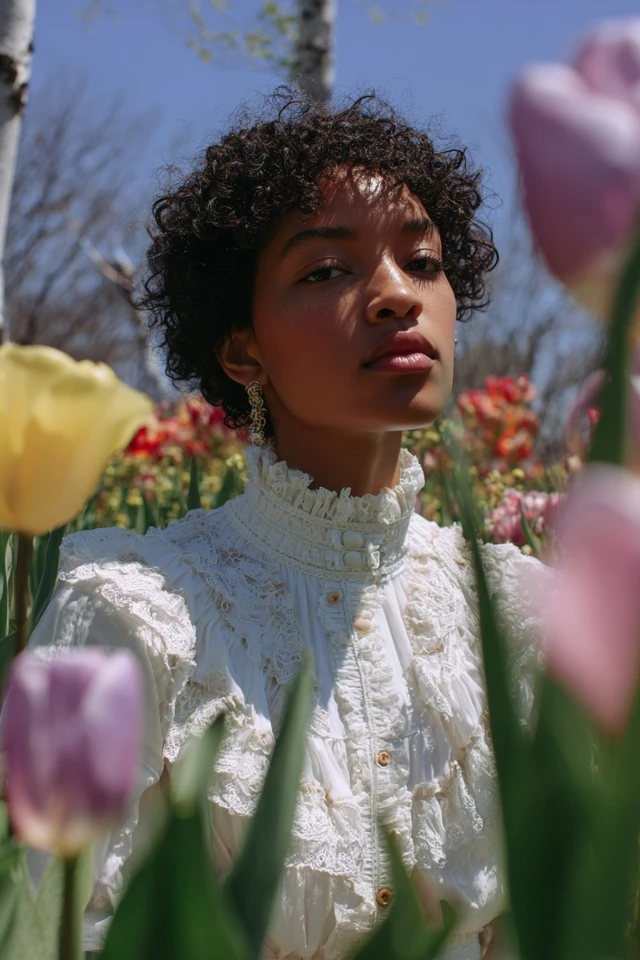
For spring dresses for a wedding, choose a midi or maxi in a soft, non-white shade. Avoid white, ivory and cream unless the couple has said otherwise, since those tones can read as bridal. Sage, dusty blue, lilac and floral prints on a colored ground are safer.
- Pick a fabric with some drape, such as crepe, chiffon or a heavier cotton, over a crisp casual cotton.
- Add a shawl or light jacket for church or outdoor ceremonies.
- Check the dress code. A garden wedding is usually fine in a floral midi, while an evening black-tie invitation calls for something more formal.
Pair with block heels or flat sandals if the venue is grass. For other dressier ideas, look at Elegant Spring Statement Occasionwear and Spring Chic Occasionwear.
Casual spring dresses for women
Casual spring dresses for women work best when the dress does the styling for you. A smocked cotton midi with flat sandals or white sneakers needs nothing else. Add a denim jacket or knit cardigan for cooler hours.
- Weekend: a short tiered dress, sneakers and a woven bag.
- Work casual: a midi with sleeves, a belt at the waist and loafers.
- Evening: the same midi with a lace-trimmed shawl and small earrings.
Accessories finish the look, and Spring Cottagecore Accessory Trends covers hats, bags and jewelry in more detail.
How to build a small spring dress wardrobe
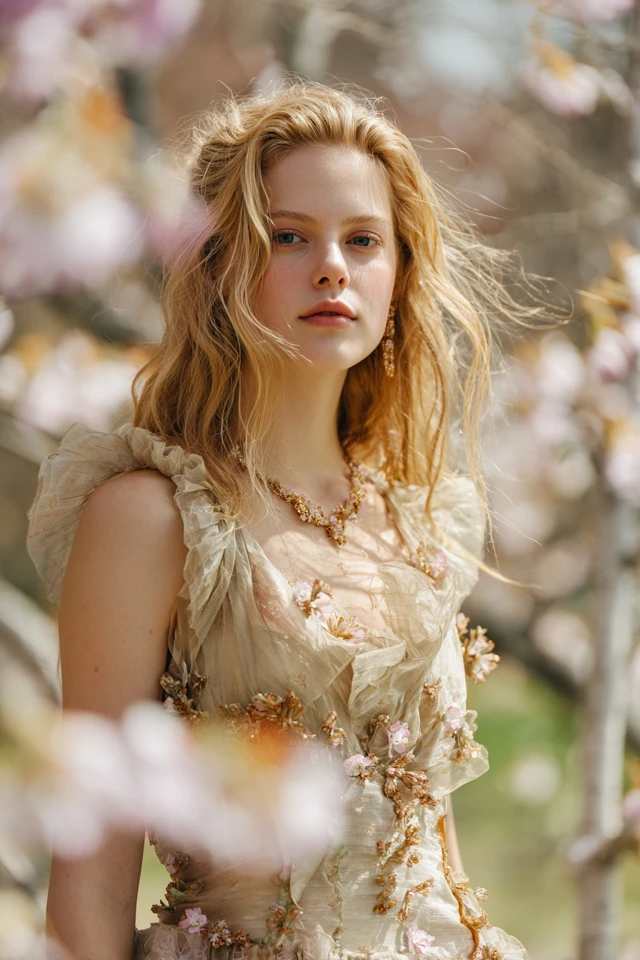
Start with two or three dresses that share a palette so the same cardigan, shoes and bag work with each. One floral, one pastel solid and one textured piece (eyelet or smocked) covers most invitations.
Wash delicate lace and cotton on a gentle cycle or by hand, and check the care label first. As an architect trained in evidence-based design, I'd also pay attention to how a fabric feels against your skin after an hour, not just in the fitting room: scratchy seams and stiff linings are what make a dress stay in the closet.
Frequently asked questions
What are the best spring dresses for a wedding?
A midi or maxi in a soft color such as sage, dusty blue or lilac, or a floral on a colored ground, usually works. Avoid white and cream, and bring a light layer for outdoor ceremonies.
Which length is best for spring dresses?
Midi is the most flexible for work, weddings and casual days. Minis suit relaxed warm-weather outfits, and maxis give the most romantic, dressier look.
What fabrics should I look for in a spring dress?
Linen, cotton voile, chambray and eyelet breathe well and drape softly. Choose a cotton blend if you want fewer wrinkles.
Filed under Outfit Ideas