Soft Trapeze Dresses for Casual Days
- Words by
- Julio Arco
- Published
- Reading
- 6 min
An A-line dress widens gradually from the shoulders or bust to the hem, like the letter A. A fit and flare dress is fitted through the bodice, defined at the waist, then flares into a fuller skirt. If you want a dress that skims, pick the A-line. If you want a visible waist, pick the fit and flare.
Both are easy casual dresses, and both forgive a lot. This guide covers how they differ, who they suit, and how to choose length, sleeves and fabric.

What is the difference between an A-line and a fit and flare dress?
The difference is the waist. An A-line has no waist seam requirement: the shape opens up in one steady line, so the dress hangs from the shoulders or bust. A fit and flare is shaped in at the natural waist, usually with a seam, and the skirt then swings out from there.
The trapeze dress is a close cousin of the A-line. It is looser and starts flaring higher up, so it has more volume and almost no shaping. If you like a dress that moves around you, a trapeze is the most relaxed of the three. For more on that cut, see trapeze dresses for swingy, comfortable style.
What body type does an A-line dress fit?
Most body types can wear one, because the skirt falls away from the body instead of clinging. It is especially easy if you carry more width through the hips or thighs, since the fabric clears them without pulling.
Check the shoulders first. A-line dresses hang from them, so a shoulder seam that sits where your shoulder ends keeps the whole line clean. If the dress pulls across the upper back or bust, size up and let the skirt do its job.
Does an A-line dress hide belly fat?
It can be comfortable over the midsection, because the fabric skims instead of gripping. Choose a mid-weight fabric with some drape, such as ponte, crepe or a dense jersey. Very thin knits cling and show every line, which is a fabric problem, not a body problem.
What body type can wear a fit and flare dress?
It suits anyone who likes a defined waist. The fitted bodice and full skirt create a clear small point at the waist, and the eye reads that first. It tends to be flattering on hourglass and pear shapes, and it can add shape to a straighter frame.
The one check is the waist seam. It should land at your natural waist, the narrowest part of your torso. Too high and it reads as an empire line, too low and the skirt looks heavy.
How do you choose the right length?
Length changes proportion more than almost anything else. Here is a simple way to think about it.
- Mini: casual and leggy, best with flat sandals or sneakers.
- Knee length: the easiest for a fit and flare, since the skirt swings right where it is widest. Good for work, lunches and daytime events.
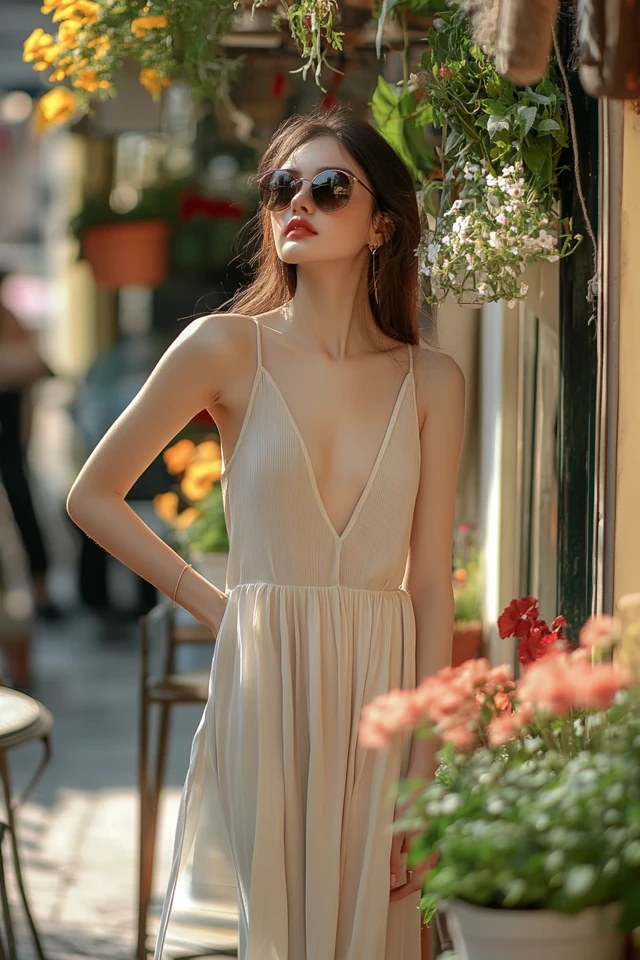
- Midi: the most versatile. A midi A-line looks relaxed and a midi fit and flare looks dressier. If you are petite, look for a hem just below the knee so the skirt does not swallow your legs.
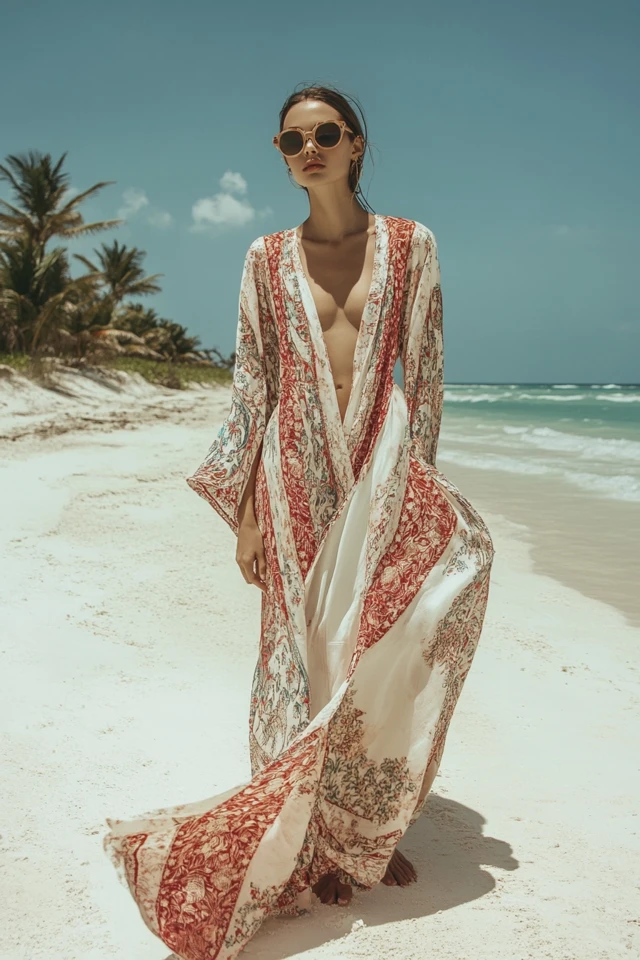
- Maxi: dramatic and cooling in summer. Taller frames carry the volume easily, and a defined waist keeps it from looking shapeless.

Midi A-line and fit and flare dresses are the safest place to start if you are buying your first one, because the hem works with flats, boots and heels.
Should you choose sleeves?
Sleeves change the season, not just the look. Sleeveless and short sleeves suit warm weather. A three-quarter or long sleeve turns the same shape into a three-season dress, especially in a knit.
Puff and bell sleeves add volume at the top, which balances a very fitted waist. On a loose A-line they can feel like too much fabric, so keep the sleeve simple there. Whatever the style, you should be able to lift your arms without the hem rising.

Which fabric and color work best?
Fabric decides how the shape behaves. Cotton poplin and linen blends hold a crisp flare. Jersey and soft knits fall more gently and move with you. Through the lens of evidence-based design, I'd think about texture before color: a matte cotton and a shiny satin in the same shade read as different colors, because the surface changes how light reaches your eye.
- Neutrals like beige, gray and navy look calm and pair with almost any bag or shoe.
- Brights such as coral or cobalt put the focus on the dress, so keep accessories quiet.
- Earth tones like olive, terracotta and rust suit transitional seasons.
- Pastels read soft and light, best in a fabric with some body so they do not look flimsy.
For ideas on color pairing, try soft gray with bright orange or a look built around bright yellow.

Where can you wear them, from casual to formal?
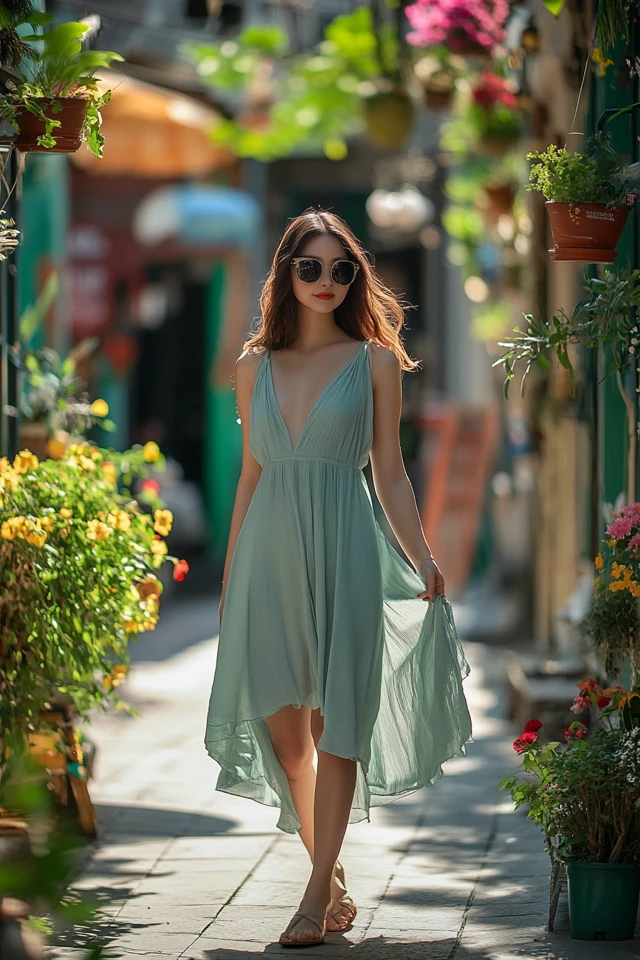
Casual days are the easiest. Wear an A-line with sneakers or flat sandals and a crossbody bag. Add a denim jacket or a cardigan when it cools down.
To dress it up, choose a fit and flare in a structured fabric, add a heel or a sleek loafer, and keep jewelry simple. A fit and flare formal dress usually has a fuller skirt, a cleaner neckline and fabric with more weight, such as crepe or satin.
Is a fit and flare dress good for a wedding?
Yes, as a guest. A midi in a solid color or a soft print works for most daytime and evening weddings. Avoid white, ivory and anything close to it, and check the dress code on the invitation.
How to style the shape so it looks balanced
The principle is contrast. A loose A-line looks polished with something structured: ankle boots, a belt bag or a cropped jacket. A fit and flare already has structure, so let it breathe with softer shoes and a relaxed layer.
- Belt an A-line at the waist if you want definition without changing the fit.
- Layer a longline blazer over a fit and flare only if it stops above the widest part of the skirt.
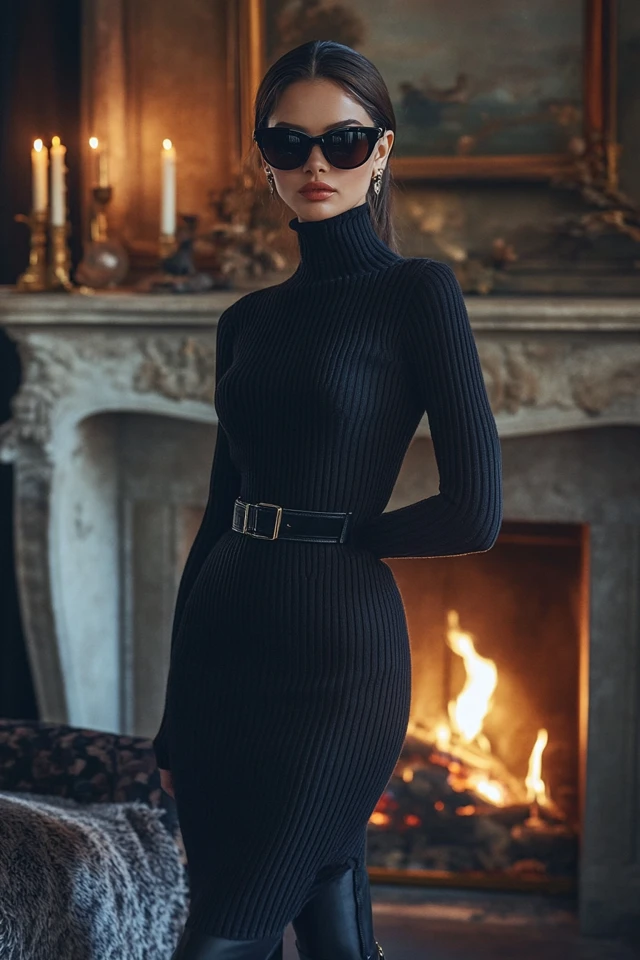
- In cold weather, add tights and boots, or a fitted turtleneck underneath a sleeveless dress.
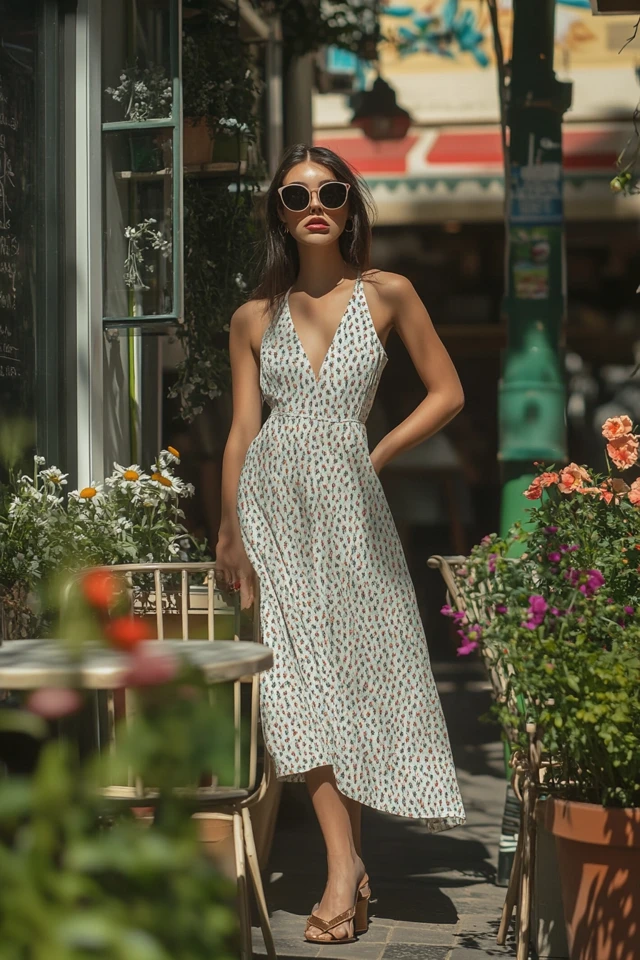
As an architect trained in evidence-based design, I'd treat the neckline as the first thing the eye reads. A V-neck lengthens the torso, a scoop softens it and a high neck gives a clean, minimal line. Pick the one that matches the mood you want.
If you like knits for spring, see lightweight knit dresses for mild spring days.

Frequently asked questions
What body type does an A-line dress fit?
Most body types can wear it, since the skirt falls away from the body. It is especially comfortable if you carry more width at the hips or thighs. Make sure the shoulders fit, because the dress hangs from them.
What body type can wear a fit and flare dress?
Anyone who likes a defined waist can wear one. It tends to flatter hourglass and pear shapes and can add shape to a straighter frame. The waist seam should sit at your natural waist.
What is the difference between an A-line and a fit and flare dress?
An A-line widens steadily from the shoulders or bust to the hem. A fit and flare is fitted through the bodice and waist, then flares into a full skirt.
Does A-line dress hide belly fat?
It skims instead of clinging, so many people find it comfortable over the midsection. A mid-weight fabric with drape works better than a thin, clingy knit.
Filed under Style & Fit