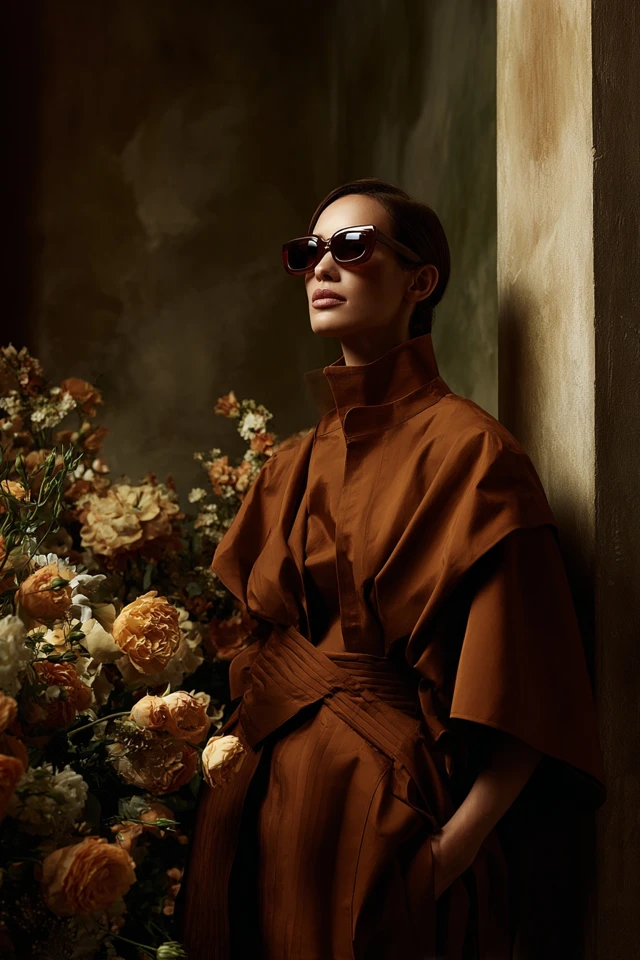
Sleek Cloudburst Seersucker Color Story
- Words by
- Julio Arco
- Published
- Reading
- 4 min
For sticky days, pick lightweight natural fabrics such as linen and cotton, or a quick-drying synthetic if you will be sweating hard. The City of Philadelphia's Board of Health puts it simply: lightweight fabrics like cotton and linen are breathable, absorb sweat, and dry quickly.
Fabric is only half of it. Cut and color matter too, and that is where cloudburst seersucker (a soft slate gray with a hint of blue, in a puckered cotton) earns its place in a humid-weather wardrobe.
What makes a fabric breathable in humidity?
Humid air already holds a lot of moisture, so sweat evaporates slowly. A good hot-weather fabric helps in two ways: it lets air move through, and it dries fast once it gets damp. A loose weave or a textured surface that holds the cloth away from your skin helps with both.
Weight matters as well. A thin, open cloth in a loose cut will almost always feel cooler than a dense one, whatever the fiber.
Which fabrics are best in hot, humid weather?
Linen
Linen is the classic answer for fabrics that keep you cool in summer. It is airy, it dries quickly, and it stands slightly away from the body. It wrinkles easily, so lean into that and choose a relaxed cut where creases look intentional.
Cotton
Cotton is soft, easy to find and easy to wash. It absorbs sweat well, but it holds on to it longer than linen does.
Seersucker
Seersucker is cotton woven so that some threads sit tight and others loose, which makes the cloth pucker. Those puckers lift the fabric off your skin, so it clings less, and they hide creases. I'd call it the most forgiving cotton for travel and for office days that run hot.

Lightweight blends and rayon-type weaves
Soft, drapey weaves can feel cool against the skin, but check the label and the weight. A thin, open weave works. A dense, slinky one traps heat.

Linen vs cotton for humid weather
Linen is usually the cooler choice on the most oppressive days. Georgia Tech's news center notes that cotton's moisture vapor transmission rate is lower than linen's, meaning it doesn't dry as quickly.
Cotton wins on softness and price, and seersucker or a loose-weave cotton closes much of the gap. If you hate wrinkles, choose cotton. If heat is your main enemy, choose linen.
| Fabric | Feels like | Drying speed | Watch out for |
|---|---|---|---|
| Linen | Crisp, airy | Fast | Wrinkles |
| Cotton | Soft, familiar | Slower | Stays damp longer |
| Seersucker | Light, textured | Moderate | Can pucker flat if over-dried |
| Polyester or nylon | Smooth, light | Fast | Can hold odor |
What is the best fabric for excessive sweating?
If you sweat heavily, a quick-drying synthetic often beats a natural fiber for active days. Texas A&M's Howdy Health advises you to choose quick-drying, sweat-wicking fabrics, such as polyester, polypropylene, nylon, or nylon-blend.
For a walk to the office or a day of errands, a light cotton or linen shirt over a thin wicking tee can work well. If sweating is a medical concern for you, check with a doctor.

What are the worst fabrics for hot, humid weather?
The worst fabrics for hot humid weather are thick, tightly woven or non-breathing cloths: heavy denim, wool suiting, fleece, and dense satin or polyester that is not made for warm weather. They trap heat and moisture against the skin.
Cotton deserves a caveat. It is fine for a casual day, but Texas A&M's cold-weather guidance says to avoid cotton because it absorbs moisture and can keep it next to your skin. In summer that means a soaked cotton tee during hard exercise will stay wet and heavy. Save the cotton for slower days.
How should you dress for heat and humidity?
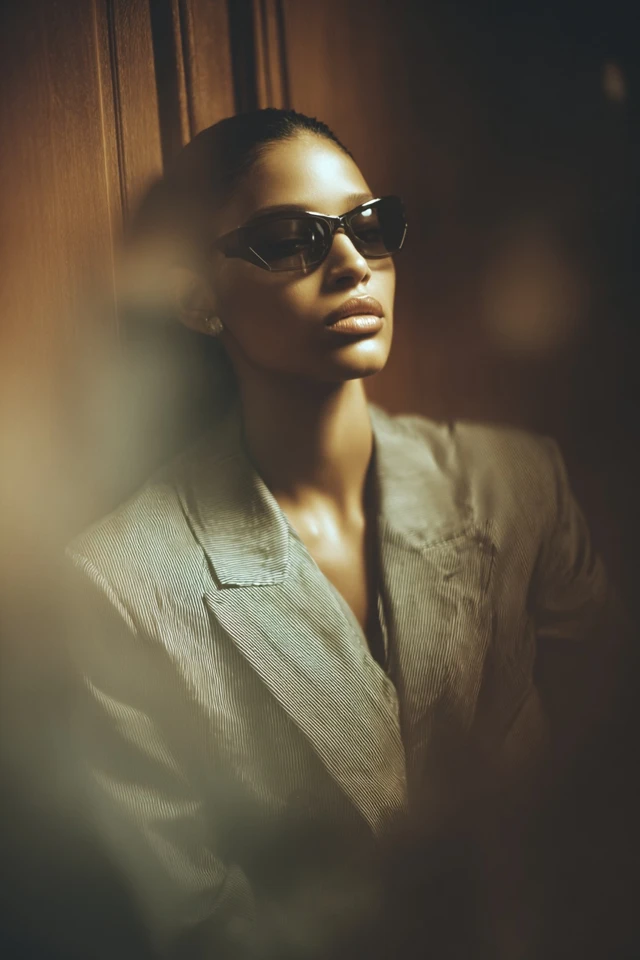
The best clothes to wear in heat and humidity share a few traits:
- A loose or semi-fitted cut that lets air circulate, such as wide-leg trousers, shift dresses and boxy tops.
- Light colors, which tend to read cooler and show less strain than dark ones.
- Fewer layers against the skin, and nothing clingy at the underarm or waist.
- Open necklines and sleeves that stop short of the wrist.
A co-ord set in a light fabric is an easy formula: one color from head to toe looks put together and leaves nothing bunching at the waistband.

Why cloudburst seersucker works in the heat
Cloudburst is a cool slate gray with a faint blue undertone. Through the lens of evidence-based design, I'd pair a cool color with a textured weave on purpose: the puckered surface scatters light, so the gray looks softer and less severe than it would in a flat cloth.
Try a wide-leg pant with a cropped boxy top, a belted shirtdress, or a relaxed blazer in the same tone. Ivory, stone, dove gray and soft sage sit well beside it. For more looks in the same cloth, see these seersucker brunch looks, or a similar palette in sandstone gabardine.

To care for it, machine wash cold and hang to dry. High heat can flatten the puckers. For evening, a cloudburst gabardine ensemble carries the same color into a smoother, more formal fabric.

Seersucker will not wick sweat like athletic fabric does, so it is a good choice for work, travel and weekend plans, and less so for a long run in the sun.
Frequently asked questions
What is the best fabric to wear in humid weather?
Lightweight linen is usually the top pick, with loose-weave cotton and seersucker close behind. Choose an open weave and a loose cut so air can move.
What is the best fabric for excessive sweating?
Quick-drying, sweat-wicking synthetics such as polyester or nylon handle heavy sweat well during activity. If sweating worries you, check with a doctor.
What fabric is best for staying cool in the summer?
Linen, light cotton and seersucker feel cool for everyday wear. Add a wicking synthetic for workouts or very long days outdoors.
Does seersucker cling in humidity?
Usually not much, because the puckered weave holds the fabric slightly off your skin. It still absorbs sweat like any cotton, so choose a loose cut.
Filed under Outfit Ideas