Electric Coronet Seersucker Brunch Looks
- Words by
- Julio Arco
- Published
- Reading
- 4 min
For the best fabric for hot and humid weather, start with lightweight natural weaves: linen first, then cotton, including textured cotton like seersucker. The City of Philadelphia's Board of Health notes that lightweight fabrics like cotton and linen are breathable, absorb sweat and dry quickly.
Fit matters as much as fiber. A loose cut lets air move, and a fabric that stands slightly off the skin will feel cooler than one that clings. Here is how the main options compare, what to skip, and how to put it together for a brunch or a long day outside.
Why humidity makes fabric choice matter
In dry heat, sweat evaporates quickly and cools you. In humid air it evaporates slowly, so the fabric against your skin has to do more of the work: let air through, take up moisture, and release it fast. A fabric that holds damp for hours is what makes a humid day feel sticky.
Linen vs cotton for humid weather
Both are good, and they behave differently. Linen has an open, slightly stiff weave that sits away from the body and dries fast. Cotton is softer and more familiar, but it holds moisture longer. According to Georgia Tech's News Center, cotton's moisture vapor transmission rate is lower than linen's, meaning it doesn't dry as quickly.
My practical read: pick linen for the hottest, stickiest days and cotton when you want softness and fewer wrinkles. A linen-cotton blend splits the difference.
Where seersucker fits
Seersucker is cotton woven so that some threads pucker into stripes or waves. Those puckers hold the cloth slightly away from your skin, so less of it touches you at once. It also hides creases well, which is useful when you are sitting at a patio table. Because it is cotton, it dries more slowly than linen, so choose a loose cut.
Through the lens of evidence-based design, I'd also note that texture changes how a color reads. A bright blue in puckered seersucker looks softer and less glossy than the same blue in a smooth poplin, which suits daytime.
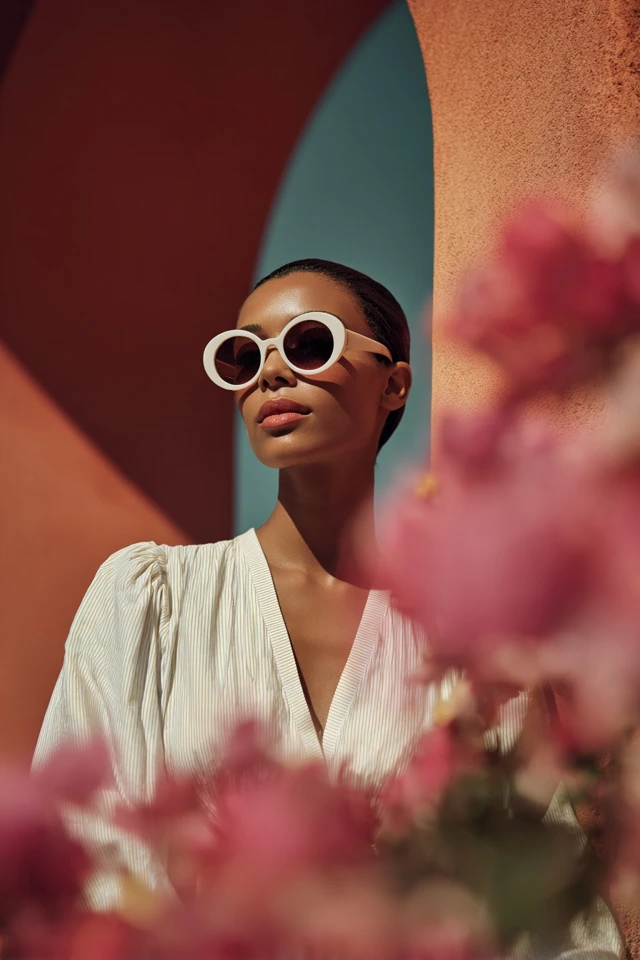
For a brunch outfit, seersucker in a saturated blue works as a co-ord set, a shirt dress or wide-leg pants. Pair it with white, ecru or light denim so the color is the focus. For more daytime outfit ideas, see these ivory poplin brunch looks and this roundup of elegant brunch looks.
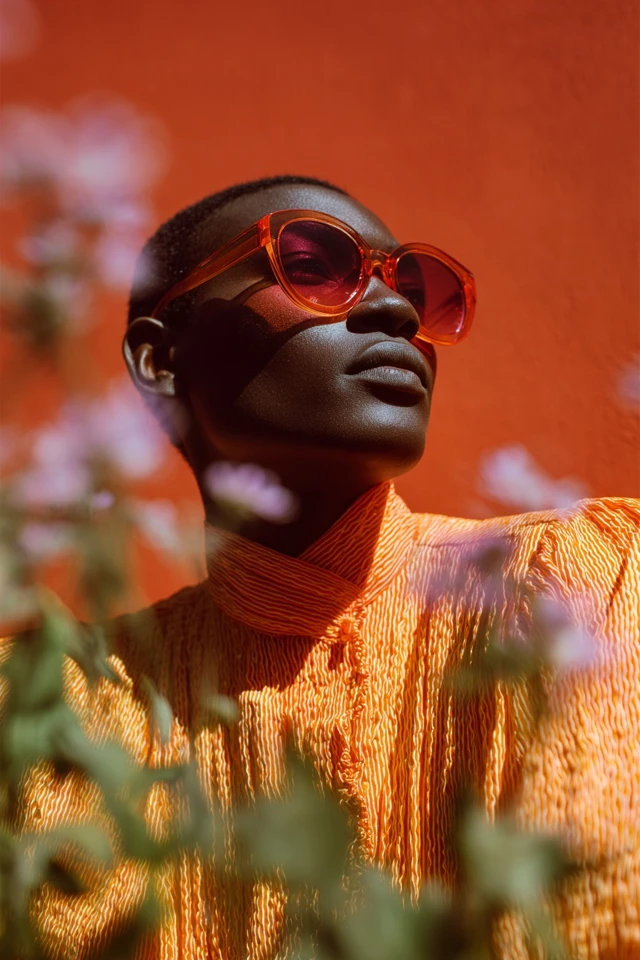
Moisture-wicking synthetics: when they help
Technical fabrics are a different tool. Texas A&M AgriLife Extension's Howdy Health recommends quick-drying, sweat-wicking fabrics such as polyester, polypropylene, nylon or nylon blends for hot weather. They suit workouts, hikes and long walks where you sweat a lot.
They are also the usual answer for the best fabric for excessive sweating: a wicking layer moves moisture outward so it can evaporate. Some synthetics hold odor, and thin, smooth knits can cling, so look for a loose cut or a mesh-like texture. If sweating is heavy or sudden, check with a doctor.
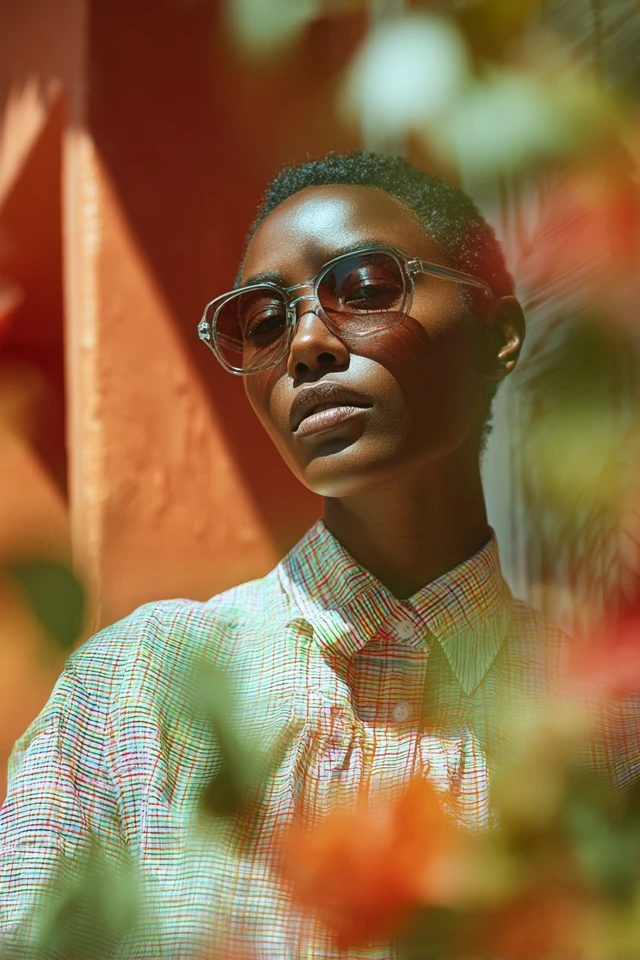
Worst fabrics for hot humid weather
- Heavy or tightly woven denim, which traps heat and dries slowly.
- Dense, smooth polyester or nylon that is not made to wick, because it can feel clammy.
- Thick knits, fleece and wool-heavy blends.
- Satin and other slick fabrics that cling when damp.
- Cotton for hard exercise. Howdy Health says to avoid cotton because it absorbs moisture and can keep it next to your skin. That advice was written for cold-weather workouts, but the same slow drying is what makes cotton a poor gym fabric on a muggy day.
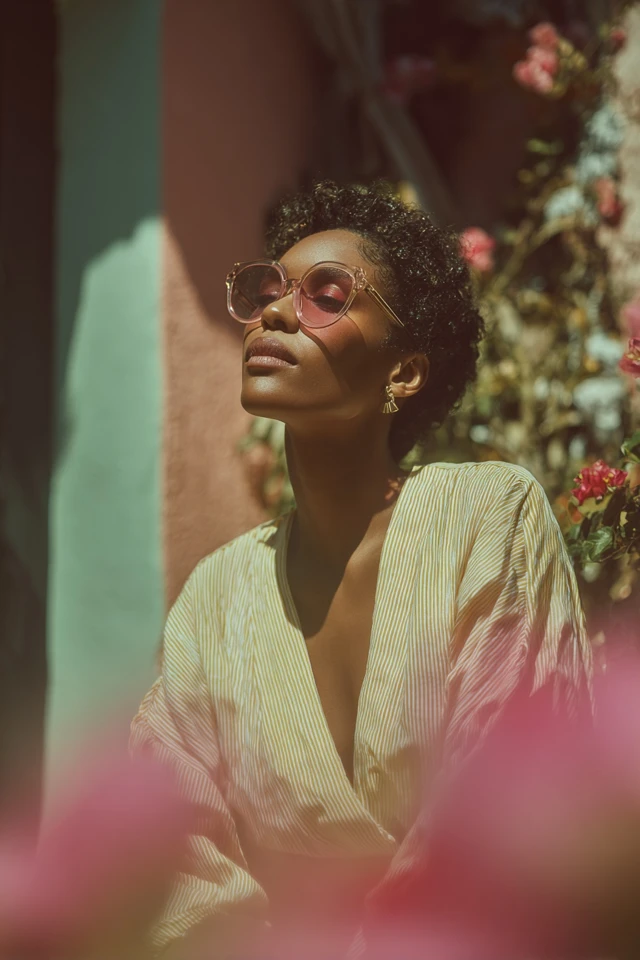
Which clothes work best in heat and humidity?
Cut helps the fabric do its job. Look for these:
- Loose shapes like wide-leg pants, A-line dresses, tiered skirts and boxy shirts.
- Open necklines, short or cap sleeves, and gathered or smocked bodices that do not cling.
- Light colors, which look cooler, and mid-tones that hide sweat marks better than pale gray.
- Unlined garments. A lining adds a second layer to dry.

Breathable fabrics for humid weather, women's picks by shape
A fitted waist with a loose skirt or leg suits most bodies. If you want a more defined look, a belted shirt dress or a wrap style in cotton or linen keeps the airflow. A cropped top with high-waist wide-leg pants works well on a petite frame, and a maxi skirt in a light weave suits a taller one. The rule is the same for every shape: the fabric should not pull or cling.
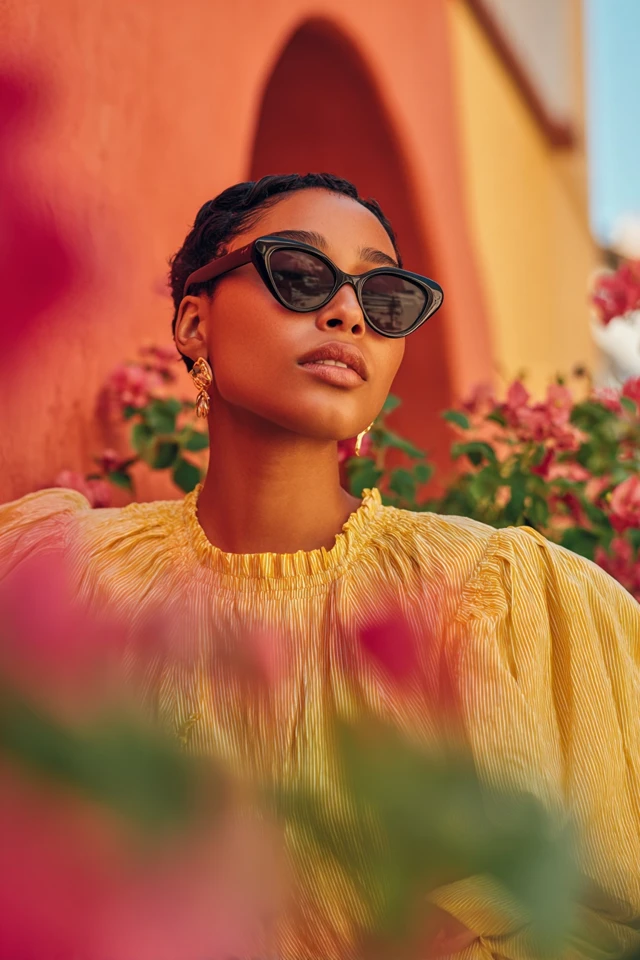
How to style a breathable outfit for brunch
- Choose one bold color and keep the rest neutral: white, ecru, light denim or soft khaki.
- Add light accessories like gold hoops, a straw tote or sunglasses. Heavy jewelry gets warm and sticks.
- Wear open or light shoes such as sandals, espadrilles or clean white sneakers.
- Mix textures sparingly. Linen, raffia and woven belts pair well with seersucker.
- Steam rather than press seersucker so the texture stays.
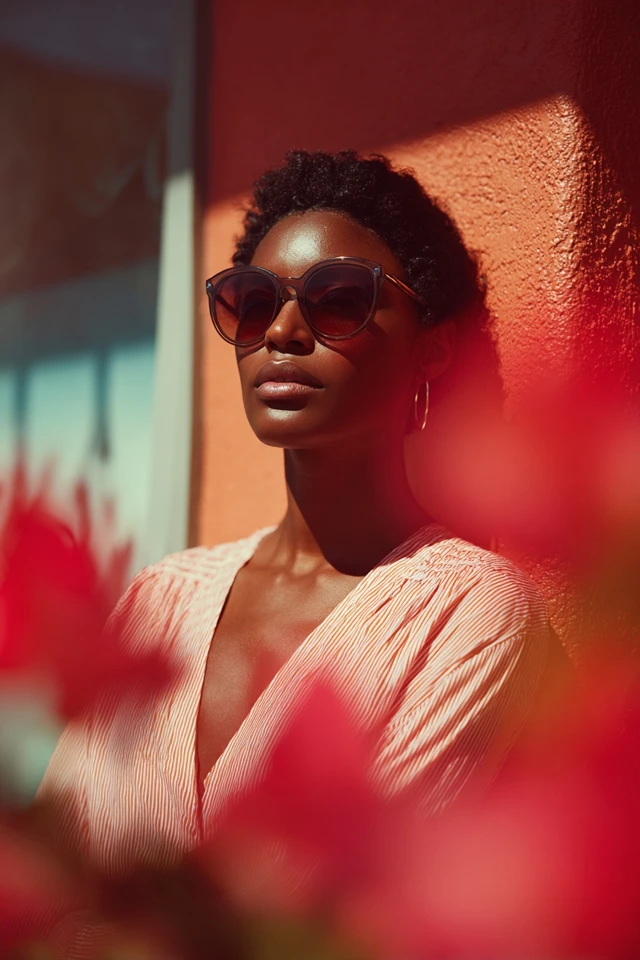
For more ideas, try sophisticated brunch looks or chic brunch looks.

Frequently asked questions
What is the best fabric to wear in humid weather?
Linen is usually the best pick because its open weave sits off the skin and dries quickly. Lightweight cotton, including seersucker, is a close second and a bit softer.
What is the best fabric for excessive sweating?
A quick-drying, sweat-wicking fabric such as polyester or nylon blends helps move moisture away from skin, and loose linen also works for everyday wear. If the sweating worries you, check with a doctor.
What fabric is best for staying cool in the summer?
Lightweight linen and cotton are the usual choices for everyday wear, and wicking synthetics suit exercise. Pair either with a loose cut so air can move.
What are the worst fabrics for hot, humid weather?
Heavy denim, thick knits, fleece and slick, non-wicking synthetics trap heat or cling when damp. Avoid linings where you can.
Filed under Outfit Ideas