Wrap Dresses for Occasions: How to Choose by Event
- Words by
- Julio Arco
- Published
- Reading
- 4 min
For most events, pick the wrap dress by length and fabric first. A midi in satin or crepe suits dinner dates and weddings, a maxi in a fluid fabric suits formal evenings, and a mini in a printed jersey suits casual nights out. The tie waist lets you adjust the fit, which is why one style can work across so many dress codes.
Below: how to match length, sleeves, fabric and color to the event, then how to style and fit the dress.
Which length suits which event?
Midi wrap dresses for occasions
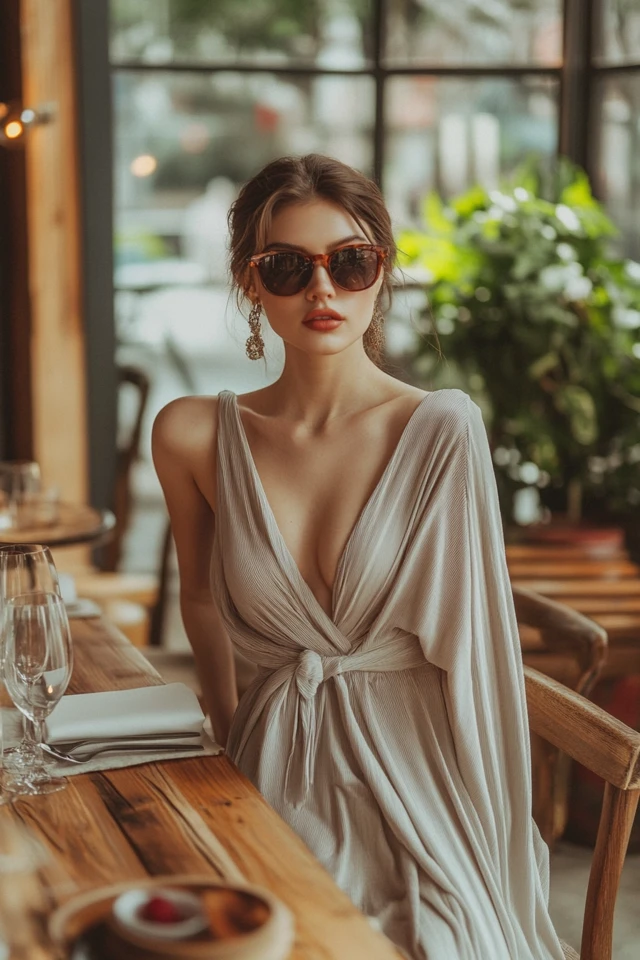
A midi hits somewhere between the knee and mid-calf, and it is the safest choice when you are unsure of the dress code. It works for a restaurant dinner, a daytime wedding or an office party. With heels it looks dressy, with flats it relaxes.
Maxi wrap dresses for occasions
A floor-length wrap reads as formal almost automatically. Choose a fabric with weight, such as satin, crepe or velvet, so the skirt falls in a clean line instead of clinging. Check the hem with your actual shoes on: it should skim the floor without being stepped on.
Mini wrap dresses for occasions
Minis suit casual dinners, birthday nights and warm-weather parties. A printed or textured fabric keeps them playful. If the wrap opening is high on the thigh, a short bike short or slip underneath gives you peace of mind when you sit or climb stairs.
What body type looks good in a wrap dress?
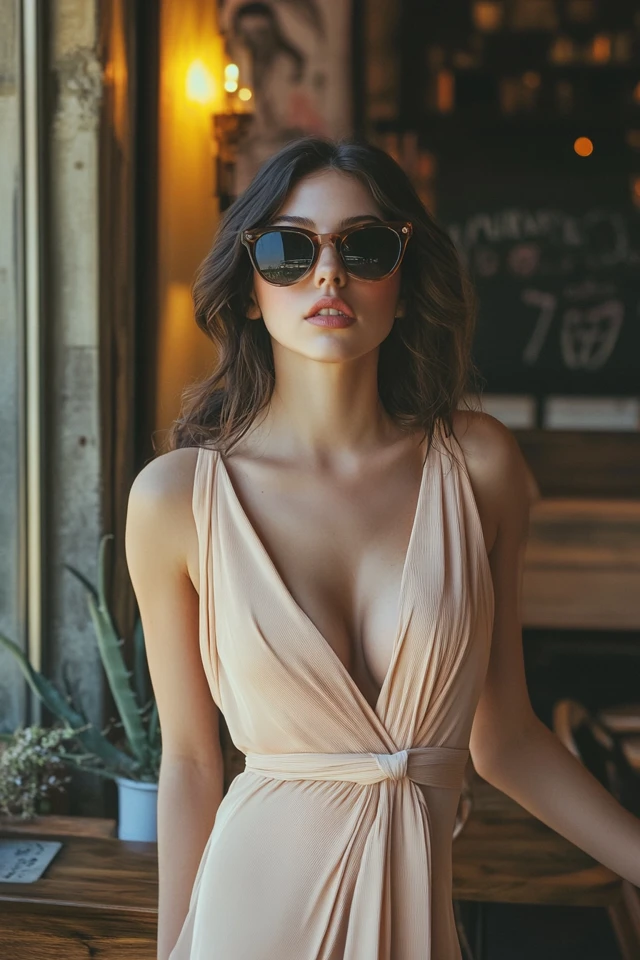
Most body types can wear one, because the shape comes from the tie, not from a fixed cut. The wrap defines the waist, and the V-neckline draws the eye vertically. That said, fit details matter more than body type.
- If you have a fuller bust, look for a deeper wrap with a secure inner tie, or a style with a little stretch across the chest.
- If you are petite, a hem at or just below the knee keeps proportions balanced.
- If you are tall, check that the waist tie lands at your natural waist and not above it.
- If you prefer less emphasis at the waist, a looser wrap in a fluid fabric skims instead of cinching.
If a wrap gapes or pulls, that is a fit problem, not a you problem. Try a different size or a different neckline depth.
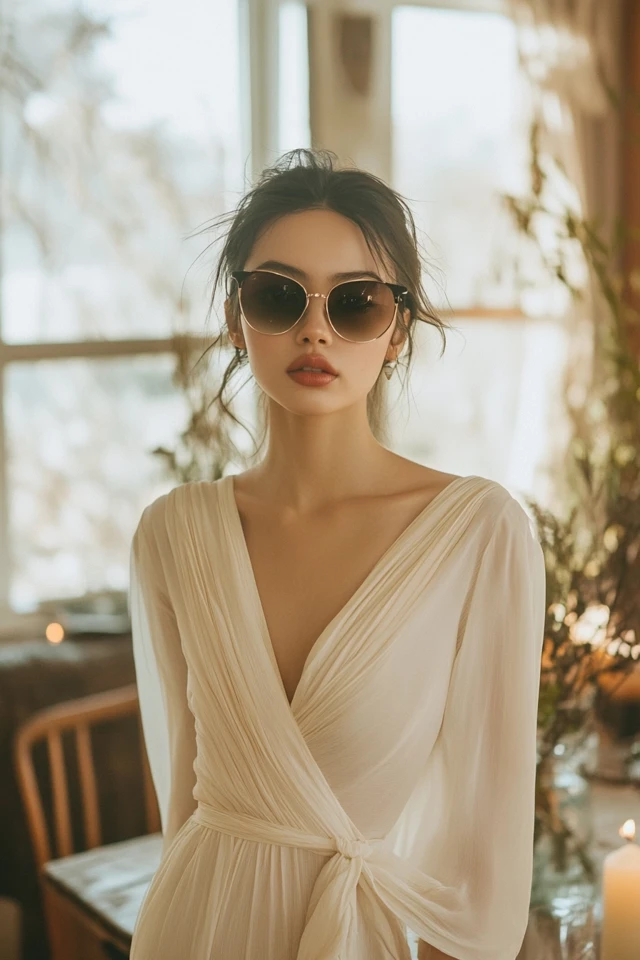
What should you wear to a wedding?
For guest outfits, a midi wrap in a soft solid or a quiet floral is easy to get right. Stay away from white, ivory and anything close to a bridal shade, and check the invitation for a dress code. A maxi suits an evening or black-tie-leaning ceremony. If you want more options, maxi dresses for rehearsal dinners follow similar logic.
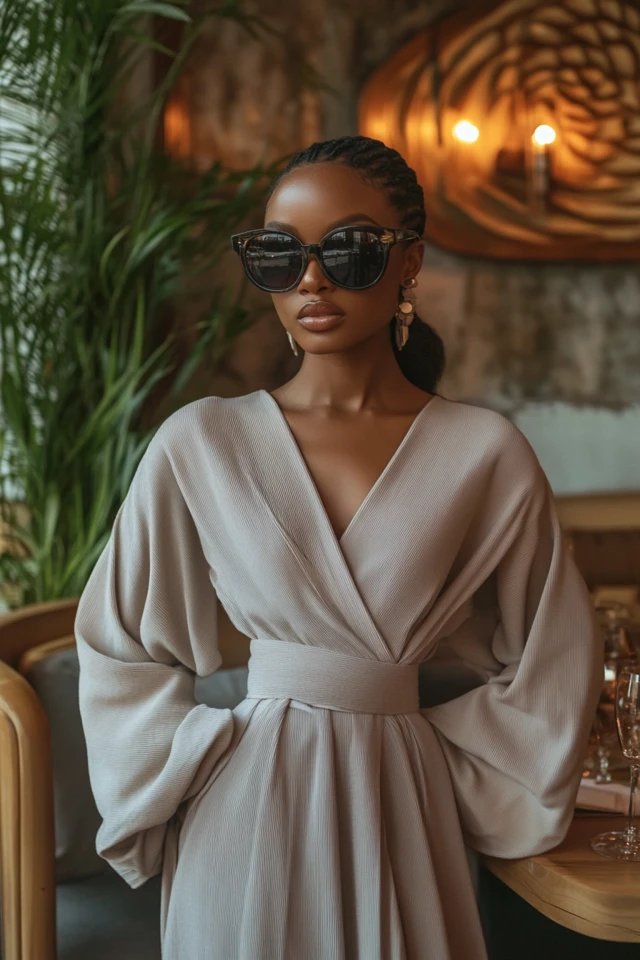
Do formal wrap dresses come with sleeves?
Yes, and sleeves change the whole feel. Long sleeve wrap dresses for occasions suit cooler months and formal rooms where you want more coverage. A fitted sleeve looks sleek, while a bell or bishop sleeve adds movement. Three-quarter sleeves are a good middle ground if you get warm at dinner.
For a formal wrap dress with sleeves, pick a fabric with some structure, like crepe or velvet. Thin jersey in long sleeves can look casual.
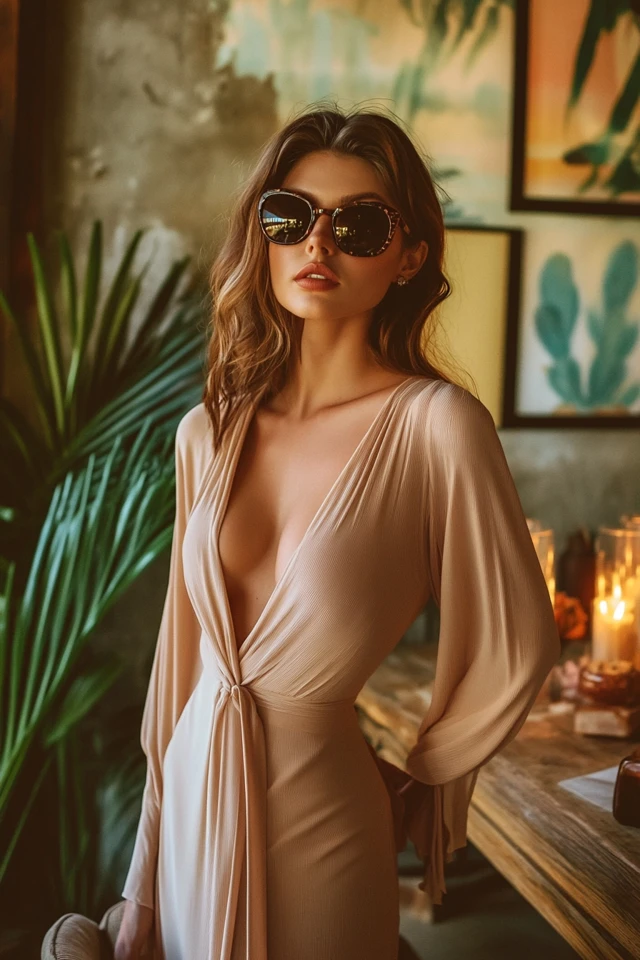
Which fabrics and colors work best?
Through the lens of evidence-based design, I'd look at fabric before color, because the surface changes how a color reads. A matte crepe in burgundy looks calm and grounded, while the same shade in satin looks brighter and more dramatic because light bounces off it.
- Satin and silk: dressy, drapey, best for evenings and weddings.
- Crepe: forgiving, holds its shape, good for almost any event.
- Chiffon: light and airy, good for summer and outdoor dinners.
- Jersey: comfortable and casual, easy to pack.
- Velvet: warm and formal, suited to fall and winter.
- Lace overlays: romantic, best on a lined dress.
For color, deep jewel tones such as emerald, sapphire and burgundy look polished at night. Soft pastels and florals suit daytime and spring events. Black works anywhere. If you like these, see satin dresses for anniversary dinners and pink dresses for proposal dinners.
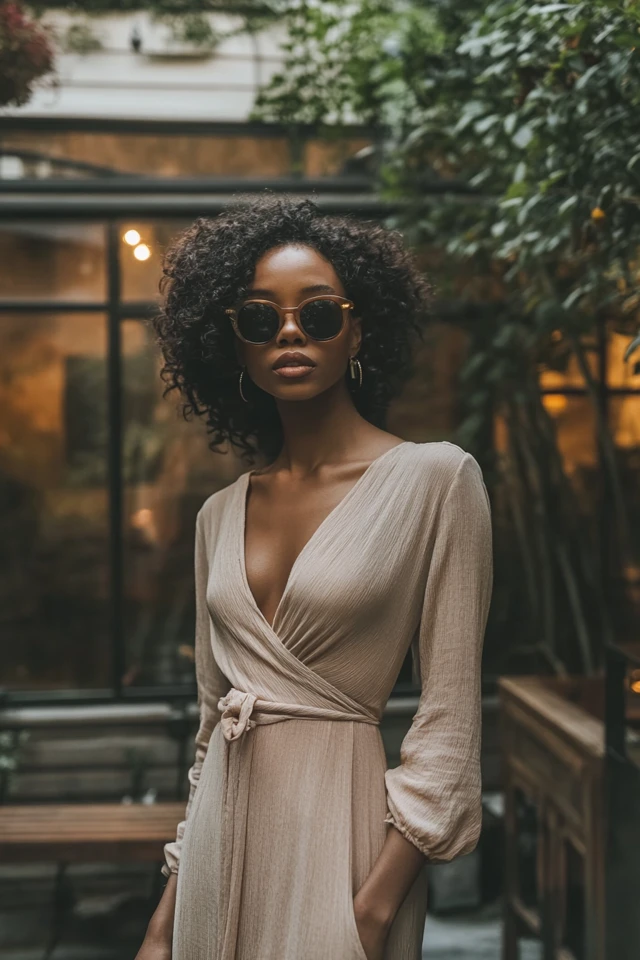
How do you style a wrap dress for a dinner date?
Let the neckline lead. A V-neck pairs well with a fine pendant or with earrings, but rarely both at full volume. As an architect trained in evidence-based design, I'd treat the neckline as the first thing the eye reads, so choose one focal accessory and keep the rest quiet.
- Shoes: strappy heels or pointed flats for dressy settings, ankle boots with tights in winter, sandals in summer.
- Bags: a small clutch for formal dinners, a crossbody for casual ones.
- Layers: a tailored blazer or trench over the top keeps the wrap line visible.
For more ideas, browse sleek cocktail party outfits or date-night dresses with asymmetrical details.
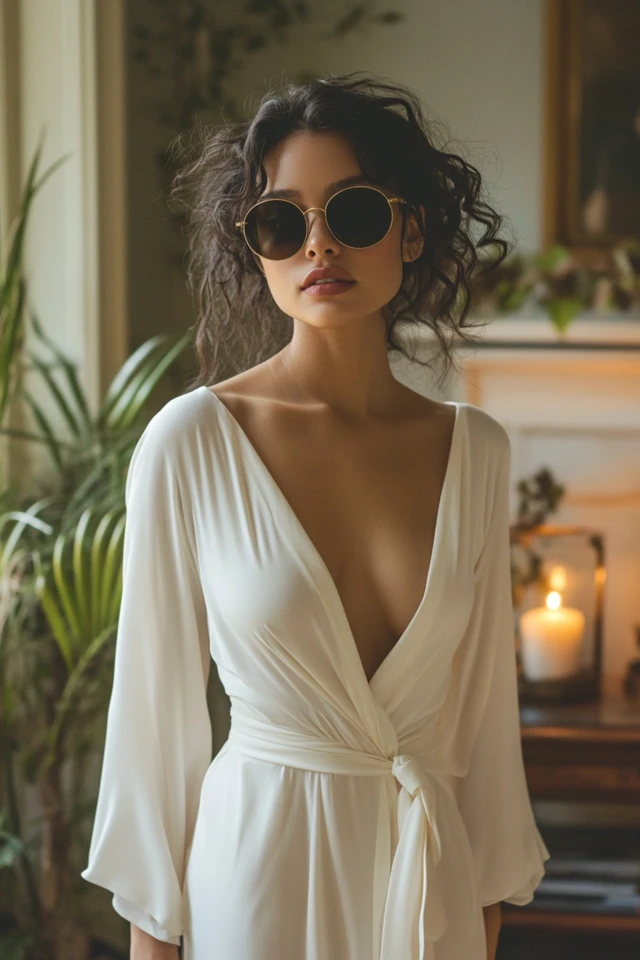
How do you stop a wrap dress from gaping?
Double-sided fashion tape at the neckline works well, and a small snap or hidden stitch at the crossover point is a lasting fix. Sit down and lean forward in the fitting room to test it. A dress that stays closed while you reach for a menu will stay closed all night.

Frequently asked questions
What body type looks good in a wrap dress?
Most shapes can wear one, since the tie lets you adjust the waist and the V-neck lengthens the line. Focus on neckline depth, hem length and a secure fit rather than your body type.
Are wrap dresses still in style?
Wrap dresses are a long-standing silhouette and tend to stay in rotation because they adapt to many fabrics and lengths. Choose a cut and fabric you like and the dress will keep working in your wardrobe.
Where can I find good quality wrap dresses?
Check the fabric label, the seams and the lining before you buy. A wrap that has a secure inner tie, a lined bodice and even stitching at the crossover will hold up better.
How do I layer a wrap dress in cold weather?
Add a tailored blazer, a leather jacket or a trench, and wear tights with boots. Keep the layer cropped or open so the waist tie still shows.
Filed under Occasionwear