Velvet and Satin Evening Blouses for Dressy Occasions
- Words by
- Julio Arco
- Published
- Reading
- 4 min
For an evening out, choose velvet when you want warmth and depth, and satin when you want shine and a fluid drape. Both dress up trousers or a skirt in one move, and both look best in a simple cut with one detail doing the work: a neckline, a sleeve, a bow.
Below: how the two fabrics differ, which sleeve length suits which event, what to wear to a wedding, and how to style and care for them.
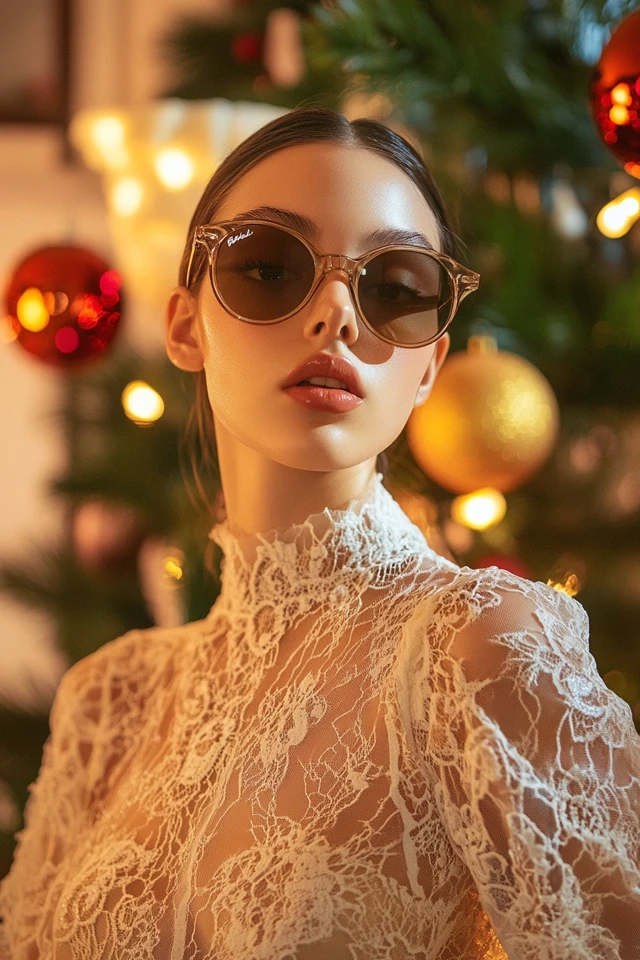
Velvet or satin: how do the fabrics compare?
Velvet has a pile, a short raised surface that absorbs light. Color looks deeper and softer, and the fabric feels warm. Satin has a smooth, reflective face, so color looks brighter and shifts as you move.
Through the lens of evidence-based design, I'd think about texture before color. A navy velvet blouse and a navy satin blouse do not read as the same navy, because the surface changes how light reaches the eye. Velvet reads quieter and richer. Satin reads more polished and more luminous.
- Velvet: warmer, more structured, hides small creases, shows crush marks and lint.
- Satin: lighter, drapes closely, shows water spots and snags more easily.
If you tend to feel cold in restaurants or at winter events, velvet is the easier choice. For a warm room or a summer evening, satin is more comfortable.
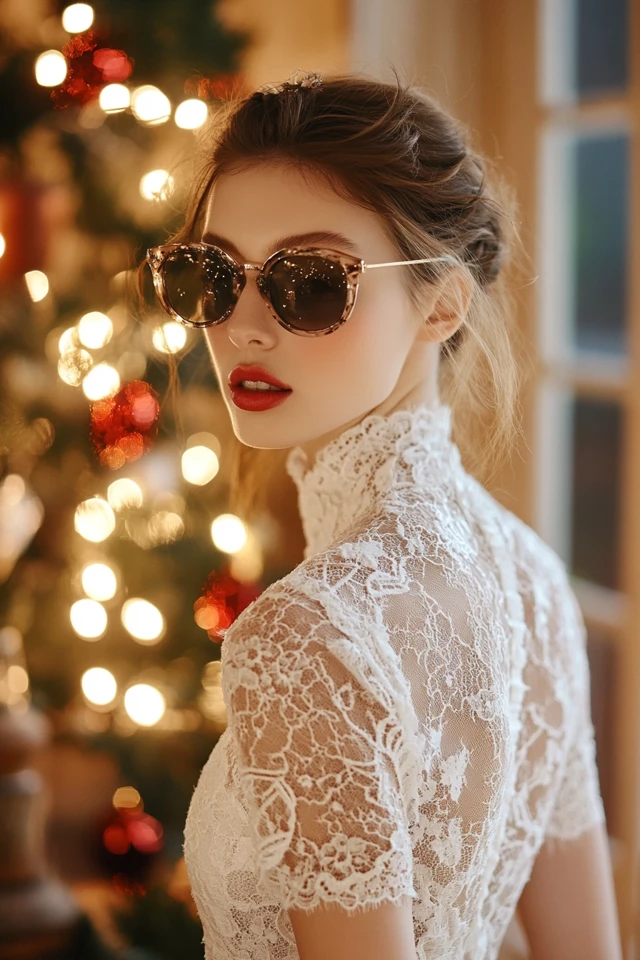
Velvet evening tops for women: styles to look for
Velvet evening tops for women work best when the cut is clean. The fabric already adds visual weight, so extra ruffles and layers can feel heavy.
- A wrap or V-neck velvet blouse, which lengthens the neckline and softens the fabric.
- A high-neck or mock-neck style with a fitted sleeve, good under a blazer.
- A relaxed velvet shirt with a pointed collar, for a dressier take on a classic shirt.
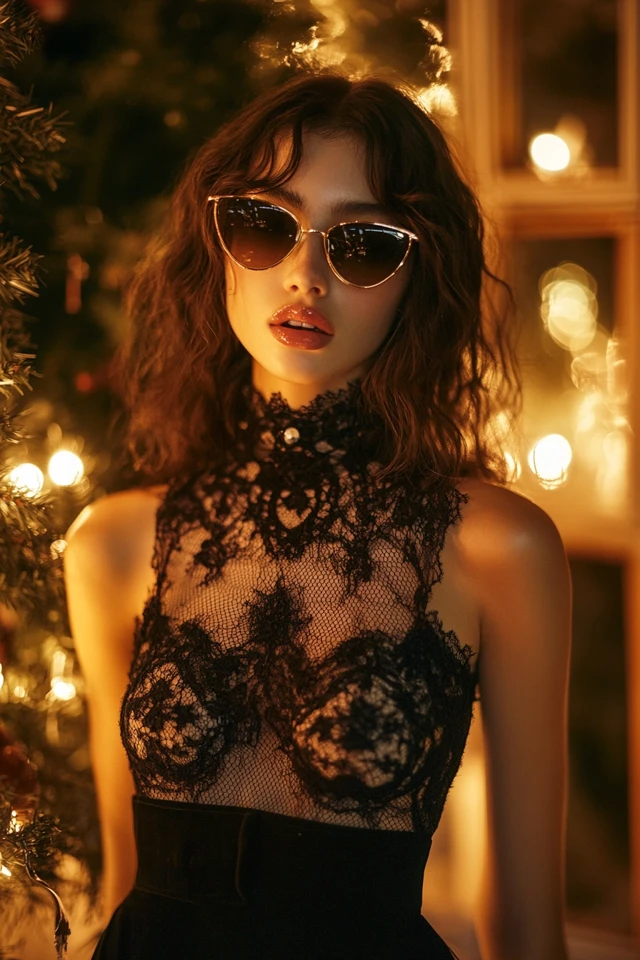
Jewel tones such as burgundy, emerald and deep navy suit velvet well, as does black. Pair them with a matte bottom like wool crepe so the two textures do not compete.
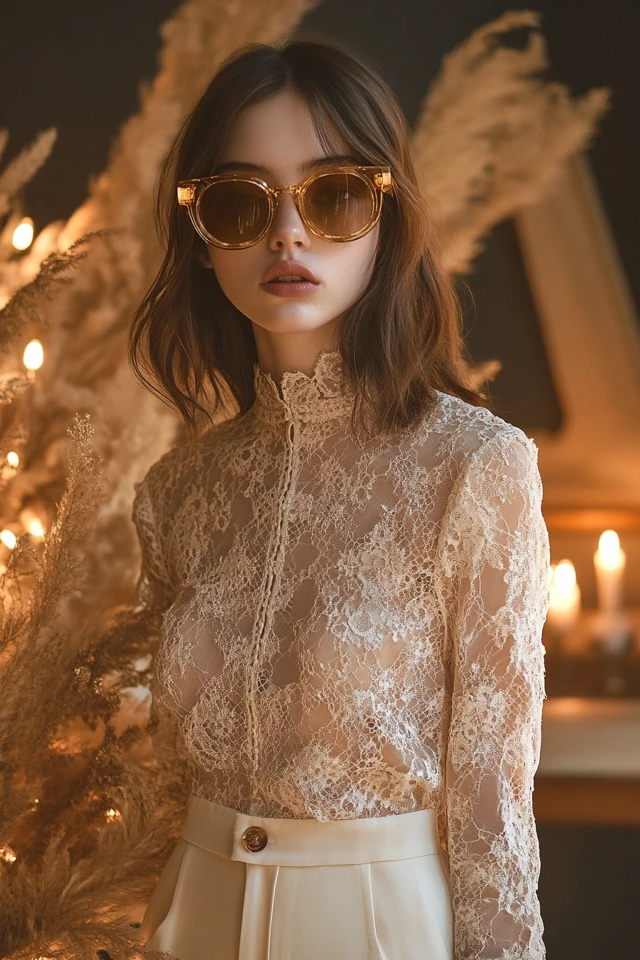
Satin blouse styles and details
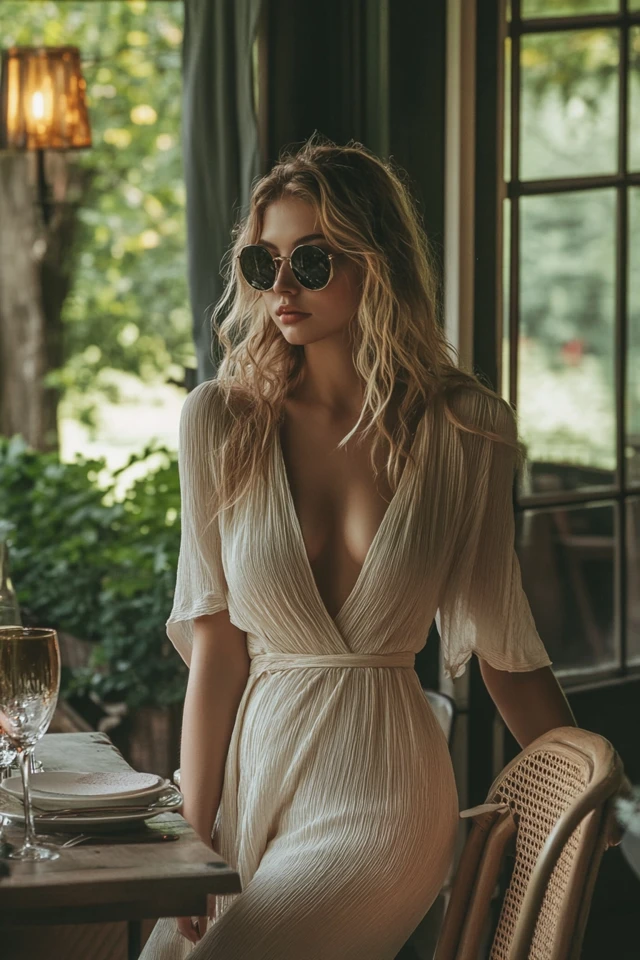
Satin is forgiving when the cut does the shaping. Look for a bias cut or a soft gather at the shoulder, which lets the fabric fall instead of cling. A pussy-bow neck, a covered-button placket or a draped cowl each give you a focal point without jewelry.
Champagne, ivory, deep green and black are the easiest shades to dress up. Very pale satin can show every seam and underlayer, so check it in daylight and consider a skin-tone slip beneath.
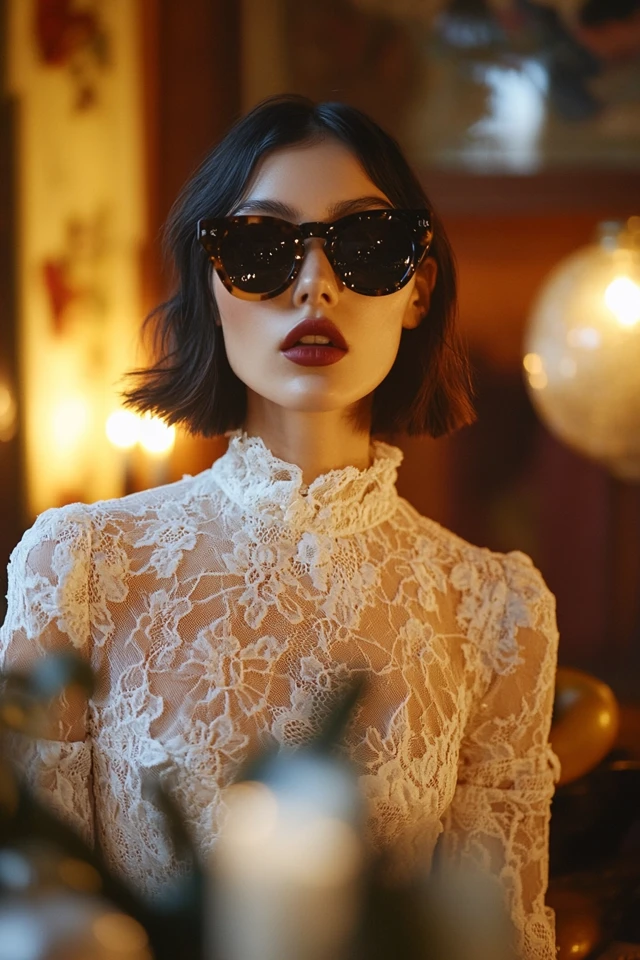
Long sleeve or short sleeve?
Long sleeve velvet and satin evening blouses suit cooler months and more formal rooms. A cuff with a few buttons or a gentle blouson sleeve adds shape, and the sleeve should end at the wrist bone.
Short sleeve velvet and satin evening blouses work for warm venues, layering under a jacket, or when you want to show off a bracelet or watch. A sleeve that ends mid-upper arm is the most flattering for many people, because it avoids cutting across the widest point.
Three-quarter sleeves sit between the two and are often the most practical when you cannot predict the temperature.
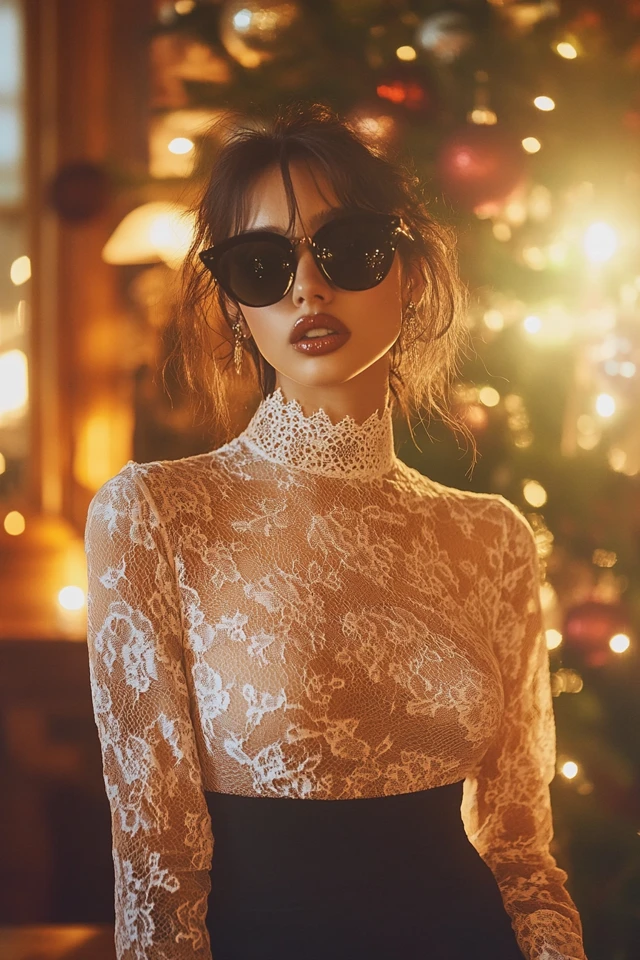
What to wear to a wedding: velvet and satin evening blouses for weddings
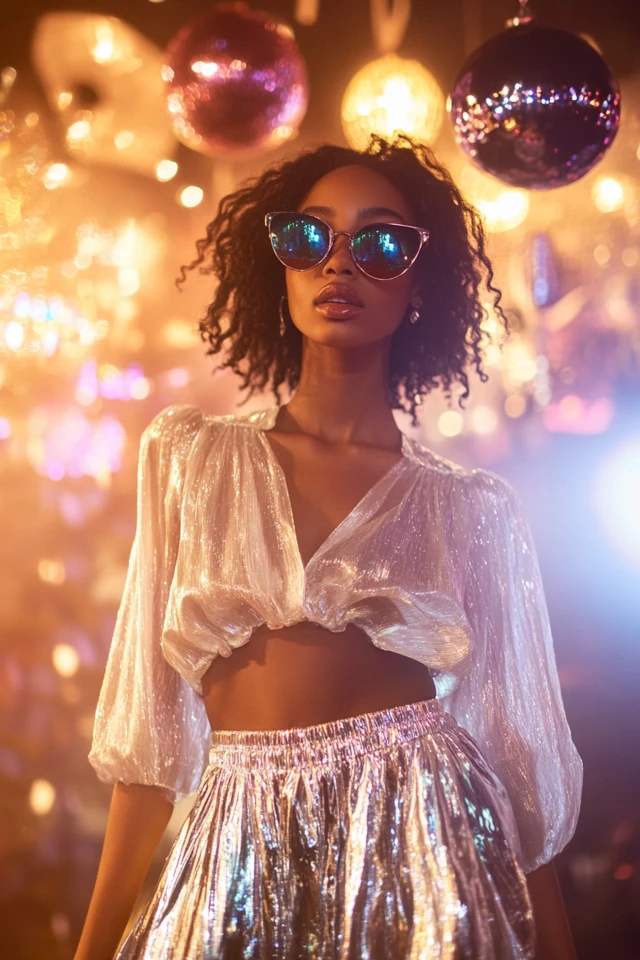
Formal blouses for weddings need to look finished from every angle, so pair them with a bottom that matches the formality. A satin blouse with a long, flowing skirt or wide-leg tailored trousers reads as black-tie friendly. A velvet blouse suits an evening or winter ceremony.
- Check the invitation first. Evening and formal dress codes call for floor-length skirts or very sharp trousers.
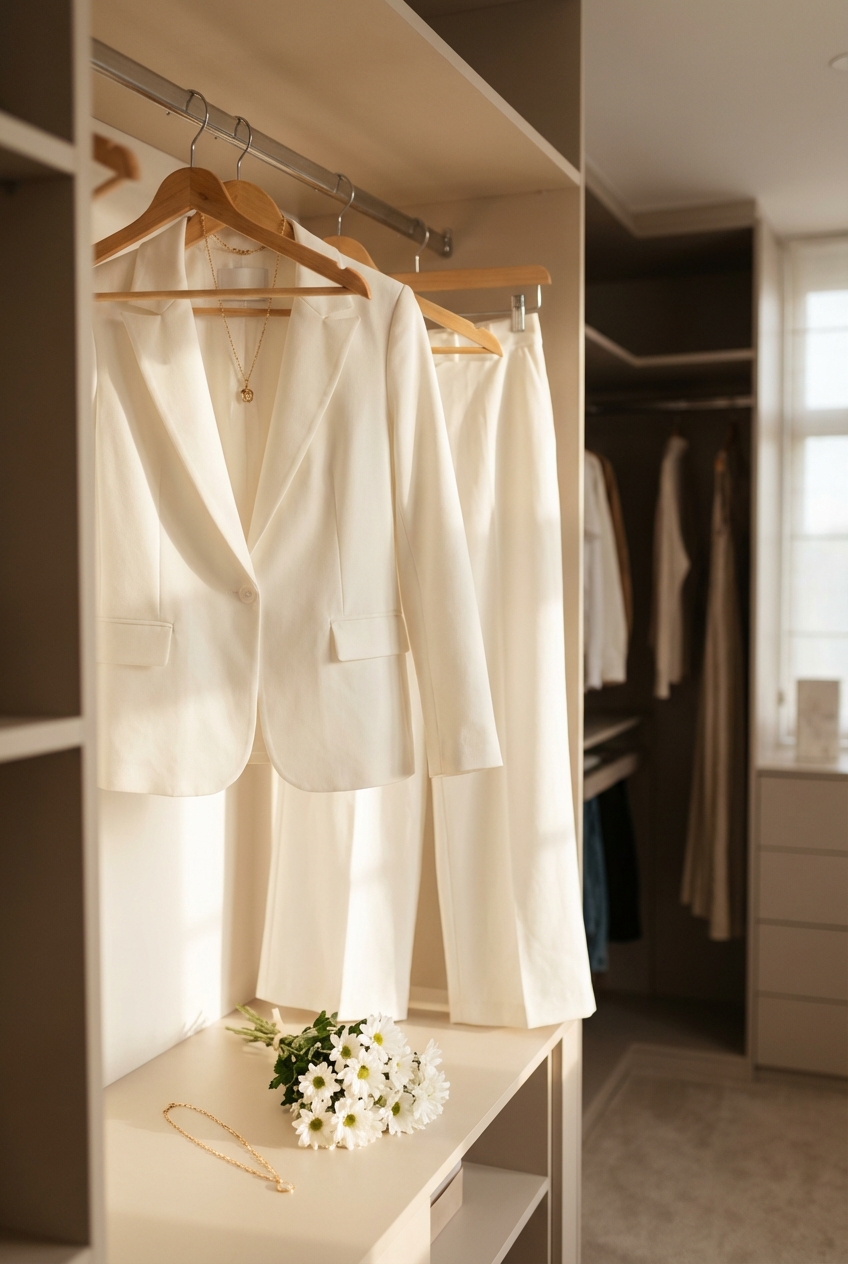
- Avoid white, ivory and very pale champagne unless you know it is welcome.
- Choose a blouse you can sit in for hours. Stand, sit and raise your arms in the fitting room.
Add a metallic clutch and one statement earring or necklace, not both. For more occasion ideas, see silk and velvet holiday dresses or burgundy gowns for autumn weddings.
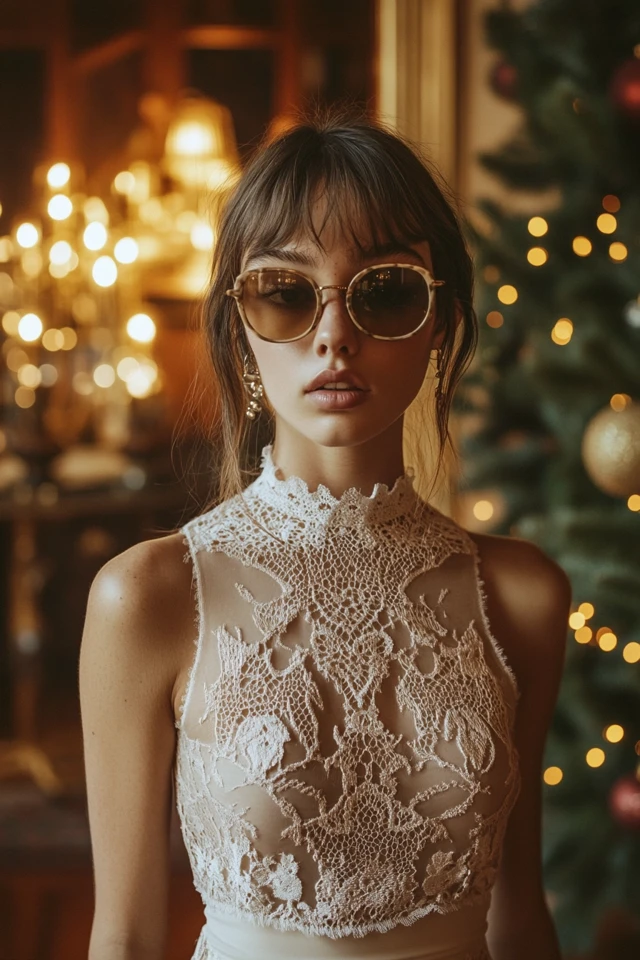
Dressy blouses for women over 50 and beyond
Dressy blouses for older ladies do not need a different rulebook, only attention to comfort and fit. A few things tend to help.
- Choose a soft neckline such as a V, boat or small bow, which frames the face without pressing on the neck.
- Look for a bit of stretch in velvet, or a lined satin that does not cling.
- Pick a hem that lands at or below the hip, so the blouse works with trousers or a skirt.
- Sleeves with a gentle opening make dressing easier and look elegant.
As an architect trained in evidence-based design, I'd treat the neckline as the first thing the eye reads, so put your best-fitting detail there.
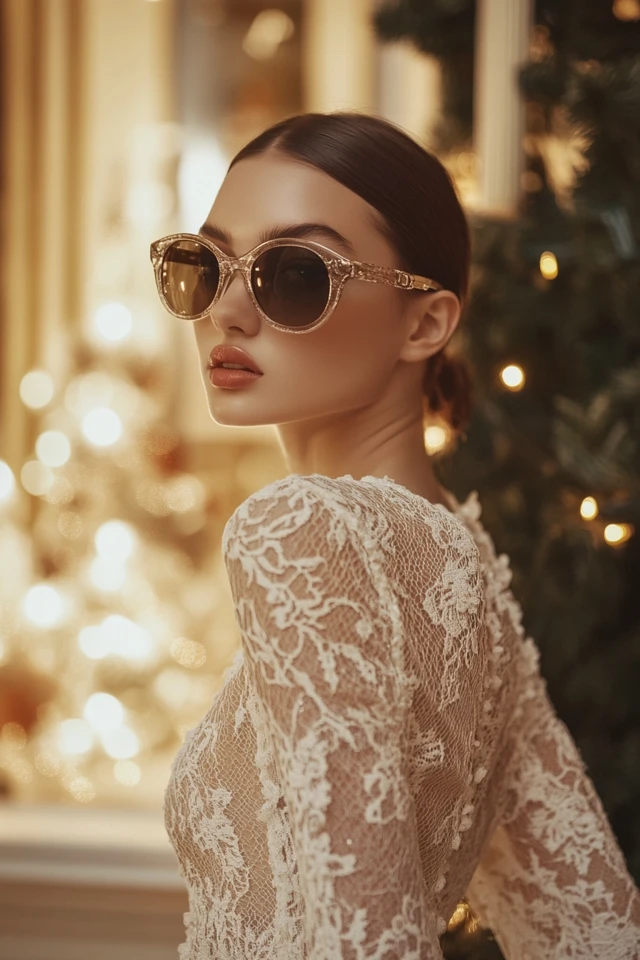
How to style and care for them
Keep the rest of the outfit simple. Tailored black trousers, a midi skirt or slim dark jeans all work, and a velvet blazer over satin adds a dressier layer. If you like shine, our guides to metallic tops and lace and sequin tops show other ways to dress up for a party.
Always read the care label. Many velvet and satin blouses are dry-clean or gentle-wash only. Store velvet hanging or rolled so the pile does not crush, and steam from a distance instead of pressing directly.
Frequently asked questions
Can I wear a velvet blouse to a wedding?
Yes, especially for evening or cooler-season weddings. Choose a deep jewel tone or black and pair it with a long skirt or sharp tailored trousers.
Which is dressier, velvet or satin?
Both can be very dressy. Satin reads more polished and shiny, while velvet reads richer and warmer, so the choice depends on the season and the venue.
How do I keep satin from clinging?
Pick a lined or heavier-weight satin with a relaxed or bias cut, and wear a smooth slip underneath.
How should I store a velvet blouse?
Hang it on a padded hanger or roll it loosely, and avoid pressing anything against the pile. Follow the care label for cleaning.
Filed under Occasionwear