Cut Out Knit Dress: Lengths, Styles and Fit Tips
- Words by
- Julio Arco
- Published
- Reading
- 4 min
A cut out knit dress works best when the cutout is small or placed where the knit still has structure: the waist, the back or one shoulder. Pick the length for the occasion (mini for casual, midi for most days, maxi for dressier plans) and check that the ribbing or stitch holds its shape around the opening.
Knit gives you stretch and a soft surface. The cutout adds one point of interest, so the rest of the outfit can stay simple.

Are cutout dresses still in style?
Yes, with a caveat: the version that looks current is the quiet one. A single cutout at the waist, back or shoulder, in a solid color and a fine or mid-weight knit, reads as modern. Several large openings or very sheer panels tend to look dated faster. I can't forecast trends, but a dress with one clear detail is easier to wear across seasons.
Are knit dresses flattering?
They can be, and it comes down to the knit's weight and the cut. A fine, drapey knit skims the body. A thick, chunky one adds volume, which suits some people and some outfits. If a dress clings in places you'd rather it didn't, that is a fabric and fit issue, not a body issue.
Through the lens of evidence-based design, I'd look at texture before color. A flat, smooth knit and a ribbed one in the same shade read differently, because the surface changes how light reaches your eye. Ribbing adds vertical lines that elongate; a smooth jersey shows every curve it touches.
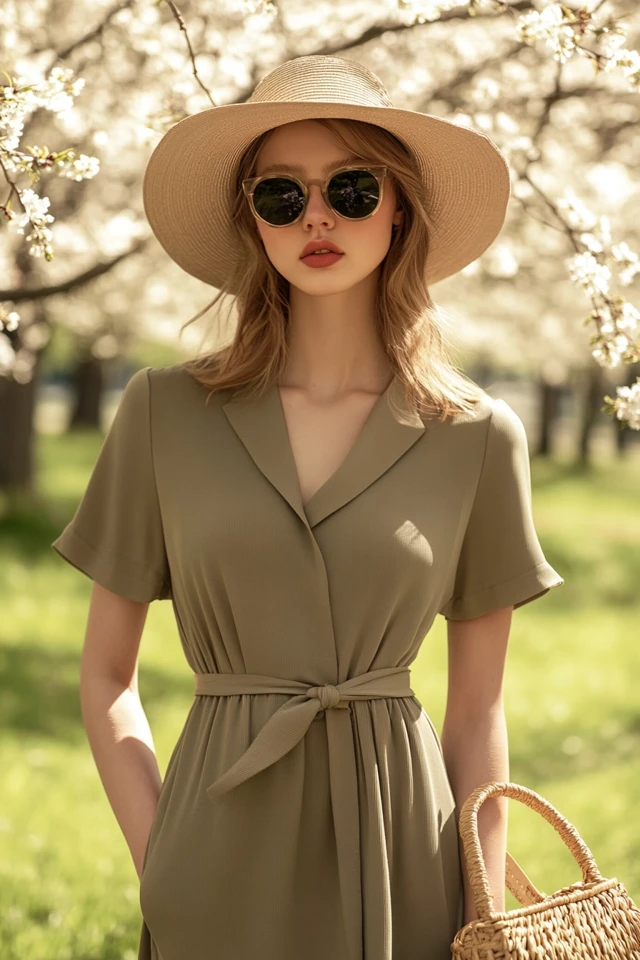
Cut out knit mini dresses
A cut out knit mini dress is the easiest to dress down. Pair it with flat sandals or white sneakers and a denim jacket for a spring afternoon. Because a mini already shows leg, choose a cutout at the back or on the shoulder rather than at the hip.
Sit down in it before you buy. Knit shortens a little when you sit, and a waist cutout can shift.
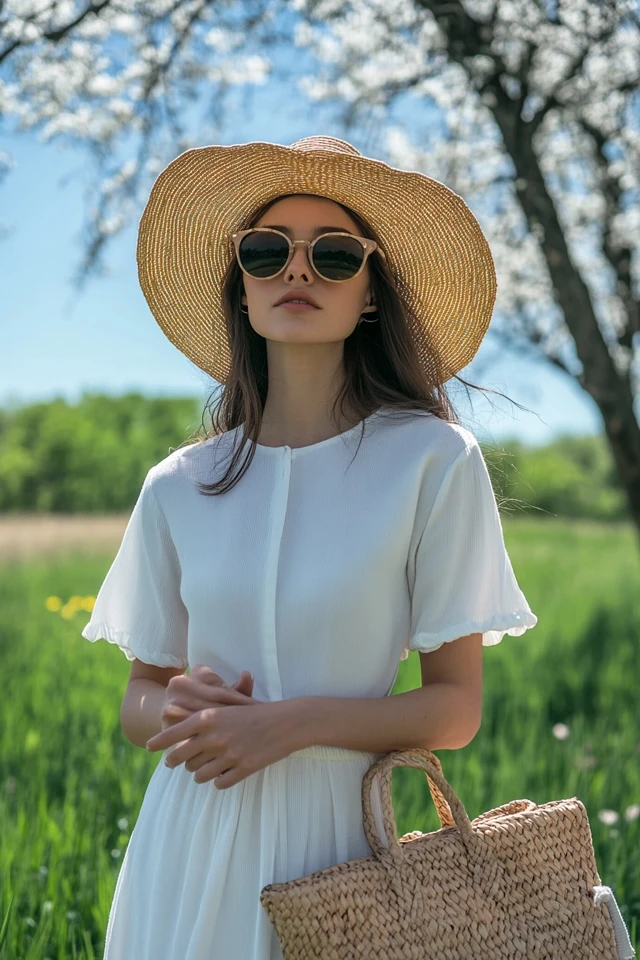
Midi cut out knit dresses
A midi cut out knit dress is the most flexible length. It works with ankle boots in cooler weather and with strappy sandals or flats in warm weather. A hem that falls around mid-calf is usually the most balanced on a wide range of heights, though if you are petite, a hem just below the knee keeps the proportion longer.
Midi knits often have a side slit. It helps you walk, and it breaks up a long column of fabric.

Maxi cut out knit dresses
A maxi cut out knit dress turns the cutout into the focal point, because the rest of the dress is long and plain. A waist cutout shows the shape of the torso. A back cutout stays subtle from the front, which is useful for the office or dinner.
Keep shoes simple. A flat sandal or a low block heel is enough, and the hem should clear the floor by about an inch so it doesn't catch.
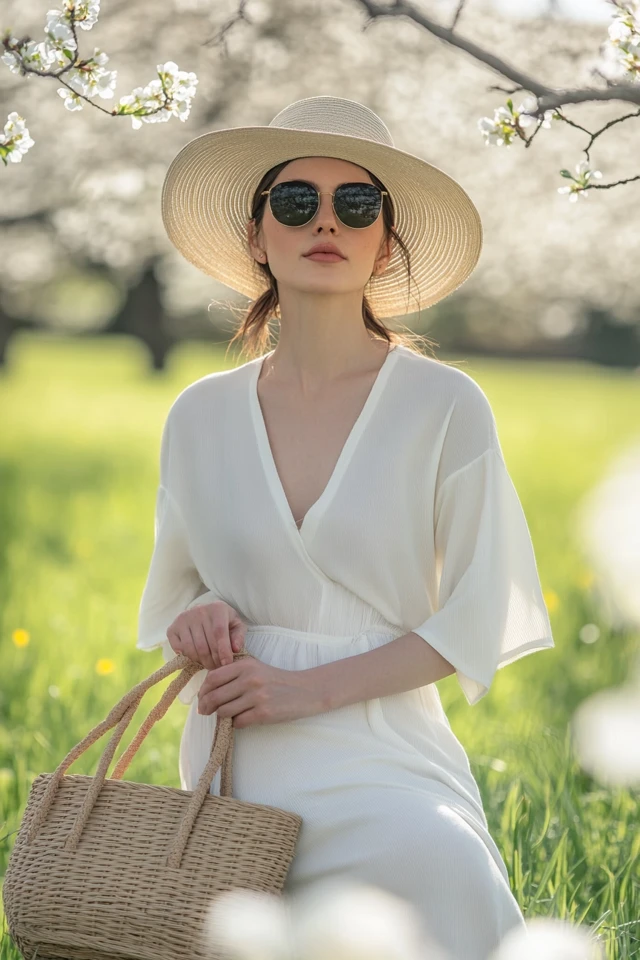
Long sleeve and sweater dress styles
A long sleeve cut out knit dress covers the arms and leaves one area open, a balance that suits cooler days. Check that the sleeve seam sits at the shoulder's edge and that the cuff doesn't squeeze the wrist.
A thicker cutout sweater dress holds its shape better but can feel warm indoors. If you like the look, our guide to layered sweater dresses for cold but dry days covers what to put over and under it.

Halterneck and one-shoulder cutout details
Halter and one-shoulder necklines lead the eye to the collarbone and shoulders, so they pair well with a simple knit body. Wear your hair up or to one side and skip a heavy necklace. If a halter strap digs in, try a style with a wider tie or a back closure that you can adjust.

How to choose and care for a knit dress
- Look at the edge of the cutout. It should lie flat, not curl or stretch out when you pull gently.
- Check the fabric tag. Cotton and viscose blends breathe well; heavier wool blends hold warmth.
- Follow the care label. Most knits do better washed gently and dried flat, since hanging a wet knit can stretch it.
- Fold knits rather than hanging them so the shoulders and cutouts keep their shape.
Knitting can also be less wasteful than cutting fabric. MIT News describes a 4D Knit Dress that is made entirely in one piece, which virtually eliminates waste, unlike the traditional cut-and-sew process. Fashion design professor Mary Ruppert-Stroescu of Washington University in St. Louis notes that "roughly 15% of cloth intended for apparel winds up as scrap on the cutting room floor".
Where to wear it
For a casual day, add sneakers and a light jacket. For a dinner, a midi with sandals and small earrings is enough. If you want a softer, less revealing option for warm afternoons, try relaxed cotton dresses for late spring picnics or relaxed tunic dresses, and for hot weather, sleeveless dresses for dry heat.
Frequently asked questions
What is the most trending dress right now?
Trends shift quickly, so it is safer to look for silhouettes that stay in rotation: simple midi dresses, knit styles and dresses with one clean detail such as a single cutout.
Are knit dresses still in style?
Knit dresses are a regular part of most seasons, from fine jersey in spring to heavier sweater dresses in cooler months. Choose a clean cut in a solid color for the longest wear.
Can I wear a cutout dress to work?
Yes, if the cutout is small and placed at the back or shoulder, and the length is a midi or maxi. A blazer or cardigan over it adds coverage if your workplace is conservative.
Do cutouts stretch out over time?
They can if the knit is thin or the edge is not finished well. Wash gently, dry flat and avoid pulling at the opening.
Filed under Weather Style