Asymmetrical Draped Dresses: How to Pick and Style
- Words by
- Julio Arco
- Published
- Reading
- 5 min
Asymmetrical draped dresses suit most bodies when the fabric is soft, the drape sits where you want attention, and the length hits you at a flattering point. For a relaxed, everyday version, choose jersey or modal, a hem that dips on one side, and a neckline you can wear without adjusting.
The idea is simple: gathers, pleats or a diagonal fold of fabric create movement, and the uneven line keeps a loose dress from looking shapeless. Below is how to pick the cut, length and fabric, and how to wear it.
What makes a dress asymmetrical and draped?
Asymmetry means the dress is not mirrored left to right. It can be an uneven hem, a one-shoulder neckline, a diagonal wrap or drape across the body. Draping is the fabric falling in soft folds, usually from gathers at the waist or shoulder, or from a cowl neckline.
A relaxed version skips the structure. There is no boning or stiff lining, so the dress follows your movement instead of holding a shape. Through the lens of evidence-based design, I'd look at the fold lines first: the eye follows a diagonal, so where the drape crosses the body decides where people look.
Which necklines and hems should you look for?
Necklines
A cowl neck is the softest option and adds fullness at the chest. A one-shoulder cut opens the neckline and draws the eye across the shoulders. A boat neck or V-neck keeps things quiet when the drape is happening lower down.
Hems
A high-low hem shows more leg at the front and covers more at the back. A diagonal hem slants from one side to the other and looks more dramatic on longer dresses. A handkerchief hem falls in points and works best in lightweight, fluid fabrics.
Sleeves
An asymmetrical dress with sleeves is easy to find in three-quarter and long lengths. If you want cover, pick sleeves in the same fabric as the body so the drape stays continuous. Sleeveless and halter versions suit warm weather.
Are asymmetrical dresses flattering?
Often, yes, because the diagonal lines break up a straight silhouette and the fabric skims instead of clinging. If a dress pulls across the hips or bunches at the waist, that is a fit problem, not a you problem. Try the next size or a stretchier fabric.
A few adjustments by frame:
- Petite: keep the drape light and the hem at or just below the knee, so the fabric does not swallow your height.
- Curvy: look for a wrap or a tie at the waist, plus fabric with some stretch.
- Athletic: ruching or bold draping adds softness through the torso.
- Tall: longer lengths and bigger folds of fabric carry well.
If you want a dress that skims the midsection, pick gathers or ruching across the tummy, a fabric that is not clingy, and a drape that crosses diagonally rather than horizontally. Plus size asymmetrical draped dresses work best in fabrics with weight and stretch, such as heavier jersey, because they fall cleanly instead of clinging. Check the size chart and the fabric content before you buy.
Midi, maxi and mini: which length works?
Midi
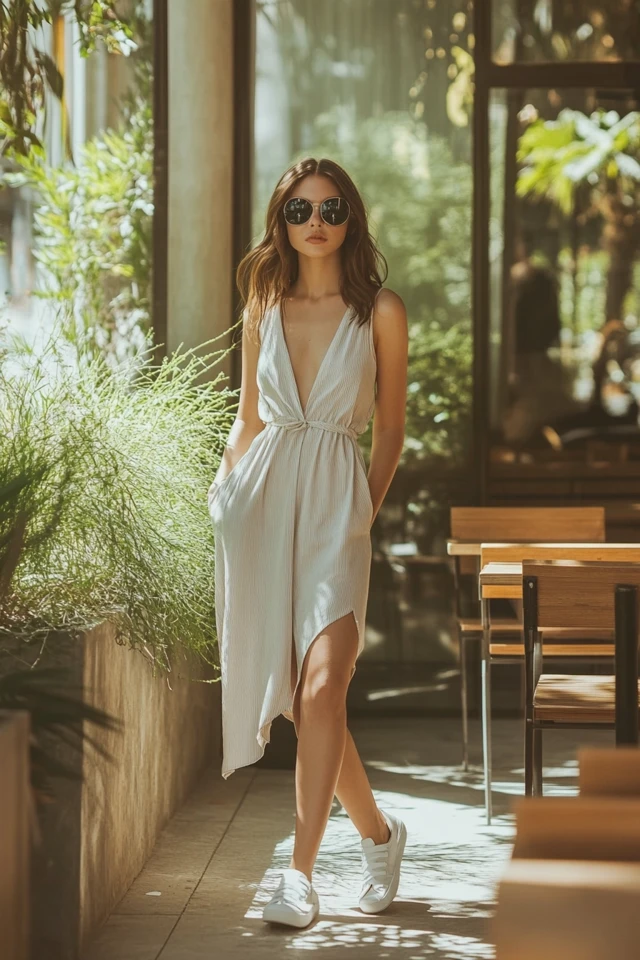
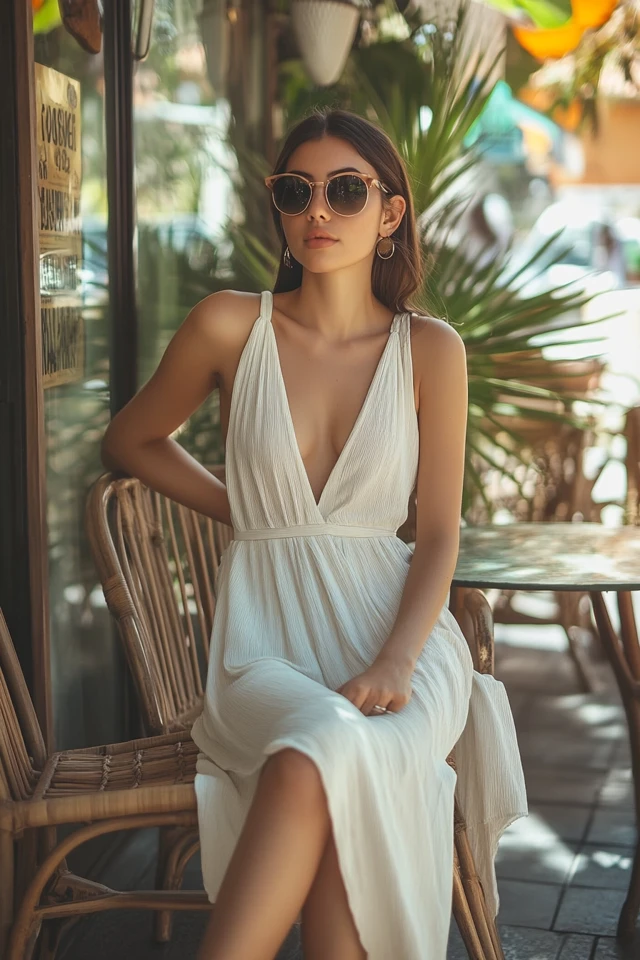
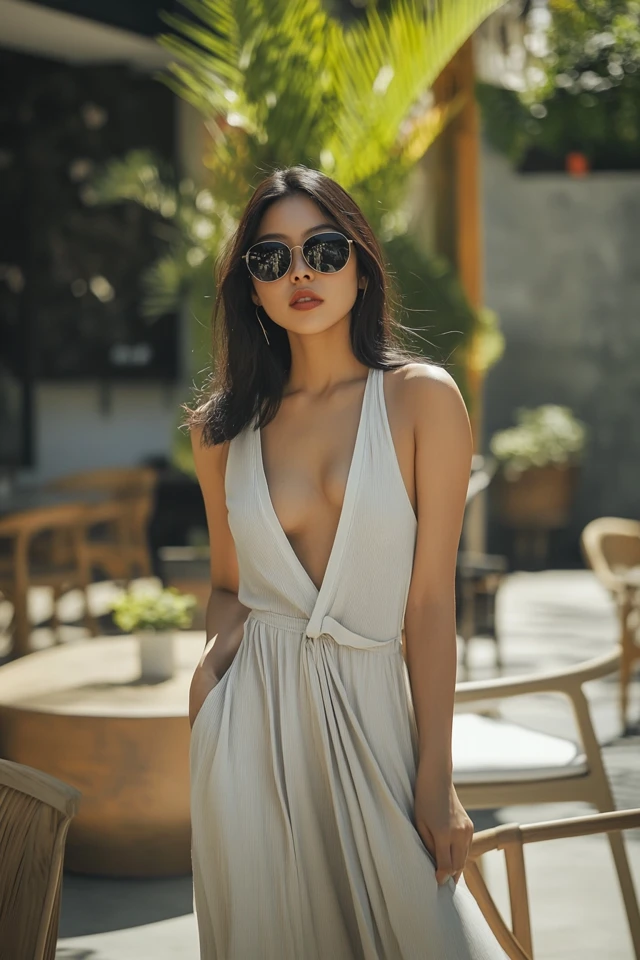
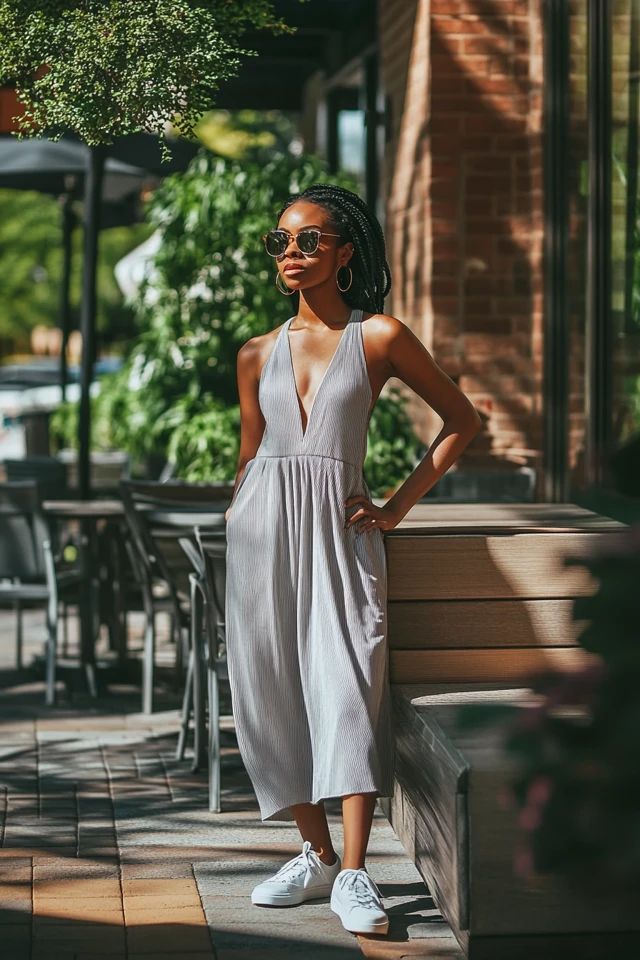
An asymmetrical draped midi dress is the most versatile length. It works with sneakers, flat sandals or ankle boots, and moves well when walking. Aim for a hem that lands at the narrowest part of your calf or just below the knee.
Maxi
A maxi asymmetrical draped dress gives a long, continuous line and suits tall frames especially well. If you are shorter, choose a hem that is shorter on one side so you can see your ankle, and wear a small heel or wedge.
Mini and high-low
Shorter versions with a dipped back are good for summer and for pairing with sneakers. Check that the shorter side still feels comfortable when you sit.
Which fabrics and colors work best?
Jersey, modal and soft crepe drape easily and stay comfortable. Chiffon floats and suits warm weather, though it needs a slip. Satin catches light along every fold, so it reads as dressier and shows the drape more clearly.
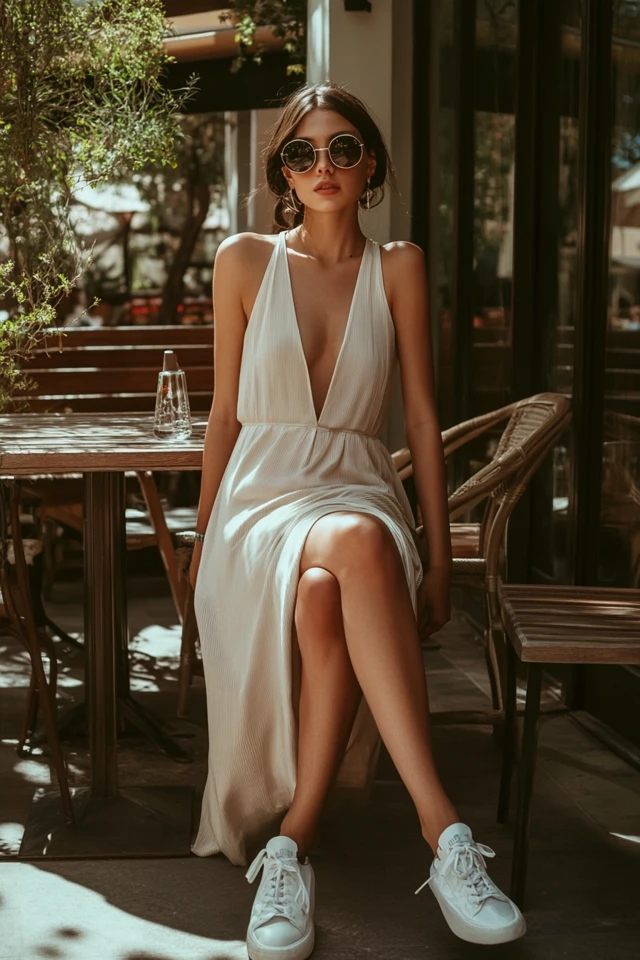
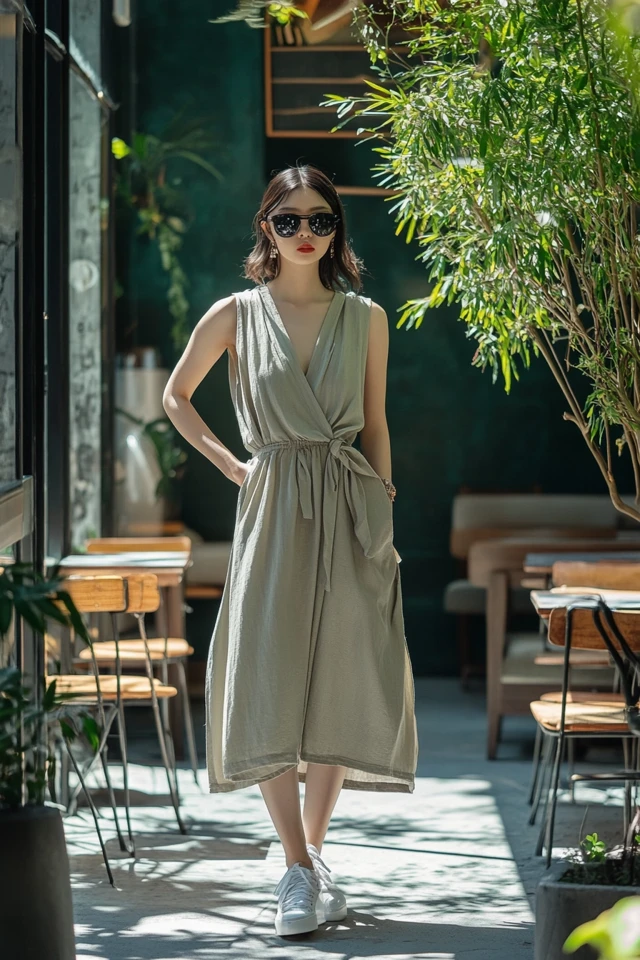
Texture changes how a color reads. A matte jersey in olive looks calm and muted, while the same shade in satin looks deeper and more formal, because the surface changes how light reaches your eye. As an architect trained in evidence-based design, I'd choose a solid, matte color if you want the drape itself to be the focus, and keep prints for dresses with fewer folds, since busy patterns hide the shadows that make draping visible.
- Soft neutrals like beige, taupe and gray feel understated.
- Earthy tones like olive, terracotta and rust look warm.
- Navy, charcoal and black read polished for evenings.
- Pastels suit spring and summer.
How to style asymmetrical draped dresses
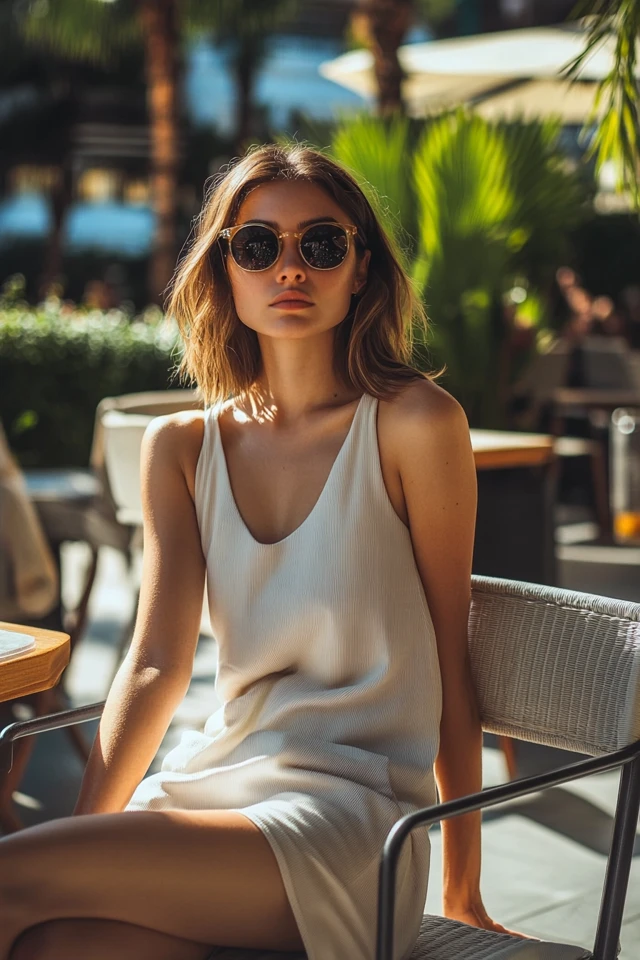
The dress already has a lot going on, so keep the rest simple. Here are the combinations that work for how to style asymmetrical draped dresses:
- Daytime: white sneakers or flat sandals, a denim jacket and a crossbody bag.
- Cooler weather: tights, ankle boots and a longline cardigan or coat.
- Office: a tailored blazer over a midi length, with loafers or block heels.
- Evening: heeled sandals, a small clutch and one statement earring.
Use a belt only if the drape has room for it. Cinching at the waist changes where the fabric falls and can bring out the shape of the dress. With a high neckline or cowl, wear short necklaces or none at all, and let hoops or studs do the work.
For a shorter dress, try oversized outerwear for contrast. For a long dress, a cropped jacket keeps the proportions balanced. If you like this relaxed look, the same logic applies to relaxed maxi skirts and duster jackets with relaxed drapes, which also pair well over a slim dress.
Can you wear one to a formal event?
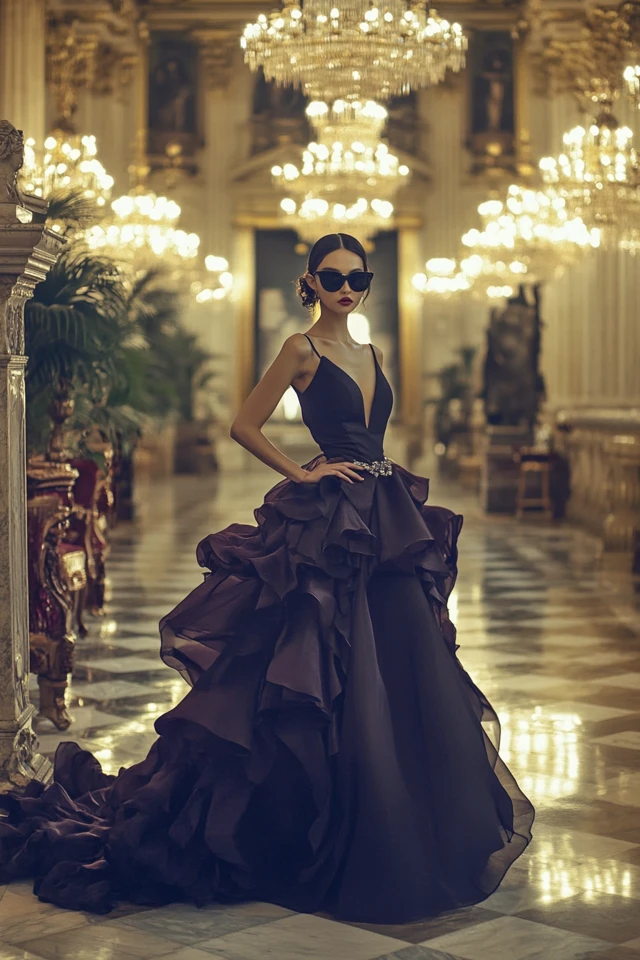
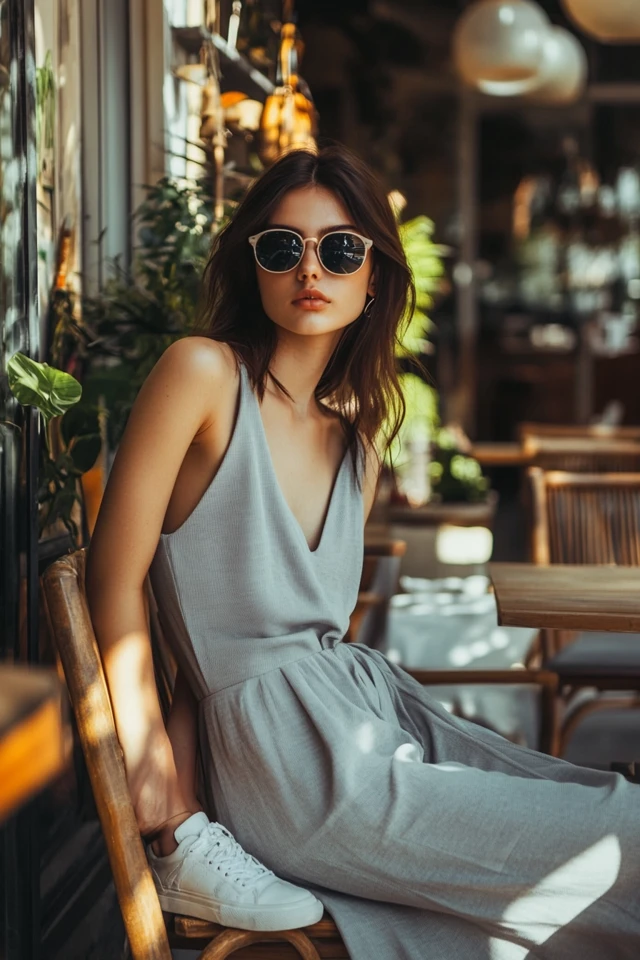
Yes. For a formal gown asymmetrical dress, look for satin, crepe or silk-like fabrics, a floor-length or long diagonal hem, and a structured neckline or one-shoulder cut. Keep jewelry minimal, since the neckline and drape already provide the focal point.
For a wedding guest or dinner, an asymmetrical draped midi dress in a deeper color with heels works well. Steam the dress before you wear it, and store it on a padded hanger so the folds do not crease. Always check the care label before washing.
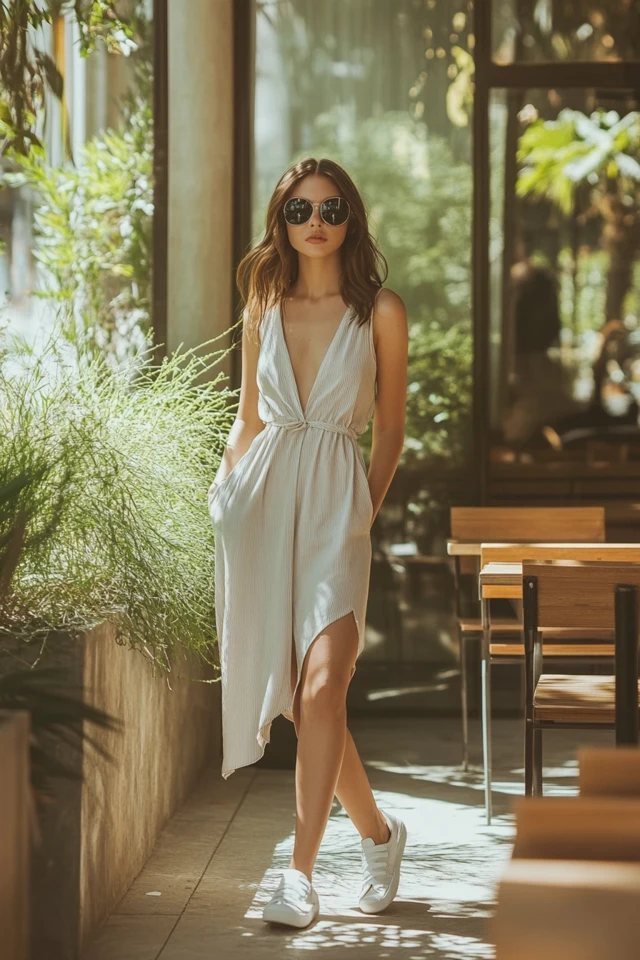
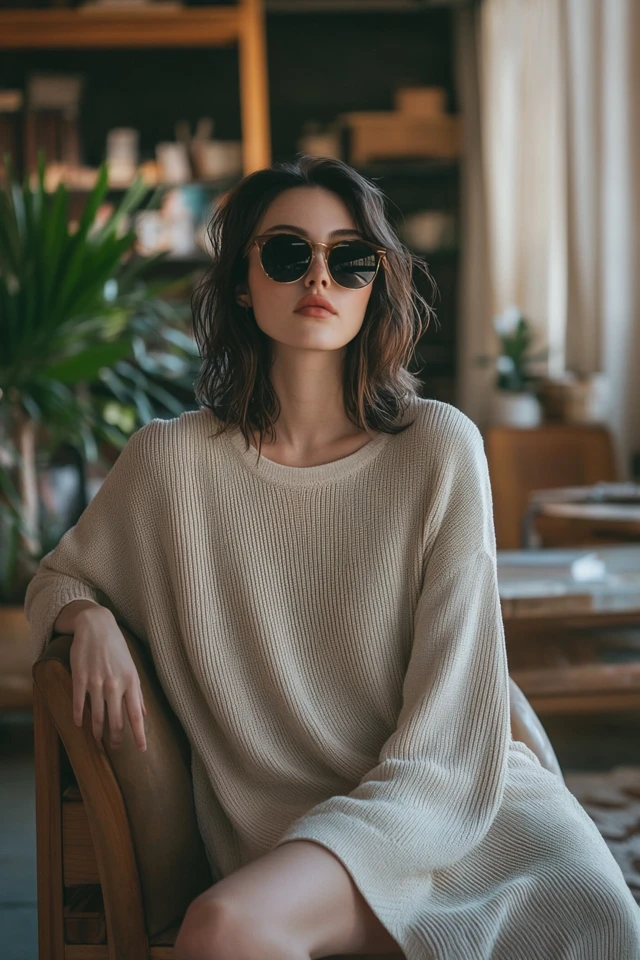
For more relaxed pieces to combine with a drape dress, see relaxed oversized sweaters for layering and relaxed utility jumpsuits for another easy one-piece option.
Frequently asked questions
Are asymmetrical dresses flattering?
Usually, yes. The diagonal lines and soft fabric skim the body instead of clinging. Choose a fabric with some stretch and a hem length that suits your height.
What type of dress is most flattering for hiding a tummy?
A dress with gathers or ruching across the midsection, in a soft, non-clingy fabric, is a good starting point. A wrap or diagonal drape also breaks up the line without adding bulk.
Are draped dresses in style?
Draped silhouettes keep returning because they are comfortable and easy to dress up or down. Check current retailers for the specific cuts and prints on offer now.
What fabrics drape best?
Jersey, modal, crepe, chiffon and satin all fall in soft folds. Heavier weaves and stiff cottons hold their shape and drape less.
Filed under Style & Fit