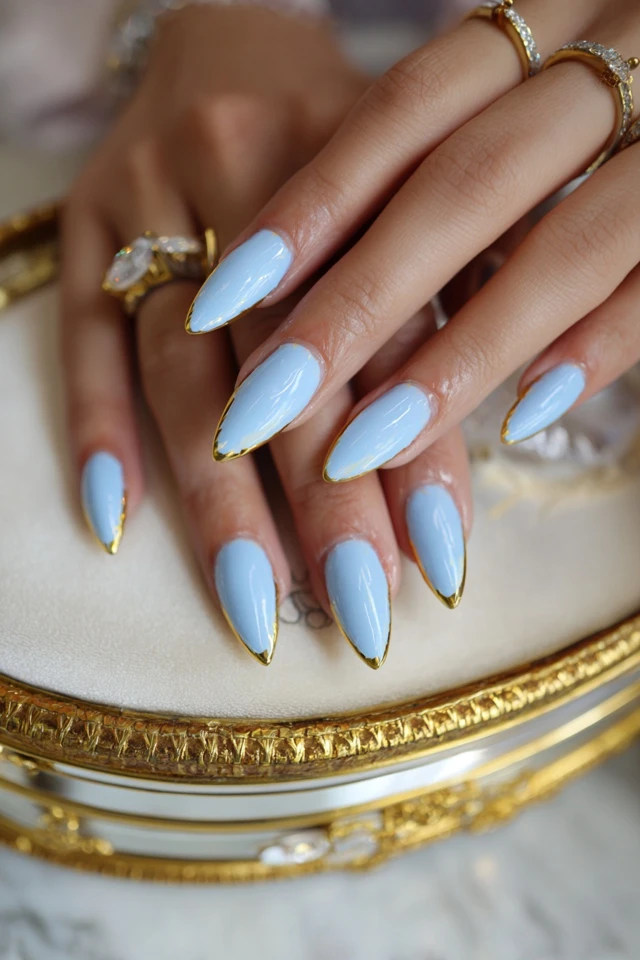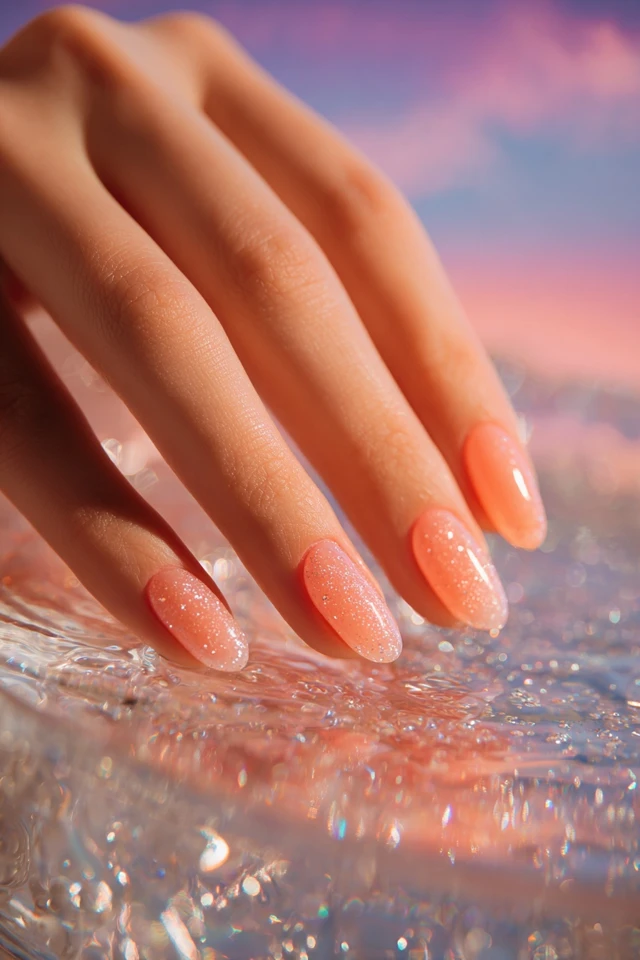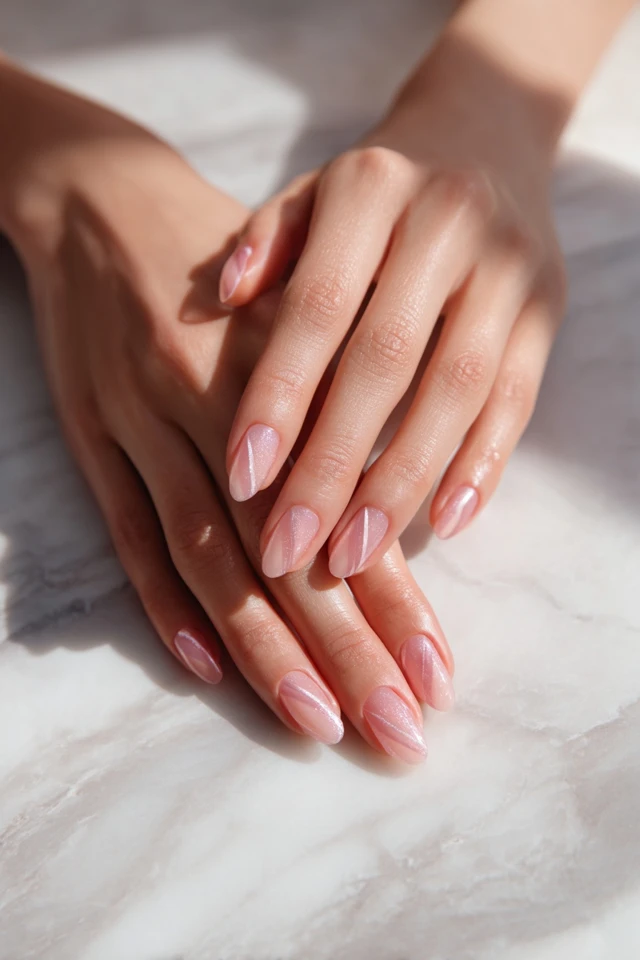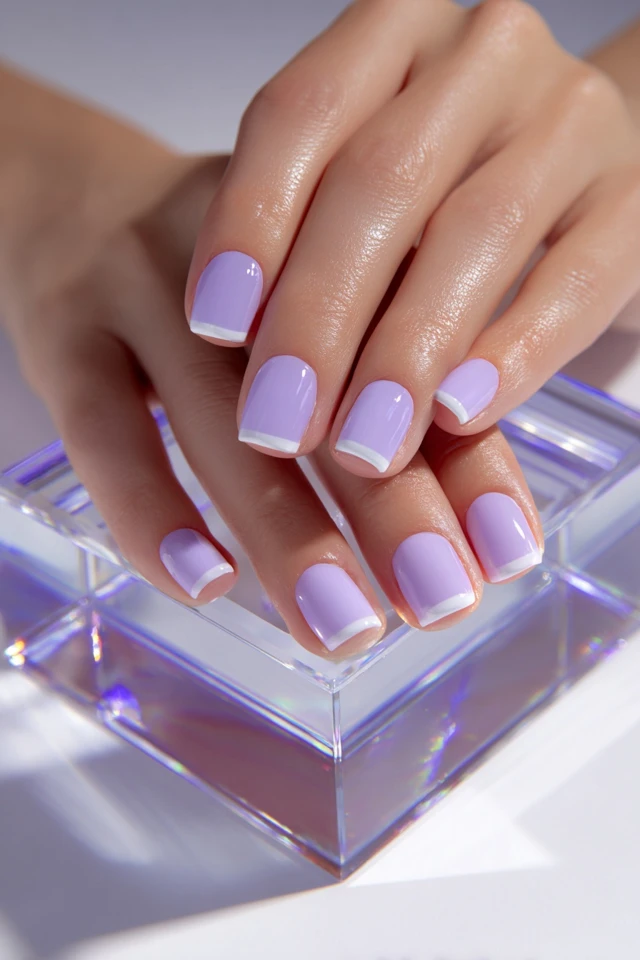
Refined Modern Square Silhouette Nails
- Words by
- Julio Arco
- Published
- Reading
- 4 min
Round nails follow the curve of your fingertip. Squoval nails (a square shape with softened corners) keep a flat free edge but round off the sharp angles. If you want a soft, easy shape, pick round. If you like the clean line of a square nail without the snagging corners, pick squoval.
Both work on short nails, both are simple to maintain, and both suit most hands. The details below help you decide.
What are squoval nails?
Squoval is a blend of square and oval. The sides run fairly straight, the tip is flat or very gently curved, and the corners are rounded instead of sharp. You get the tidy, structured look of a square nail with a much lower chance of catching on knitwear or hair.
That is why the shape shows up so often on short, everyday manicures. It looks polished without looking fussy.
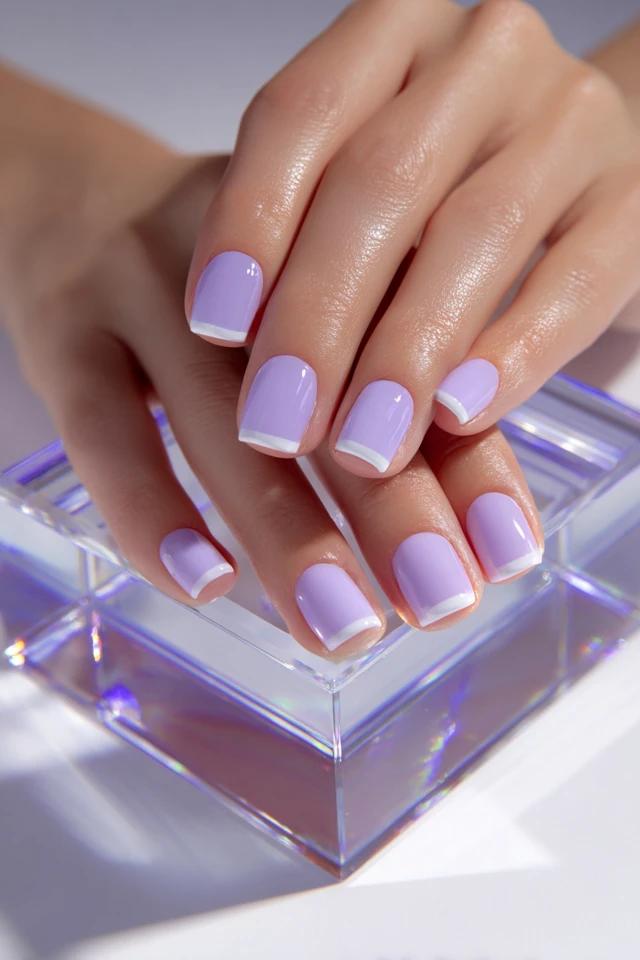
Round and squoval nails vs square: what changes?
The difference is mostly in the corners and the tip.
| Shape | Tip | Corners | Reads as |
|---|---|---|---|
| Round | Curved, follows the fingertip | None | Soft, natural |
| Squoval | Flat or slightly curved | Rounded | Tidy, structured but gentle |
| Square | Flat | Sharp 90-degree angles | Graphic, bold |
A true square has two corners that stick out and are the first part to chip or snag. If you love that crisp look, see angular square nails. If you want something a bit softer, squoval is the compromise.
Which nail shape suits my hands?
Look at your fingers and nail beds, then choose the shape that works with them.
- Short fingers: a round or a slightly longer squoval nail makes the finger look longer, because the eye follows the curve up.
- Long, slim fingers: nearly any shape works. Squoval adds a little structure.
- Wide nail beds: keep the sides straight and the corners soft. A squoval slightly narrower at the tip balances the width.
- Broad or fuller fingers: a gentle curve at the tip, such as round or a soft squoval, usually looks more flattering than a hard square edge.
Through the lens of evidence-based design, I'd treat the nail as a small frame. Straight lines read as firm and orderly, curves read as relaxed, and a softened corner sits between the two.
What is the best nail shape for short nails?
Round is the most forgiving on very short nails, since there is little free edge to shape. Squoval short nails also work well if you keep the sides straight and only soften the corners. Avoid filing the sides deeply inward, which makes a short nail look narrower and shorter.
Are squoval nails good for fragile nails?
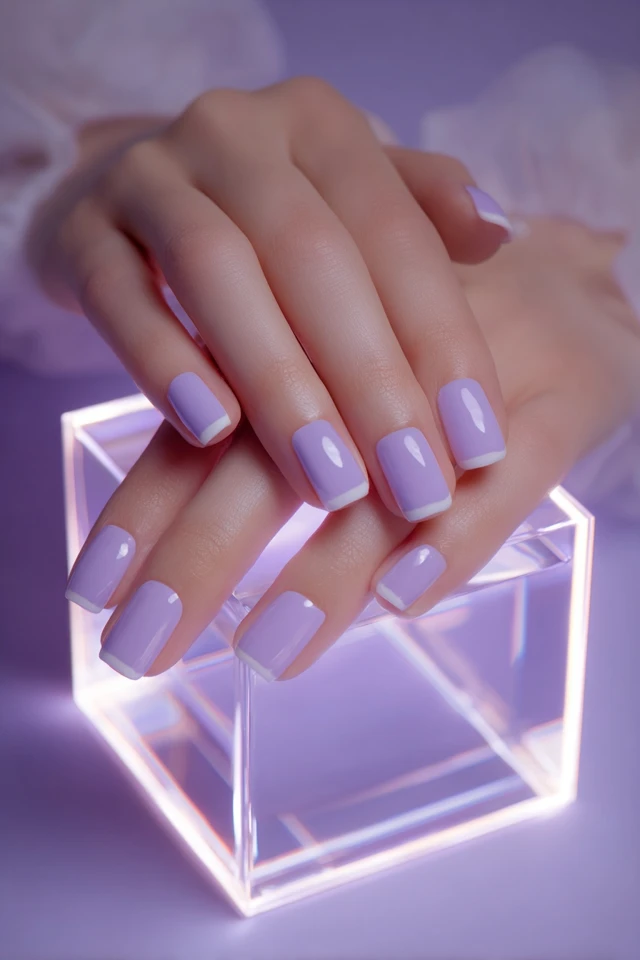
Often, yes. Rounded corners have no sharp points to catch and tear, so squoval nails for fragile nails tend to survive a normal week better than a sharp square. Keep them short to moderate in length too, since a long free edge bends and splits more easily.
Be careful with coverings. According to the American Academy of Dermatology, the natural nail must be filed until it feels rough for acrylics to stick, which thins your nails and makes them weaker. If your nails are already fragile, a plain polish on a short squoval or round shape is the gentler route. For persistent splitting or pain, check with a dermatologist.
How to shape round and squoval nails at home
- Trim to your desired length first, leaving a little more than you want to end up with.
- Use a fine-grit file and move in one direction, from the side toward the center, rather than sawing back and forth.
- For squoval, file the tip flat, then gently round each corner until the edge looks like a softened rectangle.
- For round, follow the shape of your fingertip from both sides until the tip is a smooth curve.
- Check from above and from the front so both sides match.
Touch up the shape every week or so. A dull file edge is easy to fix and keeps either shape looking deliberate.
Polish colors and simple nail art for each shape
Texture changes how a color reads, so a glossy and a matte version of the same shade will not look alike. On round nails, sheer pinks, milky neutrals and soft reds look natural. On squoval nails, the flat tip carries a bit more color, so deeper shades such as navy, terracotta or sage look sharp.
For round and squoval nails, simple designs usually look best:
- A thin French tip in a neutral shade.
- A single accent nail with a fine metallic stripe.
- A matte dusty rose with one glossy nail.
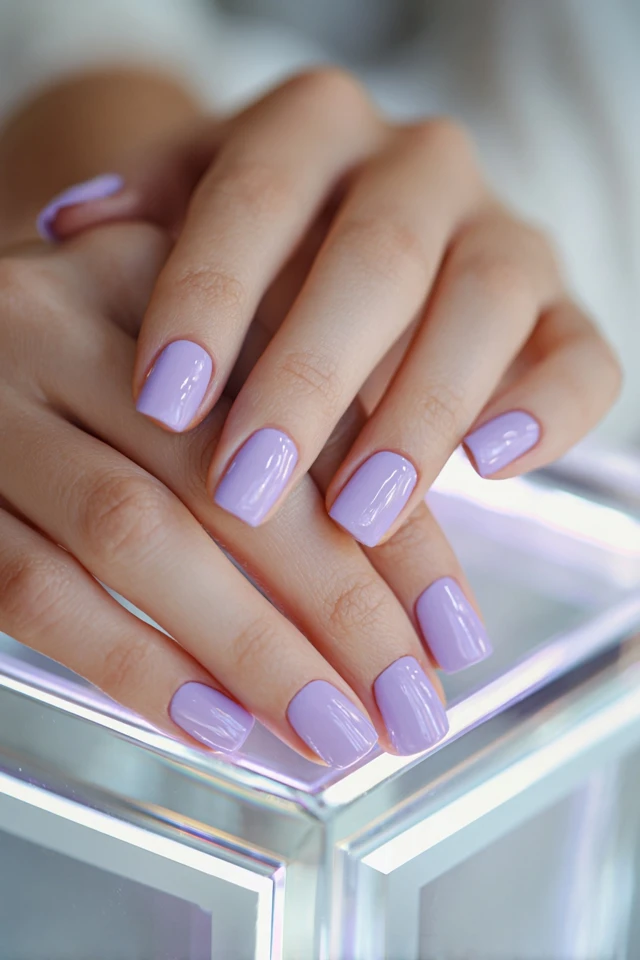
If you like a longer, bolder shape later, look at long coffin nails or slanted nails for a change.
Removing color without hurting your shape
If you wear gel, remove it carefully. The American Academy of Dermatology says acetone is the most effective way to remove gel polish at home. Rushing the job can leave cracking and peeling, as the Cleveland Clinic notes. For a heavier option, read about dip powder nails before you commit.
Frequently asked questions
Should I get round or squoval nails?
Choose round for a soft, natural look, especially on very short nails. Choose squoval if you like a flatter tip and a more structured finish but want to avoid sharp corners.
What is the classiest nail shape?
Classic opinions differ, but short squoval and soft round nails in a neutral or sheer color are the shapes most often seen as polished and understated.
What nail shape is the most attractive?
It depends on your hands. A shape that follows your nail bed and lengthens the finger, usually round or squoval, tends to look the most flattering.
Do squoval nails suit wide nail beds?
Yes. Keep the sides straight and soften the corners, and file the tip a touch narrower so the nail looks balanced.
Filed under Nail Design