Breathable Fabrics for Humid Weather: Latte Outfits
- Words by
- Julio Arco
- Published
- Reading
- 4 min
For hot, humid weekends, choose lightweight linen or cotton, or a quick-dry synthetic if you sweat a lot, and keep the cut loose. Latte, cream and sand shades are an easy way to stay in a calm palette while you do it.
Heavy, stiff canvas is the one piece in a latte weekend wardrobe that can fight you in the heat. Below is what to wear instead, what to avoid, and how to keep the creamy neutral look.
What is the best fabric for hot and humid weather?
The best fabric for hot and humid weather is one that lets air through, soaks up sweat and dries fast. The City of Philadelphia's Board of Health notes that lightweight fabrics like cotton and linen are breathable, absorb sweat and dry quickly.
Look for an open or loose weave you can almost see light through. Weight matters as much as fiber: a thin cotton shirt breathes far better than a thick one in the same cotton.
Linen vs cotton for humid weather
Both work, but they behave differently once you start sweating. According to Georgia Tech's News Center, cotton's moisture vapor transmission rate is lower than linen's, meaning it doesn't dry as quickly.
In practice, linen is the better pick for the muggiest days, and it has a crisp, slightly textured look that suits latte and sand tones. Cotton is softer and wrinkles less, so it suits a shirt, tee or voile layer when you want a smoother surface.
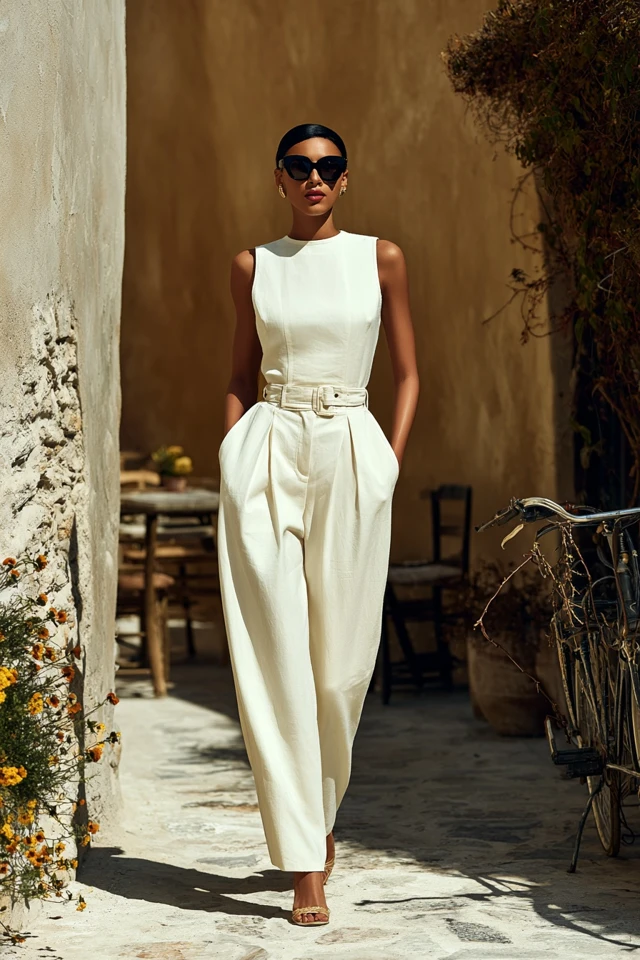
A cotton and linen blend is a fair compromise if you want the texture without the creasing.
Are quick-dry synthetics worth wearing?
Texas A&M AgriLife Extension's Howdy Health recommends quick-drying, sweat-wicking fabrics such as polyester, polypropylene, nylon or nylon blends for hot weather. They suit walks, hikes and any weekend plan where you will be moving a lot.
The trade-off is feel. Some synthetics look shiny or cling, which changes how a neutral color reads. Matte finishes and a looser cut keep a latte tone looking soft.
What is the best fabric for excessive sweating?
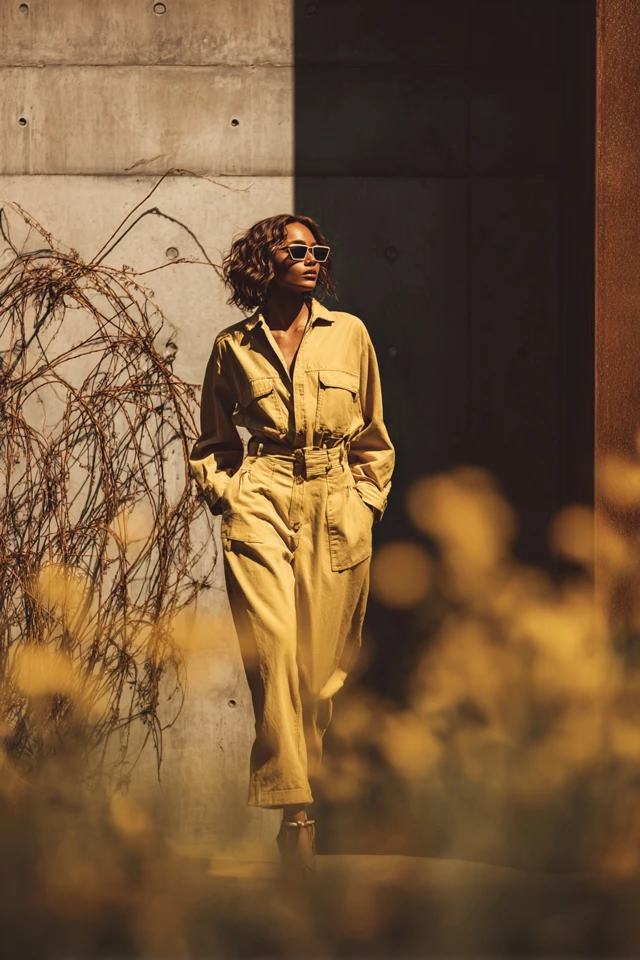
For the best fabric for excessive sweating, pick between two routes. Thin linen absorbs and dries quickly, while a wicking synthetic pulls moisture off the skin. A loose cut matters with both, because cloth that sticks to you cannot dry.
Darker or patterned pieces hide damp patches better than pale ones, so if that worry shapes your choices, put the light latte on bottoms and keep the top a mid-tone. For persistent or heavy sweating, check with a doctor.
What are the worst fabrics for hot humid weather?
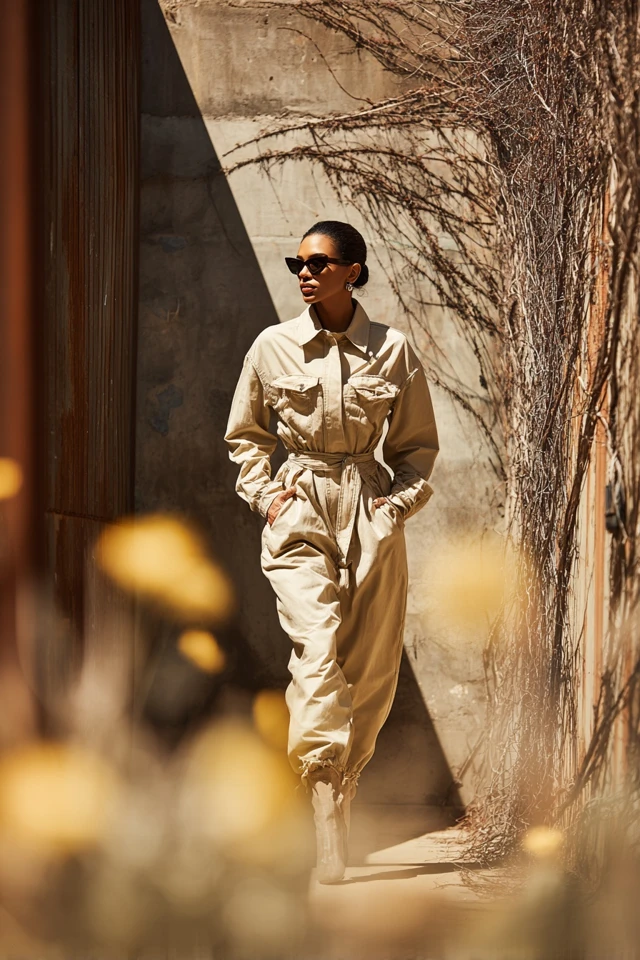
The worst fabrics for hot humid weather are the dense, stiff or slick ones. These are the usual culprits:
- Heavy canvas and denim, which are thick and slow to dry.
- Taffeta and other glossy, tightly woven fabrics, which trap heat and show every crease.
- Thick knits, fleece and anything lined.
- Non-wicking, tightly woven polyester, which can feel clammy.
If you love the structure of canvas, look for a lightweight version and wear it as an open layer rather than against your skin. Through the lens of evidence-based design, I'd also avoid slick, clingy surfaces in humidity, because the way fabric sticks to skin is a big part of how hot you feel.
How to build a cool latte weekend outfit
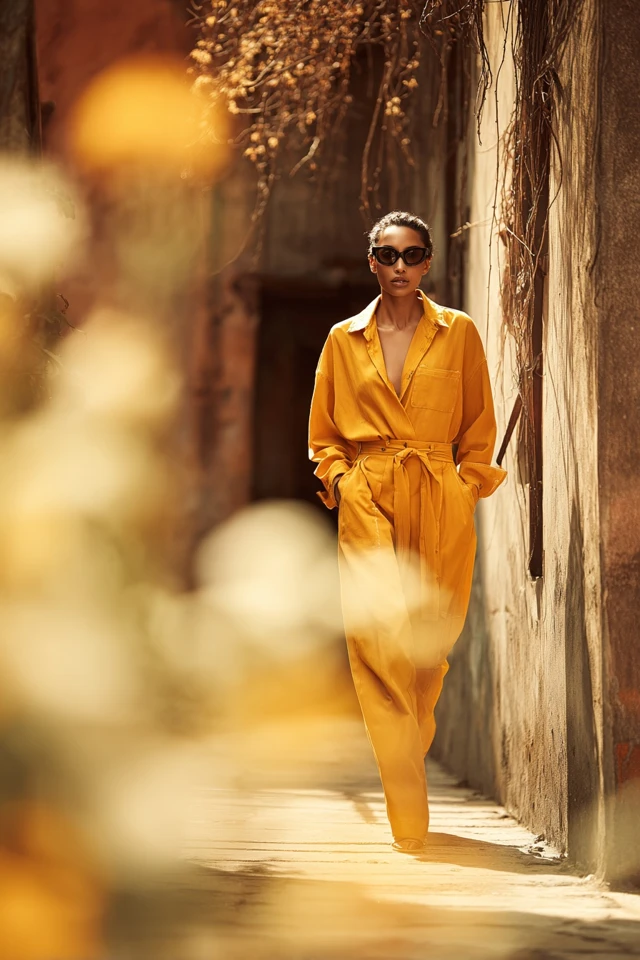
You can keep the warm, creamy palette and still dress for the weather. The fabric changes, not the color story.
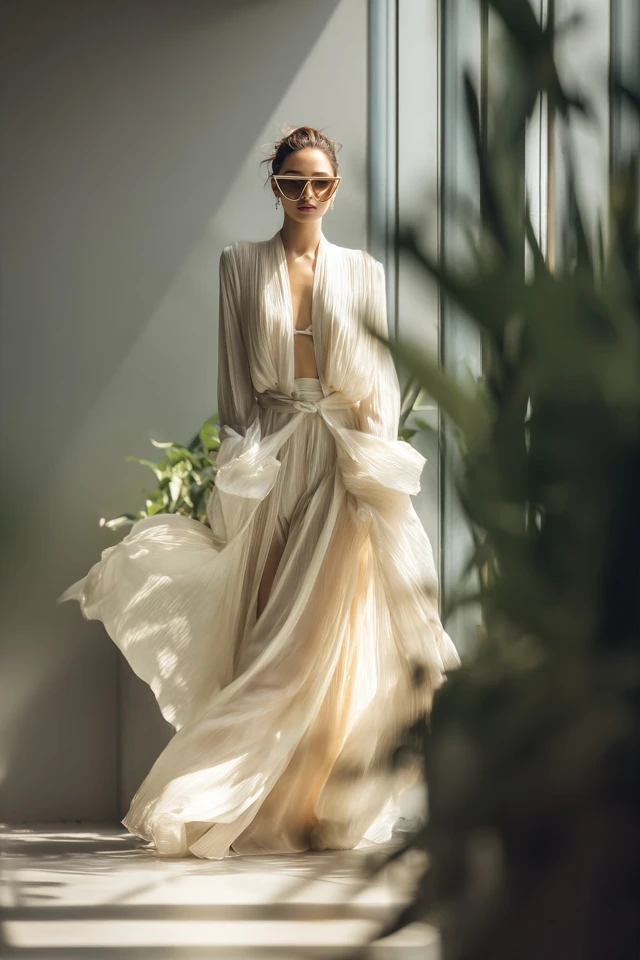
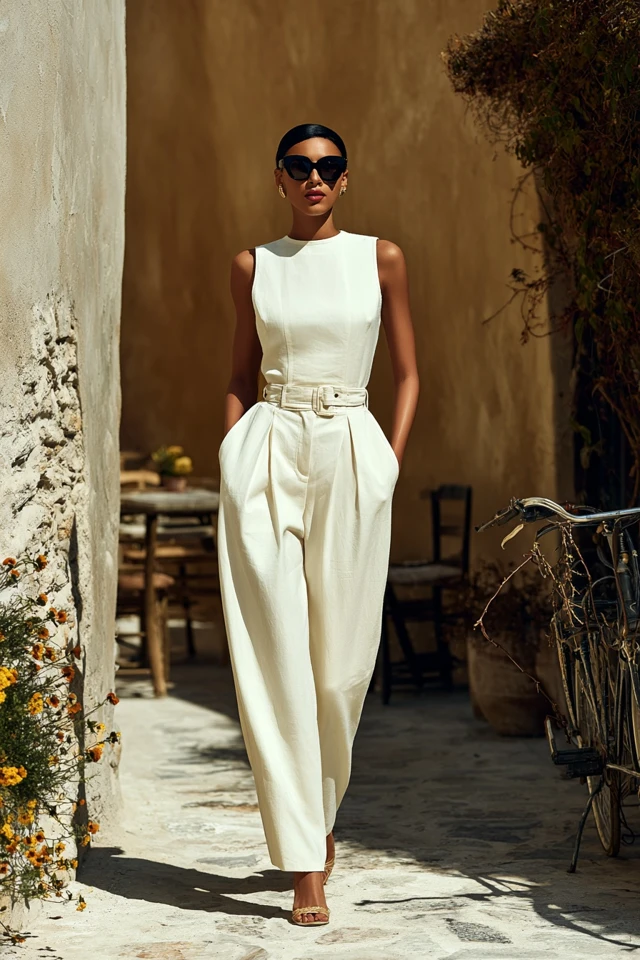
- Start with a linen or thin cotton shirt in cream or sand, worn open or untucked.
- Add wide-leg trousers or a loose midi skirt in a lightweight weave.
- Choose open shoes: slides, sandals or espadrilles.
- Finish with a light canvas-look bucket hat or a woven bag for texture.
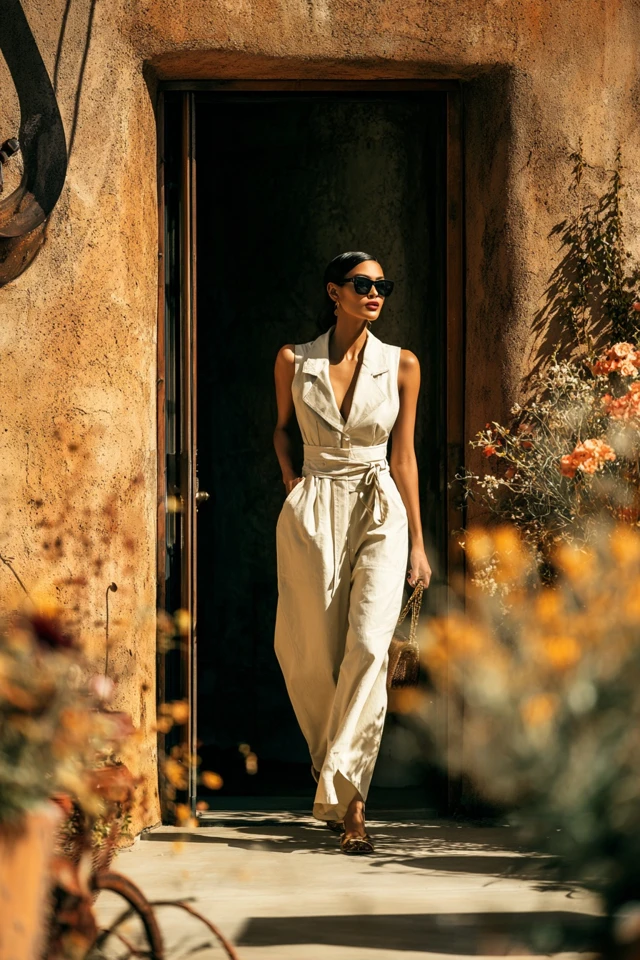
Tonal dressing works especially well here. Ivory, bone, sand and camel sit close together, so the outfit looks put together even if you grabbed the pieces quickly. For more ways to work a single palette, see these monochrome weekend outfits.
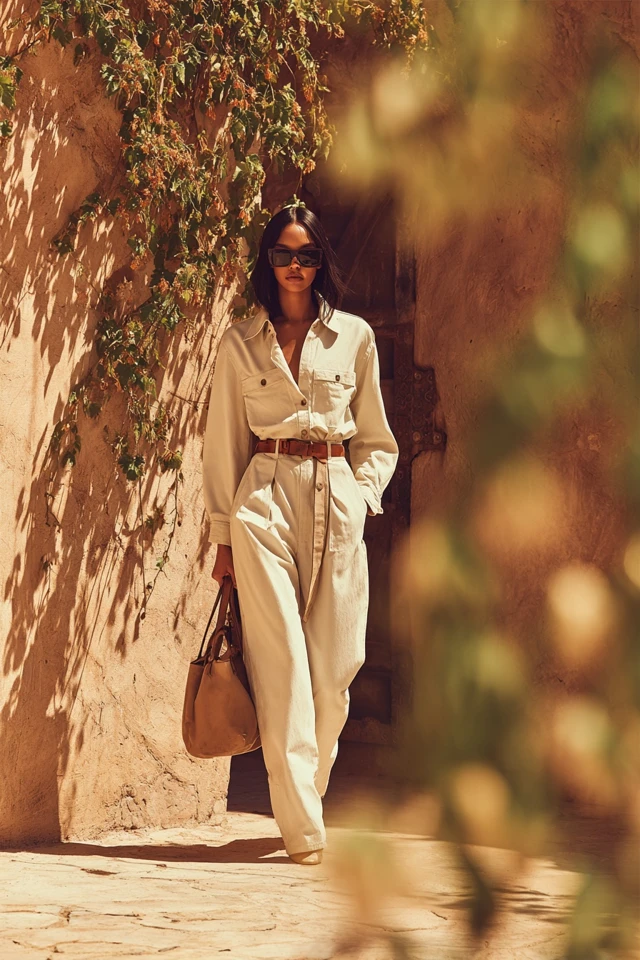
Loose fits and layering tips
Fit is half the battle. Air needs room to move between fabric and skin, so go for wide legs, boxy shirts and A-line shapes over anything close-cut.
As an architect trained in evidence-based design, I'd pick a lightly textured weave over a flat, smooth one in heat. The texture lifts the fabric slightly off your skin, and it keeps a cream color from looking blank.
If you want a structured piece, make it the outer layer: a lightweight shirt-jacket you can carry when the temperature climbs. Stiff, glossy pieces like those in these taffeta weekend outfits are better saved for cooler or air-conditioned plans.
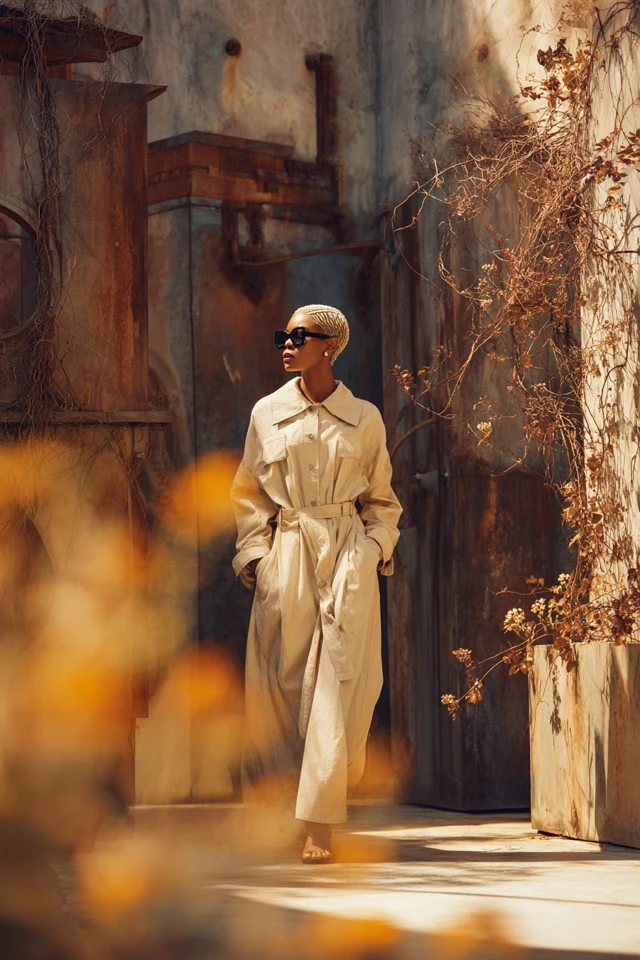
Choose fabrics that keep you cool in summer first, then pick the color. A latte linen shirt will always feel better in July than a heavy canvas jacket in the same shade.
Frequently asked questions
What is the best fabric to wear in humid weather?
Lightweight linen is a strong choice because it breathes and dries quickly. Thin cotton and quick-dry synthetics also work, depending on how much you will move.
What fabric is best for staying cool in the summer?
Loosely woven linen and light cotton are the usual picks for everyday wear. Add a quick-dry synthetic for hikes or long walks.
Is cotton good for humid weather?
Thin cotton is comfortable and soft, but it dries more slowly than linen. It suits easy days when you will not be sweating heavily.
Filed under Outfit Ideas