Luminous Fig Voile Office Essentials
- Words by
- Julio Arco
- Published
- Reading
- 4 min
For humid weather, pick lightweight natural fibers such as linen and cotton, or quick-drying synthetics such as polyester and nylon, in a loose cut. The City of Philadelphia's Board of Health notes that lightweight fabrics like cotton and linen are breathable, absorb sweat and dry quickly.
Voile, a sheer, airy cotton or cotton-blend weave, is a good office option for the same reason. Below is how the main fabrics compare, what to avoid, and how to build a work outfit around them, using a deep fig voile blouse as the example.
What is the best fabric for hot and humid weather?
There is no single winner. The best fabric for hot and humid weather is one that lets air through, takes up sweat and dries without clinging. Weave matters as much as fiber: an open, light weave breathes better than a dense one in the same material.
For office dressing, that usually means linen, a light cotton, or a voile. If your commute or day is more active, a quick-dry synthetic layer makes sense.
Linen vs cotton for humid weather
Both are breathable, but they dry differently. According to Georgia Tech's News Center, cotton's moisture vapor transmission rate is lower than linen's, meaning it doesn't dry as quickly.
In practice, linen is the better pick on the stickiest days, though it wrinkles easily. A light cotton voile feels softer against the skin and drapes more, so it suits blouses and shirt dresses where you want a fluid look. If wrinkles bother you, choose a linen-cotton blend.

Are synthetics good for excessive sweating?
They can be, with a caveat. Texas A&M AgriLife Extension's Howdy Health recommends quick-drying, sweat-wicking fabrics such as polyester, polypropylene, nylon or nylon blends. That makes them the best fabric for excessive sweating when you are walking, commuting or in a hot building.
For a full day at a desk, a thin wicking tee under an unlined voile blouse gives you both: the synthetic pulls moisture away, the voile keeps the outer layer airy. If sweating is heavy or new for you, check with a doctor.
What are the worst fabrics for hot humid weather?
Dense, non-breathable weaves trap heat. The usual offenders are heavy polyester crepe, satin-finish synthetics without a wicking treatment, thick knits, denim and anything lined with a tight acetate or polyester lining.
Cotton deserves a nuance. It is fine for casual wear in heat, but Howdy Health advises avoiding it in exercise layers because it absorbs moisture and can keep it next to your skin. For intense workouts, switch to a wicking fabric.
Why voile works at the office
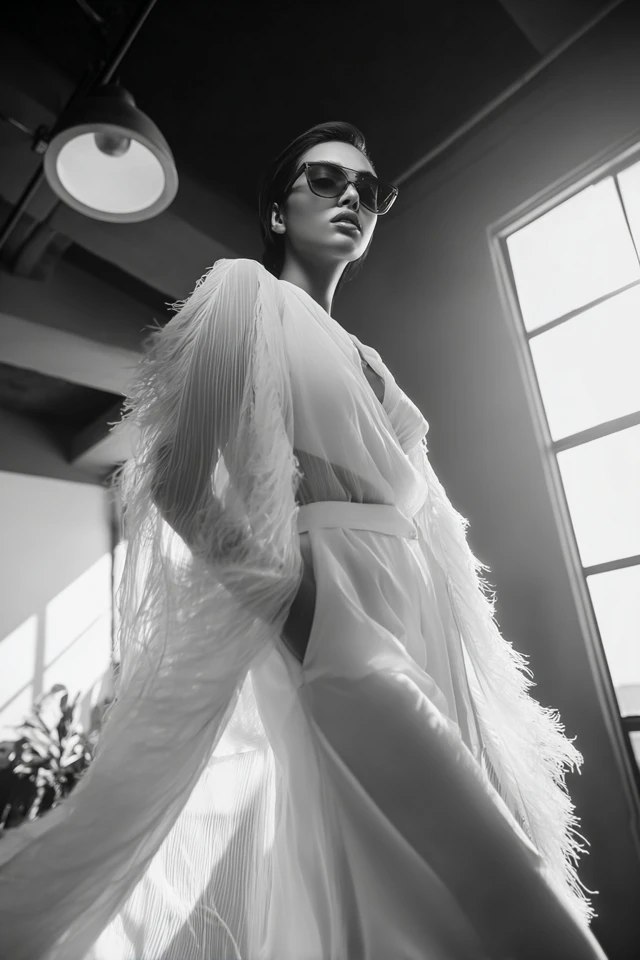
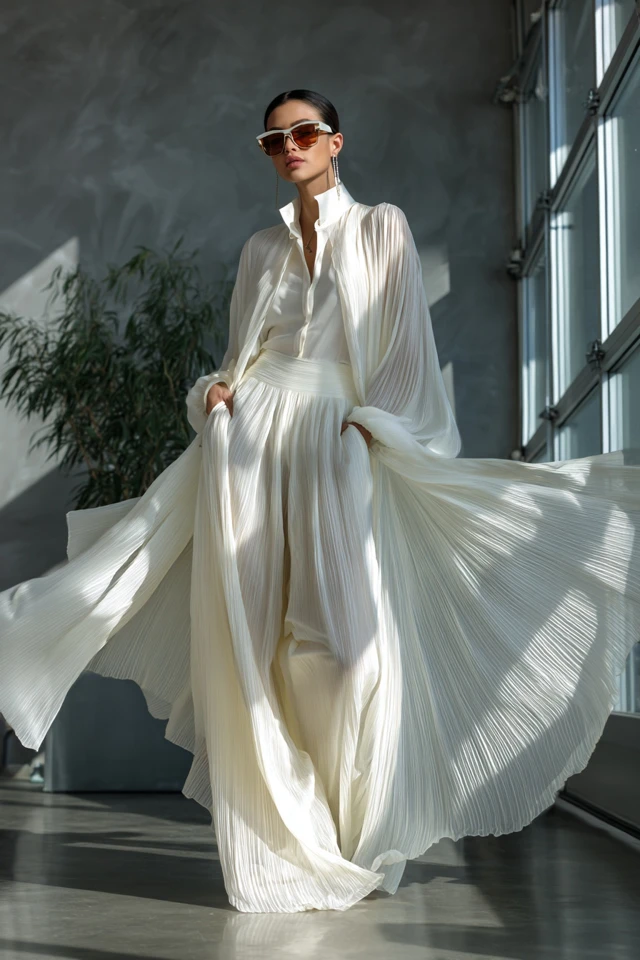
Voile is light, slightly translucent and drapes without clinging, so air moves between fabric and skin. It is dressy enough for a meeting and comfortable on a crowded train.
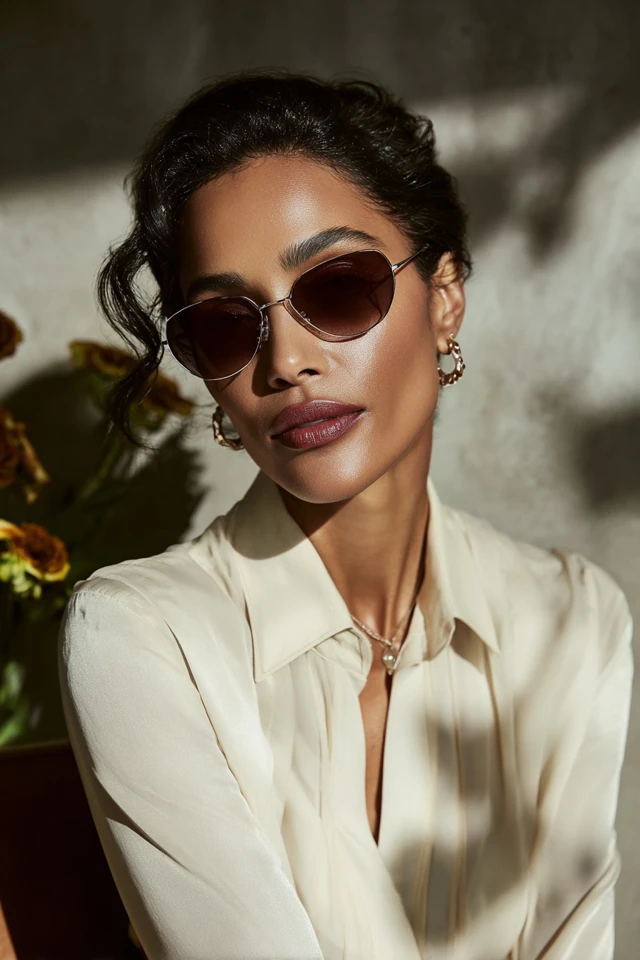
Through the lens of evidence-based design, I'd also look at color here. A deep plum or fig shade on a semi-sheer fabric reads softer than the same color on a stiff weave, because the light passes through the thin cloth and lifts the tone. That keeps a rich color from feeling heavy in summer.

How to wear voile in humid weather
- Layer it over a fitted camisole or shell in a matching or skin-near tone, so the blouse stays sheer but professional.
- Choose a relaxed fit: a button-up blouse, a shirt dress with a tie waist, or wide-leg trousers.
- Pair a fig top with ivory, taupe or slate bottoms to keep the overall look light.
- Go for lined versions or a longline cut if sheerness is a concern at work.

A voile blouse tucked into ivory culottes, with a light trench on top for air-conditioned offices, is an easy formula. For more ideas in the same fabric, see these voile office essentials or the almond voile style guide.

Fits and details that keep you cooler
Fabric is half the answer. A loose cut that skims rather than clings lets sweat evaporate. Look for open necklines, three-quarter or elbow sleeves, and a hem with some swing.
Light colors reflect more heat, but a mid-tone like fig still works in thin fabric. Avoid stiff interfacing and thick waistbands, which trap warmth. If you want a structured look without the heat, try a voile wardrobe edit built on tailored separates.

Care for light fabrics
Wash voile on a gentle cycle in cold water, air dry or use low heat, and steam instead of ironing to protect the texture. Check the care label first, since blends vary.

Frequently asked questions
What is the best fabric to wear in humid weather?
Lightweight linen and cotton are the usual picks, since they breathe, absorb sweat and dry fairly quickly. Linen dries faster than cotton, so it tends to feel better on the muggiest days.
What is the best fabric for excessive sweating?
Quick-drying, sweat-wicking fabrics such as polyester or nylon blends move moisture away from the skin. Pair a thin wicking layer with a loose natural-fiber top, and check with a doctor if the sweating worries you.
What fabric is best for staying cool in the summer?
Open, lightweight weaves in linen, cotton or voile keep air moving around you. A loose cut helps as much as the fiber itself.
What are the worst fabrics for hot, humid weather?
Heavy, tightly woven or non-wicking fabrics such as thick polyester crepe, dense knits and denim trap heat and moisture. Tight linings add to the problem.
Filed under Outfit Ideas