Olive and Blush Dresses: How to Style the Pairing
- Words by
- Julio Arco
- Published
- Reading
- 4 min
Olive and blush work well together because one color is muted and earthy and the other is light and soft. The simplest way to wear them: pick one as the dress and use the other for a belt, shoes, bag or layer.
Keep roughly two thirds of the outfit in the main color and one third in the accent. That ratio keeps the pairing looking intentional instead of busy.
Why do olive and blush go together?
Olive is a green with a yellow-brown cast, so it reads as a warm, quiet neutral. Blush is a pale pink that reads as soft and slightly cool next to it. The contrast is gentle, which is why neither color overpowers the other.
Through the lens of evidence-based design, I'd also look at how the two behave side by side. Olive is darker and flatter, so it anchors the eye. Blush is lighter, so it draws attention to wherever you place it: the waist, the shoulders, the feet. Put it where you want the eye to land.
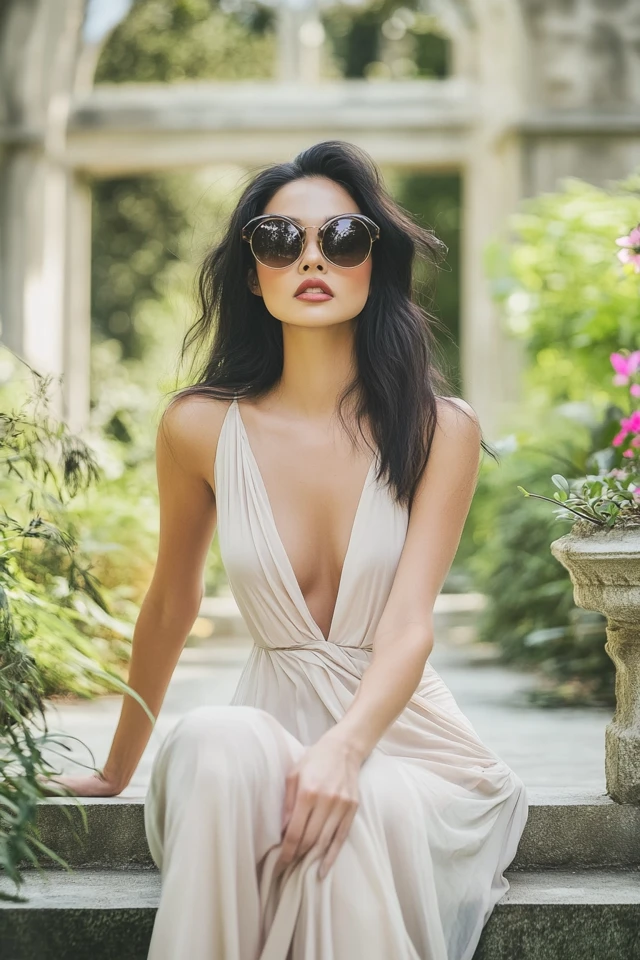
How to wear an olive dress with blush accents
An olive dress is a solid base, and blush adds a soft lift. These silhouettes take the pairing well:
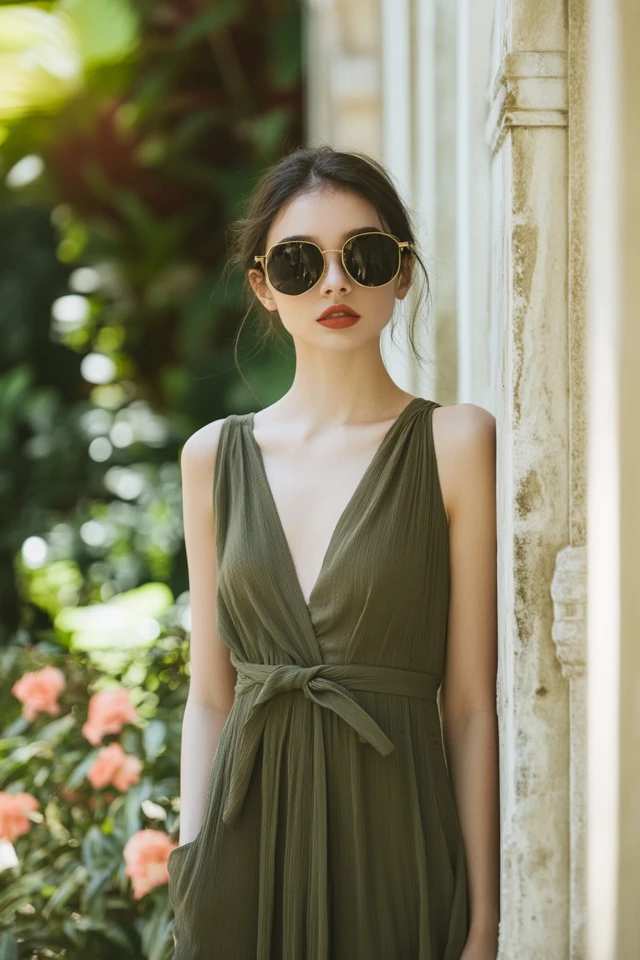
- A wrap dress, with a blush belt or blush block heels.
- A shirt dress, which looks polished and relaxed at once and suits a blush bag or sandals.
- A lightweight maxi, with a blush shawl and nude sandals.
- A knit dress, with a blush scarf or boots for colder months.
For an evening look, try an olive wrap dress with blush heels, a matching clutch and gold earrings. For a garden party or brunch, a flowing olive maxi with a blush shawl and pearls is easy and calm.
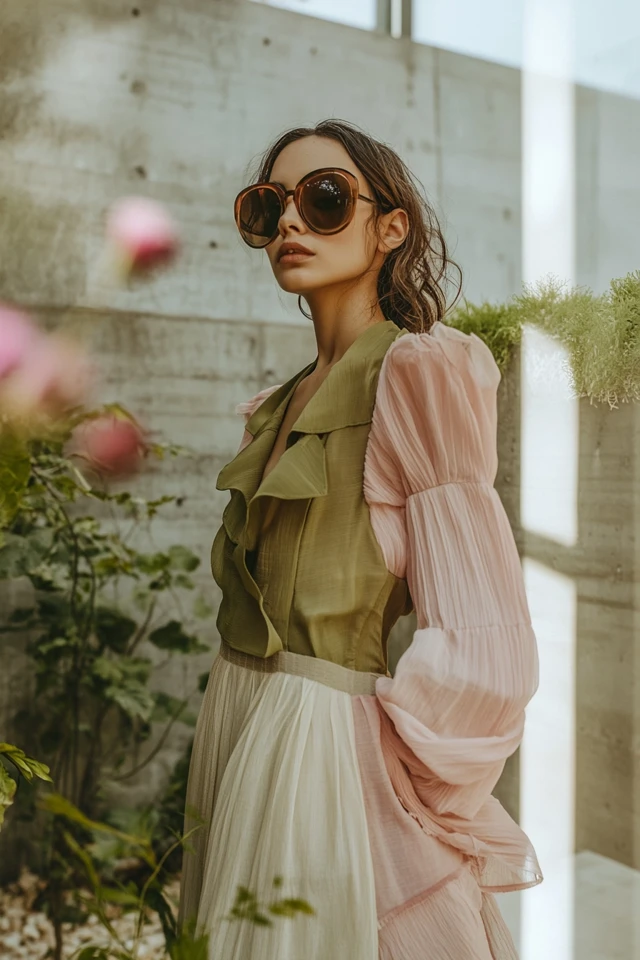
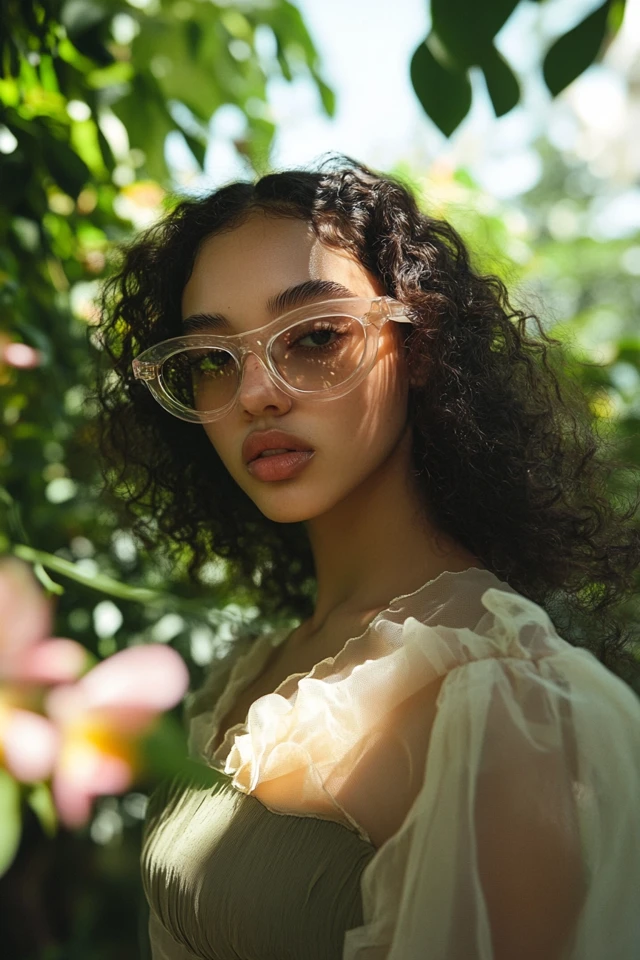
How to wear a blush dress with olive accents
Flip the formula and the mood turns sweeter, with olive keeping it from getting too sugary. An olive blazer or cardigan over a blush dress adds structure. Olive suede boots or sandals ground the softness, and a slim olive belt defines the waist.
- A blush A-line or pleated midi with an olive blazer, nude heels and a structured bag suits the office.
- A blush slip dress under an olive cardigan, with tan ankle boots, works for a cooler evening.
If the blush is very pale, a darker olive gives the strongest contrast. A lighter, sage-leaning olive makes a softer, more blended result.
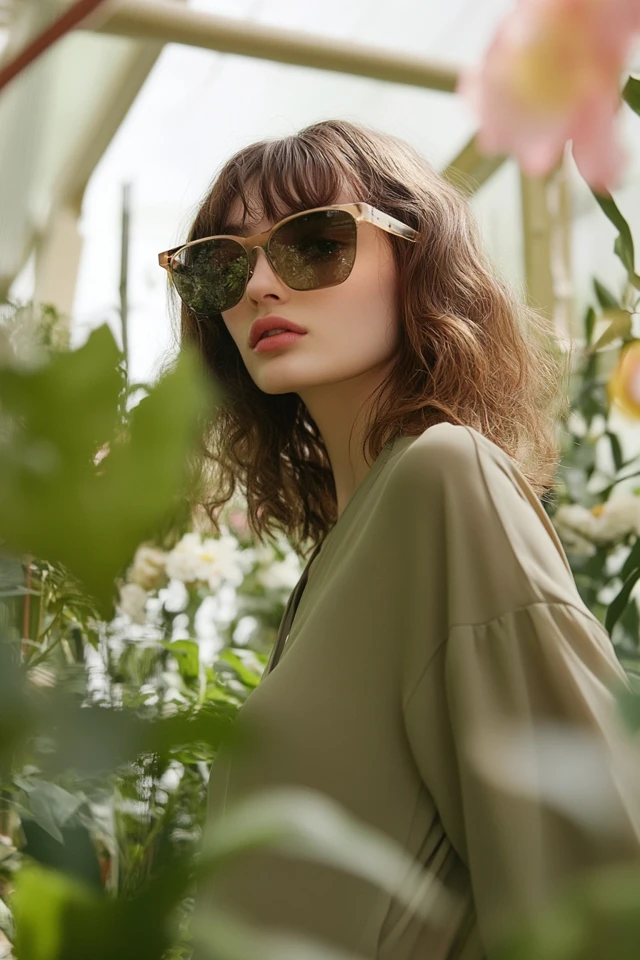
What about dresses that already combine both colors?
Printed and color-blocked dresses do the matching for you. Florals that mix olive leaves with blush petals feel soft and suit spring and summer events. Color-blocked panels look more modern, and abstract prints sit somewhere in between. An ombre that fades from olive to blush is the dreamiest option.
With a two-tone dress, keep everything else quiet: neutral heels, minimal jewelry, and a bag in a plain tone. Pull the shoe or bag color from one of the two shades in the print.
Which fabrics suit each season?
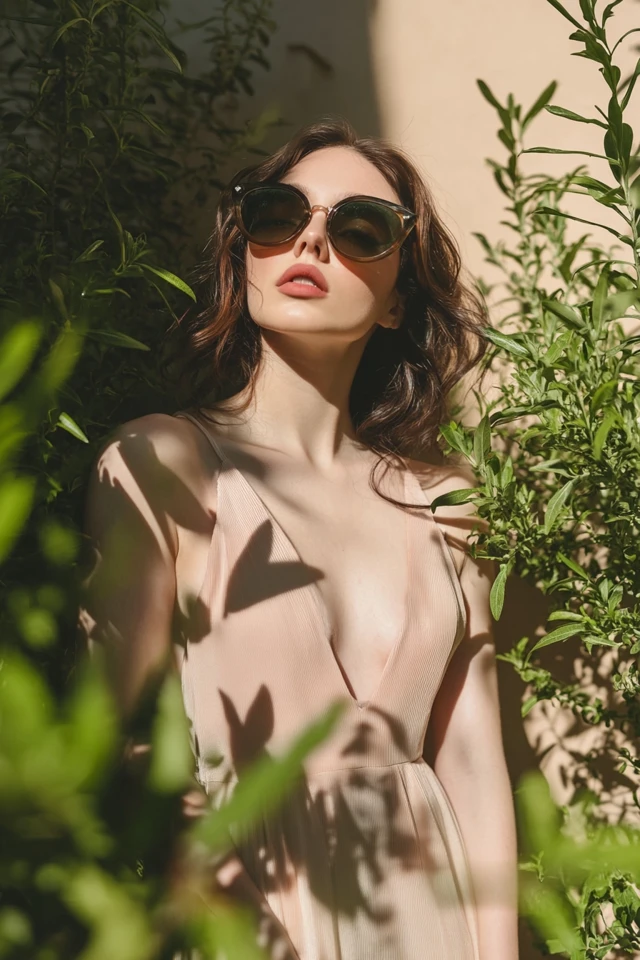
Texture changes how a color reads. A matte linen olive looks drier and more casual than the same olive in satin, which catches light and looks dressier. Blush in a soft knit looks cozier than blush in chiffon, which looks airy.
- Spring and summer: chiffon, linen or cotton. Try an olive sundress with blush sandals and a straw hat.
- Fall and winter: knits, wool or suede. Try a blush sweater dress under an olive trench with knee-high boots.
Mixing a smooth fabric with a textured one, such as a silky dress with a suede bag, adds depth without adding another color.
Which accessories work best?
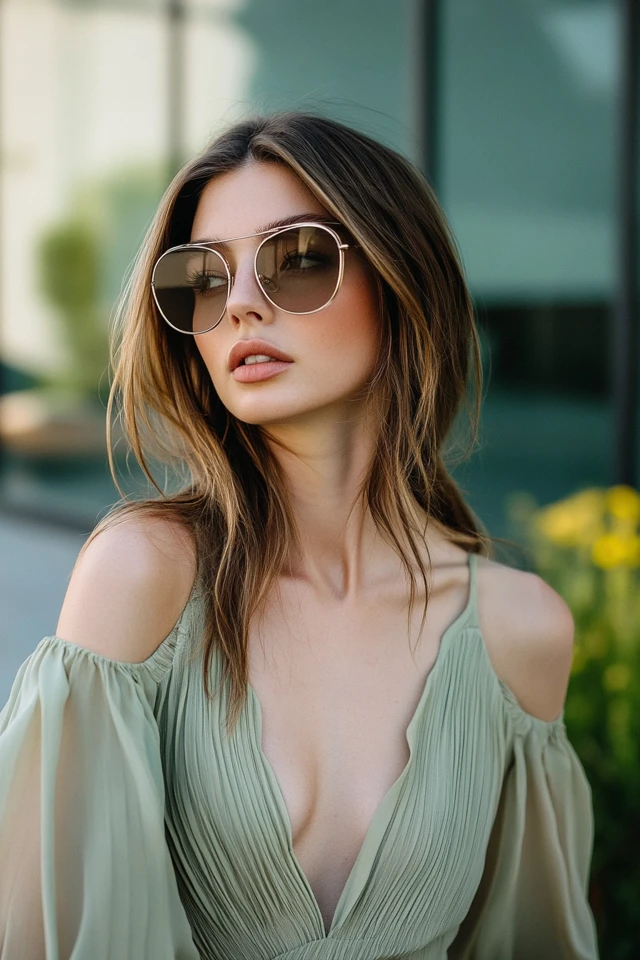
Nude or beige heels are the easiest bridge between the two colors. Blush shoes add romance, and olive ankle boots or strappy sandals keep the look grounded.
For bags, a crossbody in either color is practical, and a neutral tote suits both dress colors. Blush clutches or olive envelope bags are good for formal events. For jewelry, rose gold sits well with blush, and yellow gold warms up olive. Pearls work with both.
Keep accessories simple. The two colors are muted, so a lot of extra detail competes with them.
Outfit formulas to copy
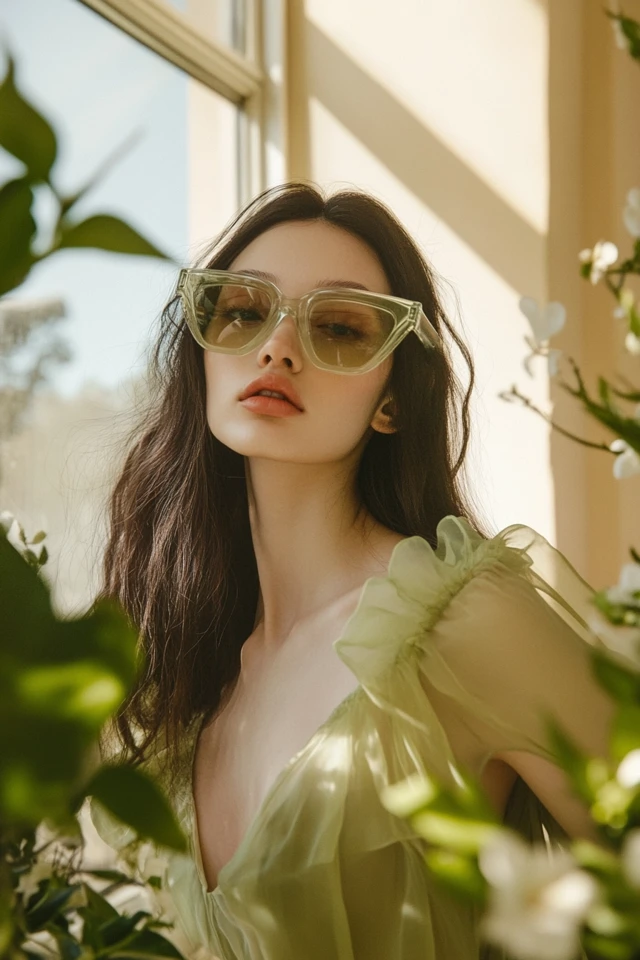
- Wedding guest: blush pleated midi, olive shawl, nude heels, rose gold earrings.
- Casual brunch: olive shirt dress, blush sandals, woven tote, pearl studs.
- Fall office: blush sweater dress, olive trench, tan ankle boots, structured olive bag.
- Evening: olive wrap dress, blush heels, matching clutch, gold jewelry.
If you like this kind of soft pairing, the same logic applies to mint and blush, peach and light grey and camel and dusty lavender. If you are building a wardrobe around a few colors, these dresses fit well into a capsule wardrobe, and the capsule basics for special occasions show how to dress them up.
Do olive and blush suit every skin tone?
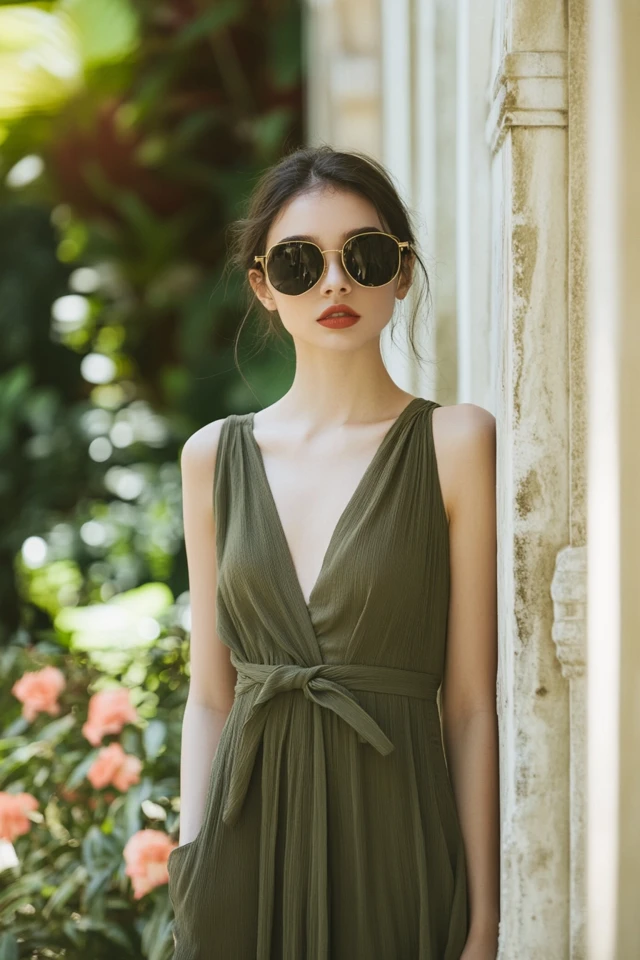
Not automatically, and that is fine. Color next to the face reads differently on different complexions. If a dress feels off near your face, keep the shade you like best lower down, in a skirt, belt or shoes, and put a color you already love at the neckline, such as a scarf or earrings. Trying the dress in daylight in front of a mirror tells you more than any rule.
Frequently asked questions
Can I wear olive and blush year-round?
Yes. Switch the fabric with the season: linen and chiffon in warm months, knits, wool and suede in cold ones. The colors stay the same.
What other colors go with olive and blush?
Cream, taupe and beige keep the palette quiet, and gold or rose gold adds warmth. Dusty lavender also sits comfortably next to both.
How do I dress olive and blush up for a formal event?
Choose satin or chiffon, add heels and a small clutch, and keep jewelry to one metal. A sleek fabric makes the muted colors look more formal.
Can I wear a print that mixes olive and blush?
Yes. Florals, abstracts and color-blocked designs that use both shades work well. Match your shoes or bag to one color in the print.
Filed under Color Palettes