Fall Style Tips: Dress in Neutrals and Layer Well
- Words by
- Julio Arco
- Published
- Reading
- 4 min
The simplest fall style tip: build outfits around two or three neutrals (cream, camel, soft gray, chocolate brown), then add interest with texture and layers instead of more colors. Everything mixes, and most of it can come from clothes you already own.
Below: how to move summer pieces into fall, how to layer, how neutrals should fit, and which pairings are easy to repeat.
How to transition your summer wardrobe to fall
You don't need a new closet in September. Most summer pieces carry over with one change: add a layer on top or swap the fabric underneath.
- A slip dress or midi skirt works with a fitted knit or a turtleneck underneath, and boots instead of sandals.
- Linen trousers in sand or ecru look right in fall when paired with a brushed wool or cashmere-blend sweater.
- A white tee becomes a base layer under a cardigan, a blazer or an open shirt.
- Shorts can wait until next year, but a denim skirt with opaque tights and ankle boots is a fair bridge.
For a deeper look at the warm-weather side of this palette, see neutral summer staples.
What to wear between summer and fall
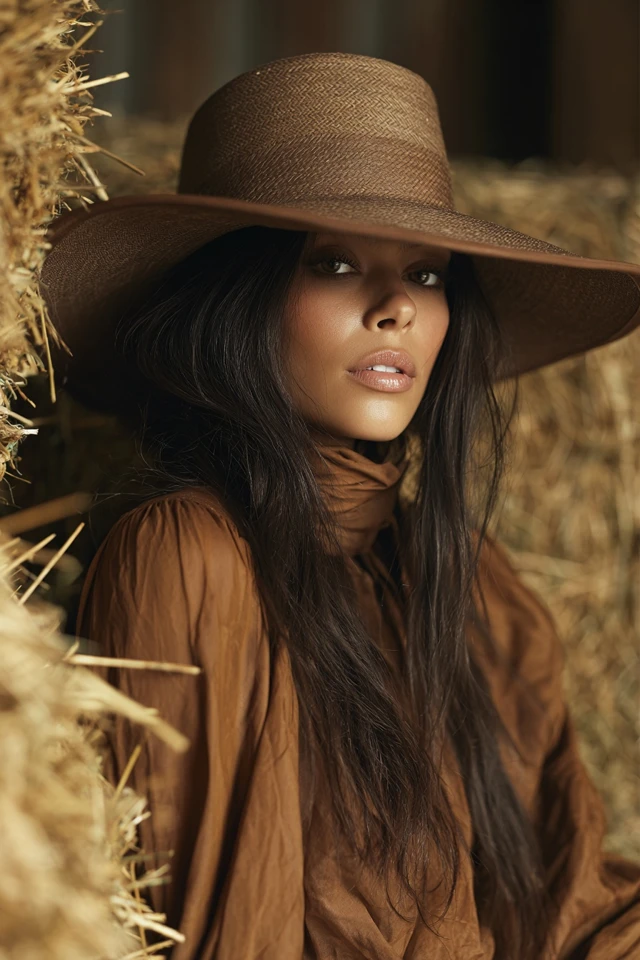
Early fall mornings are cool and afternoons are warm, so the goal is pieces you can remove. Start with a light base (tee, tank or thin knit), add a mid layer such as a cardigan or overshirt, and finish with something you can carry, like a trench or a light jacket.
Swap sandals for loafers or low ankle boots first. Closed shoes change the feel of an outfit faster than any other piece, and they keep summer dresses and skirts wearable.
How to layer outfits for fall
Layer in order of thickness: thin on the inside, heavier outward. A fitted base keeps bulk down, and each layer should be a little longer or looser than the one under it so the edges show.
- Base: tee, camisole or fine-gauge knit that sits close to the body.
- Middle: cardigan, button-up or a mid-weight sweater.
- Outer: blazer, trench, suede or leather jacket, or a wool coat.
Through the lens of evidence-based design, I'd vary texture before color when everything is neutral. A suede jacket over a cashmere sweater reads as two distinct surfaces even in close shades, because each one catches light differently. That keeps a one-family palette from looking flat.
Which neutral colors work in fall, and what to avoid?
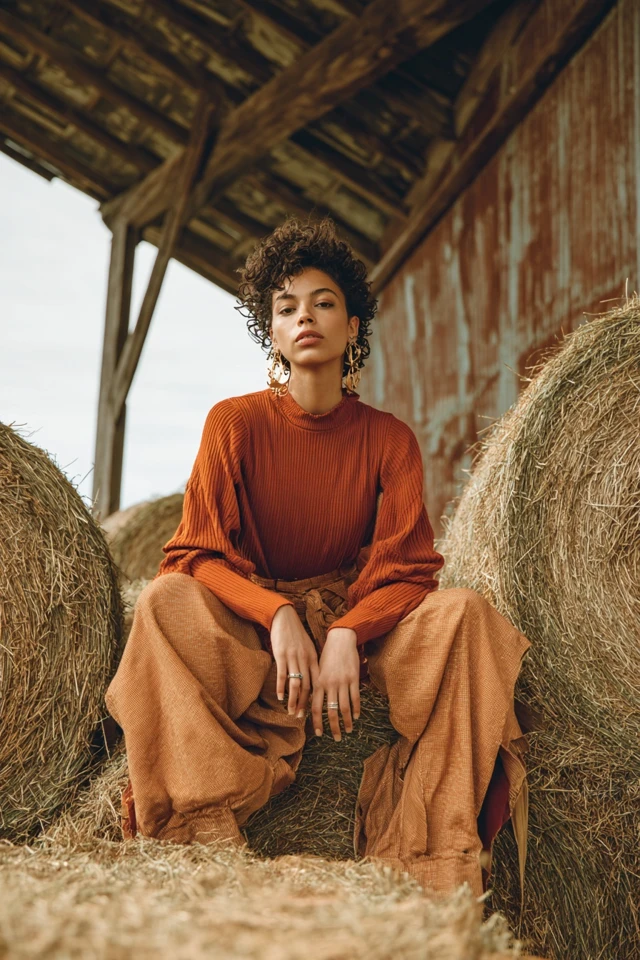
Warm neutrals suit the season: camel, oatmeal, mushroom, chestnut, charcoal and cream. Soft olive or dusty rose make good accents when you want a little color.
Avoid stark optic white head to toe against deep browns, which can feel harsh, and very pale neutrals in sheer fabrics once temperatures drop, since they look more summery. If a shade makes your face look tired, move it away from your neckline: wear it on trousers or a skirt and put a flattering tone near your face.
Choosing neutrals near your skin
Warmer undertones tend to like camel, honey and warm gray near the face. Cooler undertones often prefer slate, taupe and soft white. If you aren't sure, hold each color up in daylight and look at whether your skin looks even or shadowed. This is a personal call, not a rule.
Easy outfit formulas with neutrals
- Cream turtleneck, sand trench, chestnut wide-leg trousers, taupe ankle boots.
- Gray crewneck, camel coat, dark straight jeans, loafers.
- Oversized mushroom cardigan, white tee, high-waisted trousers, leather ankle boots.
- Brown midi skirt, fitted ivory knit, suede jacket, knee-high boots.
Monochrome layering, where you stack shades from one family, is the quickest way to look pulled together. Add a scarf or bag in a muted accent to finish. Casual looks follow the same logic; see fall street style and fall preppy for variations.
Fall outfits for women at the office
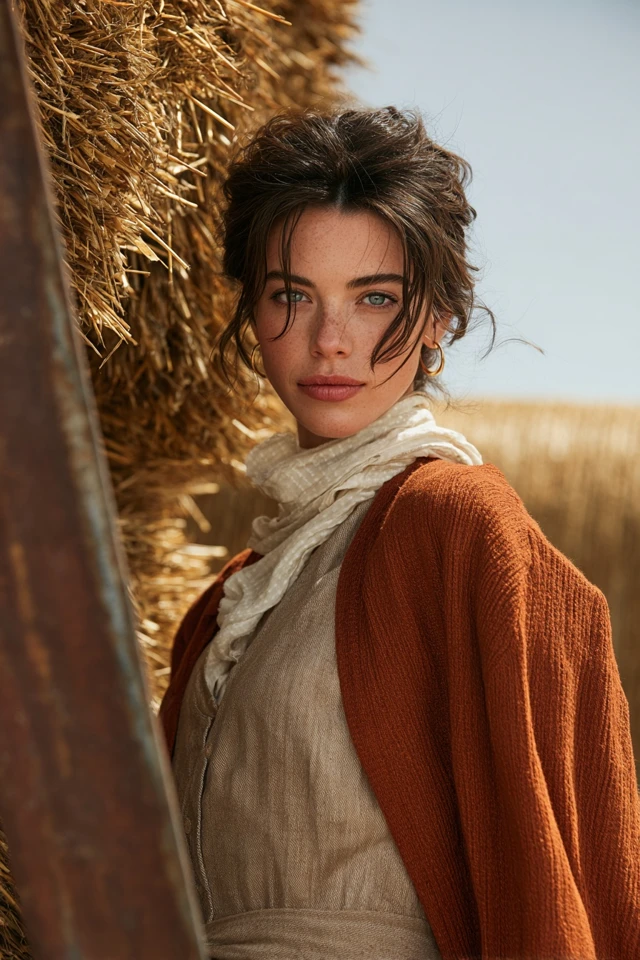
Neutrals are already the backbone of workwear. Try a gray or camel blazer over a cream knit with tapered trousers, or a midi skirt with a fine turtleneck and loafers. Keep jewelry simple, in brushed gold or matte silver.
For more polished ideas, fall chic has additional combinations.
How should neutral fall pieces fit?
A coat or jacket that pulls at the shoulders is a fit problem, not a you problem. Check the shoulder seam first: it should sit where your shoulder ends. Then check that you can fit your base and middle layers underneath without strain across the back.
- If you want to define your waist, belt a coat or tuck a fitted knit into high-waisted trousers.
- If you prefer a relaxed shape, balance it: oversized top with slimmer trousers, or a roomy cardigan over a fitted base.
- To add shape to a straight silhouette, use textured knits, scarves and structured jackets.
- Longer layers such as long vests and cardigans give a continuous vertical line under a coat.
I'd treat the neckline as the first thing the eye reads, so choose it before the rest. A turtleneck, V-neck or open collar changes the whole outfit more than the coat does.
Care and shopping basics
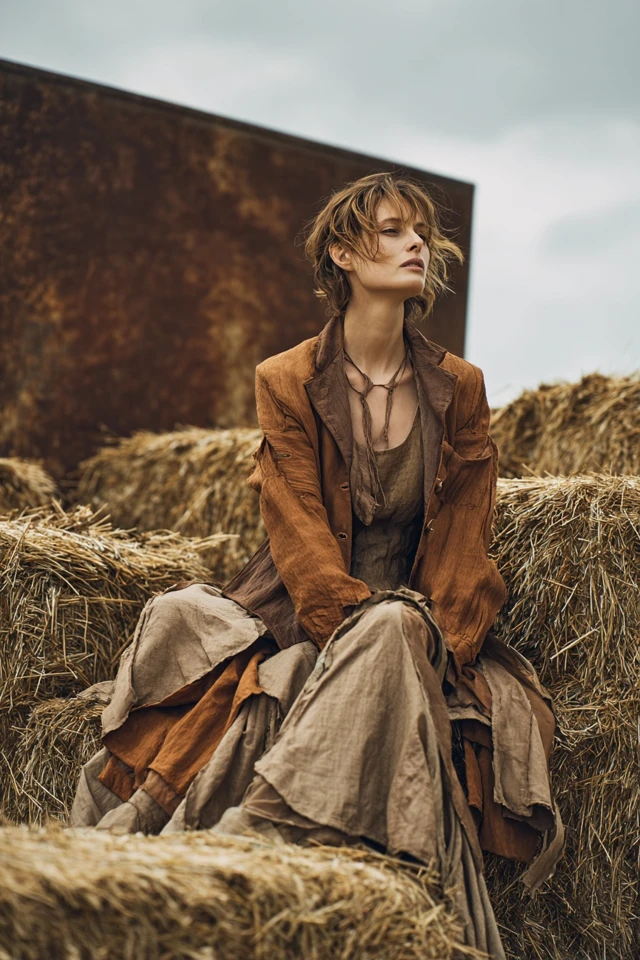
Natural fibers such as wool, cotton and cashmere drape well and tend to wear comfortably across changing temperatures. Fold knits instead of hanging them so they don't stretch, and condition leather boots and bags occasionally. Mixing slightly different neutrals, for example light beige with warm taupe, adds depth. For fall coastal takes on the same palette, try coastal fall ideas.
Frequently asked questions
What is the 3-3-3 rule for outfits?
It is a wardrobe-planning shortcut: choose three tops, three bottoms and three pairs of shoes, then mix them into different outfits. It works well with neutrals because nearly everything combines.
What colors to avoid in fall?
There is no strict ban. Stark optic white and very pale, sheer summer fabrics tend to feel out of season, and any shade that makes your face look tired is better worn away from the neckline.
Can I wear neutrals if I have a cool or warm skin tone?
Yes. Warmer undertones usually like camel, honey and warm gray, while cooler ones often prefer slate, taupe and soft white. Hold the color near your face in daylight to judge.
Filed under Outfit Ideas