Fall Style Tips: Layering and Using What You Own
- Words by
- Julio Arco
- Published
- Reading
- 5 min
The best fall style tips come down to three moves: layer thin pieces so you can adjust through the day, carry a few summer items into cooler weather, and let one texture or color do the work in each outfit. You rarely need a new wardrobe for this.
Below is a practical way to build fall outfits from what is already in your closet, with notes on fit, color and shoes.
How to transition your summer wardrobe to fall
Start by sorting what you own into pieces that still work with one added layer. Midi skirts, slip dresses, linen trousers and plain tees usually do. Sheer or very strappy items work less well, unless they sit under something.
Add weight at the top and bottom. A tee and a skirt become a fall outfit with a knit cardigan and closed shoes. A summer dress turns into one with a fitted turtleneck underneath and a jacket on top.
Fabric matters here. Lightweight cotton and linen look best with a heavier, textured layer such as wool, corduroy or suede, because the contrast makes the outfit look chosen rather than leftover.
What to wear between summer and fall
Early fall days can start cold and end warm, so build outfits that come apart. A short-sleeve top with a long cardigan, light trousers and loafers or low boots covers most of it. Take the cardigan off at noon and nothing looks unfinished.
Keep sandals for the warmest afternoons and swap in leather sneakers, loafers or ankle boots as mornings cool. Bare ankles with a closed shoe still feel seasonal.
How to layer outfits for fall
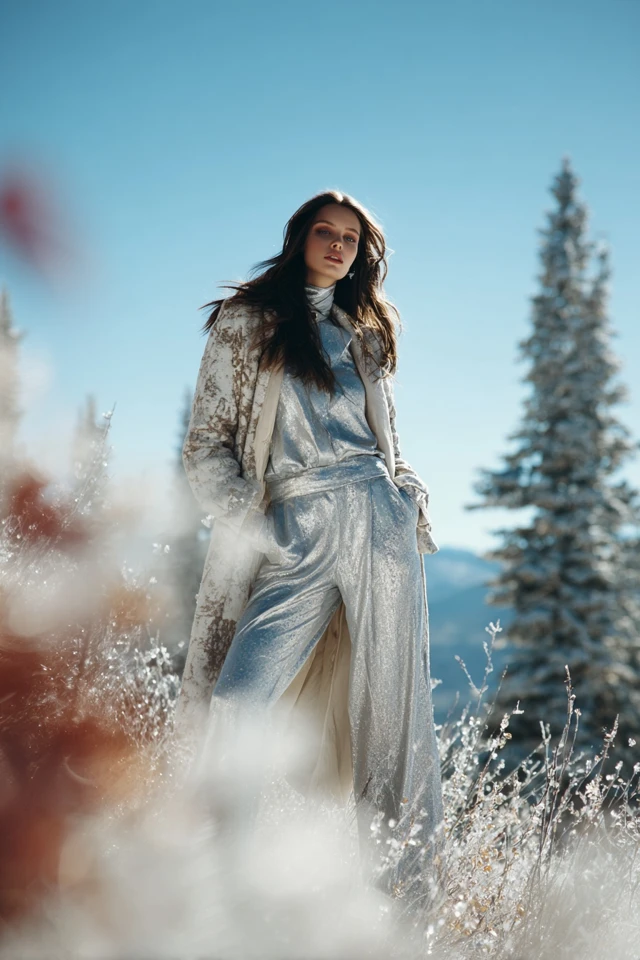
Think in three layers: a thin base, a middle piece for warmth, and an outer piece for shape.
- Base: a fitted tee, tank or thin turtleneck in a breathable fabric such as cotton or modal.
- Middle: a knit, shirt or vest that sits close without pulling across the shoulders.
- Outer: a blazer, trench, denim or leather jacket, cut a little longer or looser than the middle layer.
Each layer should be slightly larger than the one beneath it, or the sleeves bunch. If a jacket pulls when you reach forward, that is a fit problem, not a you problem. Size up the outer piece or thin the middle one.
Vary the lengths too. A shirt hem peeking below a sweater, or a long coat over a shorter skirt, gives the outfit clear horizontal lines that are easy to read.
Easy outfit formulas for fall
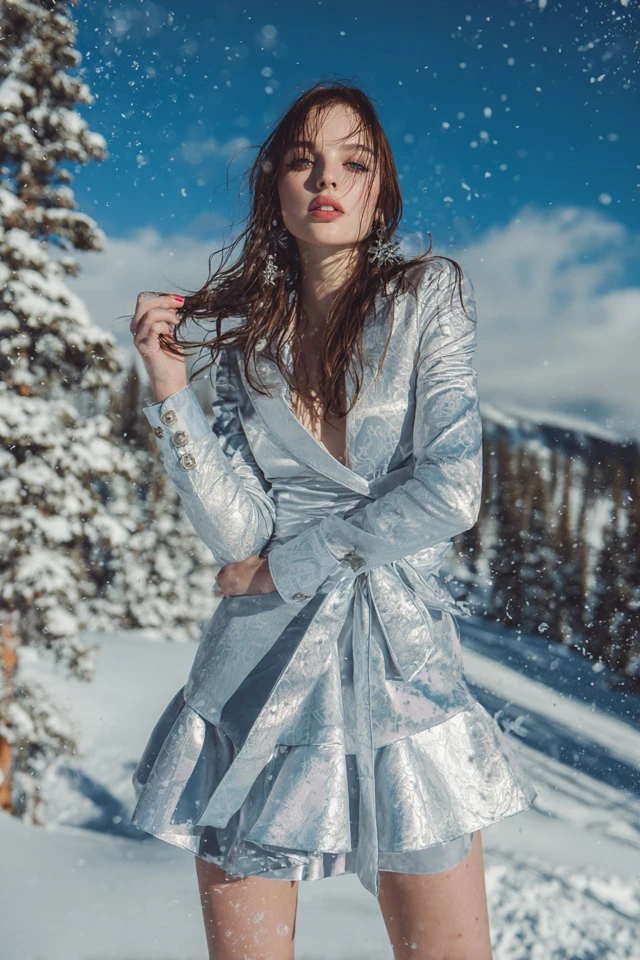
- Tee, straight-leg jeans, blazer, loafers.
- Slip dress, fitted knit underneath, leather jacket, ankle boots.
- Button-down, sweater over the shoulders or worn on top, wide-leg trousers, low boots.
- Knit top, midi skirt, trench, flat boots.
- Turtleneck, tailored trousers, long coat, loafers.
For casual days, a relaxed sweater with jeans and sneakers is enough, and slim-fit joggers can stand in for jeans when comfort comes first. For work, a tailored layer carries most of the weight, so see slim-fit blazers for tailored chic for what to check in the shoulders and sleeves.
Fall outfits for women at the office
Office dressing in fall is mostly about structure. A blazer or longer cardigan over a fine knit, with trousers or a midi skirt, reads polished without feeling stiff.
Keep the palette tight: two or three colors that all sit in the same temperature range. Navy, camel and cream sit together easily. So do charcoal, burgundy and gray. Closed-toe flats, loafers or block-heel boots finish the look.
Which fall colors work, and which to avoid?
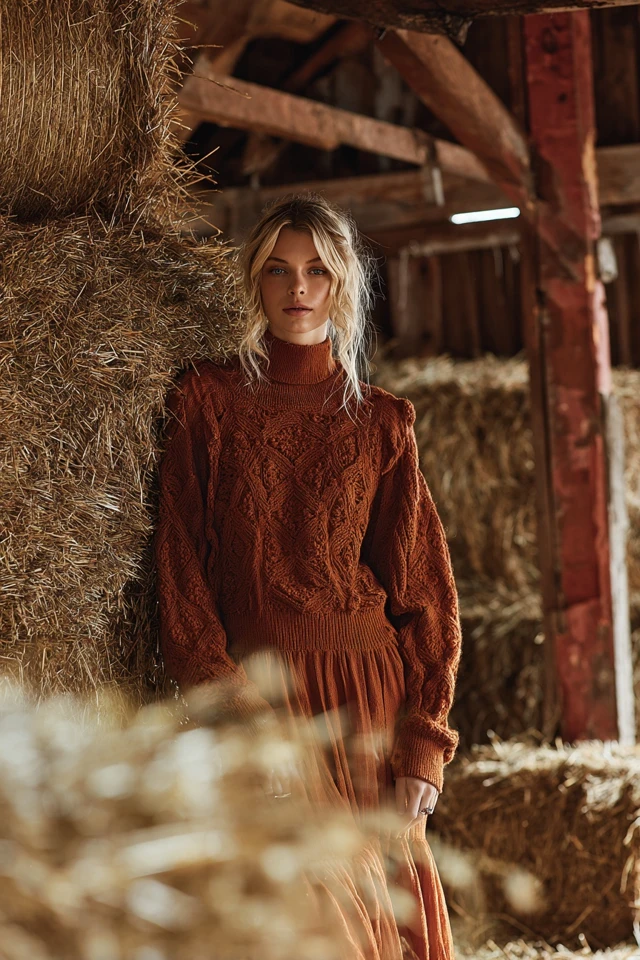
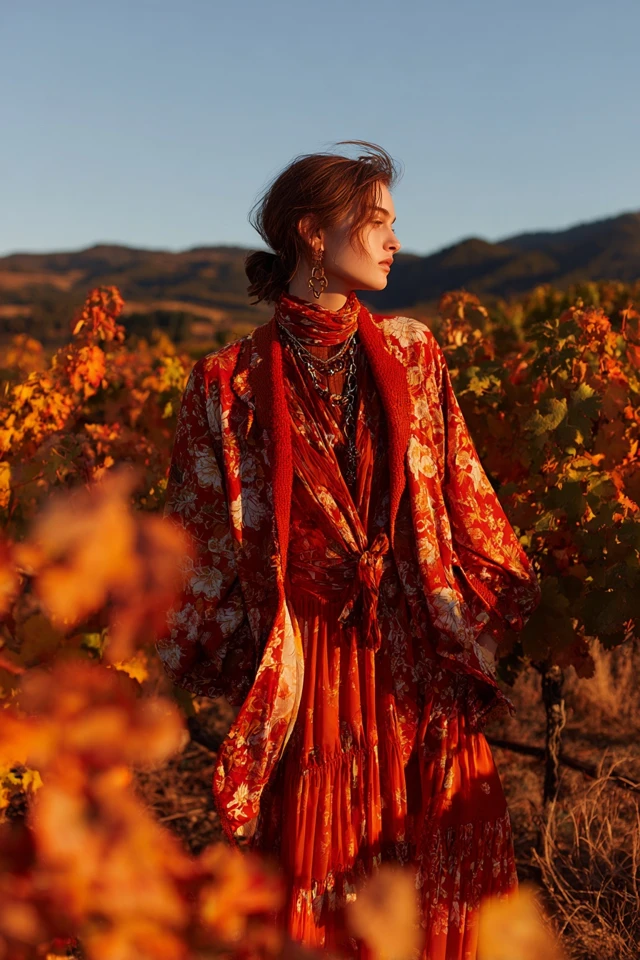
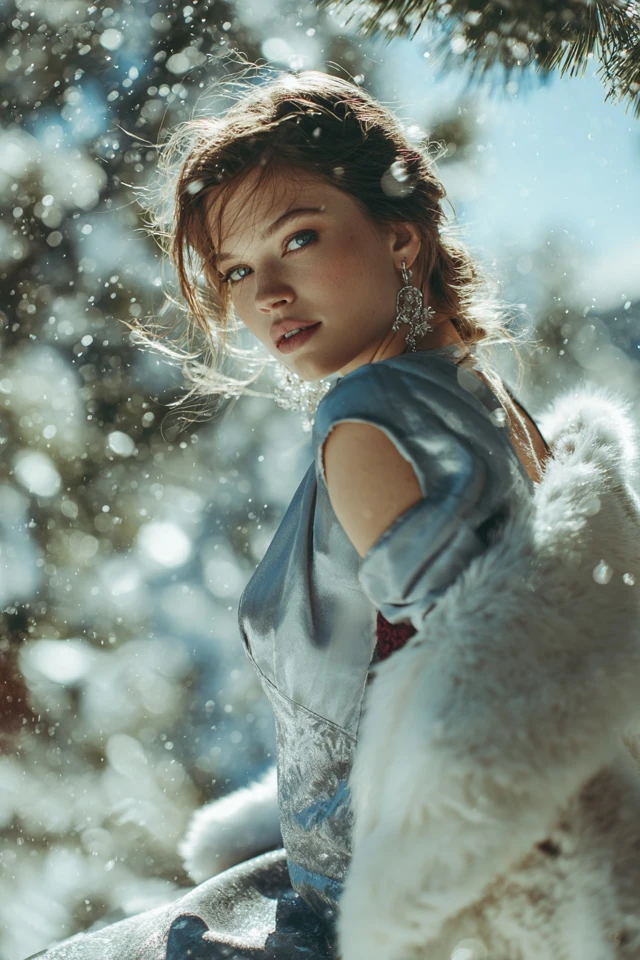
Rust, olive, chestnut, camel, deep plum and forest green are the familiar fall palette because they sit comfortably next to each other and next to denim. No color is off limits, though. Very bright neon or icy pastels can look out of step with heavy fabrics, mostly because the weight of the cloth and the lightness of the color pull in different directions.
Through the lens of evidence-based design, I'd pick texture before color. A matte wool and a glossy satin in the same rust do not read as the same color, because the surface changes how light reaches your eye. A textured knit also softens a strong shade, which helps if bold colors feel like too much.
Check a color against your face in daylight. If it makes your skin look tired, move it lower down in the outfit, such as trousers or a skirt, and keep a more flattering shade near your neckline. For a calmer approach, neutral fall styling tips covers building a whole palette without much color.
Which jackets, shoes and accessories earn their place?
A trench, a denim jacket, a blazer and a leather or faux-leather jacket cover nearly every fall day. Pick the one that suits your weather and add others slowly.
For shoes, loafers, ankle boots and clean leather sneakers do the most work. Knee-high boots look best when the shaft fits the calf without gaping, and with skirts that end at or just above the top.
Scarves, belts and a structured bag add interest without more bulk. As an architect trained in evidence-based design, I'd treat the neckline as the first thing the eye reads, so a scarf or a collar there sets the tone for everything below it.
If you want a specific direction to try, fall preppy style and fall street style each show a full approach built on the same basic pieces.
Frequently asked questions
What is the 3-3-3 rule for outfits?
It is a wardrobe-planning idea: pick three tops, three bottoms and three shoes that all mix with each other. The exact version varies by source, so treat it as a way to test whether your pieces combine, not a fixed rule.
What colors to avoid in fall?
None are banned. Neon brights and icy pastels can clash with heavy fabrics, so pair them with textured pieces or keep them to small accents.
What makes a woman look wealthy?
Fit and fabric usually do more than labels. Clothes that sit correctly at the shoulder and hem, in a tight color palette and in well-kept fabrics, look considered.
Can I wear summer dresses in fall?
Yes. Add a fitted knit or turtleneck underneath, a jacket on top, and swap sandals for boots or loafers.
Filed under Outfit Ideas