Fabric Combination Dresses: Satin and Chiffon Layers
- Words by
- Julio Arco
- Published
- Reading
- 4 min
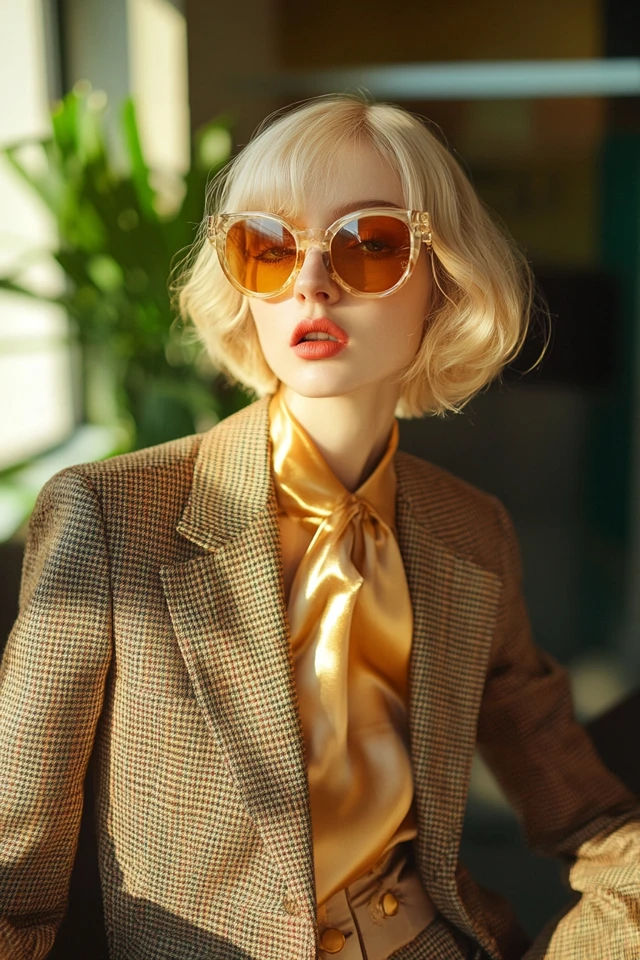
A fabric combination dress uses two or more materials in one garment, such as a satin bodice with a chiffon skirt or a chiffon overlay on a satin slip. Satin and chiffon are one of the easiest pairs to start with: satin gives shine and structure, chiffon gives softness and movement.
Below you'll find what makes the pair work, how to wear it for a wedding, a cocktail evening or an ordinary Saturday, and how to look after it.
What is a combined fabric dress?
It's a dress where different materials do different jobs. One fabric usually carries the shape (the bodice, the lining, the waist), and the other adds a second texture, often in sleeves, overlays or skirt layers. Mixed fabrics are not a new idea. The Kyoto Costume Institute describes an 1855 English day dress and notes that "this mixed fabric of silk and wool is a material hard to print on", a reminder that designers have long combined materials and solved the problems that come with them.
Why satin and chiffon work together
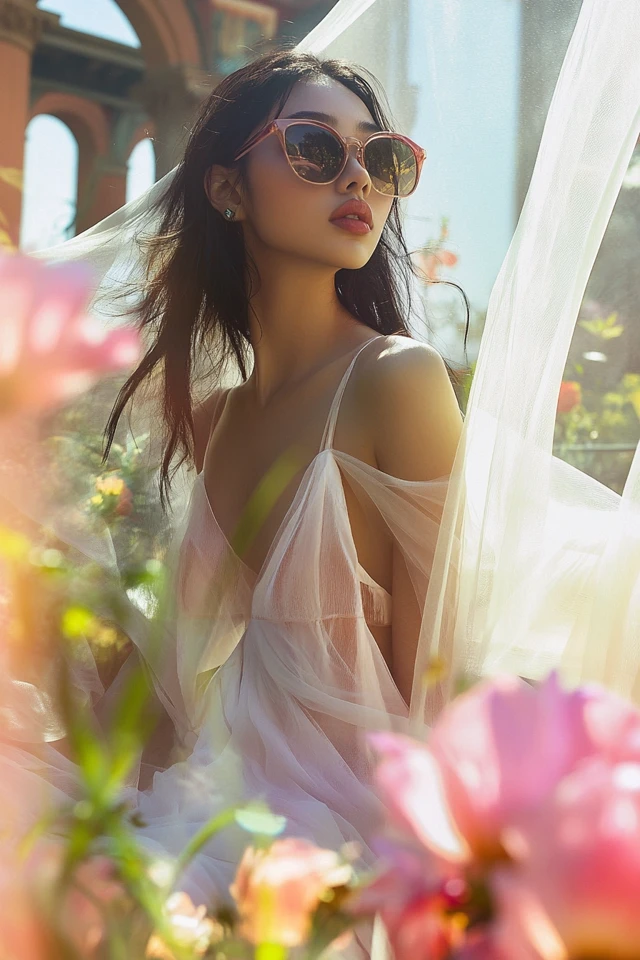
Satin is smooth, glossy and heavier. Chiffon is lightweight, sheer and matte. Put them side by side and each makes the other easier to read: the shine looks richer next to a soft surface, and the sheer layer looks airier over something solid.
Through the lens of evidence-based design, I'd think about texture before color. A glossy surface reflects light and reads as more formal. A matte, semi-sheer one scatters it and reads as gentler. A dress that uses both gives your eye a focal point and a place to rest.
Drape matters too. Satin hangs in heavier, fluid folds, while chiffon floats and moves with each step. That contrast is what makes a skirt feel light without looking flimsy.
What fabrics pair well together?
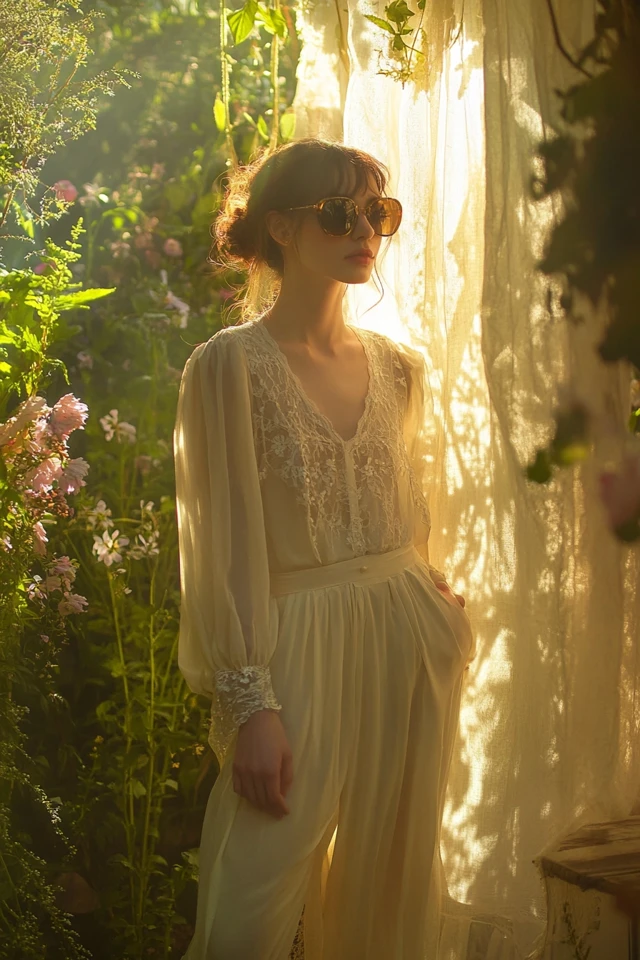
Satin and chiffon is the classic. Other combinations follow the same logic: pair one fabric with body and one with air. Cotton with chiffon suits warm days (see combining cotton and chiffon in light dresses), and lace with silk gives a softer, more delicate look (see how to combine lace and silk). Chiffon with metallic fabric is a good evening option too, covered in chiffon and metallics for evening looks.
A simple check: if both fabrics are equally shiny or equally heavy, the dress can look flat. Contrast in weight or finish is what makes a mix look intentional.

Fabric combination dresses for wedding and formal events
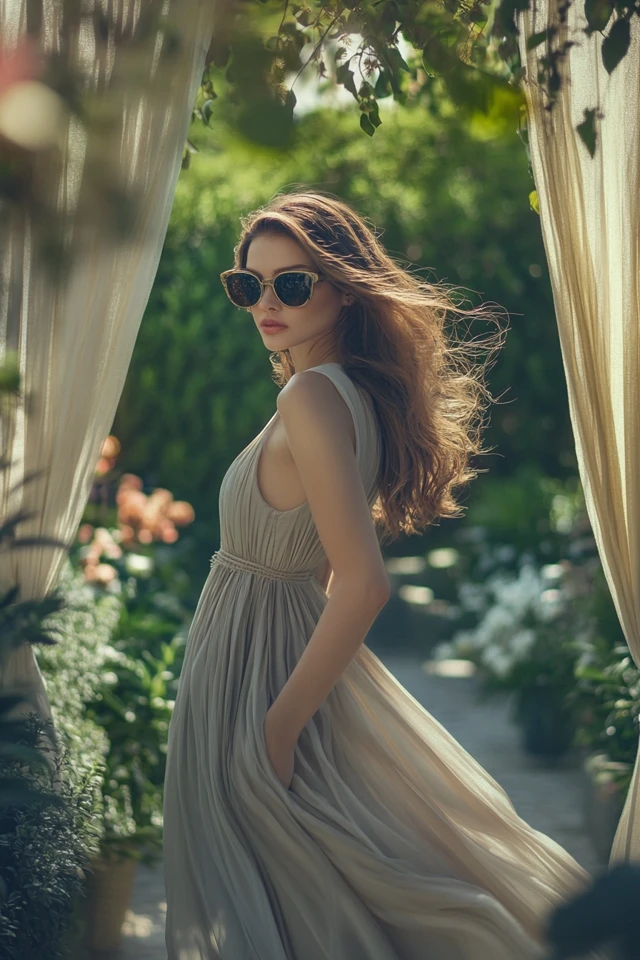
For black-tie events and weddings, satin and chiffon are among the best fabrics for special occasion dresses because they photograph well and move nicely. A few shapes to consider:
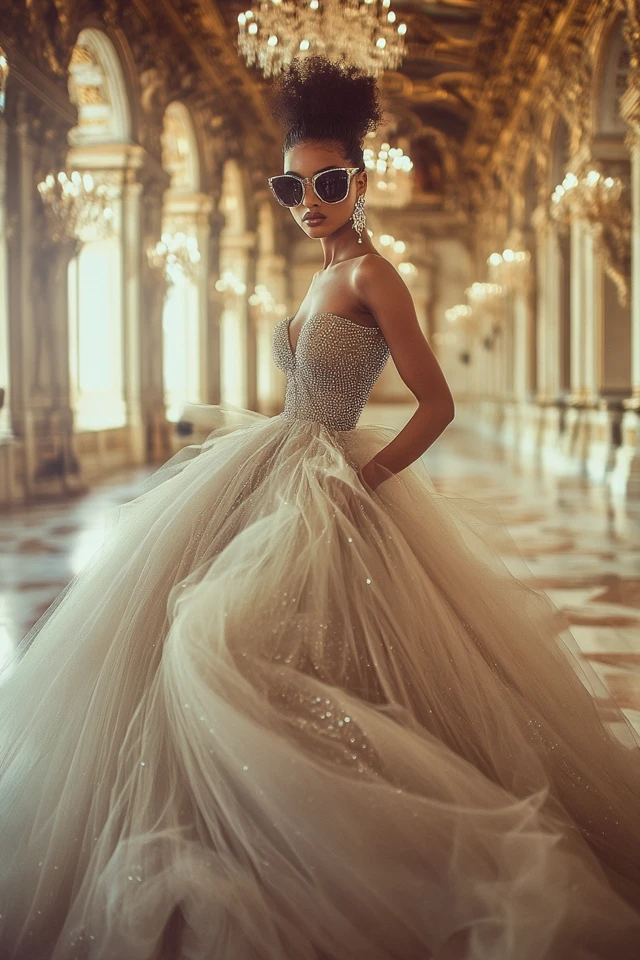
- A-line gown: a satin bodice with a sweetheart neckline and a flowing chiffon skirt.
- Layered skirt: chiffon layers over a satin base for volume without weight.
- Off-the-shoulder: a satin neckline with chiffon sleeves or an overlay.
- High-low hem: a structured satin front with chiffon layers falling longer at the back.
Deep jewel tones such as emerald or sapphire suit satin well. A satin sash at the waist defines the figure without extra seaming. For outdoor ceremonies, look at chiffon wedding guest dresses and flowy chiffon gowns for more ideas.
Mixed fabric dress ideas for cocktails and dinners
Semi-formal events call for the same fabrics in simpler shapes.
- A satin wrap dress with chiffon sleeves.
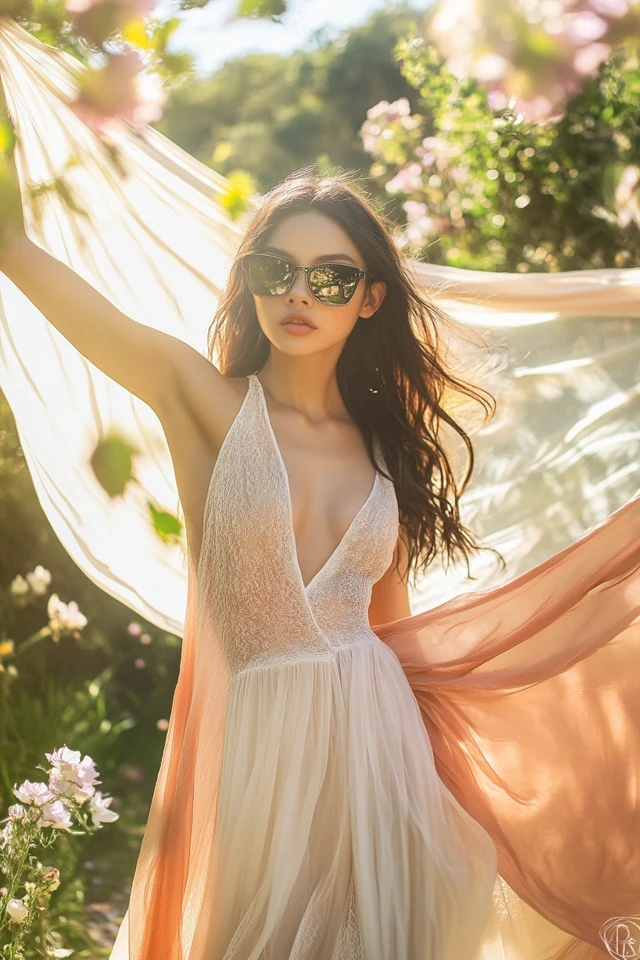
- A midi with a satin base and chiffon panels or an overlay.
- A two-tone dress with a satin top and a chiffon skirt in a contrasting shade.
- A sleek satin dress with asymmetrical chiffon draping.
Pastels like blush, lavender or mint give a softer feel. Gold heels or a silver clutch pick up the sheen of the satin. If you prefer clean lines, the minimalist cocktail outfits and wrap dresses for dinner dates are worth a look.
Casual fabric combination dresses and separates
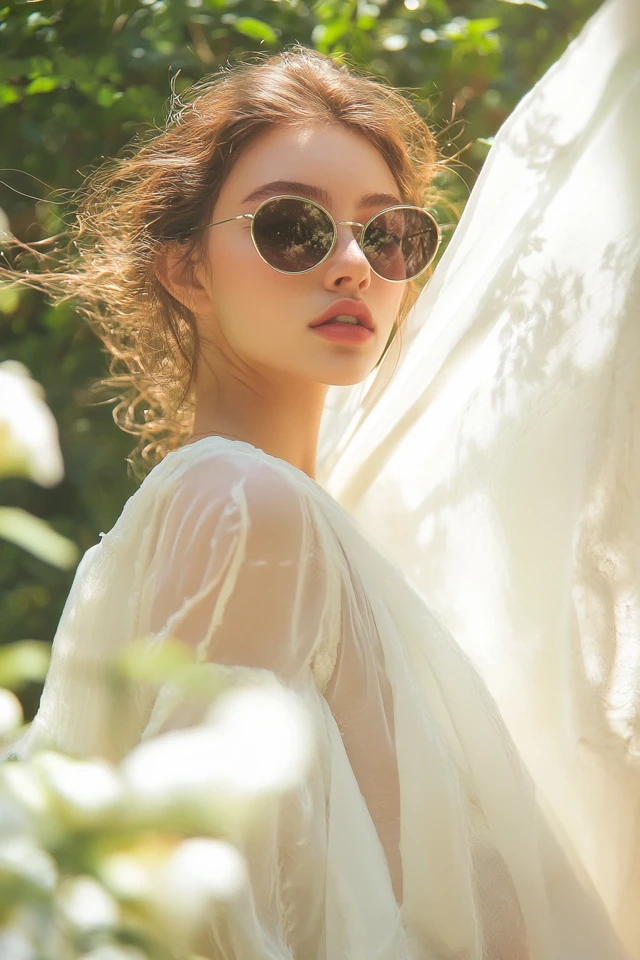
You don't need a gown to wear this pair. Separates let you dress it up or down:
- A high-waisted chiffon maxi skirt with a fitted satin blouse.
- A bias-cut satin skirt with a billowy chiffon top, tucked in to define the waist.
- A chiffon kimono over a satin camisole.
- A satin slip dress with a chiffon scarf or shawl.
- Wide-leg satin pants with a chiffon top.
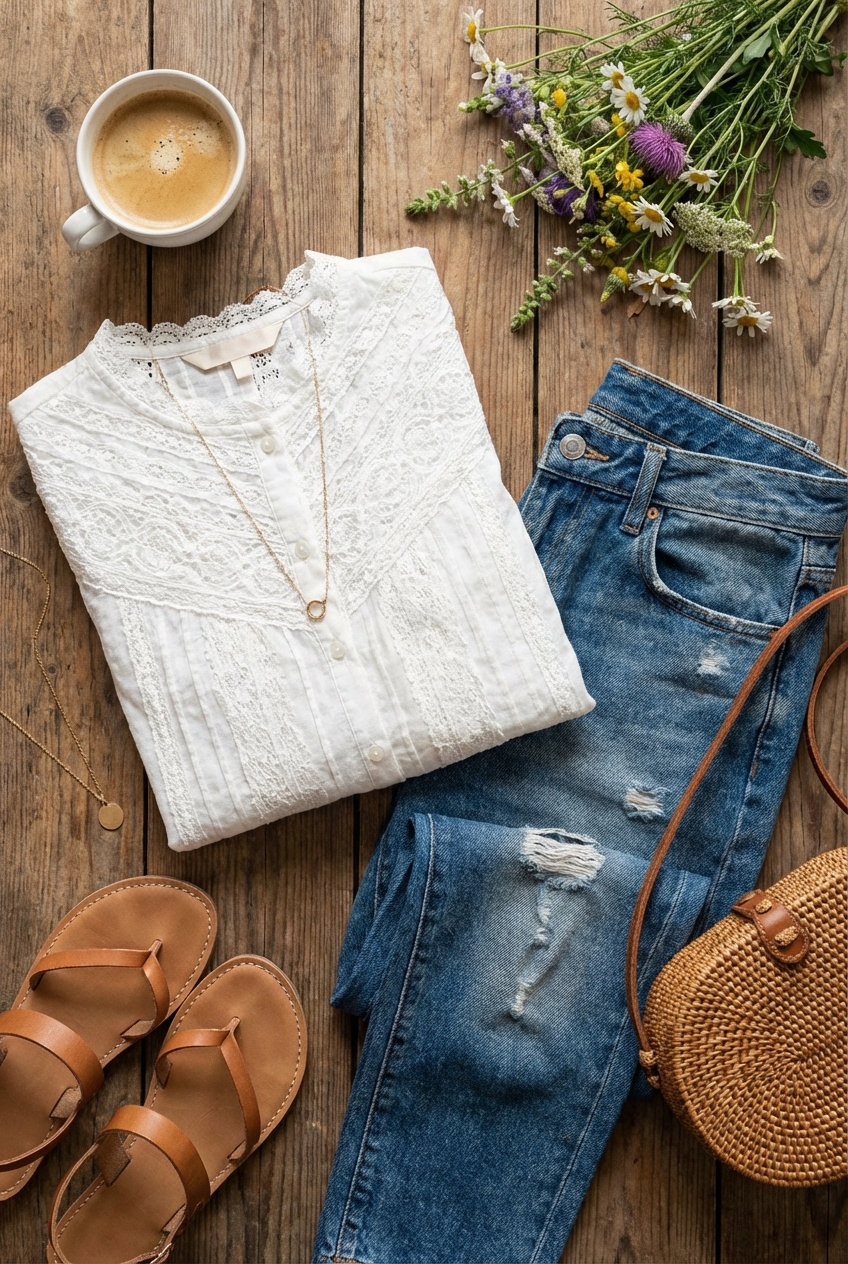
To keep it relaxed, add flat sandals, ankle boots or a denim jacket, and choose muted colors like beige, sage or powder blue.
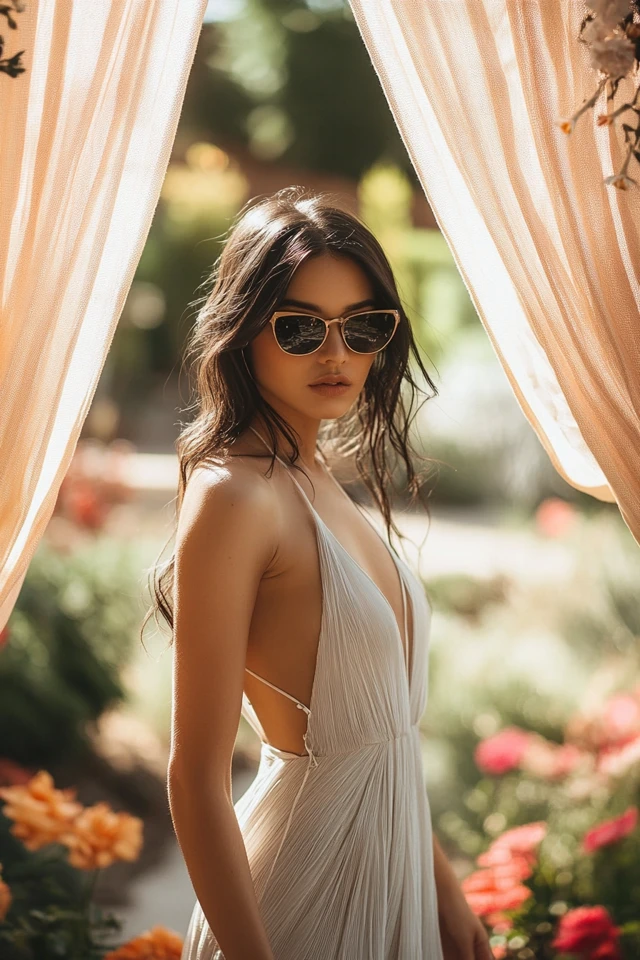
How to accessorize satin and chiffon
Let the fabrics lead. With a detailed layered dress, keep jewelry small: stud earrings, a fine chain or simple bangles. With a simple satin slip, bold earrings or a layered necklace add interest.
For shoes, strappy metallic heels or classic pumps suit dressy looks, and satin flats or embellished sandals suit daytime. A satin or beaded clutch works for evening, and a small neutral crossbody for casual days. A chiffon or satin shawl adds warmth, and a tailored blazer gives the outfit a more structured edge.

How to care for satin and chiffon
- Check the care label first. Hand washing in cold water with mild detergent is common, and dry cleaning is the safer choice for lined or embellished pieces.
- Remove wrinkles with a low-heat iron or a steamer, and keep the iron from touching the fabric directly.
- Hang the garment so it doesn't crease, away from direct sunlight to limit fading.
Frequently asked questions
What is a combined fabric dress?
It is a dress made from two or more materials, usually one that gives structure and one that adds softness or texture, such as satin with chiffon.
Can satin and chiffon be worn year-round?
Yes. Lightweight versions suit summer, while darker colors, longer sleeves or added layers make them work in fall and winter.
How can I make a satin and chiffon outfit more casual?
Add a denim jacket, flat sandals or simple jewelry, and choose separates instead of a full gown.
Are satin and chiffon flattering on every body type?
Fit matters more than fabric. Satin gives structure and chiffon softens edges, so a cut that follows your shoulders and waist usually works well.
Filed under Fabrics & Textures