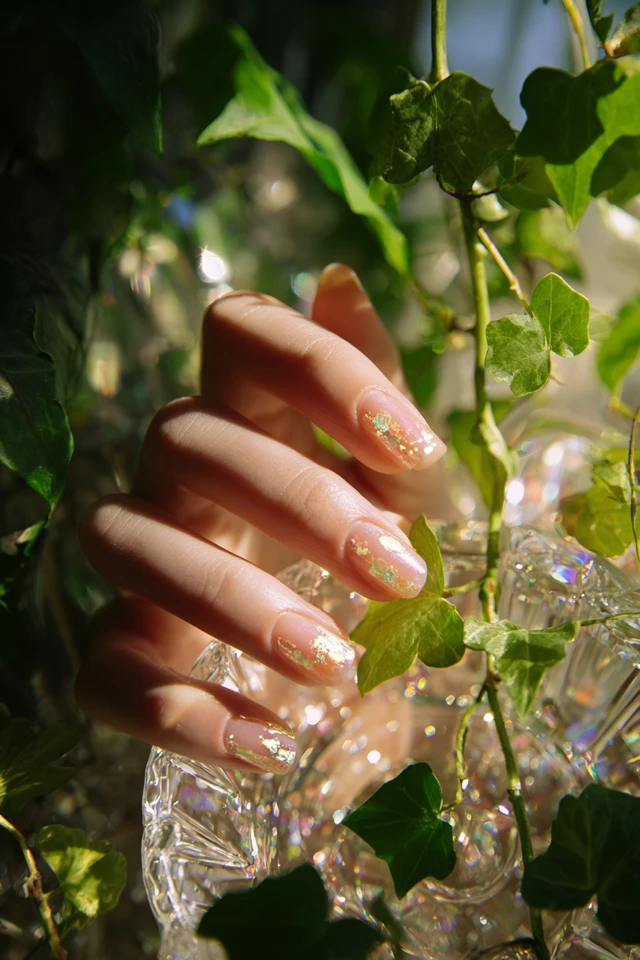
Ombre Gradient Nails: Syrup Shades and Ideas
- Words by
- Julio Arco
- Published
- Reading
- 4 min
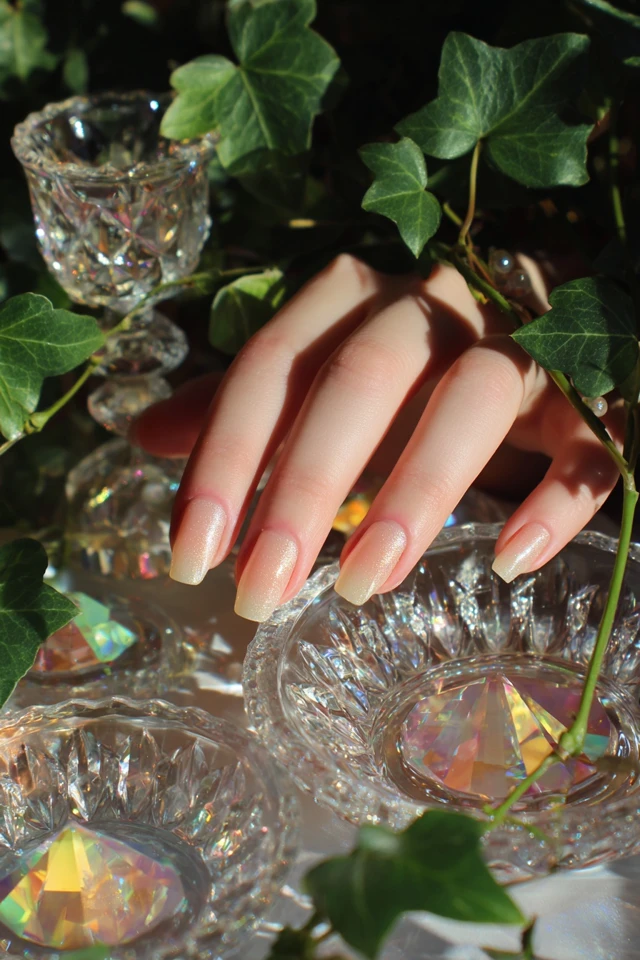
A syrup gradient is one of the easiest ways to wear ombre gradient nails: a sheer blend of honey, amber and caramel that deepens from cuticle to tip (or the other way around). It reads warm on almost every skin tone and works with short nails, so it is a good first gradient if you want something simple.
Below: what separates ombre from gradient, how to pick the colors, how to adapt the look to nail length and application type, what to wear with it, and how to take it off without punishing your nails.
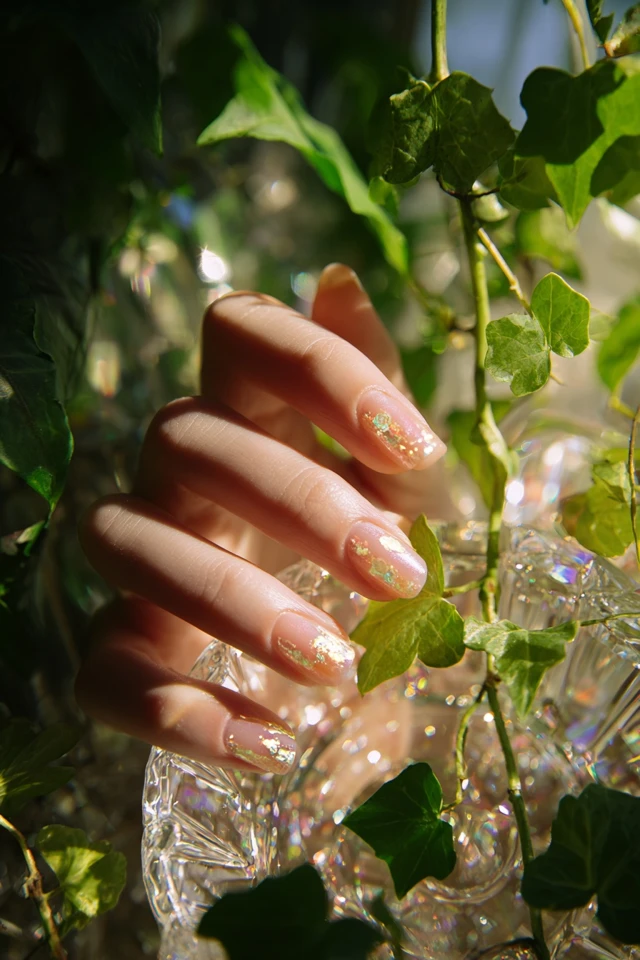
What is the difference between ombre and gradient nails?
In everyday use, the two words mean the same thing: one color melting into another. Strictly, ombre usually describes a blend from light to dark in a single color family, while gradient can cover any fade, including two unrelated colors like pink into orange. Salons and search results use them interchangeably, and the difference between ombre and gradient nails rarely changes how you ask for the look.
A syrup manicure is ombre in the strict sense: it stays inside one warm family, from pale honey to deep amber.
What is the best color for ombre nails?
The best color for ombre nails is the one that sits comfortably against your skin. Through the lens of evidence-based design, I'd start with undertone and finish before anything else, because a sheer, glossy layer lets your own skin show through and shifts how the color reads.
- Fair skin: pale honey with a touch of peach or apricot keeps the warmth soft.
- Medium skin: amber and caramel pick up golden undertones.
- Deep skin: saturated amber into a dark toffee gives clear contrast with a glossy top coat.
If you prefer pink, a milky rose fading into sheer peach follows the same logic. For more soft shades, see pastel gradient nails. If you want the opposite end of the spectrum, rainbow gradients are the loud version.
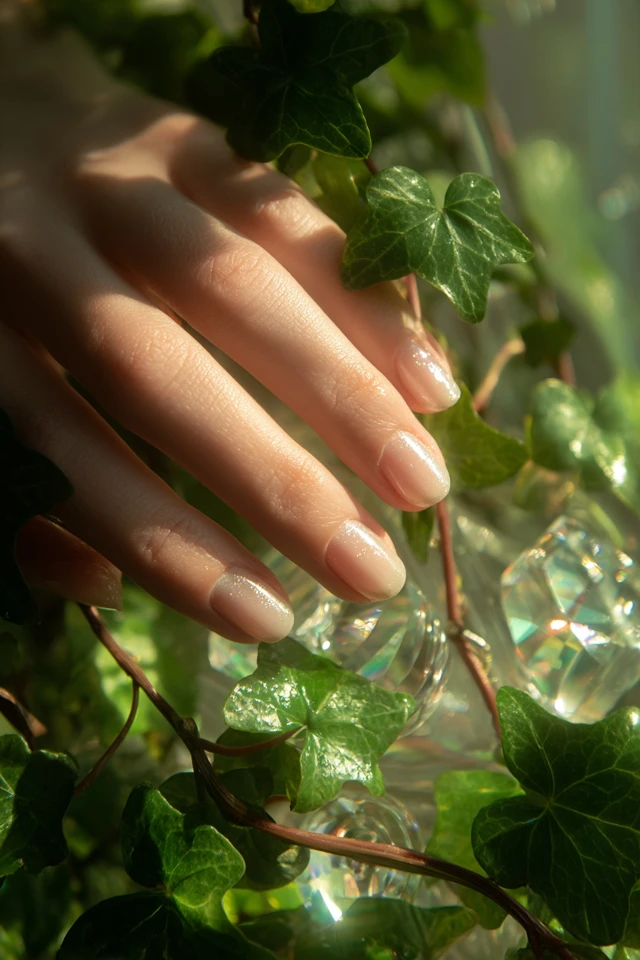
How to wear ombre gradient nails on short nails
Short nails suit a gradient well. Keep the lightest shade at the cuticle and let the deeper tone gather at the tip, which makes the nail look a little longer. Sheer formulas also forgive uneven edges and regrowth better than opaque color.
On very short nails, a narrow fade with only two shades looks cleaner than a long blend of four.
Acrylic, gel or lacquer: which suits a gradient?
Lacquer is the easiest to blend at home and the easiest to remove. Gel gives more shine and wear. Acrylic gives you length for a longer fade, but it has a cost: the American Academy of Dermatology notes that the natural nail surface must be filed until it feels rough for acrylics to stick, which thins and weakens it. If you wear them, plan on touch-ups every 2 to 3 weeks as the nails grow, per the same AAD guidance.
If you have thin or brittle nails, ask a nail professional or your dermatologist which option is gentler for you.
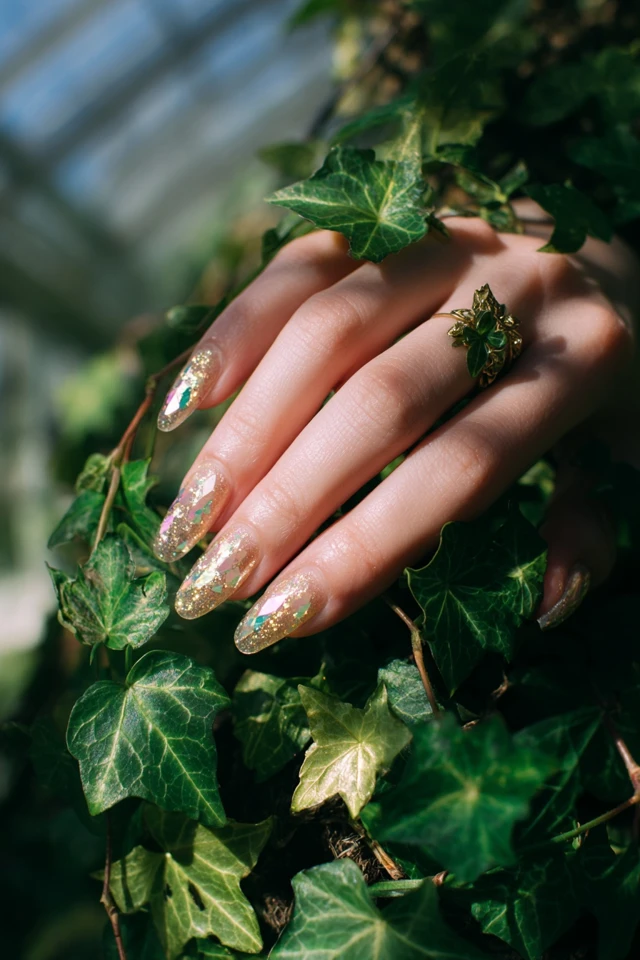
Ombre styles beyond syrup: glitter and French
Glitter works best as a concentrated fade at the tips, with the base left sheer so the sparkle has something to sit on. A syrup base with fine gold glitter near the free edge catches light without looking busy.
French ombre nails flip the idea: a soft white or cream fades up from the tip into a sheer pink or nude base, with no hard smile line. It is the most office-friendly gradient. For more directional blends, try gradient stripe nails or the matte gradient fade.
What to wear with a syrup gradient
Warm nails look best against clothes that either echo or contrast the tone. A few pairings:
- Cream sweater and chocolate trousers, for a tonal, soft look.
- Olive jacket and beige ankle boots, where the amber picks up the earthy palette.
- Navy dress and gold jewelry, where the cool dark fabric makes the amber stand out.
A crisp white shirt or deep indigo denim also works. I'd avoid matching the nails exactly to one garment, because a small difference in tone looks more deliberate than a perfect match. For similar warm-toned ideas, see prismatic syrup gradient nails.
How to remove a gradient manicure without damage
Removal is where most nail damage happens. The AAD says acetone is the most effective way to take off gel polish at home, and that after 10 minutes under plastic wrap most or all of the gel should be gone. Rushing or picking it off is what causes trouble: Cleveland Clinic reports that careless removal can temporarily damage nails, with cracking and peeling the most common problems.
Dermatologist Chris Adigun, MD, FAAD, says in the AAD's dip powder guidance: "Looking closely at your nails after removing the color helps you spot a problem early." If you see changes that worry you, check with a dermatologist.
Frequently asked questions
What are gradient nails called?
They are most often called ombre nails, gradient nails or faded nails. Some salons also say "baby boomer" for a pink-to-white fade.
Is ombre nails still in style?
Soft gradients remain a common request because they suit most lengths and grow out cleanly. Trends shift, so pick a shade you like on your own hands.
Can I do an ombre gradient at home?
Yes, with sheer polish and a makeup sponge dabbed along the nail, then sealed with a glossy top coat. Two shades are easiest to start with.
Filed under Nail Design