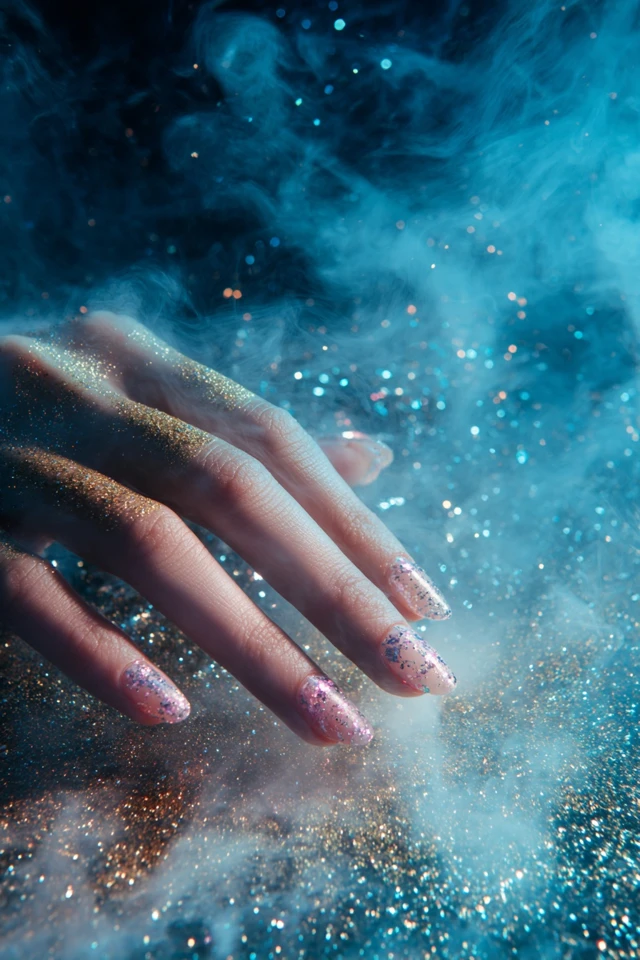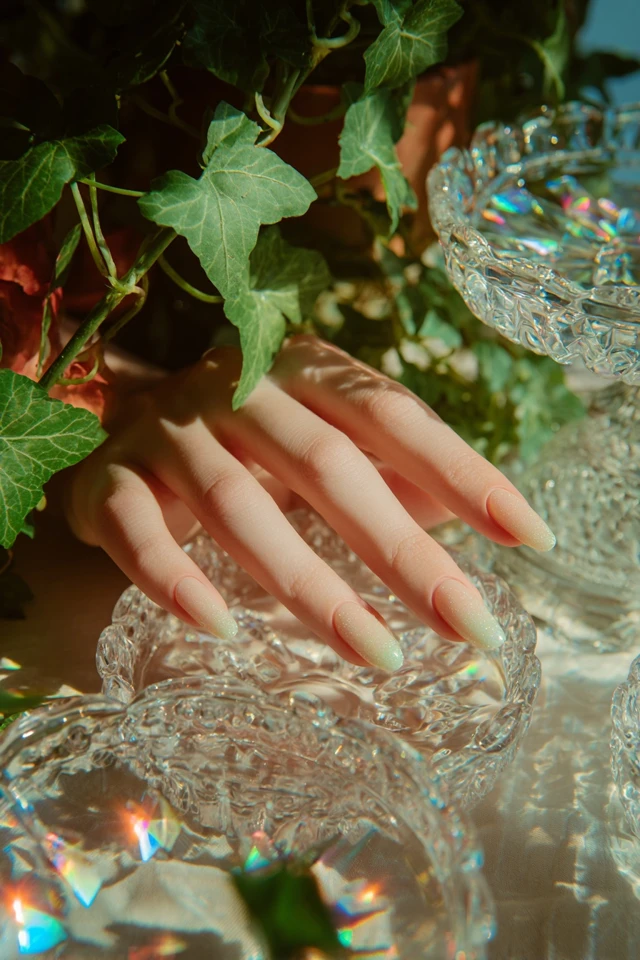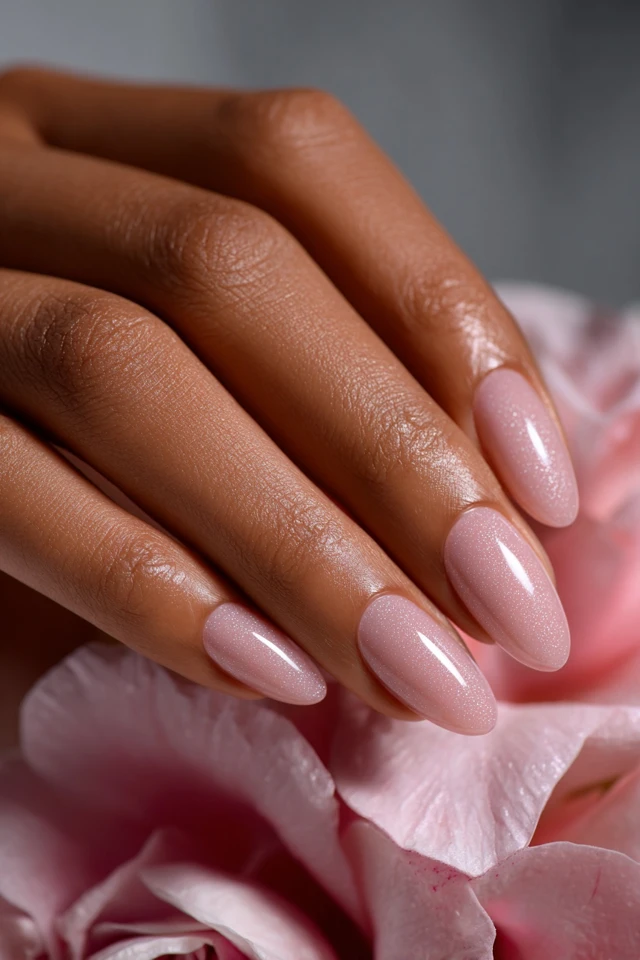
Nail Texture Techniques: Bubble and 3D Ideas to Try
- Words by
- Julio Arco
- Published
- Reading
- 4 min
The simplest way to add texture to a manicure is to keep the base smooth and put the raised detail on one or two nails. Bubble effects, glossy domes, beads and matte-against-shine contrast all work this way, and a nail technician can do any of them on natural nails, gel or acrylic.
Kinetic bubble nails, the look this post started with, sit in the same family: a glossy, dimensional surface where light seems to move across the nail. Below is how the main techniques work, which suit short nails, and how to wear them without trouble.
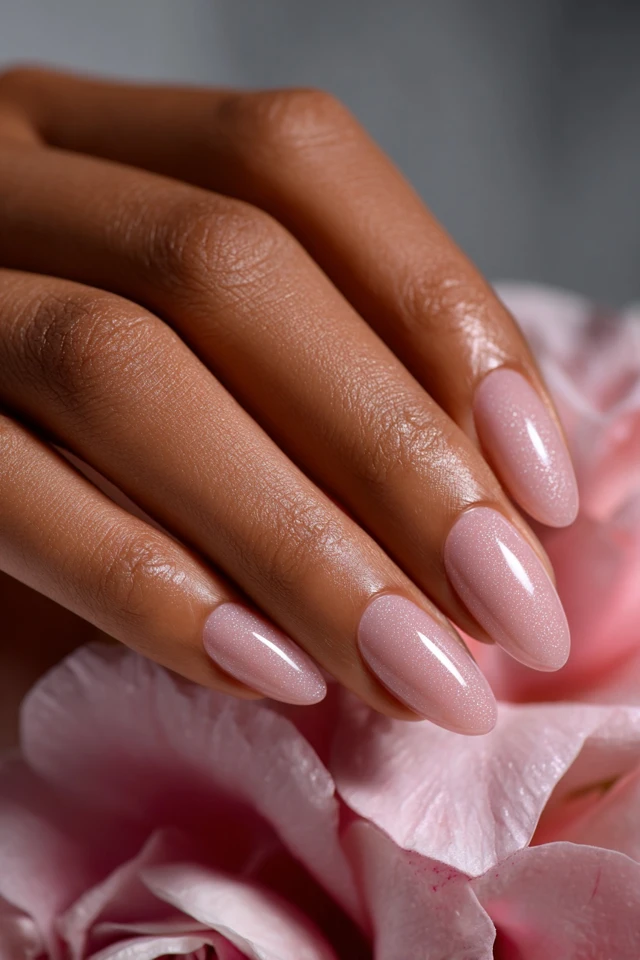
What counts as a textured nail?
Any manicure where you can feel or clearly see a surface that is not flat. That includes raised gel, sculpted 3D shapes, embossed patterns, beads, rhinestones and fine grit finishes. The eye reads texture through light: a raised dome catches a highlight, a matte area absorbs it.
Through the lens of evidence-based design, I'd think of texture as part of the color. The same pink looks softer in matte and brighter in gloss, because the surface changes how light reaches your eye.
How to do textured nails
If you are doing this yourself, work in thin layers and cure or dry each one fully. A technician will follow roughly the same order.
- Prep the nail so the surface is clean and the cuticle area is tidy.
- Apply the base color and finish it before adding any raised detail.
- Build the texture on top: a thick gel dot, a bead pressed into gel, or a textured polish brushed on.
- Seal with a top coat, or leave the textured part matte if you want contrast.
Textured nail polish, which has grit or particles in the formula, is the easiest starting point because it needs no sculpting. Gel-based 3D work takes more practice, so leave it to a professional until you are comfortable.
Matte and glossy nail contrast
This is the least bulky way to add texture. Paint all nails one color, then top most with matte and one or two with gloss, or draw a glossy pattern over a matte nail. Nothing is raised, but the finish difference is obvious in daylight.
It also works well with a bubble or dome accent: keep the dome glossy and the neighbors matte so the accent reads as the focal point.
Bubble and 3D nail designs
Bubble looks use clear or tinted gel domes, sometimes with glitter or color suspended inside. Because the dome is thick, it can catch on knits and hair. Place it on one accent nail, usually the ring finger, and keep the rest simple.
For more bubble ideas, see radiant bubble nails, underwater bubble nails and bubble gum pop nails. If you like softer, painterly effects, kinetic watercolor ink nails pair well with a single raised accent.
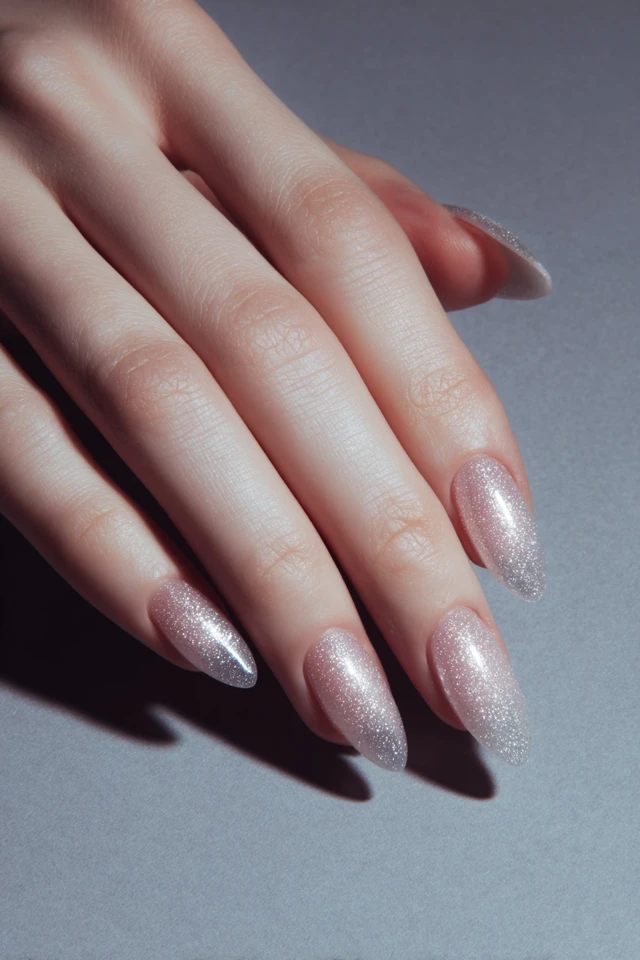
Nail texture techniques for short nails
Short nails have less surface, so keep raised elements small and centered. A few tiny beads near the cuticle, a thin line of caviar beads, or a matte-and-gloss split looks balanced. One large dome can overwhelm a short nail, so shrink it or move it to the tip.
A sheer base helps too. It keeps the nail looking long while the texture does the work.
Nail texture techniques for acrylic
Acrylic is a strong base for sculpted and embedded detail because the texture can be built into the nail itself. The trade-off is upkeep. The American Academy of Dermatology notes that the natural nail must be filed until it feels rough for acrylic to stick, which thins the nail. It also says artificial nails worn for more than a few weeks need touch-ups every 2 to 3 weeks as the nail grows.
Raised designs tend to need more careful fill-ins, so ask your technician how they handle regrowth before you commit.
Wearing and removing texture safely
Gel, dip and acrylic textures all come off with some effort. Board-certified dermatologist Shari Lipner, MD, PhD, says that removing dip manicures needs 100% acetone, which can damage your nails, and advises waiting a month after removing the color before getting another one.
For gel polish, the AAD describes acetone as the most effective way to remove it at home. Cracking and peeling are the most common problems after careless removal, so do not pick or peel. If your nails look ridged, thin or discolored after a manicure, check with a dermatologist.
Styling textured nails
Let the nails be the texture and keep jewelry quiet: thin rings, small studs. Glossy domes look good next to silk or knit sleeves, and matte nails suit leather and tweed. Neutral bases such as soft beige or pale pink keep the effect wearable at work.
Frequently asked questions
How do you do textured nails?
Finish a smooth base color first, then add the raised element on top, such as thick gel, beads or a gritty polish, and seal it with a top coat. Textured polish is the easiest option at home.
How do I stop ridges on my fingernails?
Ridges have several causes, so it is best to check with a dermatologist if they are new or getting worse. A smooth base coat can hide mild ridges under color.
What is the newest nail technique?
Trends change quickly, but 3D gel, bubble domes and mixed matte-gloss finishes are widely requested right now. Ask a technician what they offer.
Filed under Nail Design