How to Transition Your Capsule Wardrobe Between Seasons
- Words by
- Julio Arco
- Published
- Reading
- 5 min
To move a capsule wardrobe between seasons, keep your year-round core exactly where it is and change only a small layer around it: a few fabrics, a coat, your shoes and some accessories. You are adjusting, not rebuilding.
Most capsules need a swap of roughly 5-10 pieces per season. The rest of this guide covers what stays, what rotates, how to layer through unpredictable weeks and how to store what you put away.
Are capsule wardrobes seasonal?
Yes and no. The core is not seasonal: jeans, a white tee, a blazer, neutral trousers and a simple dress work in almost any month. The seasonal part is a smaller group of items chosen for temperature, such as linen shirts, chunky knits and coats.
If you want a deeper look at the all-year version, see building a capsule wardrobe that works for all seasons and pieces that work year-round.
Start with the year-round core
Before you swap anything, check that the core is solid. A good test: could you wear it with both a tank top and a sweater? Dark-wash jeans, a tailored blazer, neutral trousers and a white T-shirt usually pass.
Keep your palette tight. When most of your core is black, white, beige, gray or navy, any seasonal piece you add will match something. Then let the seasonal layer carry the color: softer pastels in spring, earthy tones in fall, deeper jewel tones in winter.


How to transition a capsule wardrobe between seasons
Work in four short steps, ideally on a quiet weekend as the weather starts to shift.
- Take out everything that belongs to the season ending and try it on or inspect it.
- Decide what is staying, going into storage or leaving for good.
- Bring in the next season's pieces and build three or four outfits to find gaps.
- Fill only the gaps, preferably with pieces that also work in the next season.
On the keep-or-release question, MSU Extension instructor Jasmine Harris-Speight suggests asking: "When deciding what to keep, ask yourself: Does this item hold a sentimental place in my heart? Will I miss this item if I get rid of it?"

What to swap in each transition
Spring to summer
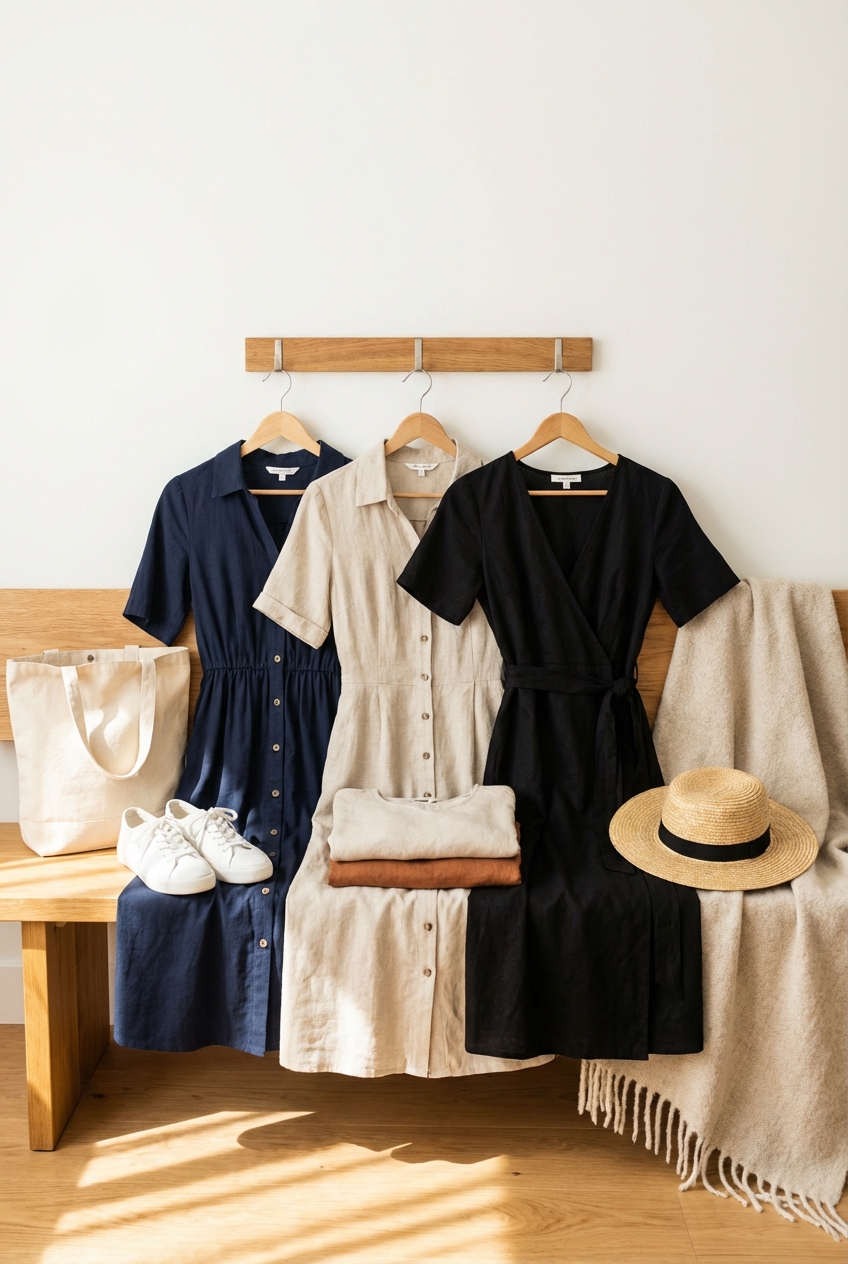
Store heavy knits, coats, scarves and boots. Bring in linen or cotton dresses, light blouses and sandals. Wide-leg linen pants take the place of wool trousers, and a denim jacket over a sundress covers cool mornings.
Summer to fall
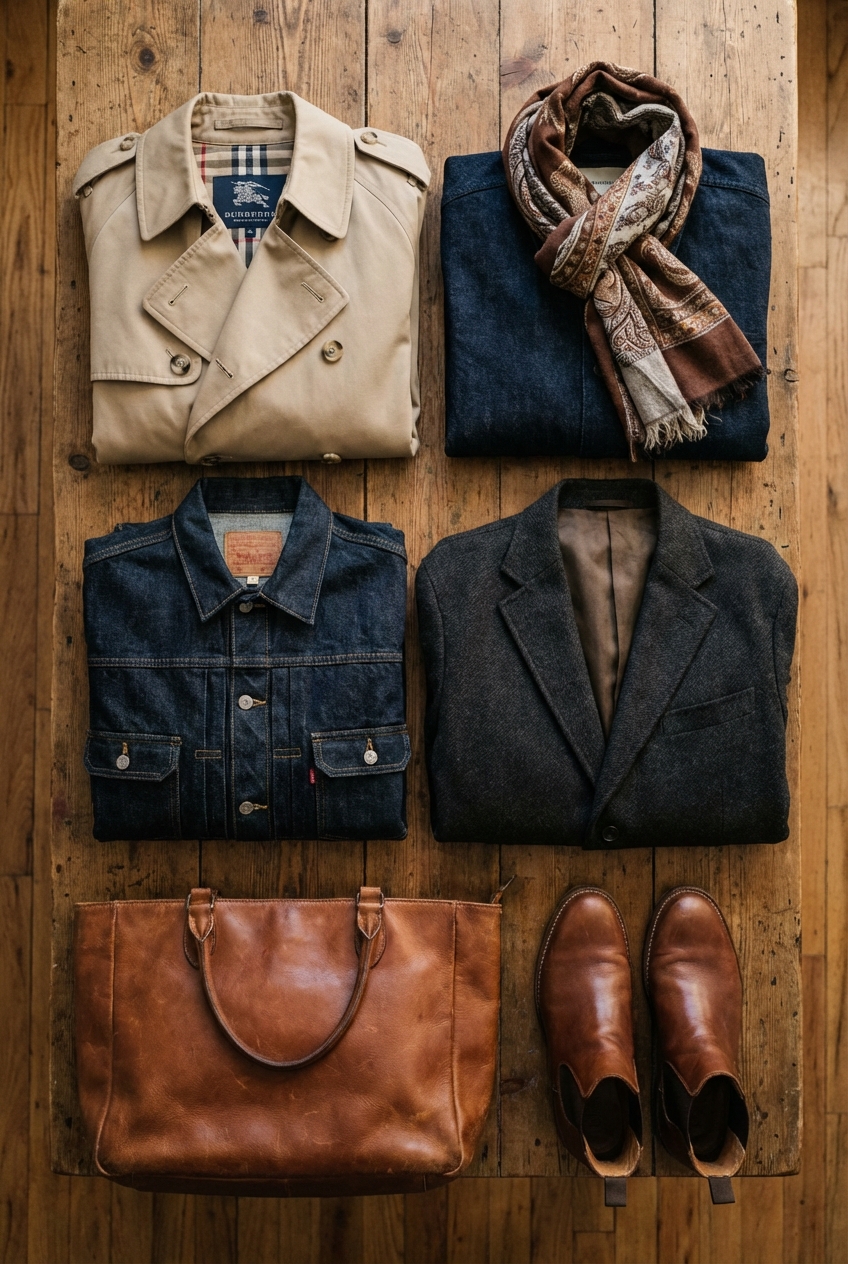
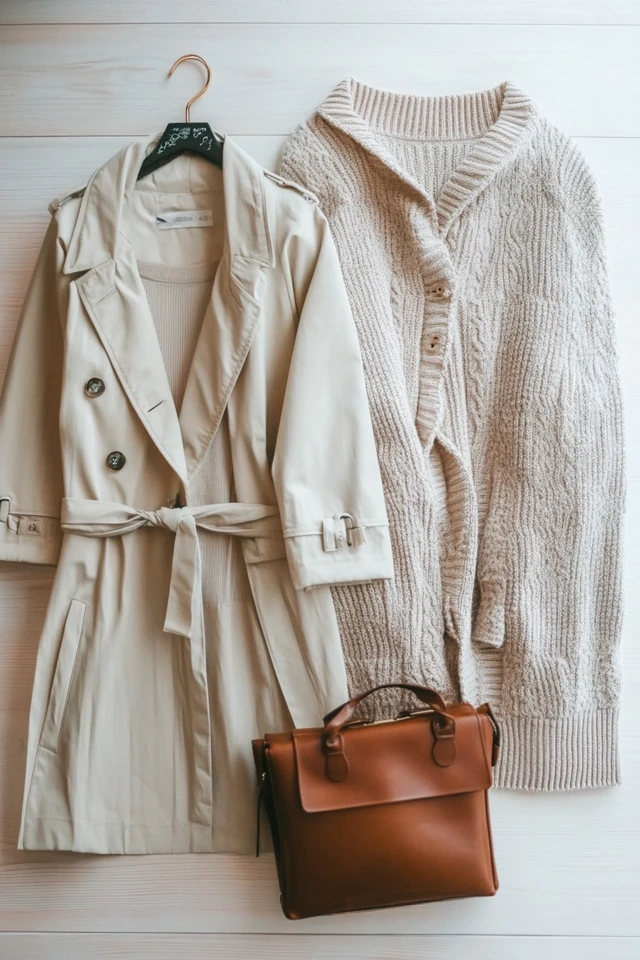
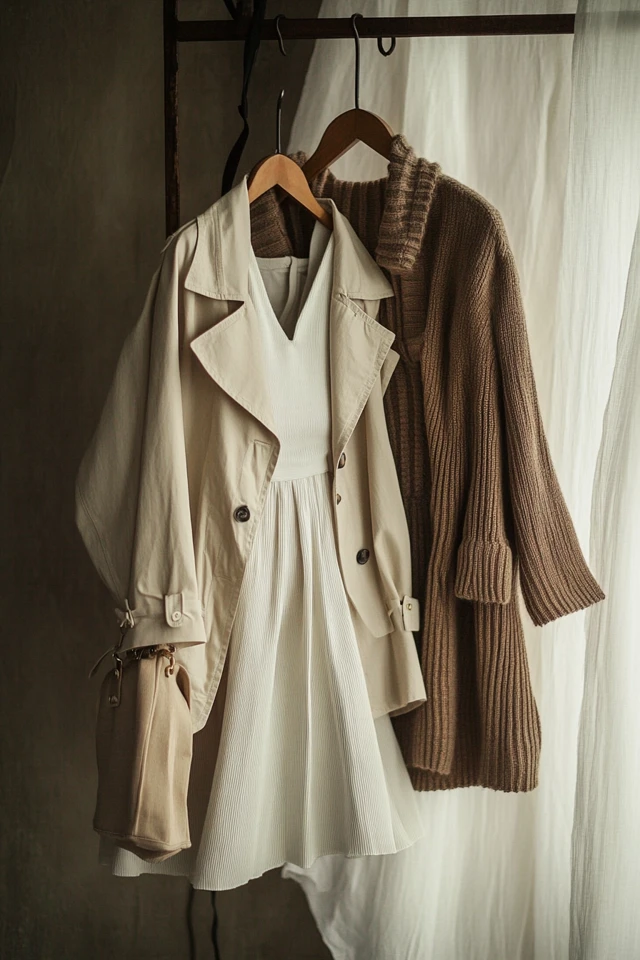
A summer to fall capsule wardrobe works best when you keep a few light pieces for warm afternoons. Store most sleeveless tops (keep one or two for layering) and thin sandals. Bring in knit sweaters, ankle boots and a trench or leather jacket.
A lightweight sweater over a summer dress with ankle boots is the easiest first move. Earthy shades like mustard, olive and rust read as seasonal without a full new wardrobe. For a blazer-led approach, try oversized blazers for fall transitions.

Fall to winter
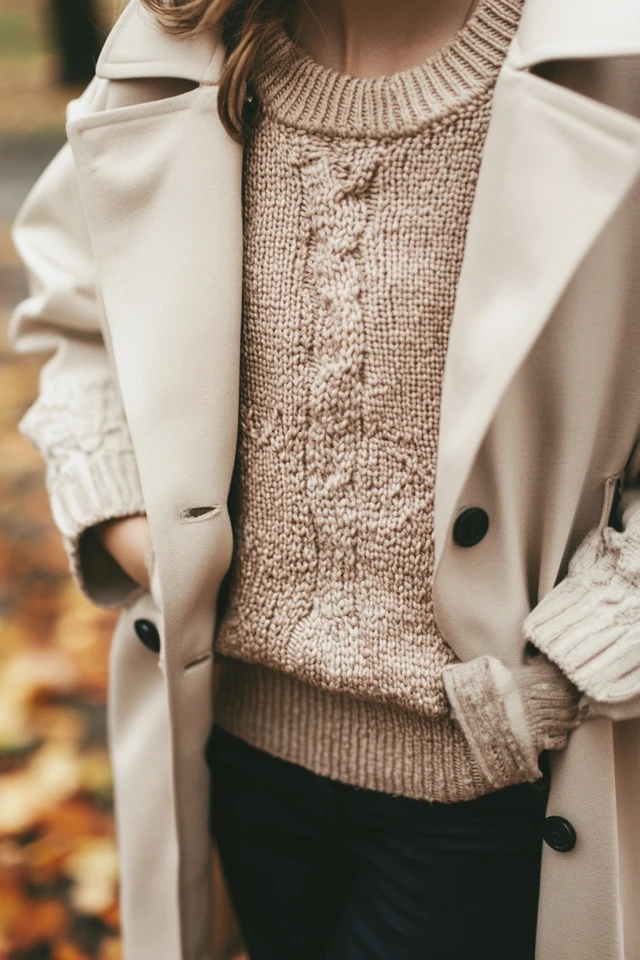
Store light jackets and thin cardigans. Bring in a wool coat or puffer, turtlenecks and chunky boots. A turtleneck under a blazer or dress keeps the polished shape and adds warmth. Thick tights under skirts and dresses extend them for months.
Winter to spring
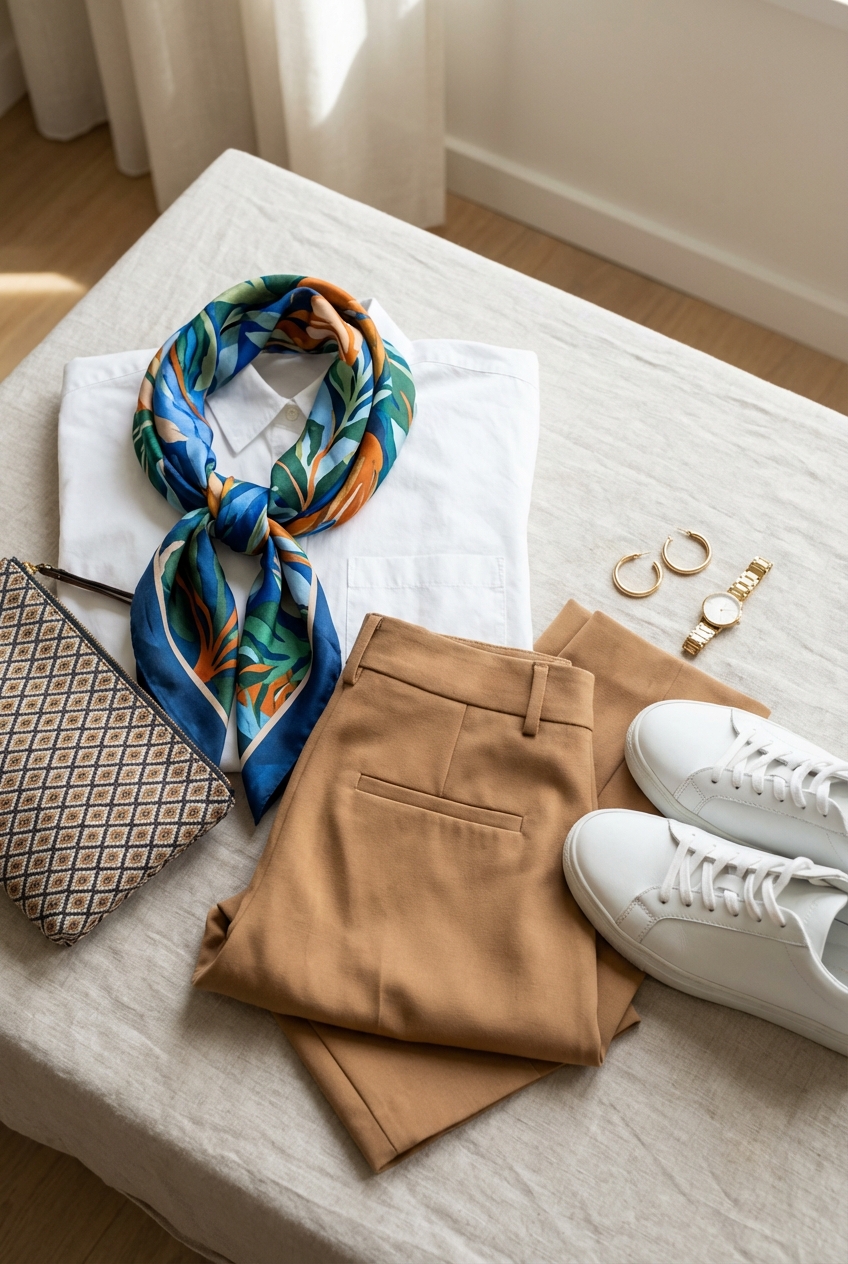
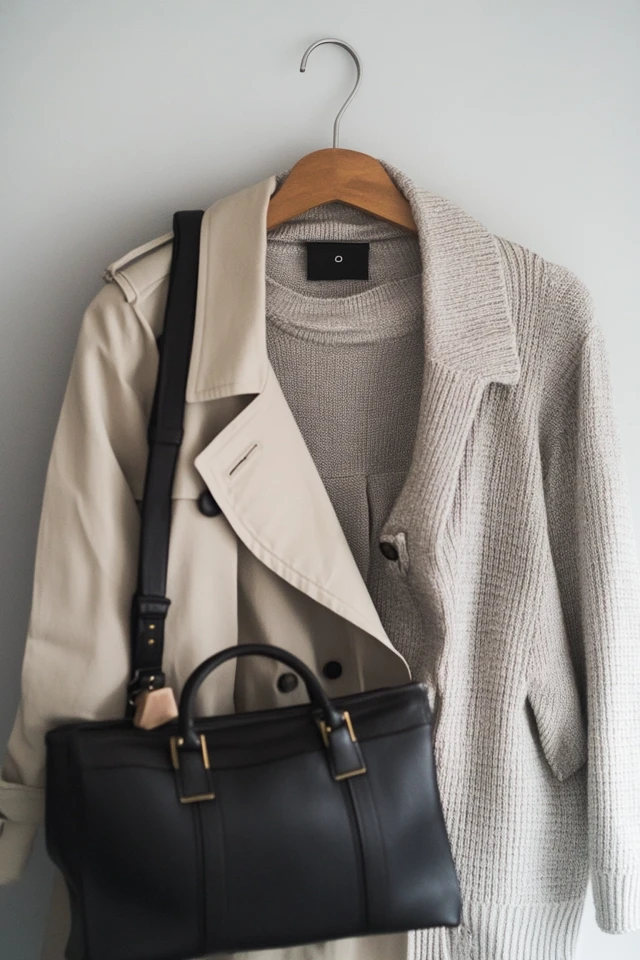
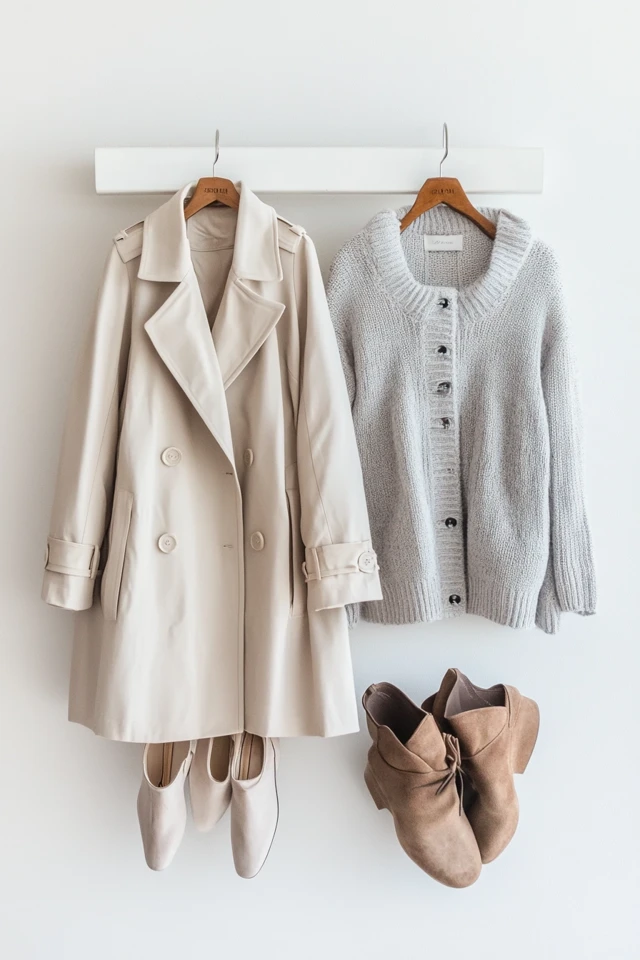
Put away thick coats, heavy sweaters and thermal layers. Bring in a light trench, neutral cardigans and loafers or sneakers. Softer colors such as blush, sky blue and beige help the wardrobe feel lighter. Spring weather swings, so a T-shirt under a blazer with a scarf you can remove is a practical formula.
Layer for the in-between weeks
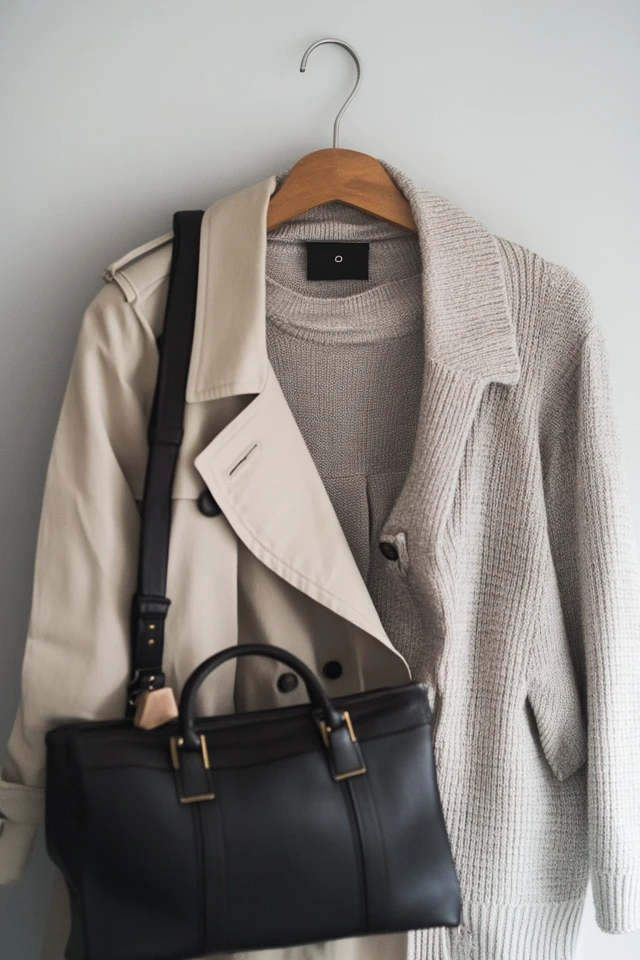
Layering is what makes these transitions work. Three thin layers are more adjustable than one thick one, because you can take one off at lunchtime.
- Use a lightweight cardigan as outerwear in spring and as a middle layer in winter.
- Put a button-up shirt under a sweater or blazer in fall.
- Add tights or leggings under dresses in cold months and drop them when it warms up.
For cold days, the layer against your skin matters most. Texas A&M's Howdy Health notes that the layer closest to your skin should be moisture wicking, and advises avoiding cotton because it absorbs moisture and can keep it next to your skin. That guidance is written for cold-weather exercise, so for everyday wear treat it as a hint for long days outdoors.

Choose transitional fabrics and textures
Fabric does most of the seasonal work. Linen, cotton, chambray and light blends keep you cool. Wool, cashmere, tweed and fleece-lined pieces hold warmth.
Through the lens of evidence-based design, I'd pay attention to texture before color. The same camel looks cooler in a smooth, flat weave and warmer in a brushed or chunky knit, because the surface changes how light reaches your eye. That is why a rib-knit sweater can make a summer palette feel like fall without changing a single color.
Mixing textures keeps a small wardrobe interesting: cozy knits with a sleek leather jacket in fall, or flowy fabrics with structured outerwear in spring. Shoes carry a lot of this too, and transition-friendly shoes can stretch an outfit across months.
Use accessories for small seasonal shifts
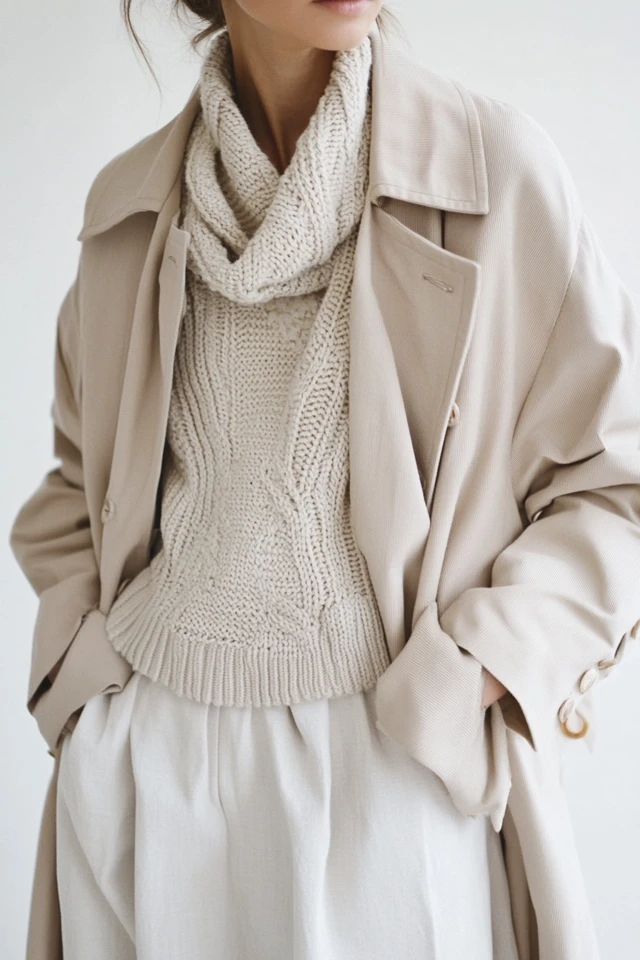
Accessories are the cheapest way to signal a new season. A bold scarf in spring, knit hats and gloves in winter, and a handbag in burgundy or camel in fall all change an outfit without adding a full piece. I'd choose one or two per season and keep them in the same palette as your core.
How to store seasonal clothes
Good storage keeps the off-season half of your capsule ready to wear. Wash or dry-clean everything first, since stains left over summer tend to set. Fold knits instead of hanging them so shoulders do not stretch, and use garment bags for coats and tailoring.
Label boxes by season and category, and keep them somewhere dry and cool. If an item has gone unworn for two seasons, consider passing it on. The US EPA estimates textiles were 17 million tons of generation in 2018, and MSU Extension says only about 15% of textiles bought each year are recycled or repurposed, so donating or reselling is better than the bin.
Seasonal capsule wardrobe checklist
- Check the core: jeans, tee, blazer, trousers and a dress all fit and are in good shape.
- Remove the ending season's items and clean them before storing.
- Bring in 5-10 seasonal pieces, including one coat or jacket and one pair of shoes.
- Test three outfits and note any gaps.
- Add one or two accessories in the new season's tones.
More examples are in this capsule wardrobe for seasonal transitions, and a month-by-month take is in transitioning your capsule wardrobe between seasons.

Frequently asked questions
How do I avoid buying new clothes every season?
Buy durable core pieces that work in several climates, then fill gaps with one or two seasonal items. Layering and accessories cover the rest.
What is the easiest way to adapt summer clothes for fall?
Layer them. Add a sweater, jacket or tights to dresses and skirts, and swap sandals for ankle boots.
How many pieces should I rotate per season?
A range of 5-10 items is usually enough, with the core staying put. Rotate fewer if your climate changes little.
How can I keep my wardrobe cohesive year-round?
Keep a neutral base and bring color in through seasonal accents such as knits, scarves and bags.
Filed under Capsule Wardrobe