How to Build a Capsule Wardrobe with Seasonal Versatility
- Words by
- Julio Arco
- Published
- Reading
- 5 min
A seasonal capsule wardrobe transition works best as a small swap, not a rebuild. Keep a core of year-round basics, add or remove a few weather-specific pieces, and let layers do the rest.
If your closet feels wrong every time the temperature shifts, that is usually a planning gap, not a taste problem. The system below fixes it with three moves: a stable core, a short rotating list, and a storage routine.
Are capsule wardrobes seasonal?
They can be either. Many people run one capsule per season, but a capsule wardrobe for all seasons is often more practical: one core that stays put plus a handful of pieces that rotate in and out.
The second approach means less shopping and less packing away. It also keeps outfits familiar, since most of what you wear in October is what you wore in May.
Start with year-round basics
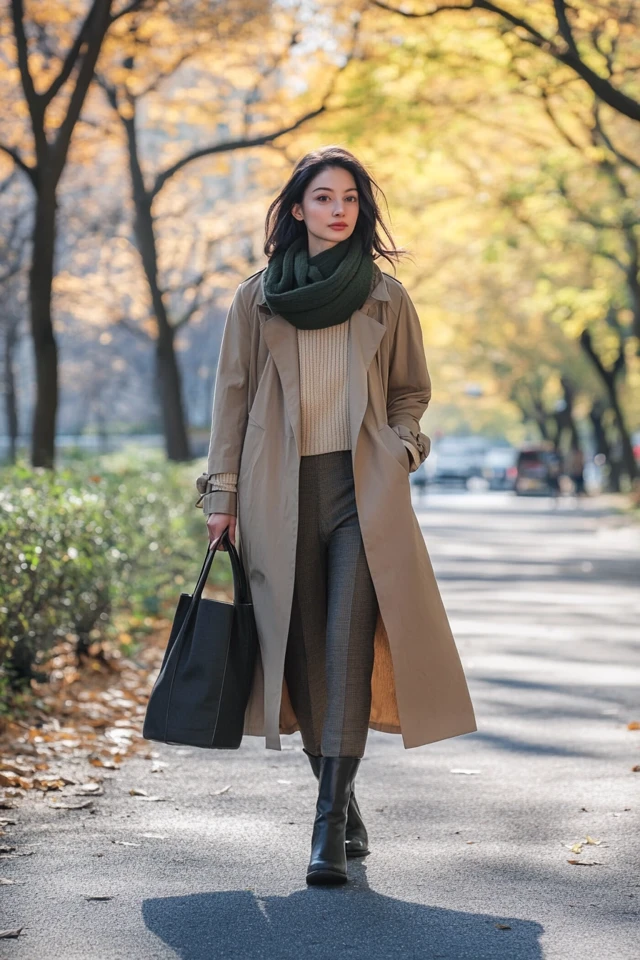
Your core is the part that never gets stored. Pick pieces that work bare-armed with sandals and also under a coat with boots.
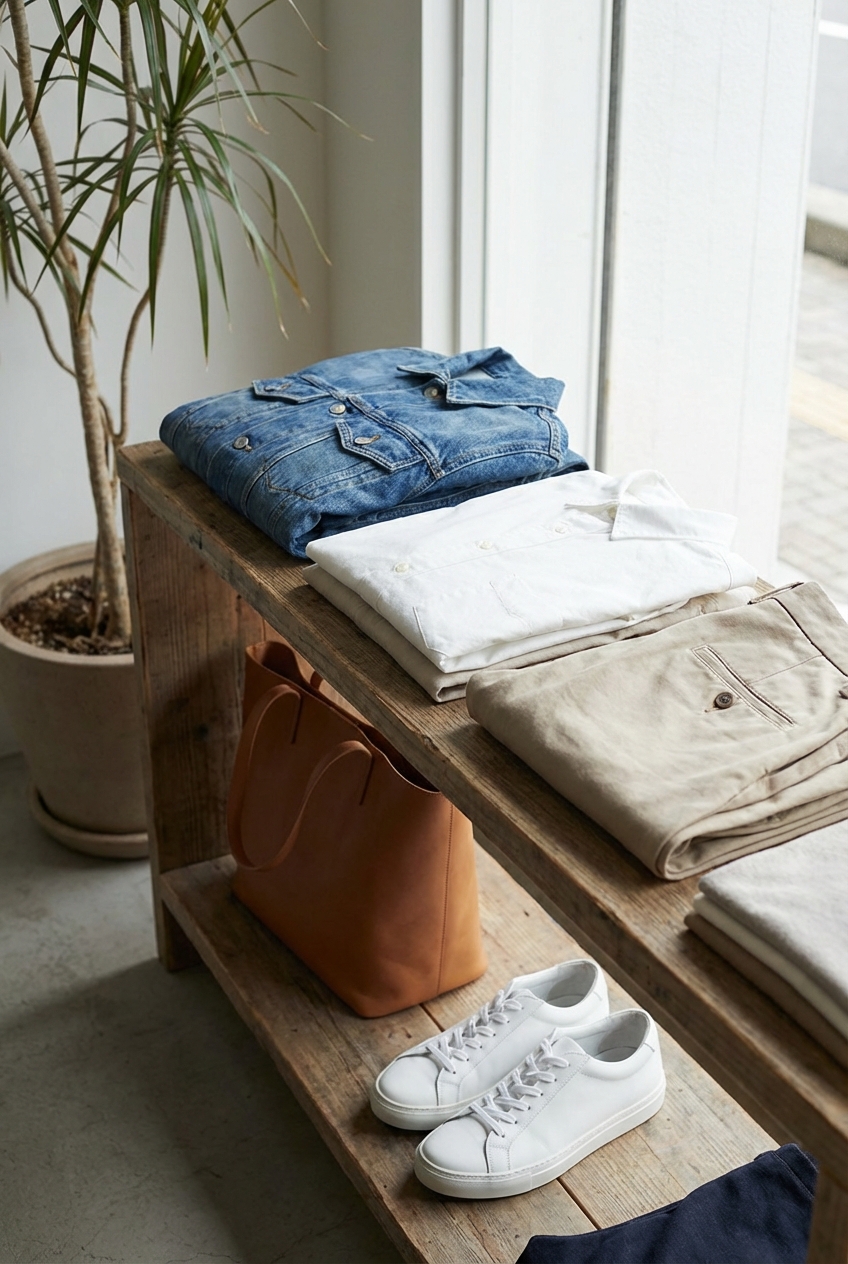
- Tops: plain T-shirts, a button-down, a lightweight sweater
- Bottoms: dark jeans, tailored trousers, a midi skirt
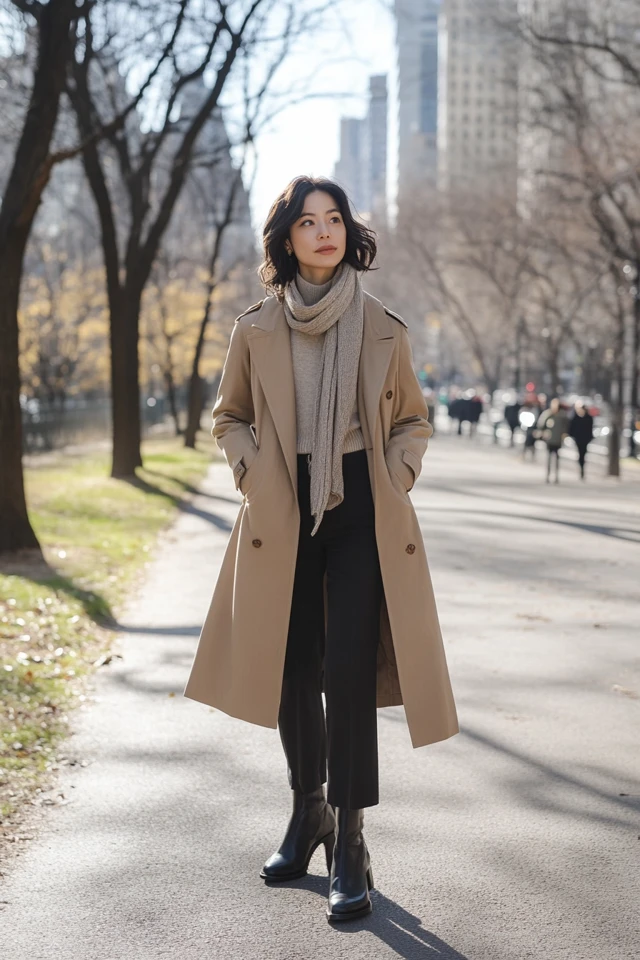
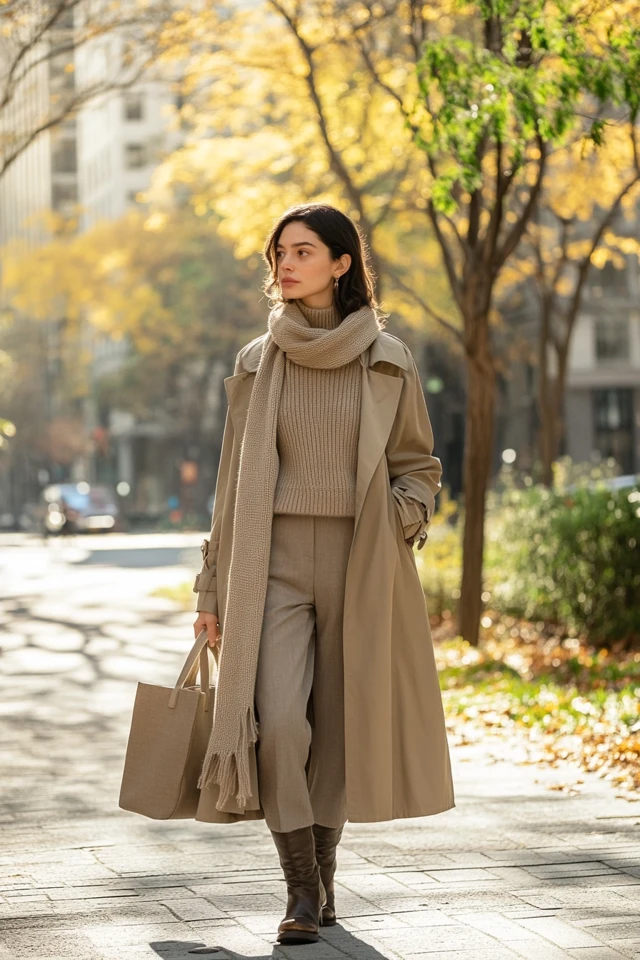
- Outer layer: a blazer and a trench or similar light coat
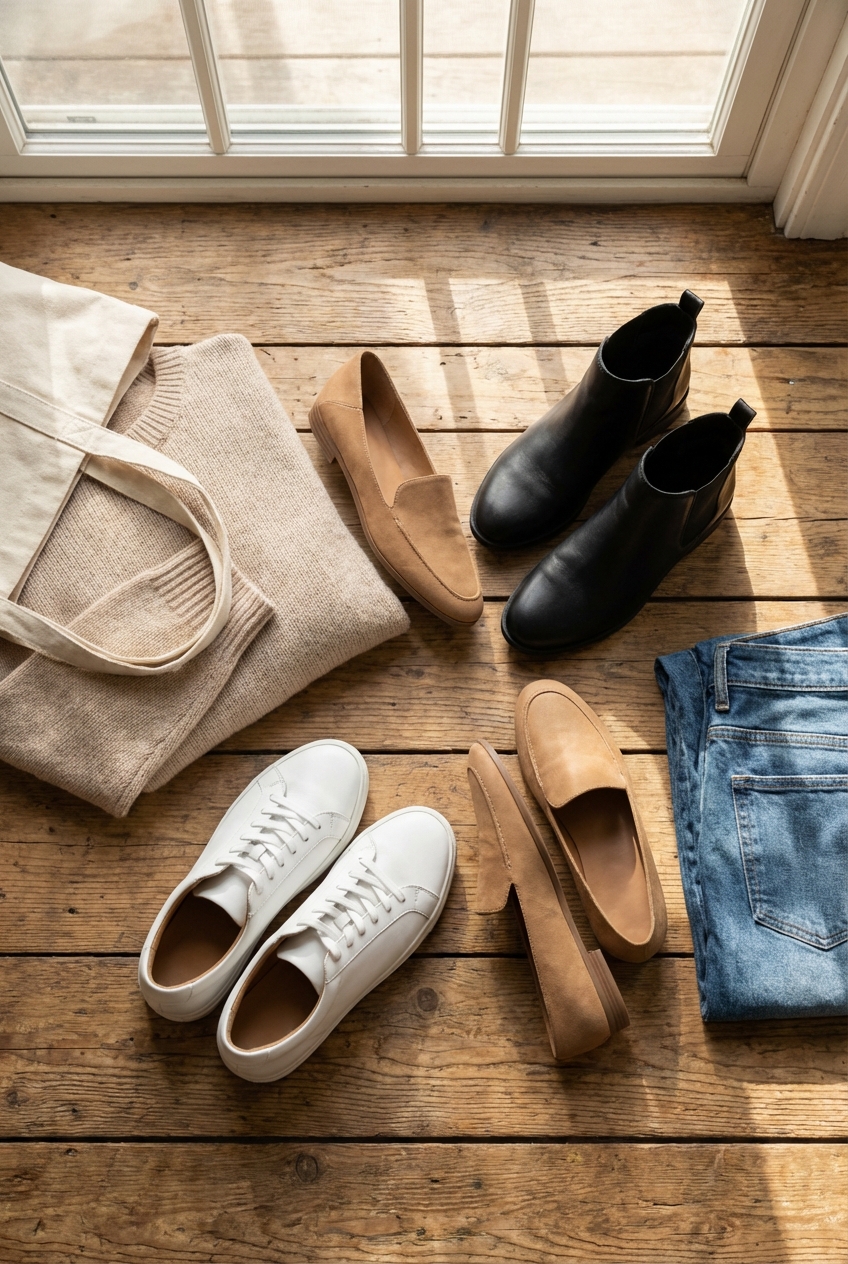
- Shoes: clean sneakers, loafers, ankle boots
Neutral colors such as black, white, navy and beige make this core easy to mix. Through the lens of evidence-based design, I'd also vary texture inside the neutrals. A ribbed knit, a crisp cotton and a smooth wool in the same navy read as different colors because each surface catches light differently, so the palette stays interesting without adding new hues.
How do you layer for changing weather?
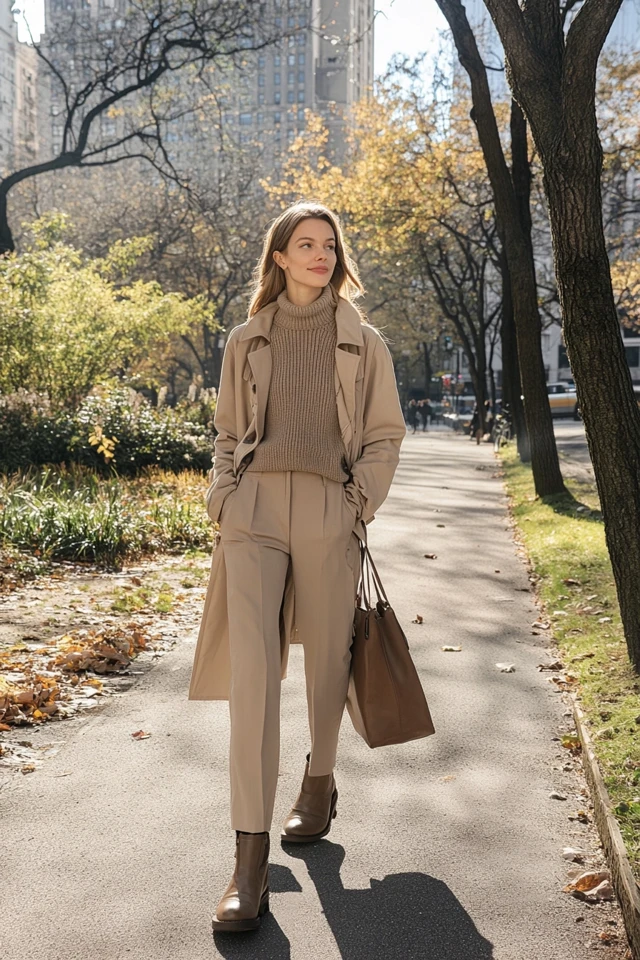
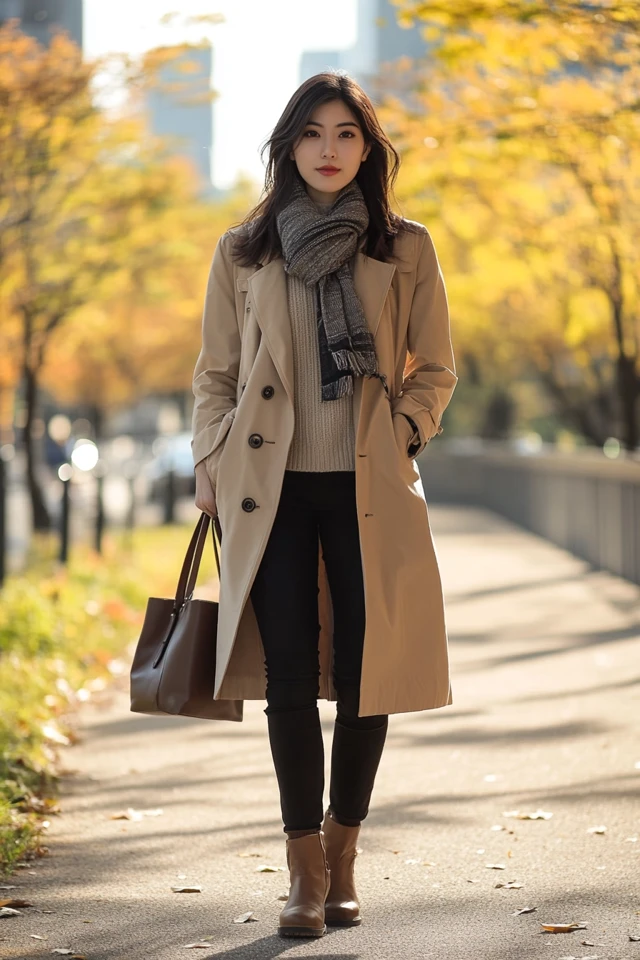
Think in three layers: a base next to the skin, a mid-layer for warmth, and an outer layer for wind or rain. On a mild day you wear two; on a cold one, all three.
The base layer matters most in the cold. For exercise outdoors, Howdy Health at Texas A&M advises that the layer closest to your skin should be made of moisture-wicking materials, and to avoid cotton because it absorbs moisture and can keep it next to your skin. For a commute or a walk to lunch you can relax that rule, but it explains why a thin merino or synthetic tee under a sweater often feels better than cotton on a cold day.
If layered looks are your main goal, see how to build a capsule wardrobe for layered looks for more combinations.
Choose fabrics that work across seasons
Fabric decides how long a piece stays in rotation.
- Cotton is breathable in summer and layers easily under knits.
- Merino wool is thin enough for mild days and warm enough under a coat.
- Linen suits heat, and a cardigan over it extends it into spring and early fall.
- Tencel (lyocell) drapes softly and layers well in any season.
A midi dress is a good test of this. Worn alone with sandals in July, it becomes a fall outfit with a turtleneck underneath, tights and boots.

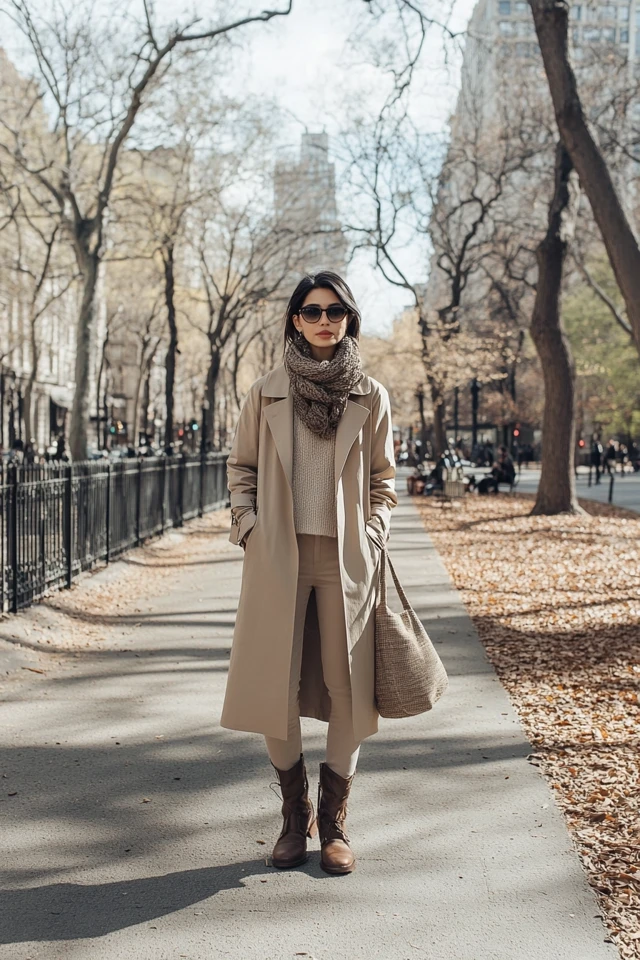
Summer to fall capsule wardrobe: what to swap
The shift from summer to fall is the easiest to do gradually. Start by adding, not removing.
- Put a cardigan or shirt jacket over the dresses and tops you already own.
- Switch sandals for loafers or ankle boots once mornings turn cool.
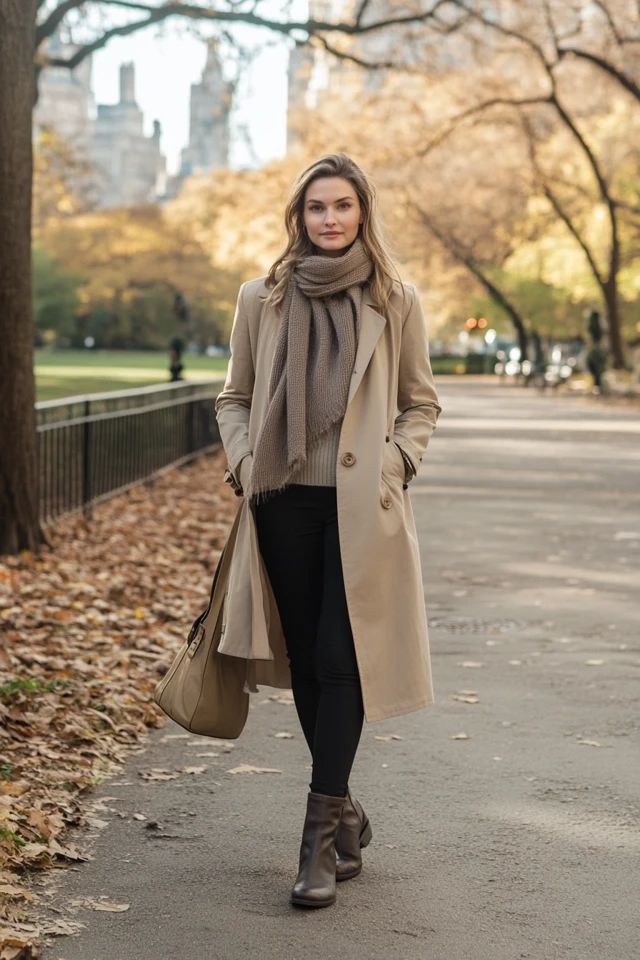
- Bring in one or two heavier knits and a scarf.
- Pack away only the pieces you reached for least, such as the thinnest linen or beach items.
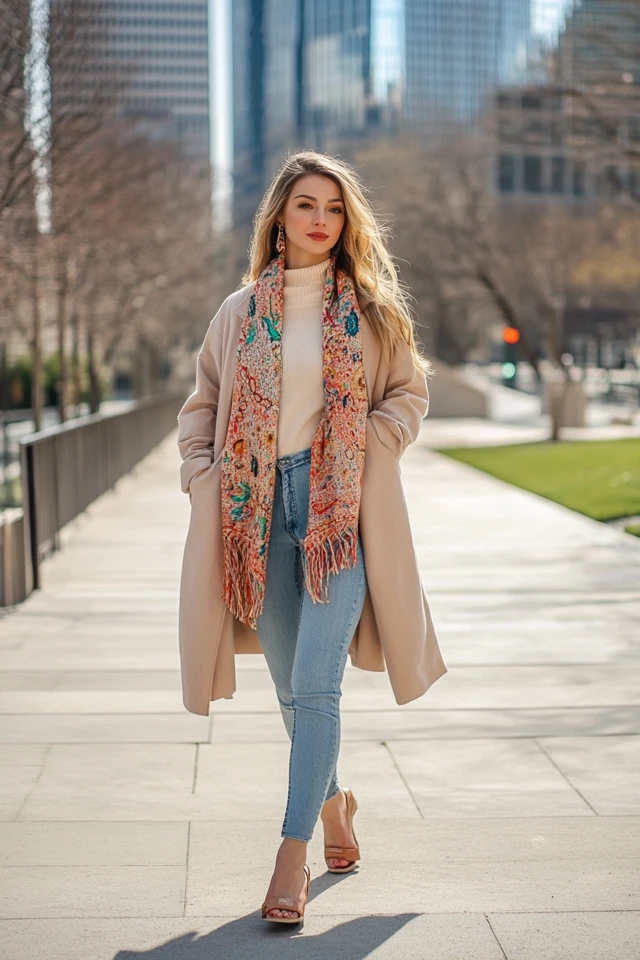
For winter, add a wool coat, thermal layers and gloves. For spring and summer, swap them for a denim or utility jacket, a light cardigan and a silk scarf, which adds color without bulk. More ideas are in building a capsule wardrobe with transitional pieces.
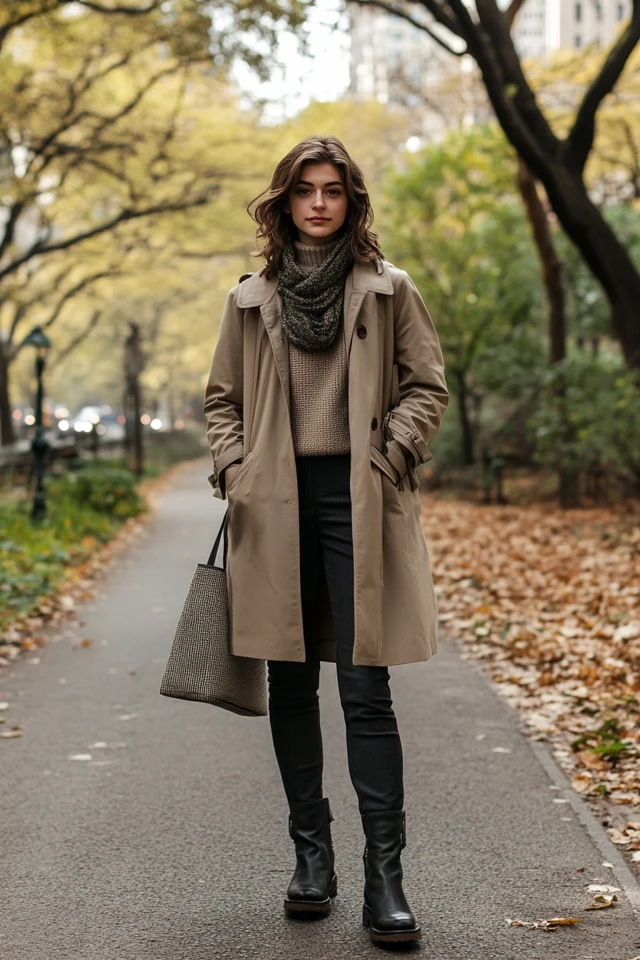
Rotate a few seasonal pieces and accessories
Accessories are the cheapest way to change a look. Beanies, leather gloves and a wool scarf come out in winter; straw hats, sunglasses and lighter scarves in summer. Wide-leg trousers and shirt jackets also move between seasons with a change of what goes under or over them.
As an architect trained in evidence-based design, I'd treat the area near the face as the first thing the eye reads. A scarf or neckline swap changes the whole outfit, so it is the best place to spend a little if you want variety on a tight budget. For that, a budget-friendly capsule wardrobe is a useful companion read.
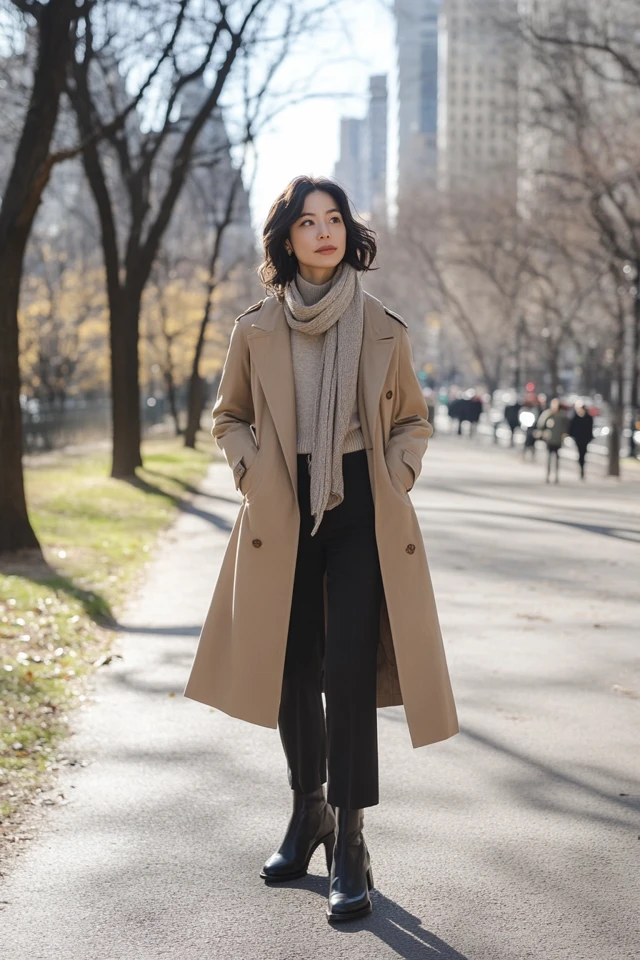

How to store seasonal clothes in a capsule wardrobe
Storage is where the transition succeeds or fails. A short routine helps:
- Wash or clean everything before it goes away.
- Fold knits instead of hanging them, so shoulders do not stretch.
- Use breathable bins or bags for bulky coats and sweaters. Vacuum bags save space but can flatten thick wool.
- Label each bin so you can find things when the weather turns.
Use the swap as an edit, too. MSU Extension instructor Jasmine Harris-Speight suggests this test for what to keep: "When deciding what to keep, ask yourself: Does this item hold a sentimental place in my heart? Will I miss this item if I get rid of it?" Anything you would not miss can leave the closet. Only about 15% of textiles bought each year are recycled or repurposed, according to MSU Extension, so donating or reselling beats the trash.

Seasonal capsule wardrobe checklist
Use this as a starting point and adjust to your climate and routine. The numbers are a suggestion, not a rule.
- Tops: 3-4 plain T-shirts, 2 button-downs, 2 lightweight sweaters, 1 turtleneck
- Bottoms: 2 pairs of dark jeans, 1 tailored trouser, 1 midi skirt
- Outer layers: 1 trench, 1 wool coat, 1 denim or utility jacket, 1 blazer
- Dresses: 1 T-shirt dress, 1 midi dress, 1 jumpsuit
- Shoes: white sneakers, ankle boots, sandals, loafers
- Accessories: 2 scarves (one wool, one silk), a neutral crossbody bag, a belt
Each season, note what you were missing on cold mornings or hot afternoons and fill that gap before buying anything else.
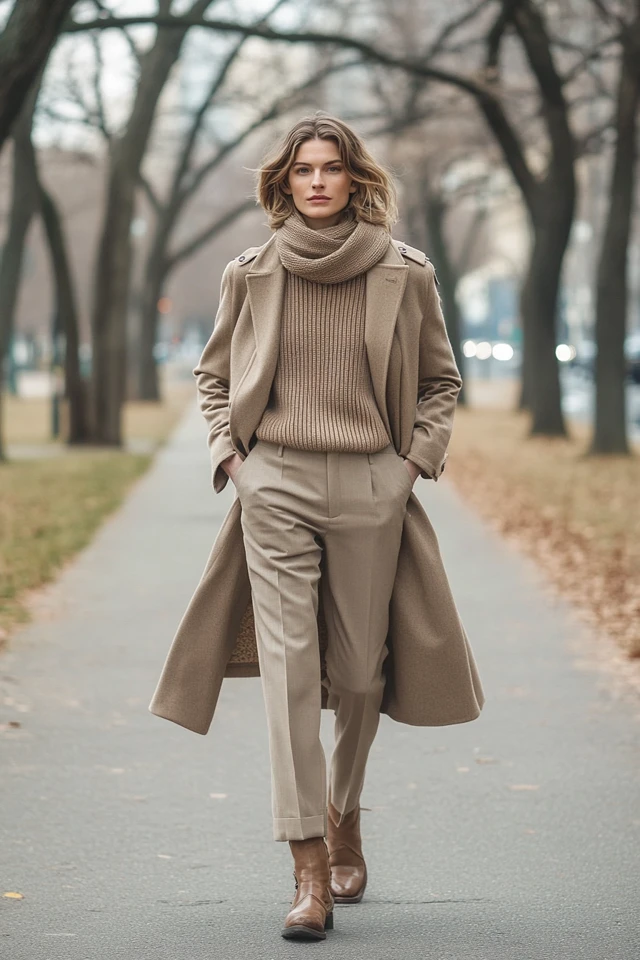
Frequently asked questions
How many pieces should a seasonal capsule wardrobe have?
Many people land between 30 and 50 items including shoes and outerwear, but the right number depends on your climate and how often you do laundry. Start smaller and add only to fill real gaps.
How do I transition summer pieces into fall?
Layer lightweight dresses with cardigans, pair summer tops with jeans and ankle boots, and add a scarf or jacket for cooler mornings.
Can I use bold colors in a seasonal capsule?
Yes. Keep the core neutral and put bold color in accents such as a scarf or blouse, which are easy to swap each season.
Can I adapt a capsule wardrobe for extreme climates?
Add climate-specific pieces such as thermal layers, a raincoat or snow boots on top of the core. The rotating list simply gets longer.
Filed under Capsule Wardrobe