Pleated Dresses: High-Neck Maxi Styles for Modest Looks
- Words by
- Julio Arco
- Published
- Reading
- 5 min
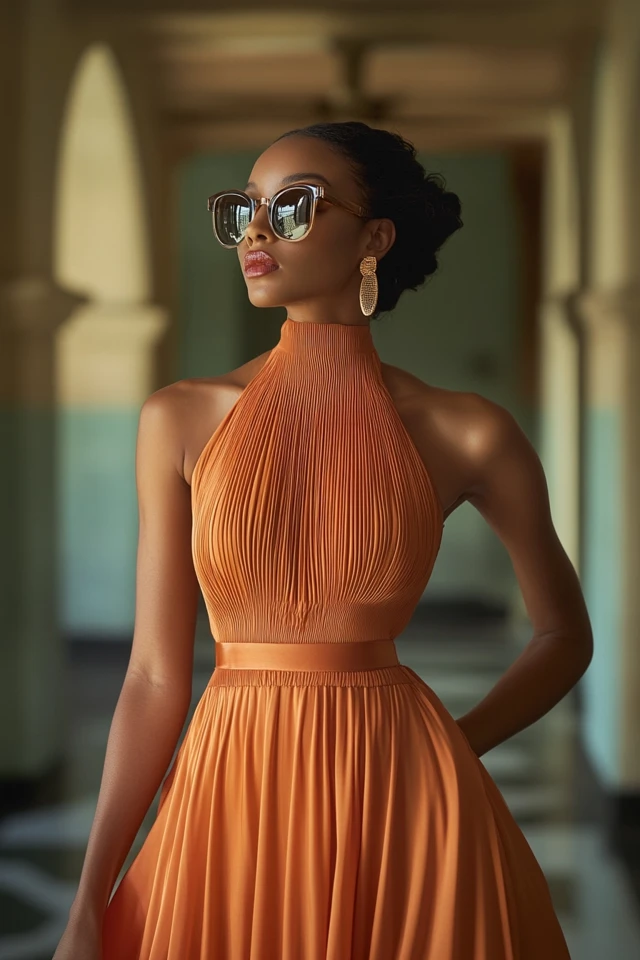
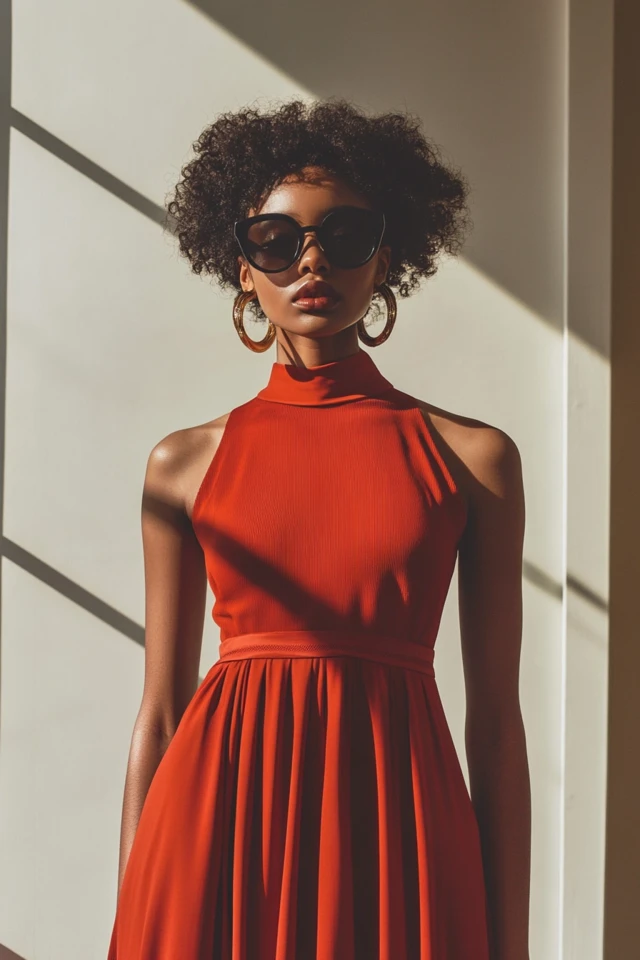
If you want modest coverage that still moves, a high-neck pleated dress is a strong pick. A pleated maxi dress with sleeves covers neck, arms and legs, and the pleats add movement so the dress never looks stiff.
Below: how to choose a length, sleeve and color, how to get the fit right on different frames, and how to style the dress for daytime, work and evening.
Why a high neckline works with pleats
A high neckline frames the face and keeps the eye near the top of the dress. Pleats then do the rest of the work: the vertical folds read as long lines, and they open up as you walk.
Through the lens of evidence-based design, I'd treat the neckline as the first thing the eye reads. When it is clean, the texture of the pleats can take over the rest of the outfit without competing with jewelry.
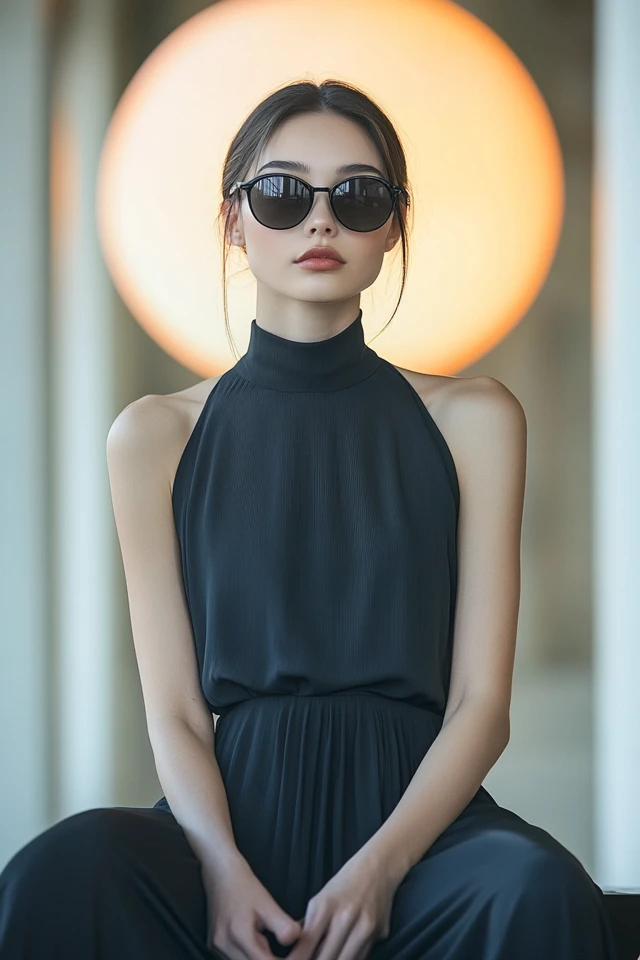
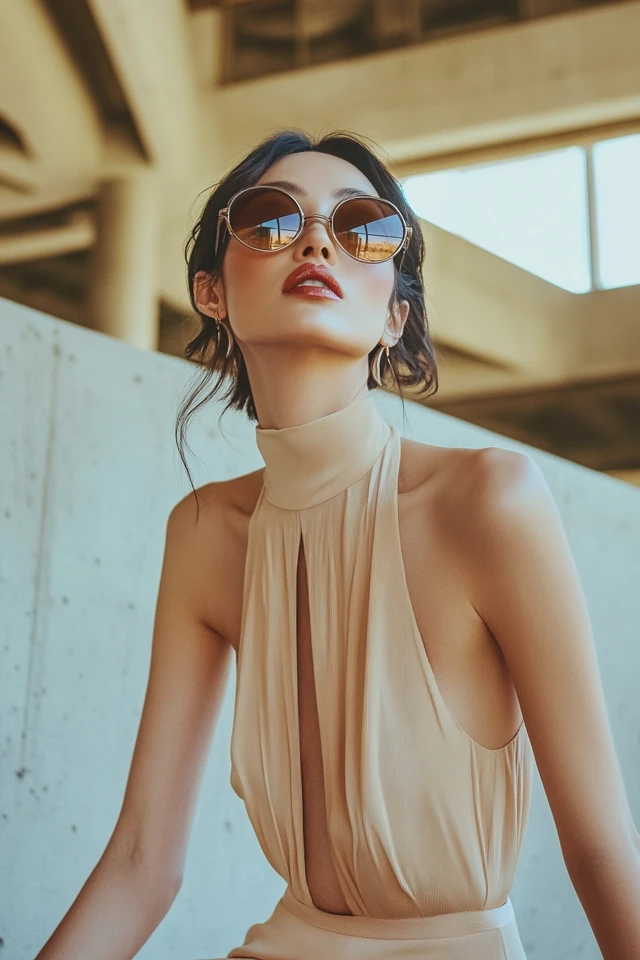
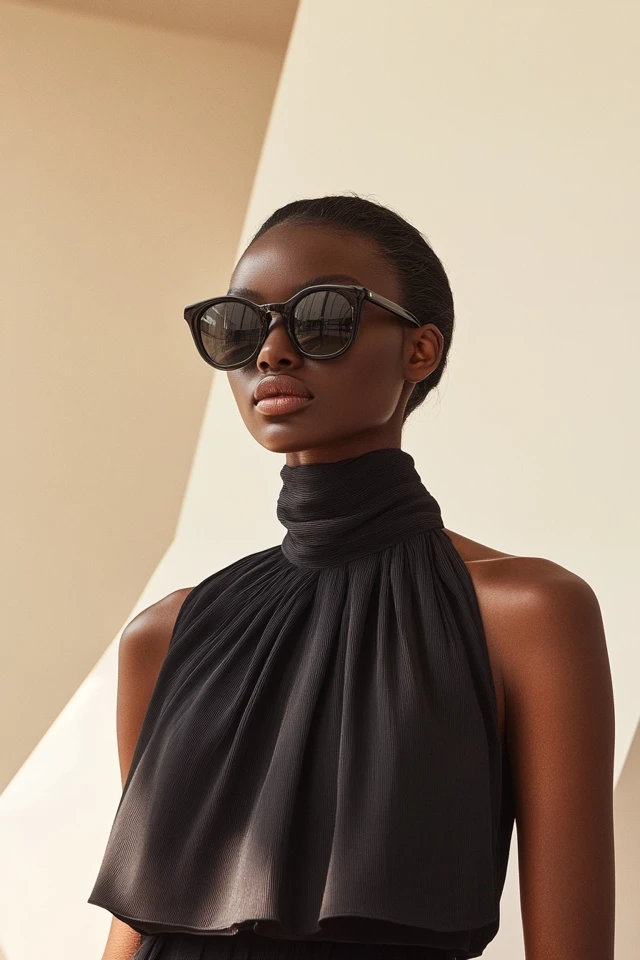
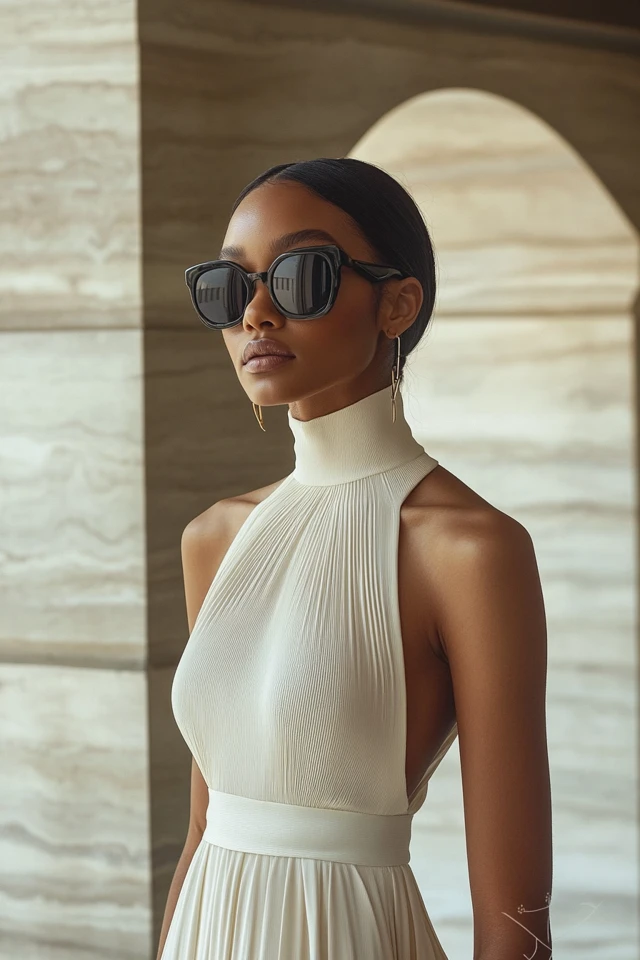
Common high-neck shapes include the mock neck, the full turtleneck, a band collar and a halter that closes close to the throat. If you prefer a halter, see sleek halter neck dresses for cocktail events.
Which length should you choose?
Pleated maxi
The maxi is the most dramatic option. It should skim the top of your shoes or just clear the floor in the heels you plan to wear. Hem it to the shoes, not to your bare feet, or it will pool and catch.
Pleated midi
A pleated midi dress usually ends somewhere between the knee and mid-calf. It is easier for daily wear, walks well in flats and shows off boots or loafers. If you are petite, check where the hem lands on your calf: a hem at the widest part can shorten the leg.
High-low hems
A high-low pleated dress is shorter in front and longer in back. It suits events where you want ankle freedom but still want a train of fabric behind you. Keep the front hem at or above mid-calf so it looks intentional.
Sleeves: long, sheer or structured
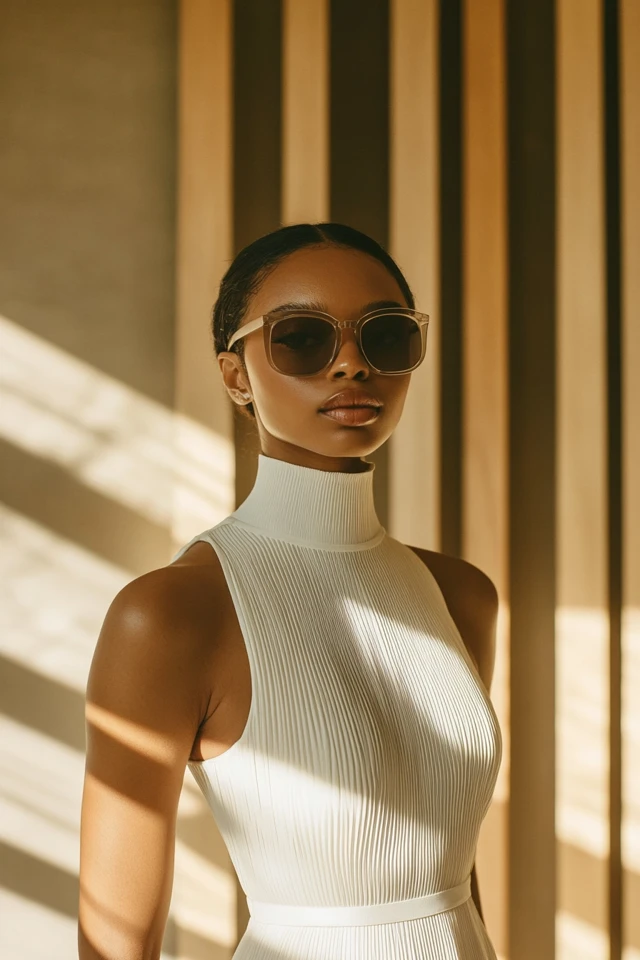
A long sleeve pleated dress is the simplest route to full coverage. Fine pleats, often called accordion pleats, stretch and fold with your arm, so the sleeve stays comfortable when you reach or lift.
Sheer sleeves give coverage with a lighter feel, which helps in warm weather. Structured or puffed sleeves add volume at the shoulder, so pair them with a plain, narrow skirt. If the sleeve pulls across the upper arm, go up a size or look for a style with a stretch lining. That is a sizing issue, not a you problem.
Best colors for pleated dresses
Color reads differently on pleats, because each fold sits at a different angle to the light. The ridges look lighter and the valleys look deeper, so a solid color gets built-in shading.
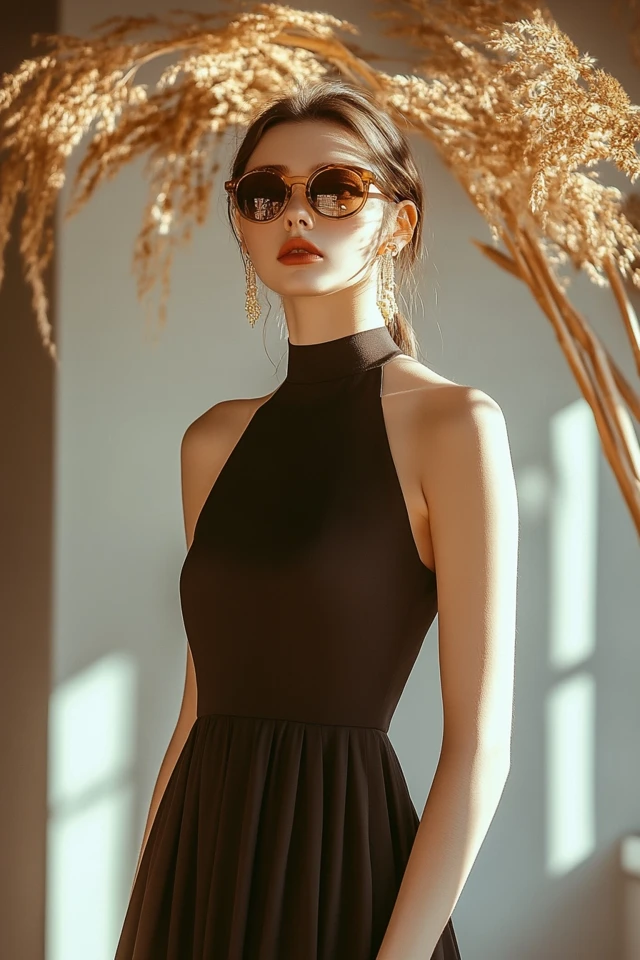
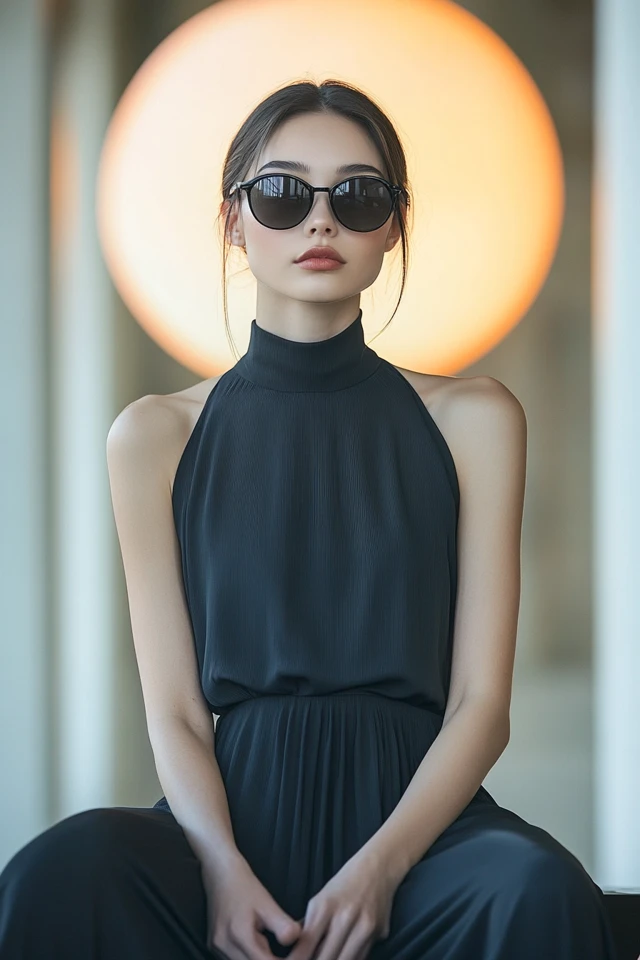
- A black pleated dress is the safest evening choice. Shading is subtle, and the folds look sleek rather than busy.
- Navy and deep green behave similarly, and often look a little softer next to skin.
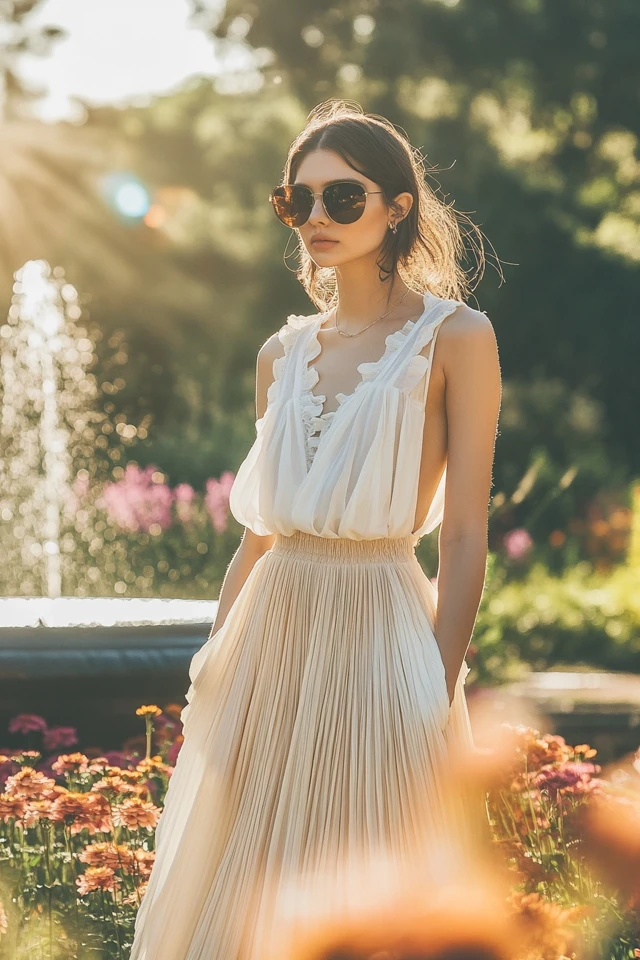
- Ivory, beige and blush give a gentle daytime look. Check the fabric is lined, since pale pleats can show what is under them.
- Metallic pleats catch the light strongly. Keep accessories minimal.
- Prints blur inside the folds, so small or tonal patterns tend to hold up better than large graphic ones.
Texture matters as much as color. As an architect trained in evidence-based design, I'd pick a matte crepe or jersey pleat for daytime and a satin pleat for evening, because the surface changes how light reaches your eye and how formal the same color feels.
Finding the right fit, including plus sizes
Pleats add visual width wherever they flare, so place the fullness where you want it. A plus size pleated dress works well when the pleats begin at the waist or just under the bust and fall straight, rather than starting at the hip.
- Petite: choose an empire or high waist, keep the hem just off the floor and wear a small heel if you like.
- Curvy: look for a defined waist, a wrap or a soft elastic waist, and fabric with a little stretch.
- Athletic: pleats, ruching or sleeve details add softness and movement.
- Tall: a full-length maxi shows off the height, and you can wear flats without losing the line.
For any size, check the shoulder seam sits at the edge of your shoulder and that you can sit down without the pleats pulling open at the hip.
How to style a pleated dress for different occasions
Because the dress already carries texture and movement, keep the rest simple.
- Daytime: flat sandals or white sneakers, a small crossbody bag and no necklace.
- Work: a tailored blazer or cropped jacket in a solid color, and closed-toe shoes.
- Evening: pointed pumps or strappy heels, a clutch and statement earrings or a cuff. Avoid heavy necklaces, which compete with the neckline. If you do love a bold necklace, here is how to pair one with a high neck.
- Cold weather: a longline coat, opaque tights and ankle boots.
- Weddings: soft colors or tonal prints, and a lightweight wrap.
For more length and movement ideas, browse glamorous vacation maxi dresses or modern maxi dress styling by weather.
Caring for pleats
Follow the care label first. Many pleated polyester dresses are washable, but silk and delicate blends may need dry cleaning or hand washing. Hang the dress or store it loosely folded so the folds are not crushed, and use a steamer rather than an iron on a hot setting, which can flatten or damage the pleats.
Frequently asked questions
Can you wear pleated dresses if you are plus size?
Yes. Choose a style where pleats start at the waist or under the bust and fall straight, in a fabric with some drape and stretch.
Is a pleated midi dress better than a maxi?
A midi is easier for daily wear and walks well in flats, while a maxi is more dramatic and suits evening. Pick by the occasion and the shoes you will wear.
How do you style a black pleated dress?
Keep accessories simple: metallic heels or flat boots, one statement earring or cuff, and a clean hairstyle. A cropped jacket or longline coat adds warmth.
How do you wash a pleated dress?
Check the care label first. Delicate fabrics usually need hand washing or dry cleaning, and the dress should be hung or stored loosely to keep its folds.
Filed under Style & Fit