Winter Outfits by Body Type: Coats, Pants and Layers
- Words by
- Julio Arco
- Published
- Reading
- 5 min
The simplest way to dress for winter by body type is to pick the coat length and the pants shape first, then add layers that balance them. Define the waist if you want curves, add volume where you want more, and keep the heaviest layer away from the area you'd rather not emphasize.
The ideas below use a grunge palette (flannel, chunky knits, leather, muted olive, charcoal and burgundy), but the proportions work in any style. If a coat pulls across the shoulders or a sweater bunches at the hip, that is a fit problem, not a you problem.
What is the 3 layer rule for winter?
Three layers: a base that sits on your skin, a middle layer for warmth, and an outer layer against wind and wet. The National Park Service puts it this way: "the most basic rule in dressing for winter is layering as it helps with 3 important outcomes: 1) Keeping moisture away from the skin 2) Creating insulation to help keep the body core warm 3) Protecting against the "elements" - wind, snow, rain, etc."
For the base, the University of Alaska Fairbanks notes that "the most common materials for the base layers are polypropylene, polyester, or merino wool." Cotton is the one to skip if you will be walking or moving a lot, because it absorbs moisture and can keep it next to your skin. A cotton band tee is fine on a short commute; just don't make it the layer touching your skin on a long, active day.
Body shape comes in when you choose the middle and outer layers. Thin base layers add almost no bulk, so the shaping happens higher up.
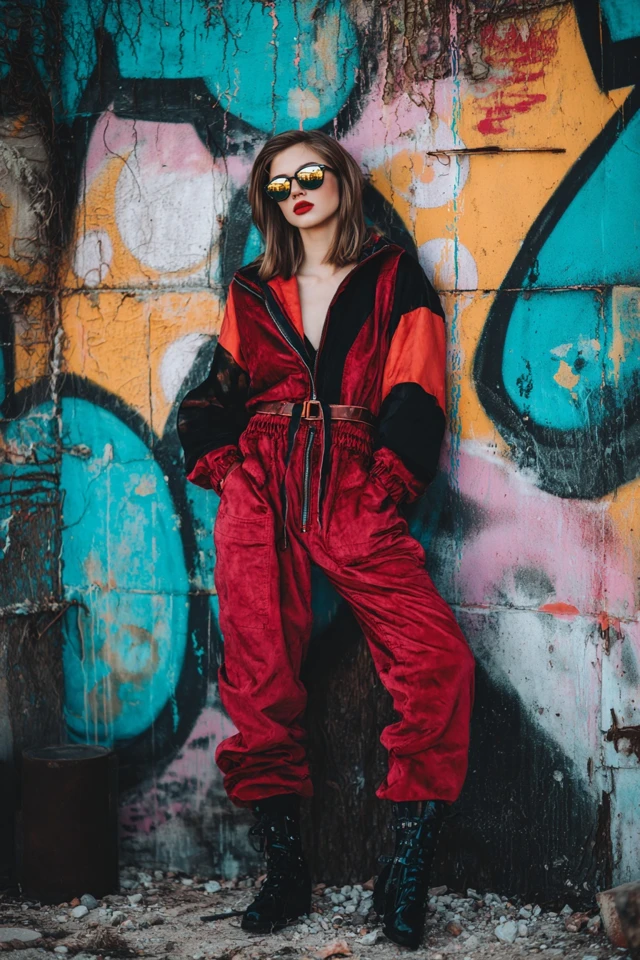
How do you choose a winter coat for your body type?
Start with where the coat ends and where it nips in. Hem length changes how long your legs look, and a belt or a seamed waist changes where the eye lands first.
- Hourglass: a belted coat or a tailored leather jacket that follows your waist. Boxy cuts hide the shape you are trying to show.
- Pear: structured shoulders (a peacoat or a moto jacket with some padding) and a hem that stops at the hip or falls past the widest point of the thigh, not right at it.
- Apple: a longer, open, straight-cut coat that skims the torso without clinging. Vertical lines, like an open front, lengthen the body.
- Rectangle: belt a wool coat to create a waist, or pick a coat with a flared skirt.
- Inverted triangle: softer shoulders and more volume lower down, such as a wrap coat or an A-line cut. Skip heavy shoulder padding.
Buy the coat in the size that fits your shoulders, then tailor the rest if needed. Check that you can still bend your arms with your thickest sweater underneath.
Winter outfit ideas for each body type
Hourglass
High-waisted jeans, a fitted turtleneck or cinched cardigan, and a belted jacket. Keep layers close to the body at the waist so the curve still reads under the coat.
Pear
Put interest on top: a chunky knit, a plaid flannel worn open over a fitted tee, or a structured jacket. Pair them with dark, straight or slightly wide pants so the lower half looks quieter than the top.
Apple
Longer cardigans and oversized sweaters in a fabric that drapes rather than stiffens. Dark top, lighter or distressed denim below, and a V-neck or open collar to draw the eye along a vertical line.
Rectangle (straight)
If you are after winter outfits for a rectangle body shape, layering does the work of creating curves. Try a belted coat over a loose graphic tee, with wide-leg trousers or a full skirt over tights. The same logic covers winter outfits for a straight body type: add shape at the waist or hips with belts, peplum hems or volume in the pants.
Inverted triangle
Keep the top simple (a fine-gauge knit or plain tee) and let the pants carry the interest: cargo pockets, wide legs, patchwork or a pleated skirt over thick tights.
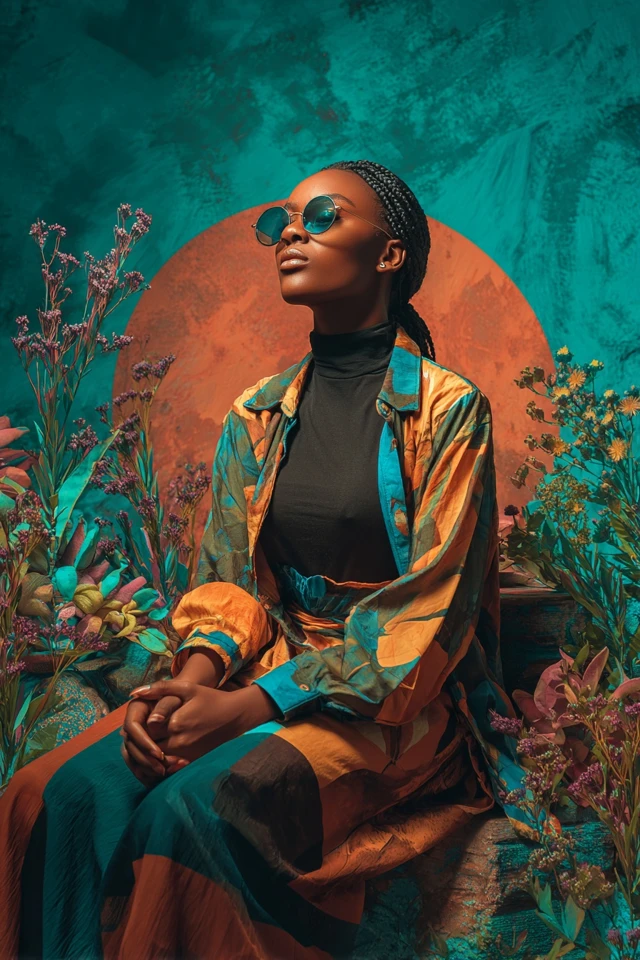
Which fabrics flatter in winter?
Through the lens of evidence-based design, I'd think about texture before color. A matte wool and a shiny faux leather in the same charcoal do not read as the same color, because the surface changes how light reaches the eye. Shiny and stiff fabrics draw attention to the area they cover; matte and soft ones recede.
In practice, that means chunky knits and stiff leather add visual volume, so put them where you want it. Fine merino, brushed flannel and fabrics with some drape smooth the area you'd rather not emphasize.
Pants, skirts and boots
Straight and wide-leg pants balance most shapes. Tapered pants work with broader shoulders, while a slight bootcut balances wider hips. High-waisted styles shorten the torso visually and help with tucking in thick sweaters.
Chunky lug-sole boots are a grunge staple, but they add weight at the ankle. If you are petite or want longer legs, wear them under pants that cover the top of the boot and match the pants to the boot color. Skirts work over opaque tights or thermal leggings, ideally with a hem that meets the top of the boot.
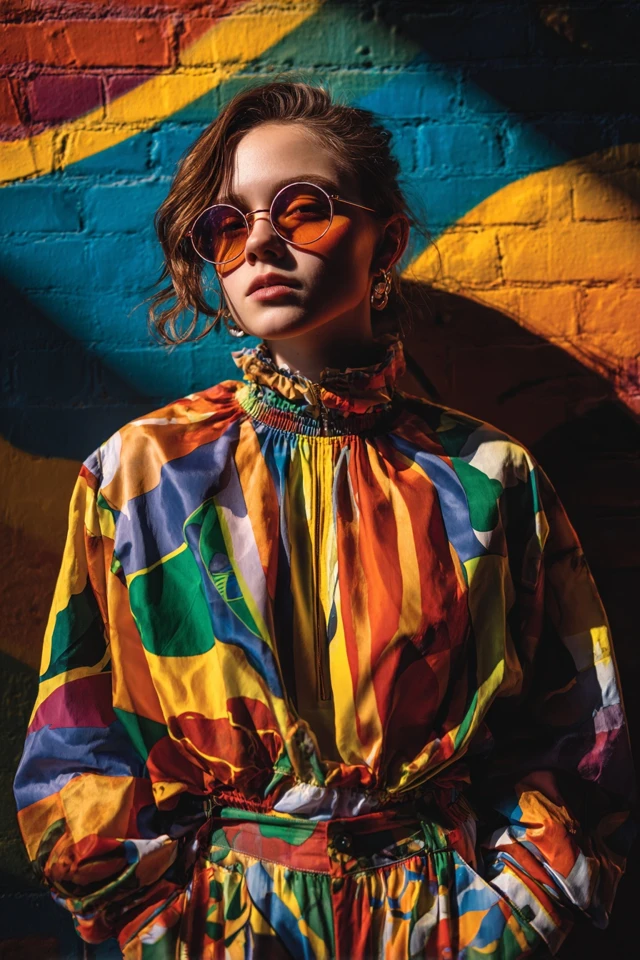
How do you layer sweaters and turtlenecks without bulk?
Keep the layer closest to your body thin and the outer layer roomy. A fitted thermal under an oversized flannel adds warmth without making your frame wider. Turtlenecks under a V-neck knit or open shirt give a long vertical line.
Neck, hands and feet need attention too. The University of Alaska Fairbanks points out that "mittens are warmer than gloves," so if fingerless gloves leave your hands cold, switch to mittens on the coldest days.
Color helps as well. A tonal outfit in charcoal, olive or deep burgundy reads as one long line, while a contrasting scarf or beanie draws the eye up toward your face. For more palette ideas, see earthy grunge outfits and warm neutral grunge looks.
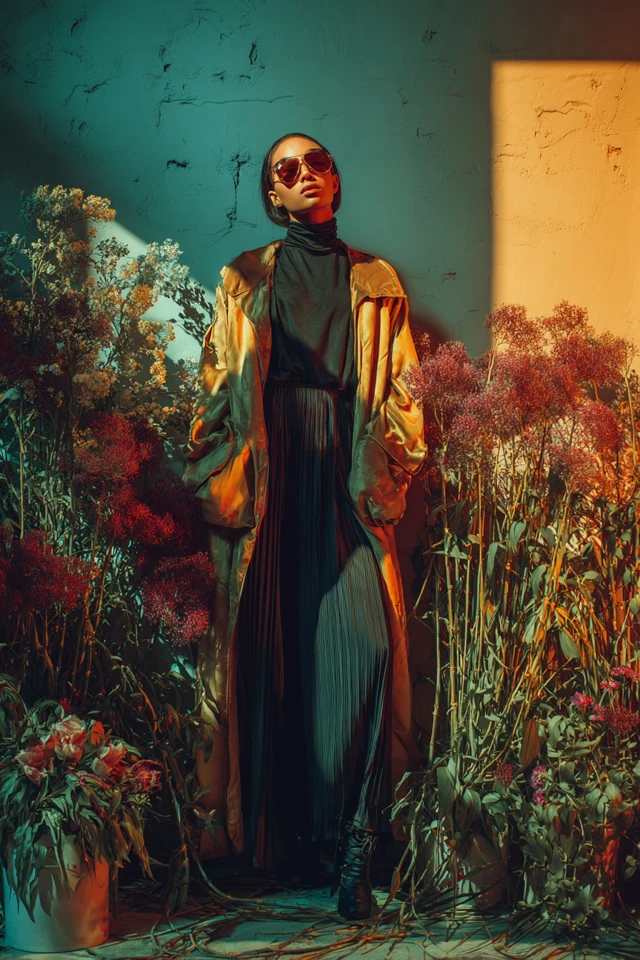
Build the outfit around the weather first
Flattering is only useful if you stay warm enough to enjoy it. If you will be outside walking, remember that an active person can sweat a lot: the National Park Service notes that an active snowshoer, skier or hiker can sweat four to six liters of perspiration in a day. Most city walks are far gentler, but the principle holds: wicking base, warm middle, windproof shell.
For more cold-weather pieces to mix in, browse winter cardigan outfit ideas, winter denim outfit ideas and cozy winter outfits.
Frequently asked questions
What is the 3-3-3 rule for outfits?
It is a capsule-wardrobe idea: pick three tops, three bottoms and three pairs of shoes and mix them into many outfits. It works best when the pieces share a color palette.
What is the hardest body type to dress?
No shape is harder than another; what is hard is finding cuts made for your proportions. Fit at the shoulders, waist and hips matters more than the label of your shape.
What is the 3 layer rule for winter?
Wear a moisture-wicking base layer, an insulating middle layer and a protective outer shell. Avoid cotton next to the skin if you will be active outdoors.
Should I size up for a winter coat?
Choose the size that fits your shoulders, then check that you can move your arms over a thick sweater. A tailor can adjust sleeves and length more easily than shoulders.
Filed under Outfit Ideas