Summer Style Guide: Build a Comfortable, Polished Wardrobe
- Words by
- Julio Arco
- Published
- Reading
- 5 min
The simplest answer to what to wear in summer: pick loose, breathable pieces in two or three colors that go together, add one texture or accessory that makes the outfit look finished, and repeat the formula. A small, well-chosen set of clothes beats a crowded closet in July.
Below is a step-by-step way to plan it, with outfit formulas you can adjust to your own shape, budget and climate.
Take a wardrobe inventory first
Before buying anything, pull out every warm-weather piece you own and sort it into three piles: wear often, wear sometimes, never wear. The "never" pile usually has a pattern. Maybe the fit pulls at the shoulders, or the fabric clings in heat. That is a fit problem, not a you problem, and it tells you what to avoid next time.
Then look at what is left and note the gaps. Do you have tops but no bottoms that work with them? Plenty of dresses but nothing for cooler evenings? Shop for the gaps only.
How to build your summer wardrobe
A summer capsule wardrobe is just a short list of pieces that all mix with each other. A workable starting set looks like this:
- Two or three tops: a white button-down, a plain tee, a tank or knit top
- Two bottoms: shorts or a skirt, plus lightweight pants
- One or two dresses, ideally one casual and one a bit dressier
- A light layer for air conditioning and cool evenings, such as a thin cardigan or overshirt
- Comfortable sandals or sneakers, and a sun hat
If linen pants are on your list, this linen pants guide covers how to style them. For a hat that does real work against sun, see wide-brim hats for summer vacation.
Choose colors that coordinate
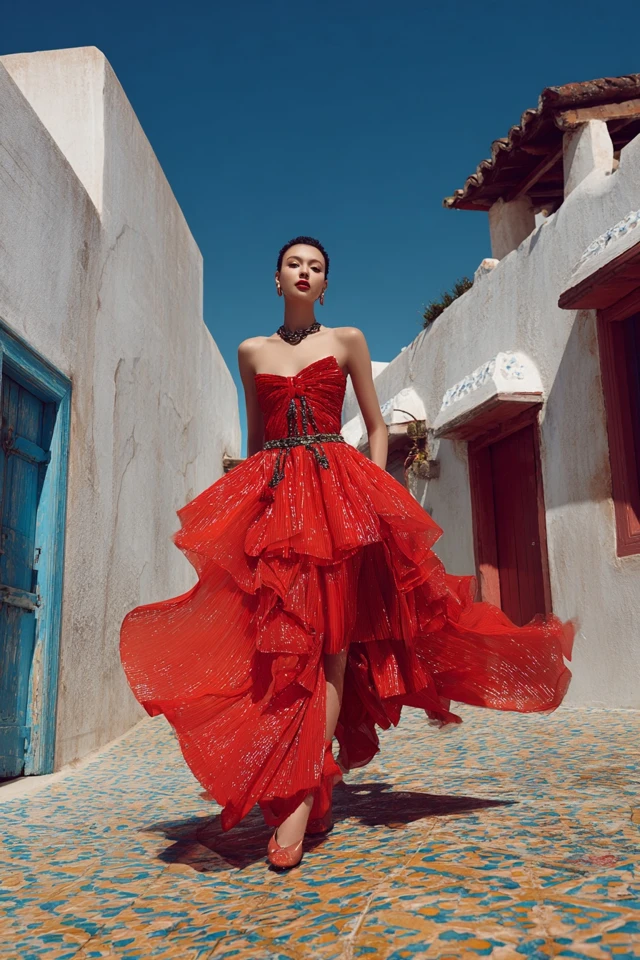
Pick a base of one or two neutrals (white, cream, navy, tan, black) and add one or two accent colors. Every top should work with every bottom, which is what makes a small wardrobe feel big.
Light colors read as fresh and airy in summer, and they also reflect more sun than dark ones. Accent colors work best in small doses, like a coral top over cream trousers or a sky blue shirt with white shorts. If you are unsure about a combination, hold the two pieces together near a window and see whether they look calm or clashing in daylight.
One more note on color: it never reads alone. Through the lens of evidence-based design, I'd always check a color next to your skin and next to the other garment, because the same blue looks different beside white than beside tan.
Prioritize comfort and loose fits
Loose fit summer clothes move air across your skin, which is why wide-leg pants, boxy shirts and flowy dresses feel cooler than fitted equivalents. Loose does not have to mean shapeless. Keep one point of definition: a fitted waist, a tucked front, a belt, or a clear shoulder seam.
Fit checks that apply to most people:
- The shoulder seam should sit where your shoulder ends, even on relaxed shirts.
- If the top is wide, choose bottoms that are either slim or clearly structured, so the outfit has a shape.
- Check that you can raise your arms and sit down without anything pulling.
Fabric matters as much as cut
Linen, light cotton and similar breathable weaves are the usual picks for everyday heat. If you are exercising or walking a lot, the fabric advice changes. Texas A&M's Howdy Health notes the layer closest to your skin should be moisture wicking and that cotton absorbs moisture and can keep it next to your skin. That guidance is written for cold-weather workouts, but it is a fair reminder that cotton is not ideal for heavy sweating.
Add texture for a polished look
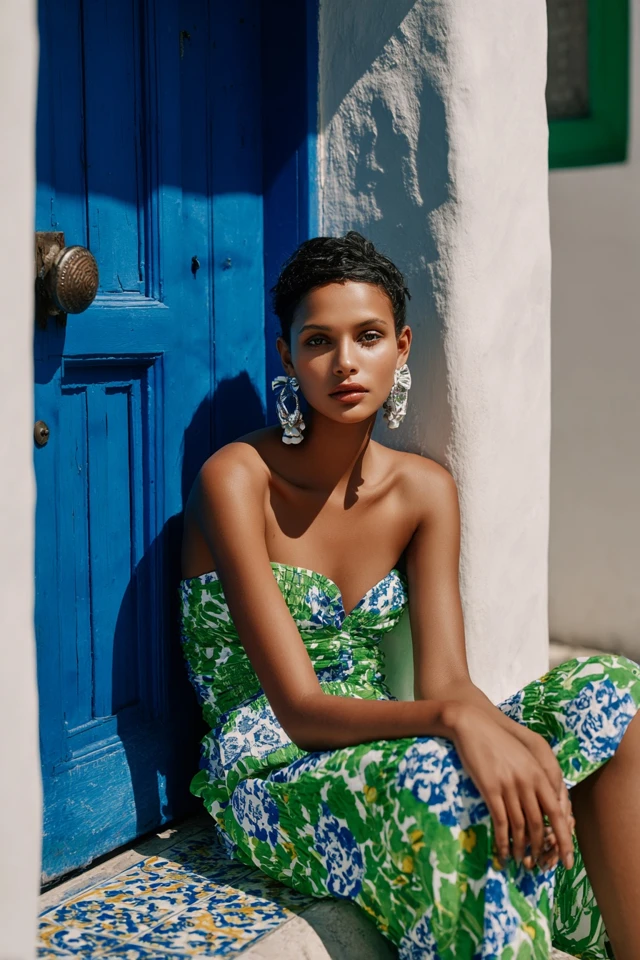
When you wear mostly neutrals, texture does the work that color would. A ribbed knit, a crinkled linen, a woven bag or a straw hat gives an outfit depth without adding another color.
As an architect trained in evidence-based design, I'd say texture changes how a color reads: matte linen and glossy satin in the same cream look like two different shades, because the surface changes how light reaches your eye. Mix one matte and one slightly smoother piece in the same outfit and it looks deliberate.
Casual summer outfit formulas
These casual summer outfits use the capsule pieces above. Swap in your own colors.
- White button-down worn open over a tank, with high-waisted shorts and sandals.
- Slip dress with a thin cardigan or denim jacket for evenings, plus a woven bag.
- Wide-leg linen pants, a fitted tee tucked in, and a belt.
- Midi skirt, simple tee, and sneakers for a day of walking.
- Matching tones head to toe, such as sand shorts with a cream top, and one bold accessory. For more on that look, see monochrome summer basics.
Style tips for different people
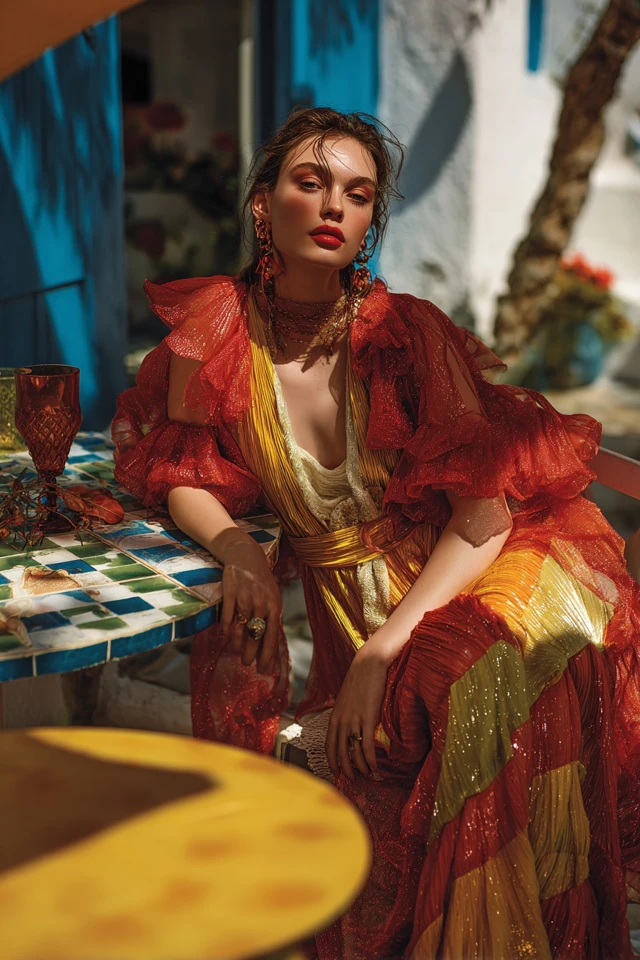
Body shape is a starting point, not a rule. Choose what feels comfortable and makes you want to wear it.
- If you like more waist definition, wrap dresses and belted shirts do that without clinging.
- If you prefer to skim your body, straight dresses and tunics with a clear neckline keep the look intentional.
- If you carry more width in your shoulders, wide-leg pants and flared skirts balance the outline.
- If you are 50 or older and want a relaxed look, the same formulas apply: breathable fabrics, a fit that skims rather than clings, and sleeves or a light layer if you want sun coverage.
For different moods, you can browse coastal, Scandi or street style takes on the same basics. If your summer is wet, dressing for rainy summers has the practical answers.
How to keep trends in check
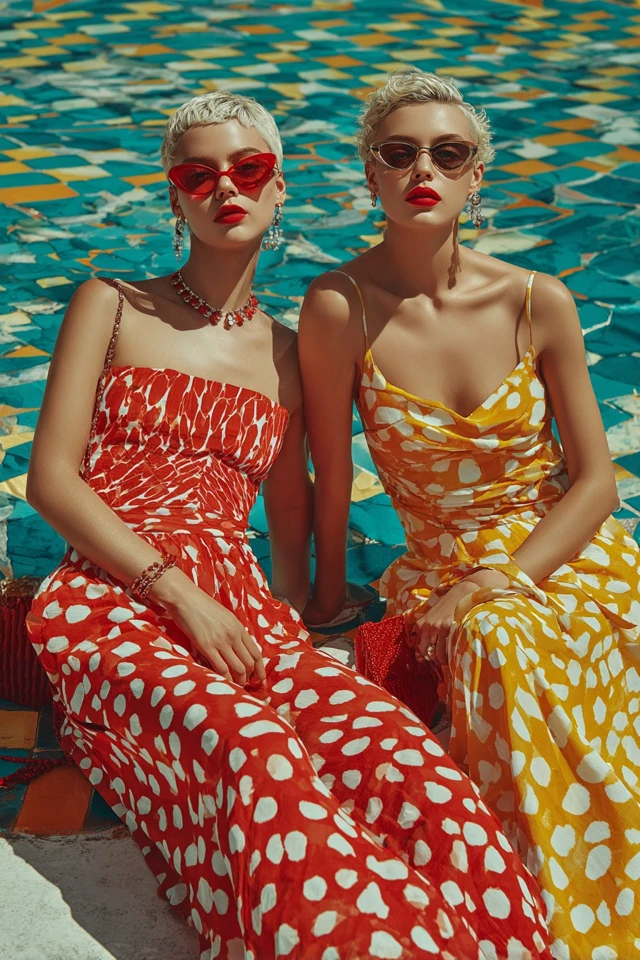
Trends change fast, so I would not build a wardrobe around one. Keep the base classic and add one trend piece per outfit, such as a pastel top, crochet detail or puff sleeve. If you tire of it, the rest of the outfit still works.
Frequently asked questions
What is the 3-3-3 rule for clothing?
It is a simplified capsule method: choose three tops, three bottoms and three pairs of shoes that all mix together. Exact versions vary, so treat it as a framework for keeping a wardrobe small.
What should a 50 year old woman wear in the summer casual?
Breathable pieces with a relaxed fit work well: linen pants, a button-down, a midi dress, and comfortable sandals. Add a light layer or a wide-brim hat for sun protection.
How do I find my signature summer color?
Hold a few shades near your face in daylight and notice which ones you reach for most. Start with that color in a top or accessory before buying larger pieces.
Filed under Outfit Ideas