
Summer Fabric and Street Style: What to Wear in Heat
- Words by
- Julio Arco
- Published
- Reading
- 4 min
Linen is the coolest fabric to wear in summer for most people: it is loosely woven, dries fast and does not cling. Lightweight cotton (poplin, chambray, jersey) comes second, and airy rayon or viscose works when you want drape. Pick the fabric first, then build the outfit around it.
Scandi-style summer dressing suits this approach well. It leans on natural fibers, muted colors and relaxed shapes, so the clothes do the cooling and the outfit stays simple.

What is the best fabric for summer clothes?
The best fabric for summer clothes lets air move through and lets sweat evaporate. That usually means an open weave, a light weight and a fiber that does not trap heat. Weave matters as much as fiber: a thin cotton voile is far cooler than a heavy, tight cotton twill.
Among lightweight fabrics for summer, these are the ones worth looking for:
- Linen and linen blends, for trousers, shirts and dresses
- Cotton poplin, chambray and gauze, for shirts and shorts
- Lightweight cotton jersey, for t-shirts
- Rayon or viscose, for flowy skirts and dresses
Linen for loose, relaxed fits
Linen wrinkles, and that is part of the look. Wear it a size relaxed and the creases read as intentional. A wide-leg linen trouser with a plain tee is about as easy as a summer outfit gets. If you like the idea, my notes on linen pants for summer go into cuts and lengths.
If creasing bothers you, choose a linen-cotton blend. It keeps most of the airiness with fewer folds.
Cotton and chambray summer pieces
For the best fabric for summer t-shirts, look for light cotton jersey that you can nearly see your hand through, in a regular or slightly boxy fit. Chambray is a good shirt option: it looks like denim but is far lighter, and it works open over a tee or buttoned alone.
One caution. Cotton absorbs moisture and dries slowly. Texas A&M's Howdy Health notes that cotton absorbs moisture and can keep it next to your skin, which is a point made about cold-weather exercise. In hot weather the same slow drying means a cotton tee can feel damp during a long, sweaty walk. For ordinary city days it is fine.
Rayon, silk and satin options
Rayon (also sold as viscose) drapes softly and feels cool on the skin, which makes it good for slip skirts and shirt dresses. Silk and satin look polished and feel smooth, but they show sweat marks quickly. Through the lens of evidence-based design, I'd pick a matte finish over a high-gloss one for daytime, because shine draws the eye to every fold and damp patch.
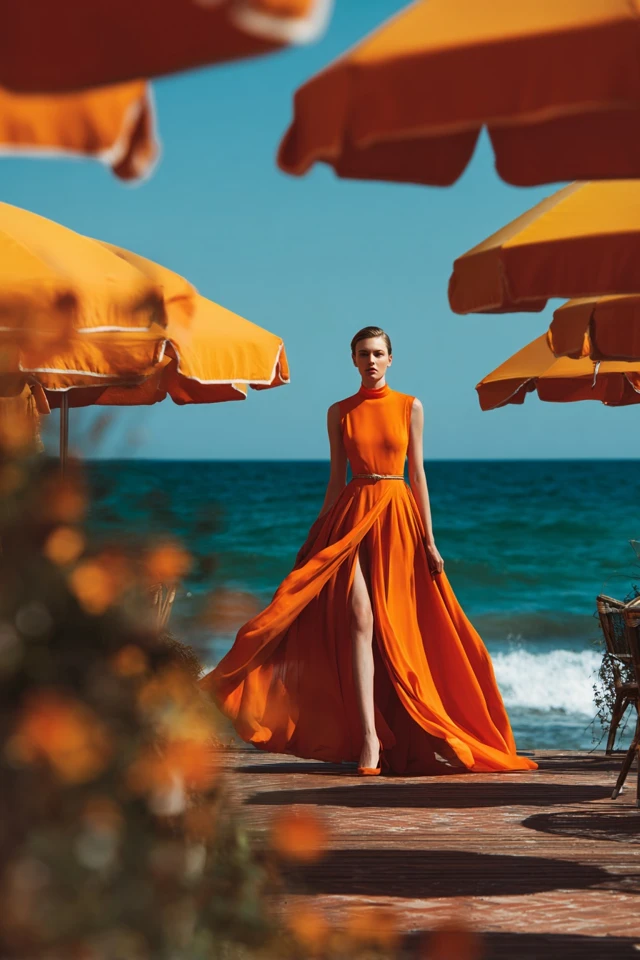
What fabric to avoid in summer?
The fabric to avoid in summer is anything that traps heat and moisture. That includes:
- Polyester and nylon in tight, thick weaves
- Heavy denim
- Wool and thick knits, apart from very fine merino
- Tight acrylic or synthetic satin
Synthetics are not always bad. Moisture-wicking sportswear is designed to pull sweat away from skin, as Howdy Health describes for the layer closest to your skin. For a workout that helps. For a dinner outfit, a cheap woven polyester blouse often feels like a plastic bag.
Summer street style outfits that work with these fabrics
A few formulas, all built around breathable pieces:
- Linen wide-leg trousers, a fitted white cotton tee and flat sandals.
- A chambray shirt worn open over a tank, with relaxed shorts in sand or stone.
- A rayon midi skirt, a plain tee tucked at the front and clean white sneakers.
- A linen shirt dress belted loosely, with a light tote.
The Scandi palette keeps these easy: soft white, dusty blue, sage, warm gray and sand all mix without effort. If you want more outfit ideas, see summer street style and the Scandi summer staples capsule wardrobe.

How do you mix fabrics and layer in summer?
Keep layers light and vary the texture, not the weight. A crisp cotton shirt over a soft jersey tee, or a linen blazer over a rayon dress, gives depth without heat. I'd also keep the palette tight: texture changes how a color reads, so two neutrals in different weaves look richer than one flat block.
Carry one light layer for evenings. A linen overshirt or thin cardigan folds small and covers the temperature drop after sunset.
What is the 3-3-3 rule for clothing?
It usually means choosing 3 tops, 3 bottoms and 3 pairs of shoes and mixing them into outfits. It is a capsule-wardrobe shortcut, and it works well in summer when your pieces share a palette and a breathable fabric.
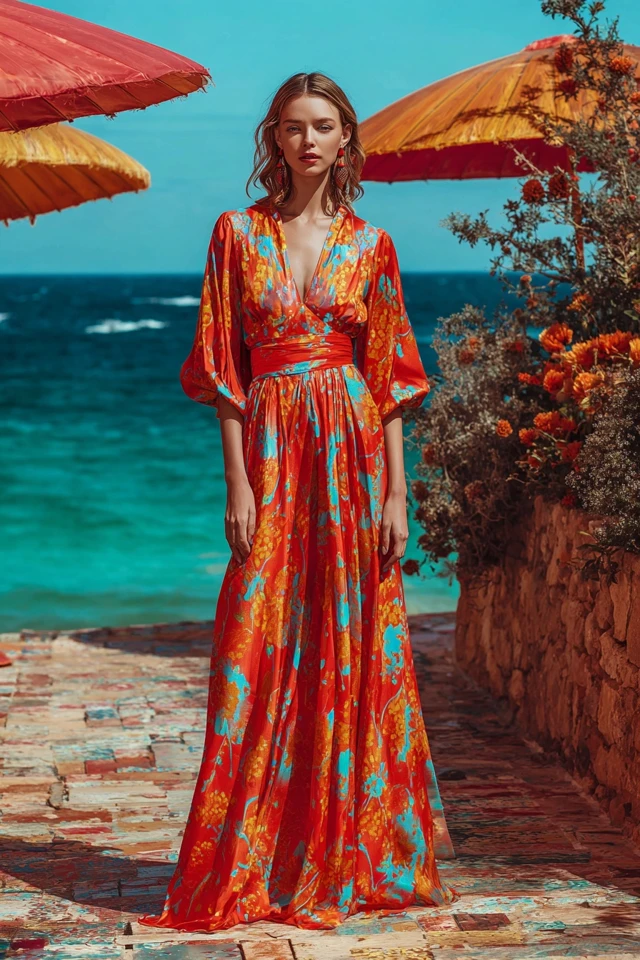
For a related warm-weather look, summer coastal dressing uses many of the same fabrics in a breezier palette.
Frequently asked questions
What is the coolest fabric to wear in summer?
Linen is usually the coolest, thanks to its open weave and quick drying. Lightweight cotton gauze and voile are close behind.
What fabric to avoid in summer?
Skip heavy denim, thick wool and tightly woven polyester or nylon, which hold heat and moisture. Cheap synthetic satin also tends to feel hot.
What is the 3-3-3 rule for clothing?
It is a capsule-wardrobe idea: pick 3 tops, 3 bottoms and 3 pairs of shoes that all mix together. It keeps summer packing and dressing simple.
Is cotton good for hot weather?
Light, loosely woven cotton is comfortable for everyday summer wear. It dries slowly, so it is less ideal for intense sweating or long outdoor activity.
Filed under Outfit Ideas